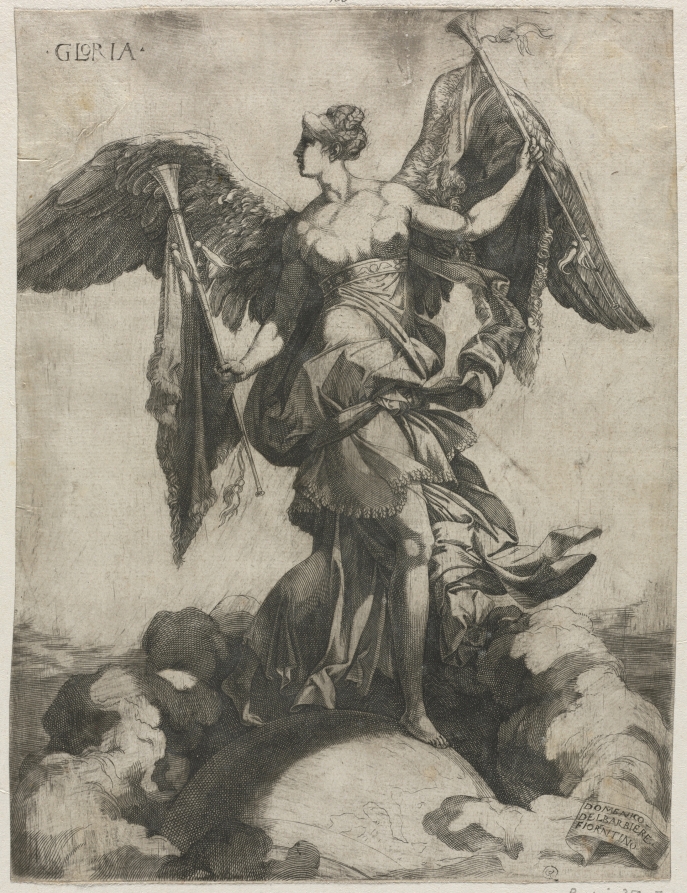
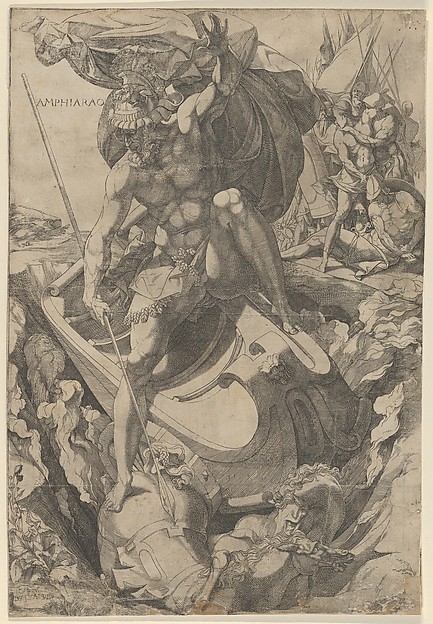
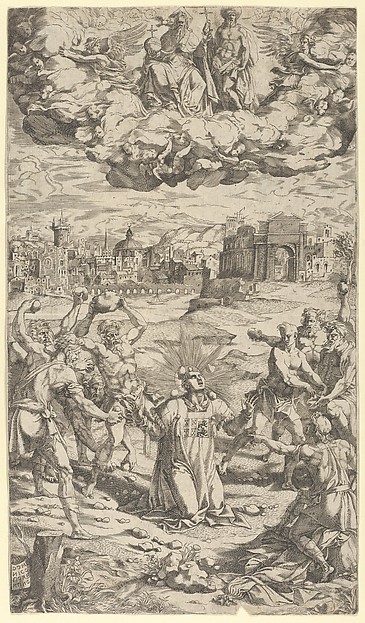
In the collection of The Metropolitan Museum of Art, New York — check current display status with the museum.
Be the first to share your thoughts.
Sign in to join the discussion.
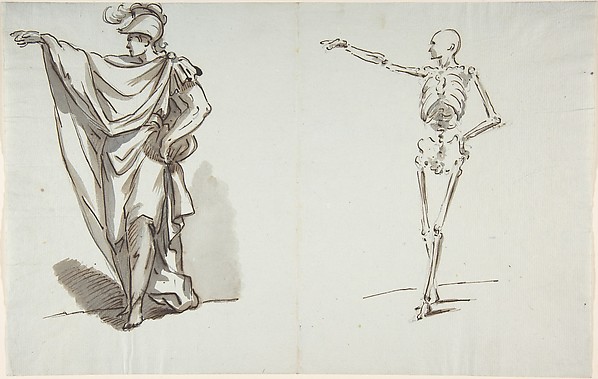 Anonymous, French, 18th century — Anatomical drawing
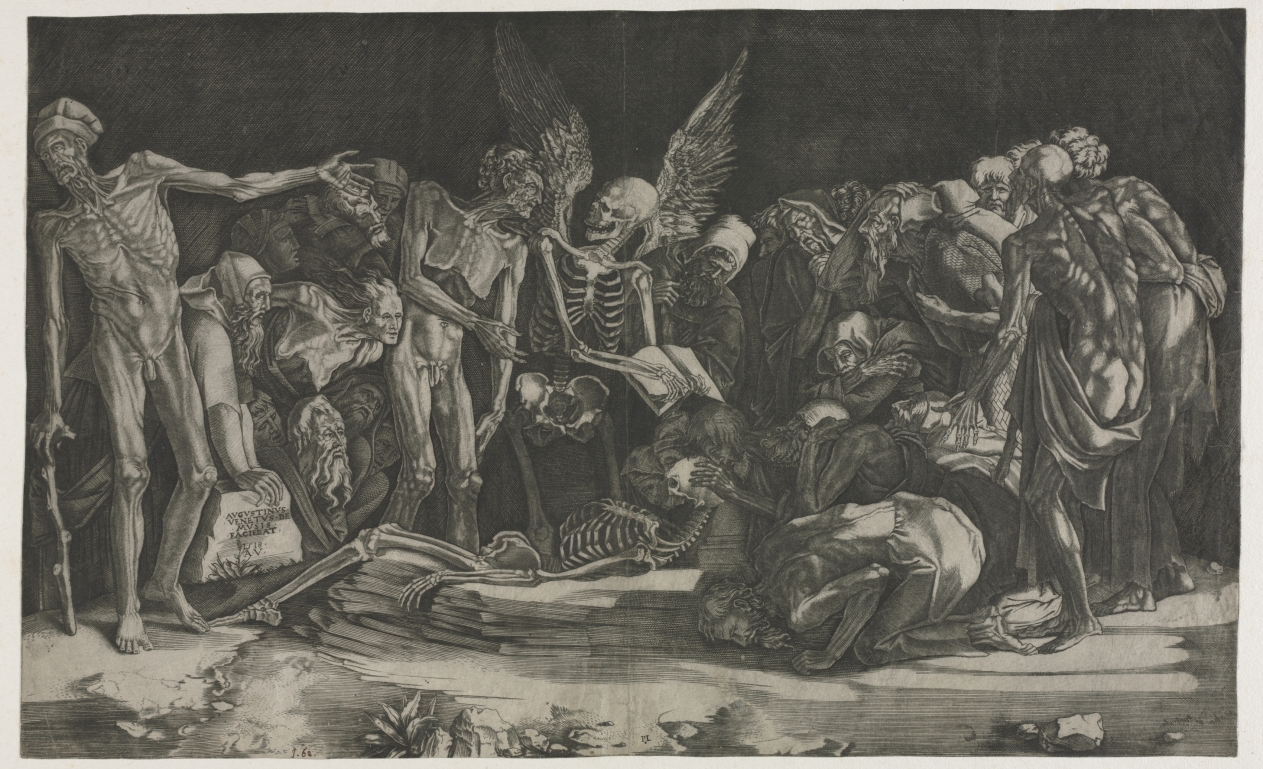 Agostino Veneziano (Italian, 1490–1540) — Skeletons, also kn
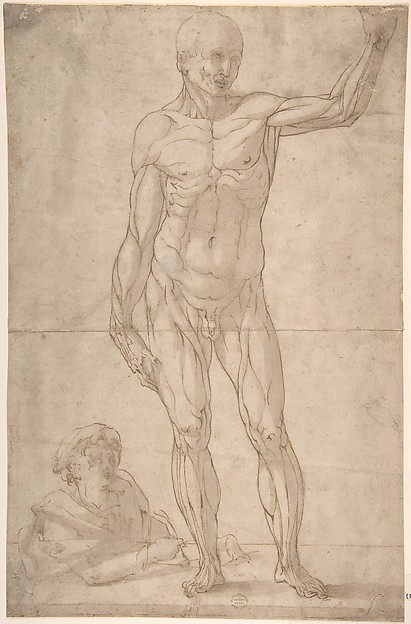 Anonymous, Italian, 16th to early 17th century — Study of An
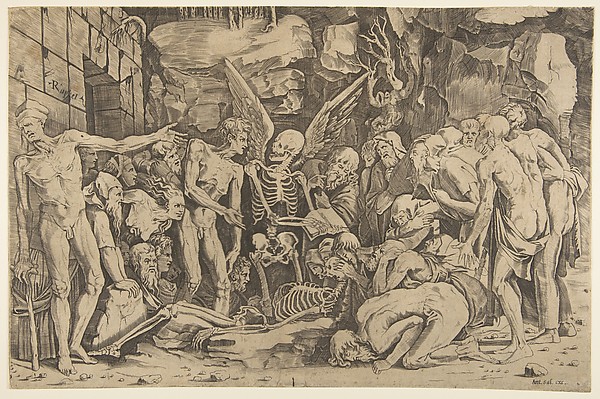 Marco Dente|Baccio Bandinelli|Antonio Salamanca — The Skelet
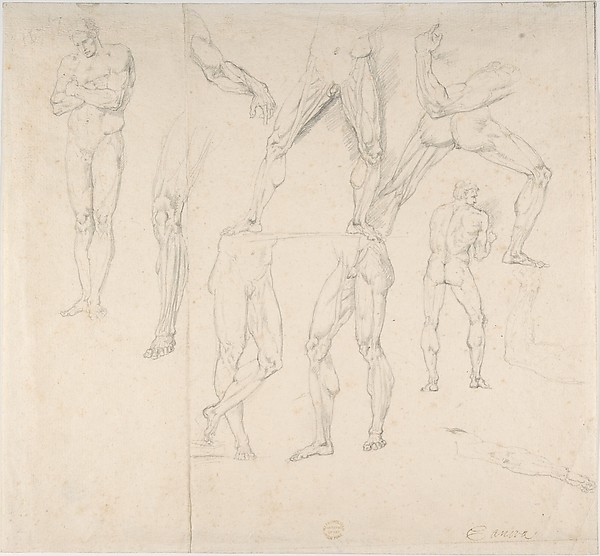 Antonio Canova|Anonymous, Italian, early 19th century — Nude
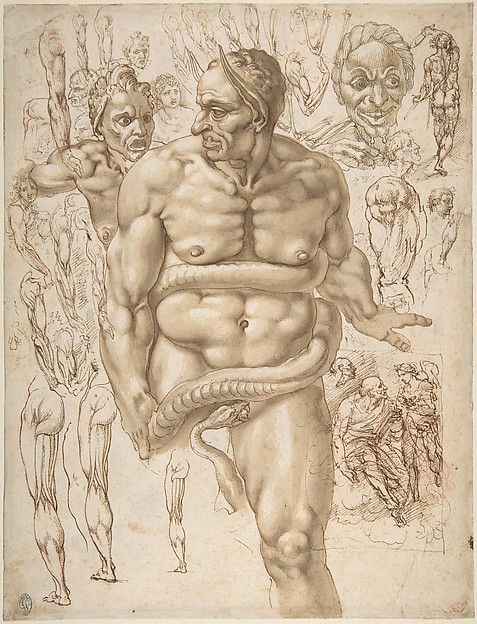 Giovanni Ambrogio Figino — Nude Demon Encircled by a Serpent
 Marco Dente|Baccio Bandinelli — The Skeletons, a group of em
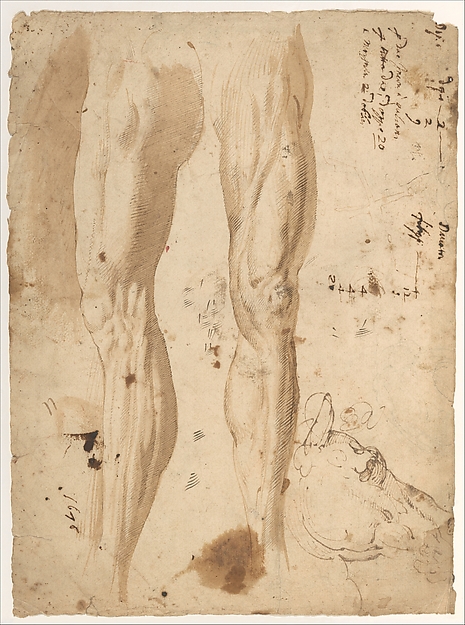 Central Italian — Studies of the Leg of a Man and a Horse's
 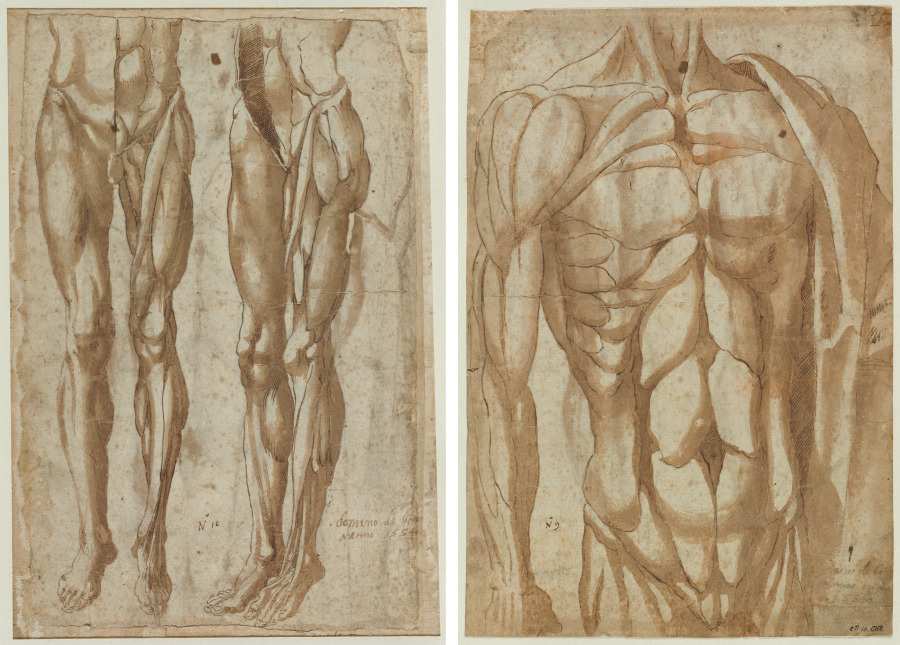 Bartolommeo da Arezzo (Italian, active about 1550–80) — Two
 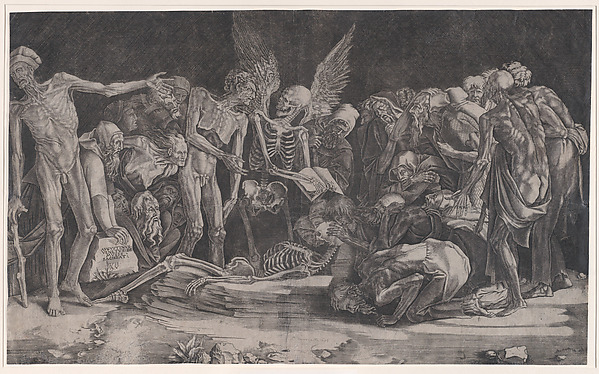 Agostino Veneziano (Agostino dei Musi)|Rosso Fiorentino — Sk
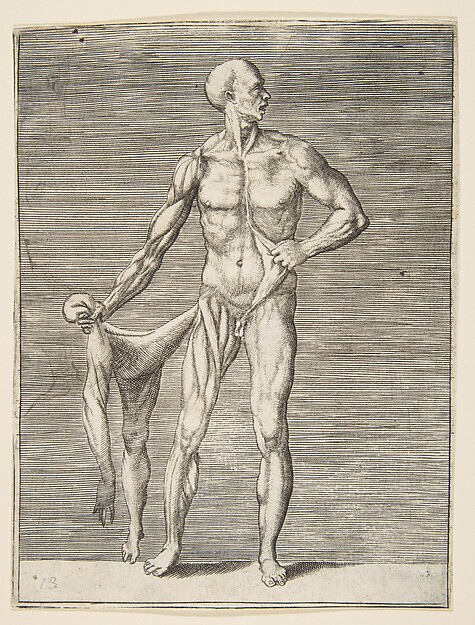 Giulio Bonasone — Man seen from the Front, holding the Skin
 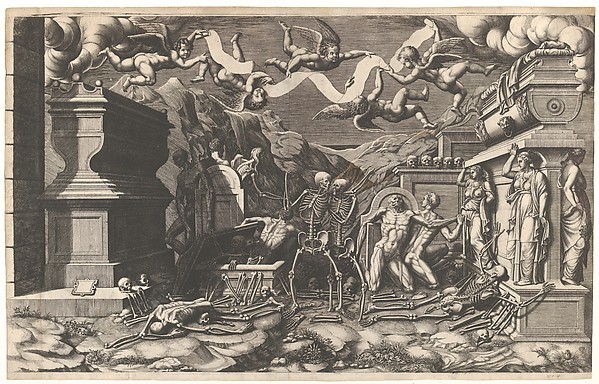 Giorgio Ghisi|Giovanni Battista Bertano — The Vision of Ezek