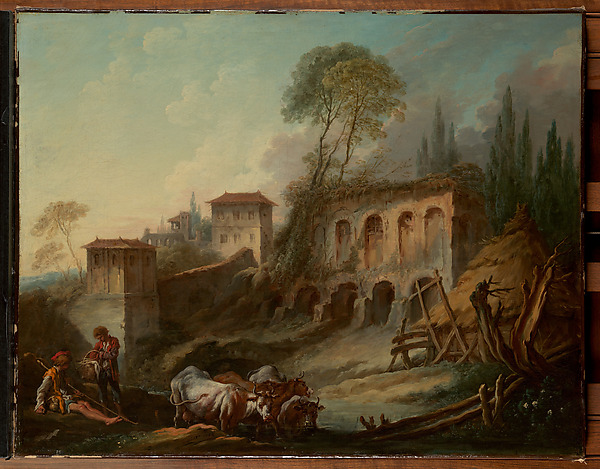
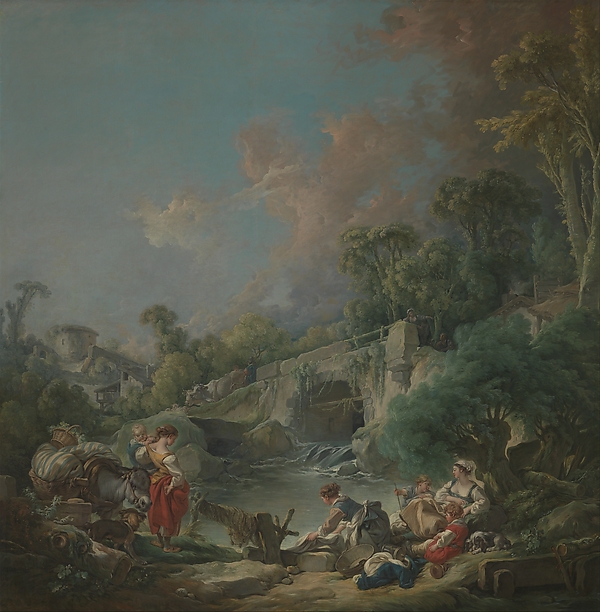
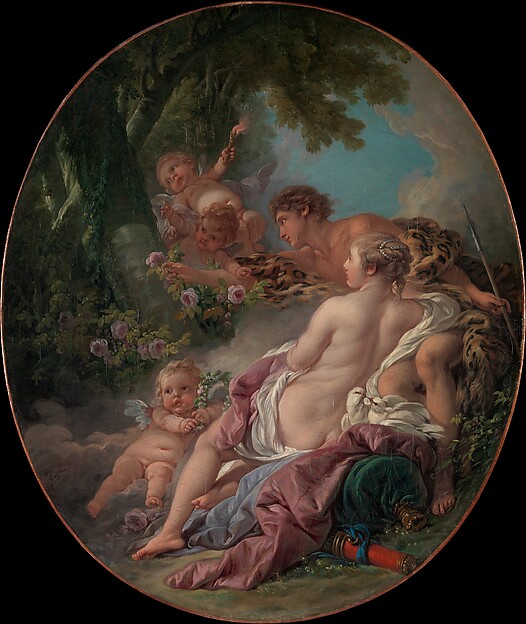
In the collection of The Metropolitan Museum of Art, New York — check current display status with the museum.
Be the first to share your thoughts.
Sign in to join the discussion.
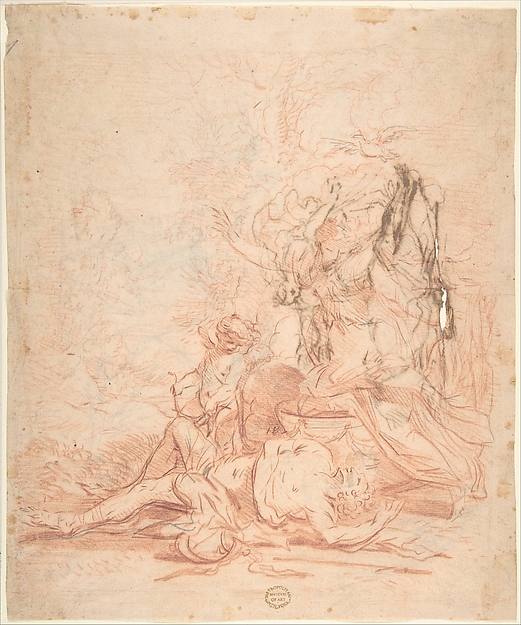 Anonymous, Italian, Roman-Bolognese, 17th century — Venus an
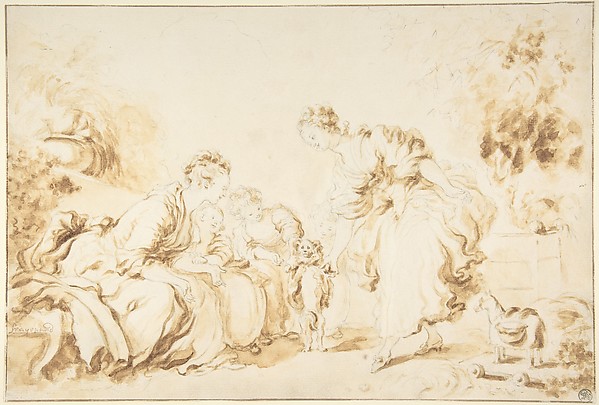 Jean Honoré Fragonard — The Education of a Dog
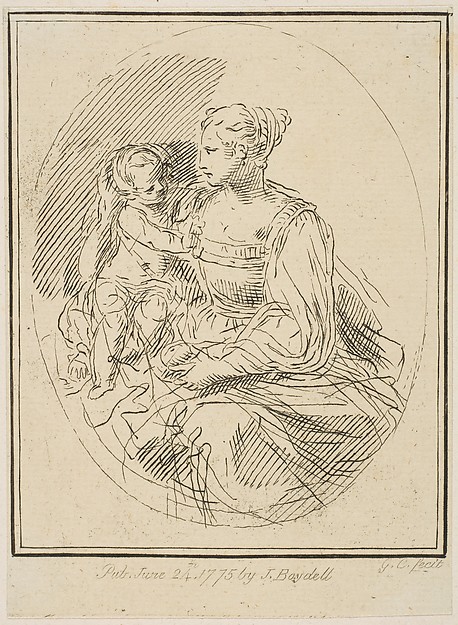 Simone Cantarini|John Boydell — Virgin and Child
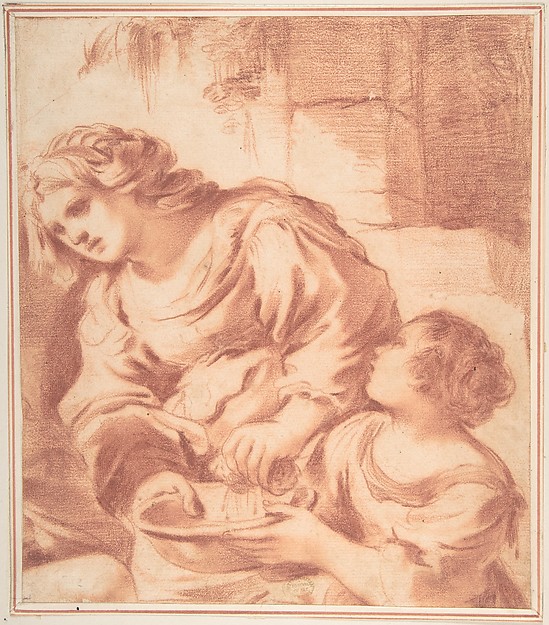 Guercino (Giovanni Francesco Barbieri) — Woman Soaking a Clo
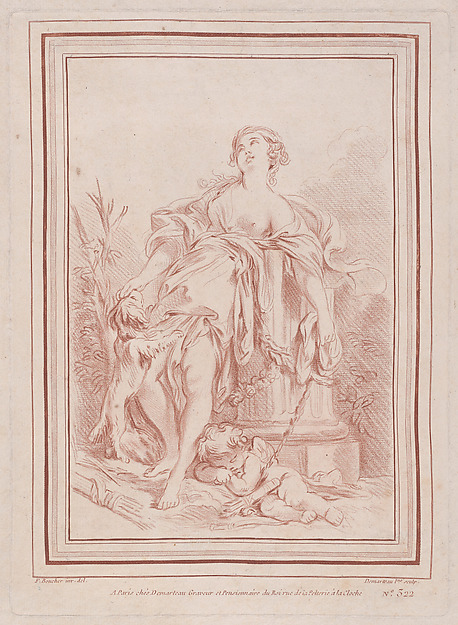 Gilles Demarteau|François Boucher — L'Amour enchaîné par l'A
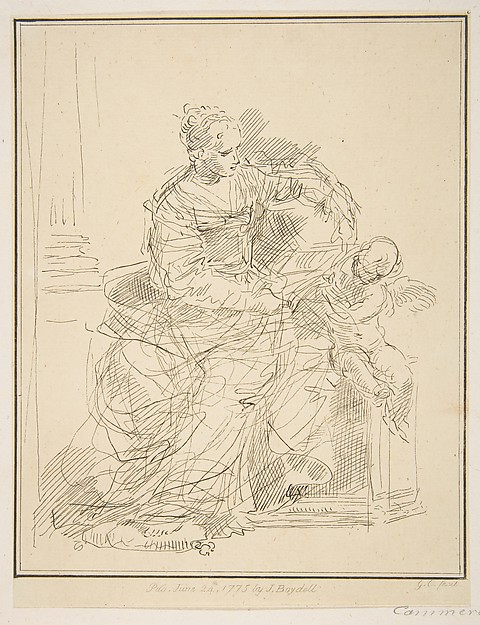 Simone Cantarini|John Boydell — Seated woman with a putto
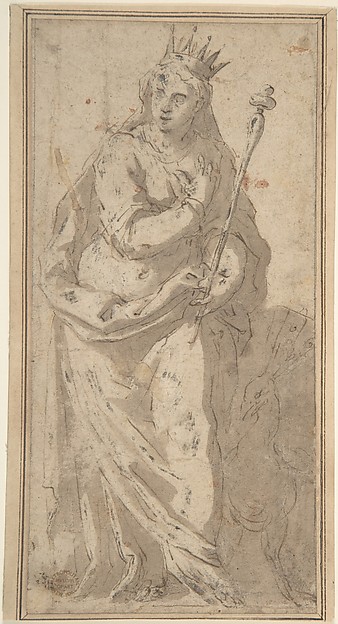 Anonymous, Italian, Roman, 16th century|Jacopo Palma the You
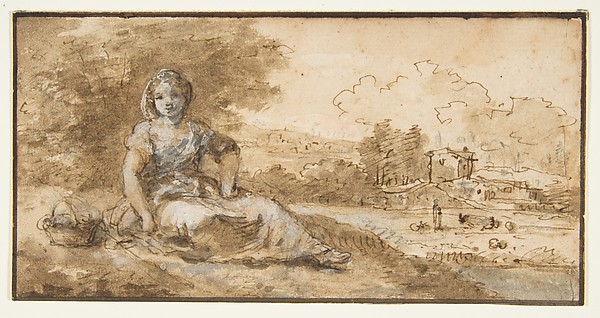 Francesco Zuccarelli — Seated Girl in a Landscape
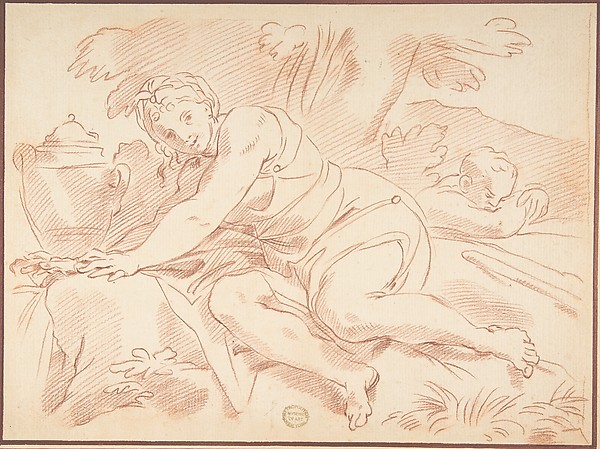 Anonymous, Italian, Roman-Bolognese, 17th century — Nymph an
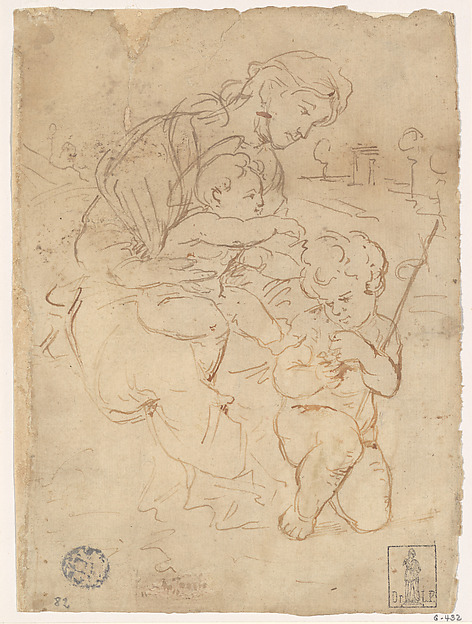 Italy, In the manner of Raphael — Madonna and Child with the
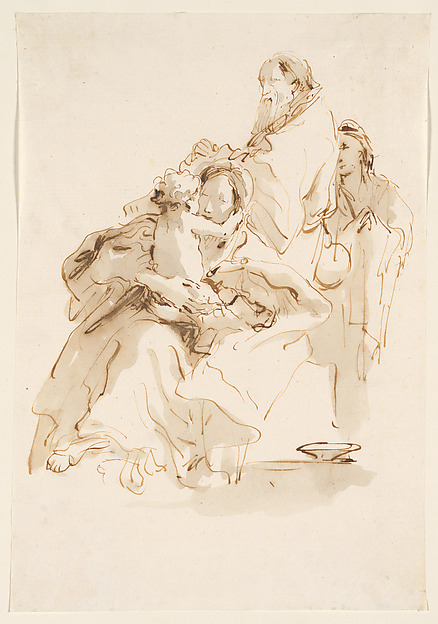 Giovanni Battista Tiepolo — The Holy Family with Saint John
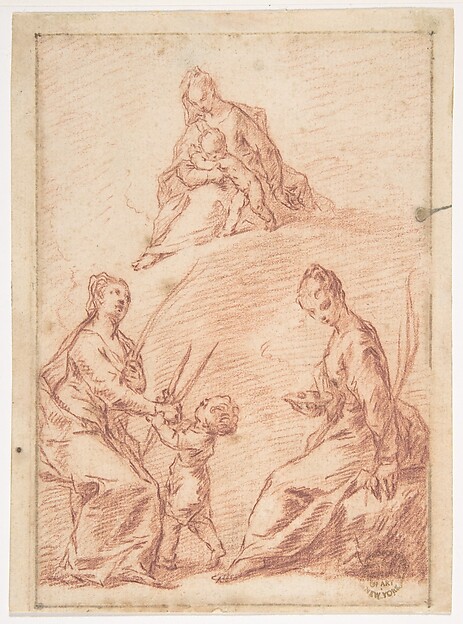 Nicola Grassi — The Virgin and Child Appearing to Saint Agat