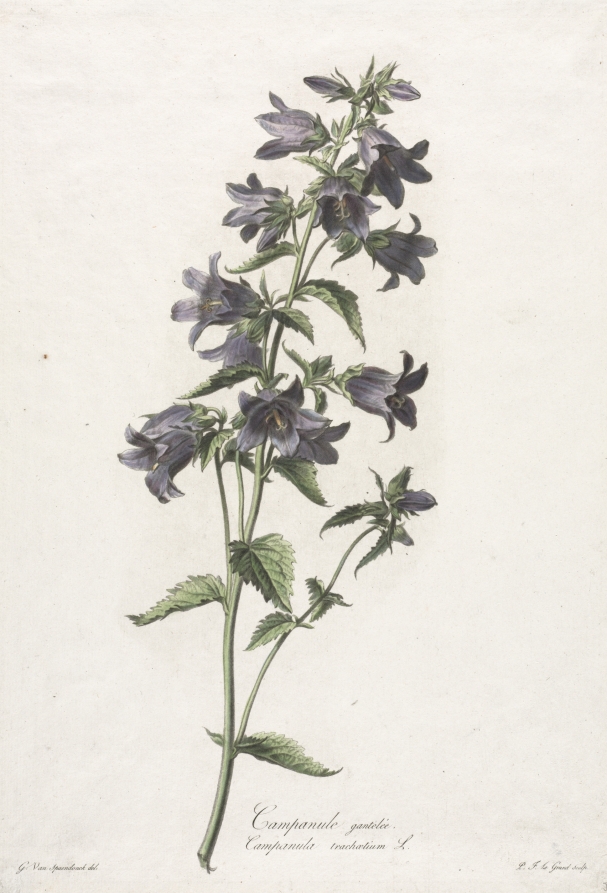
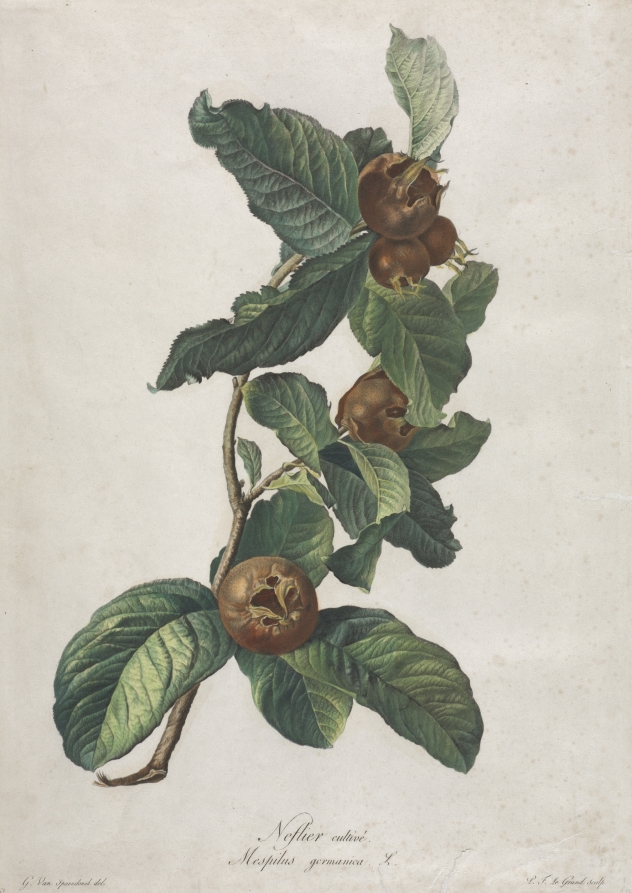
In the collection of Cleveland Museum of Art, Cleveland — check current display status with the museum.
FROM THE CLEVELAND MUSEUM OF ART’S CATALOG
The brown and blue-green inks were printed à la poupée. Instead of making a plate for each color, a single plate is selectively inked in different colors using stumps of rags, known as dolls ( poupée in French), so that the complete design is printed at one time . Since this process is laborious, the plate was most often colored by hand with watercolor, like the right-hand impression. The printed color, however, creates a more beautiful effect, because all of the subtleties of the shading are evident. In comparison, the watercolor camouflages some of the finest detail.
Be the first to share your thoughts.
Sign in to join the discussion.
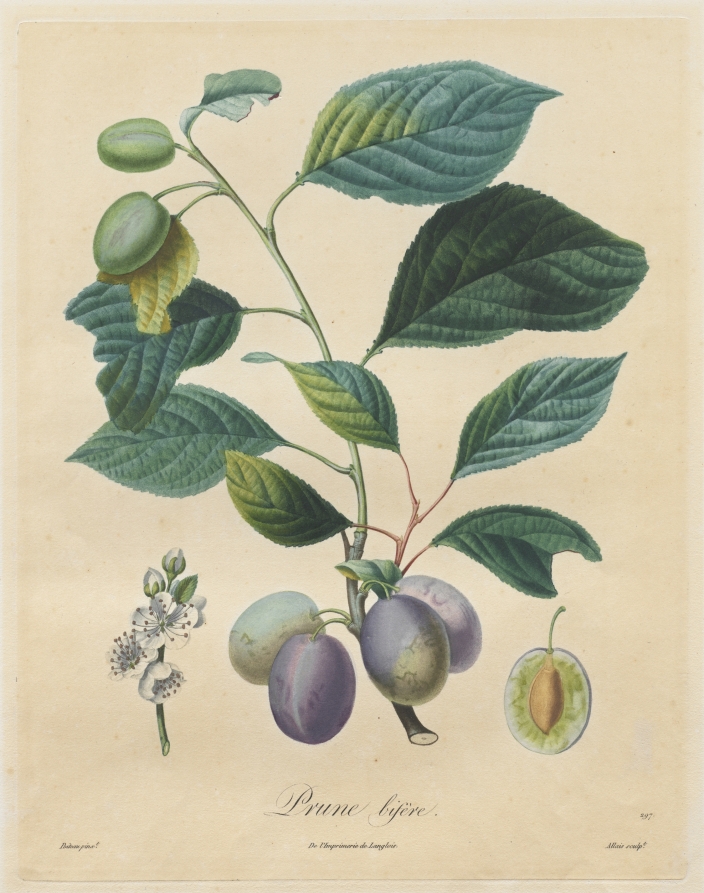 Henri Louis Duhamel du Monceau (French, 1700–1782) — Traité
 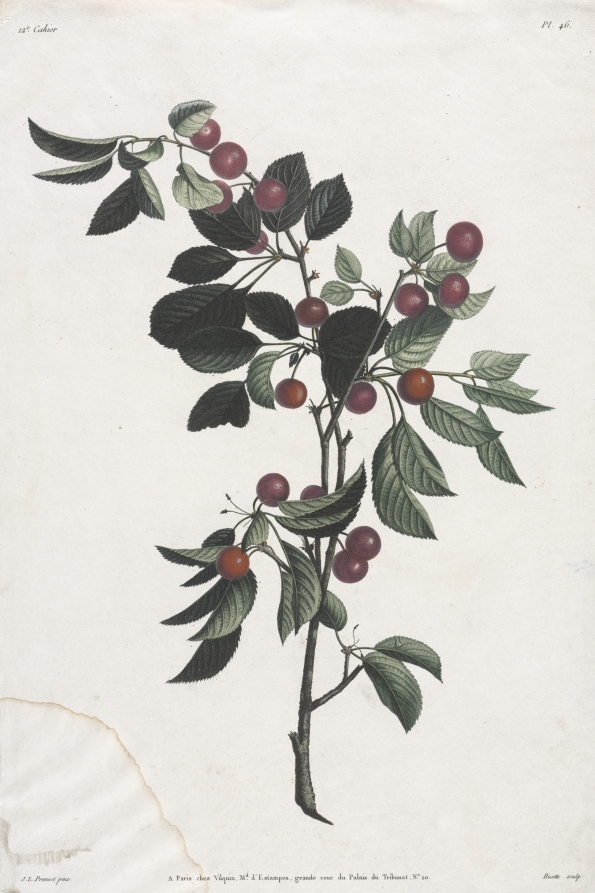 Jean Louis Prévost — Collection des fleurs et des fruits: B
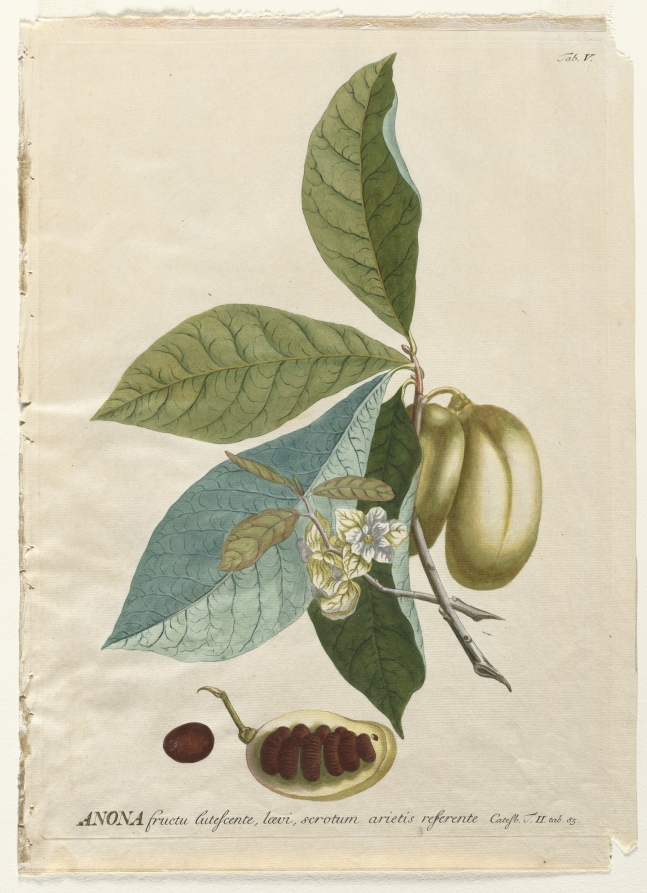 Georg Dionysius Ehret (German, 1708–1770) — Plantae Selectae
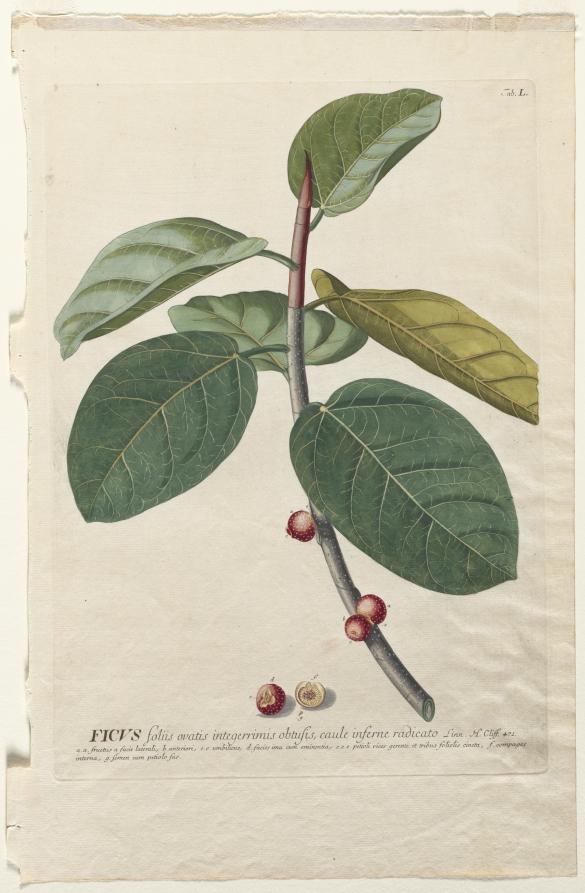 Georg Dionysius Ehret (German, 1708–1770) — Plantae Selectae
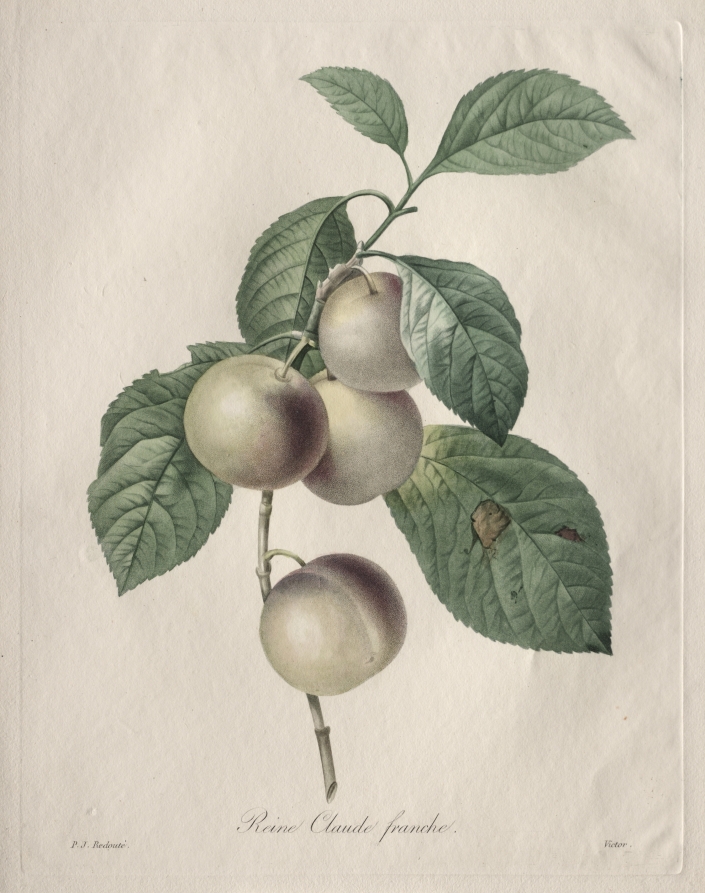 Henri Joseph Redouté (French, 1766–1853) — Reine Claude Plum
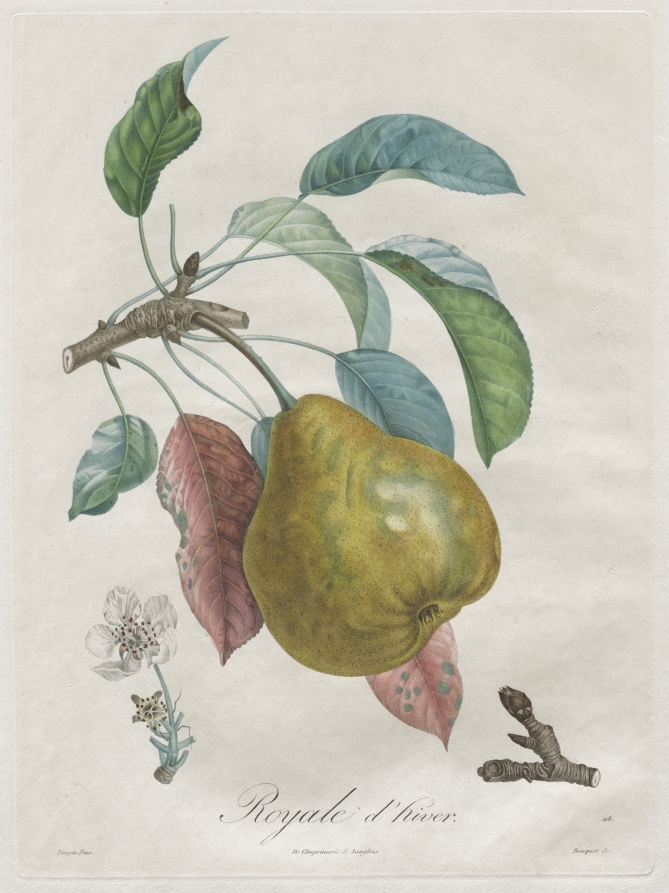 Henri Louis Duhamel du Monceau (French, 1700–1782) — Traité
 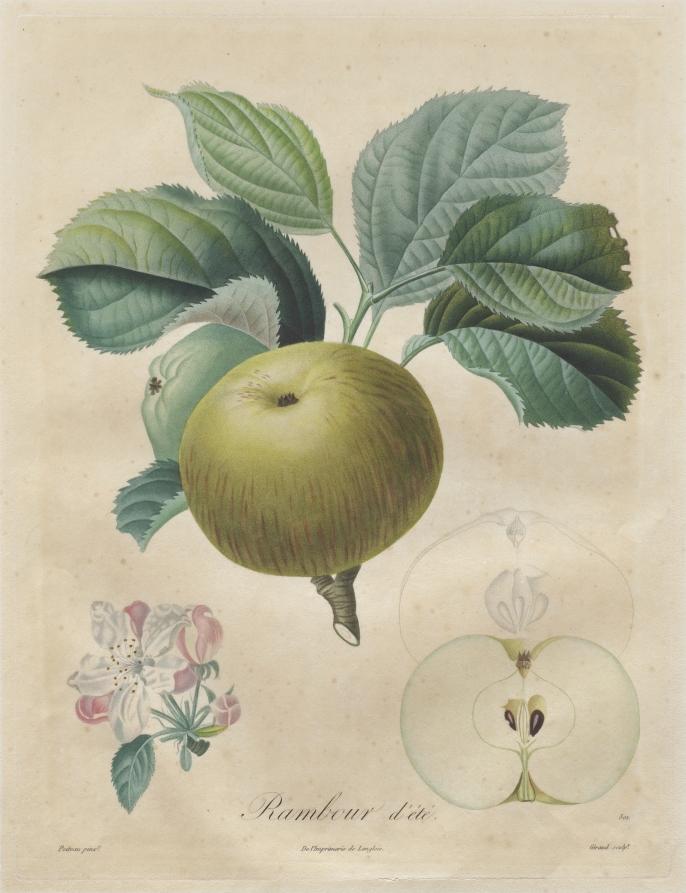 Henri Louis Duhamel du Monceau (French, 1700–1782) — Traité
 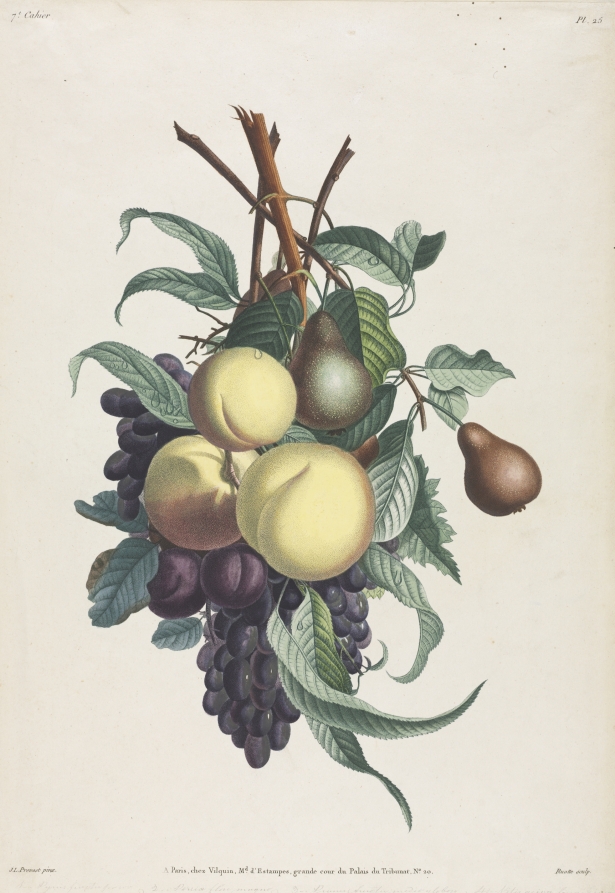 Jean Louis Prévost — Collection des fleurs et des fruits: B
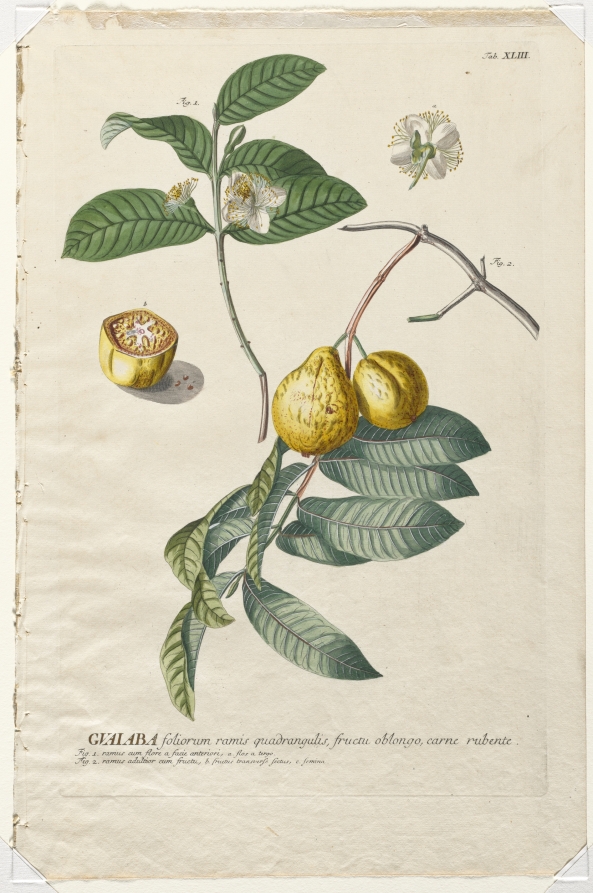 Georg Dionysius Ehret (German, 1708–1770) — Plantae Selectae
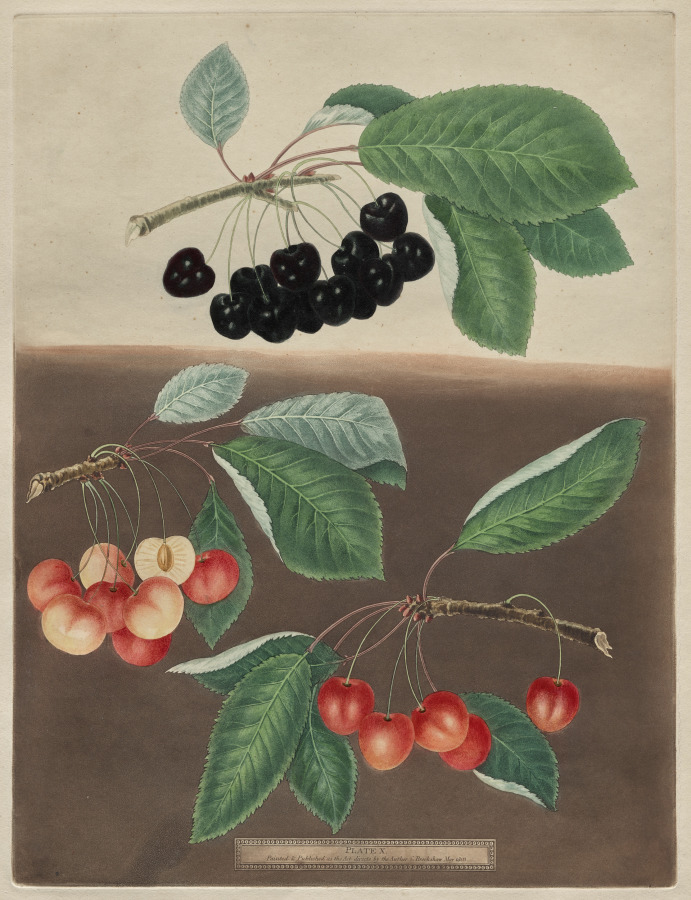 George Brookshaw (British, 1751–1823) — Pomona Britannica: N
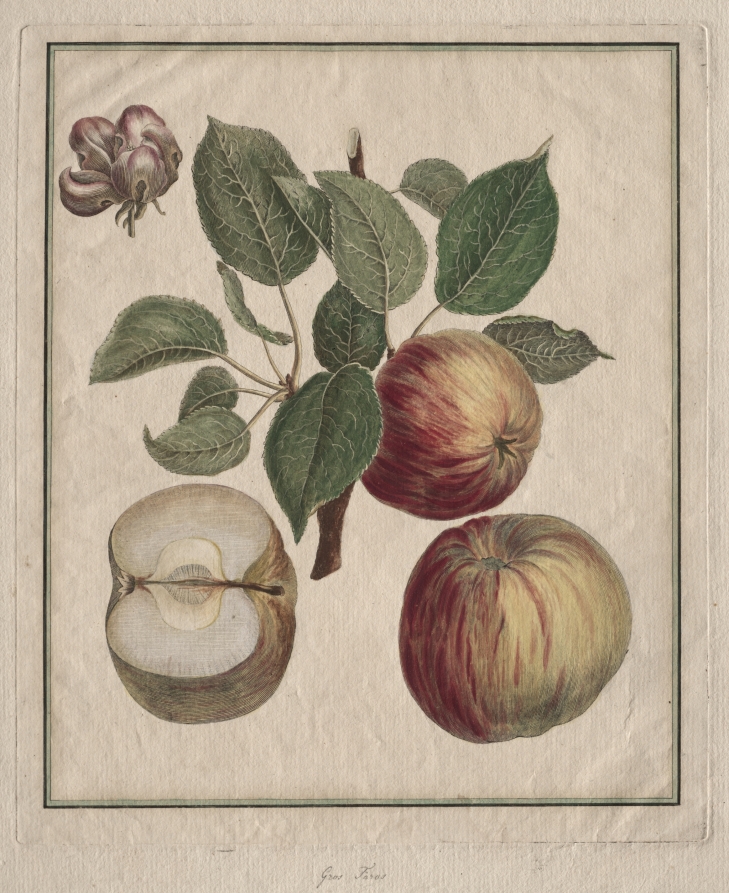 Henri Louis Duhamel du Monceau (French, 1700–1782) — Apple w
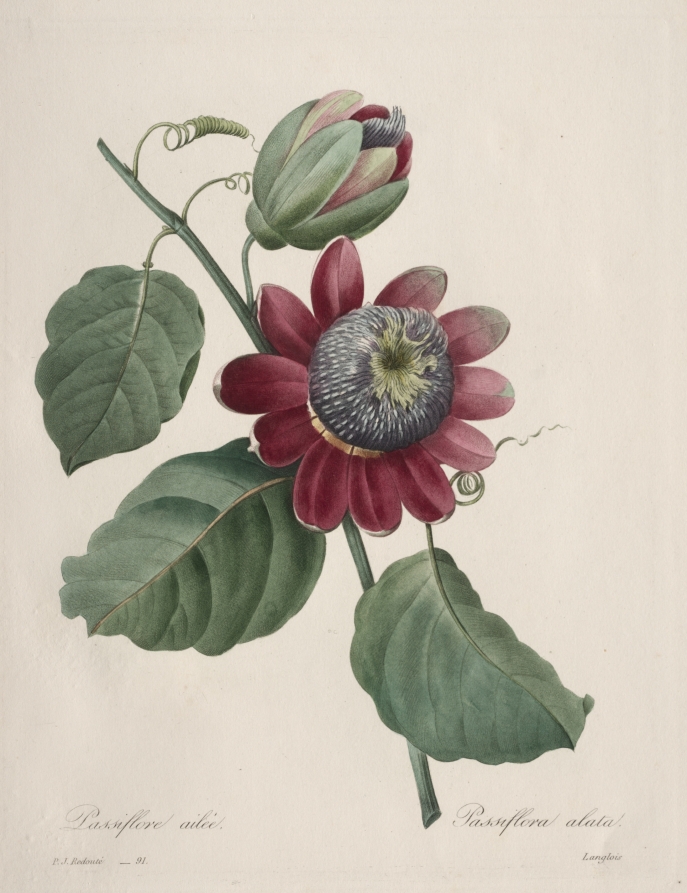 Henri Joseph Redouté (French, 1766–1853) — Choix des plus be