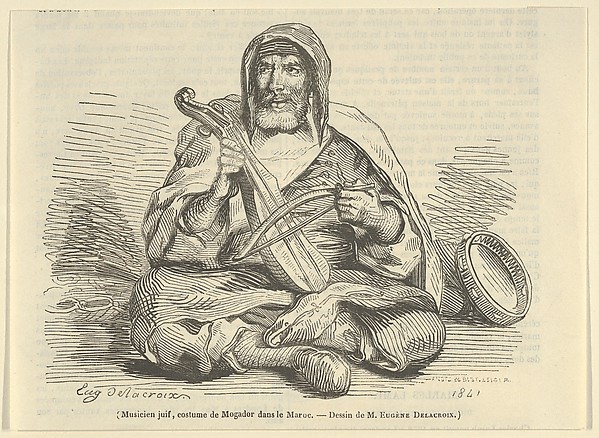
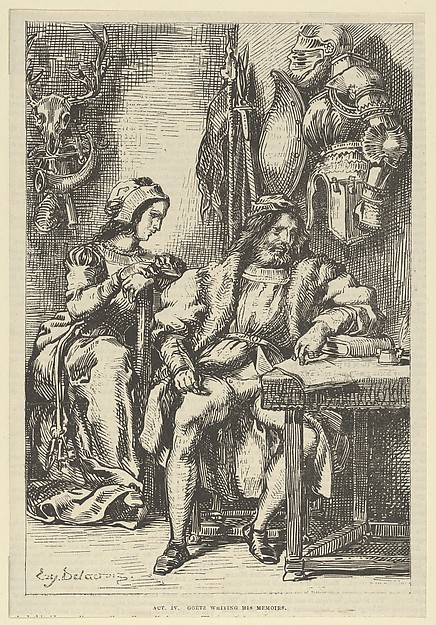
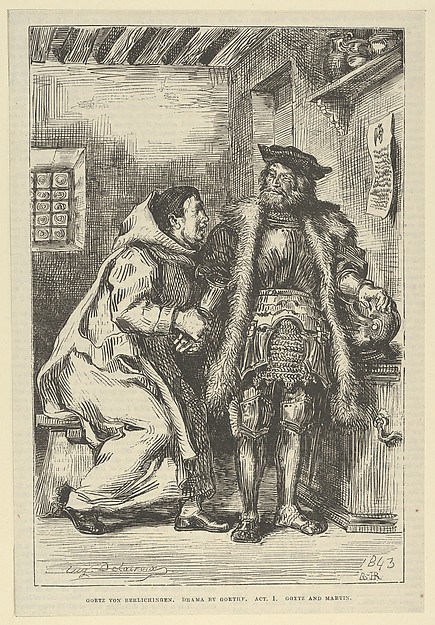
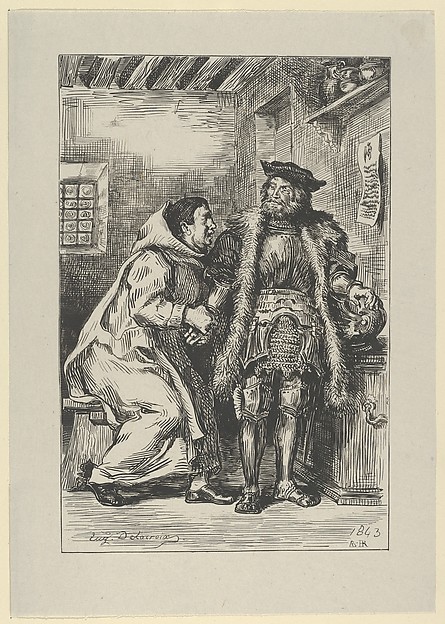
Eugène Delacroix|Andrew, Best, Leloir, Hotelin et Régnier
In the collection of The Metropolitan Museum of Art, New York — check current display status with the museum.
Be the first to share your thoughts.
Sign in to join the discussion.
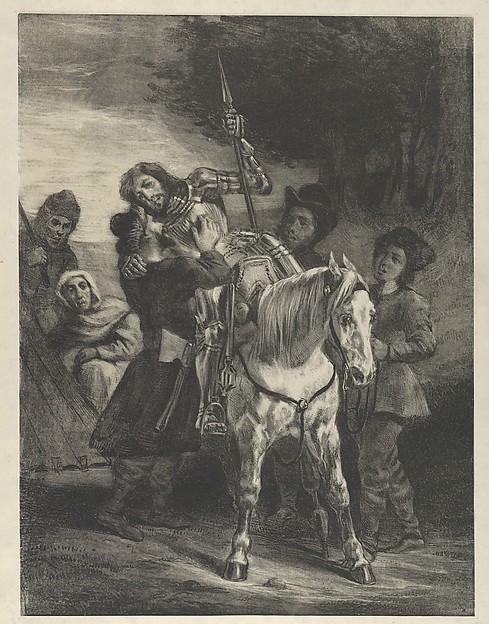 Eugène Delacroix — The Wounded Goetz Taken in by the Gypsies
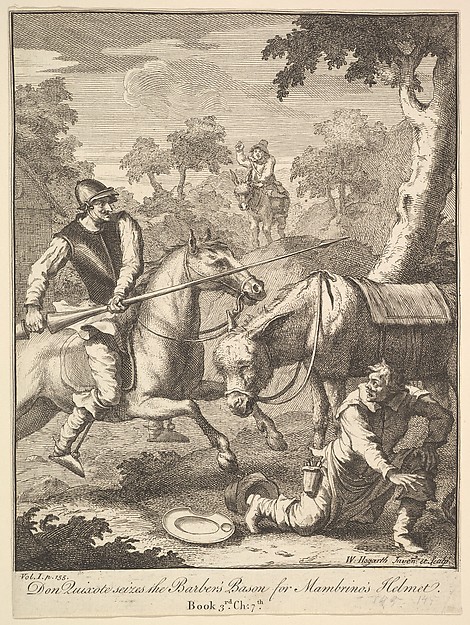 William Hogarth|Miguel de Cervantes Saavedra — The Adventure
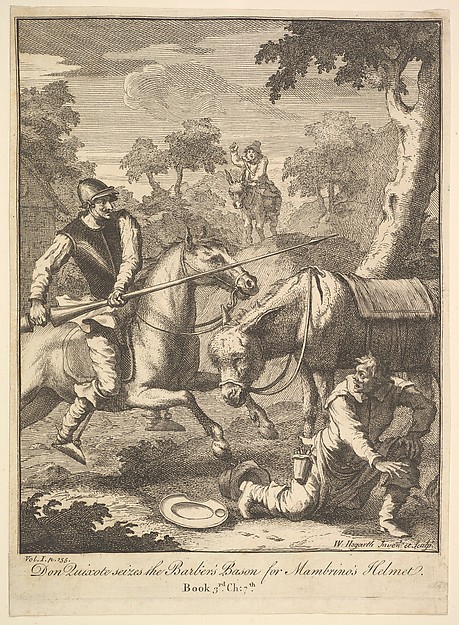 William Hogarth|Miguel de Cervantes Saavedra — The Adventure
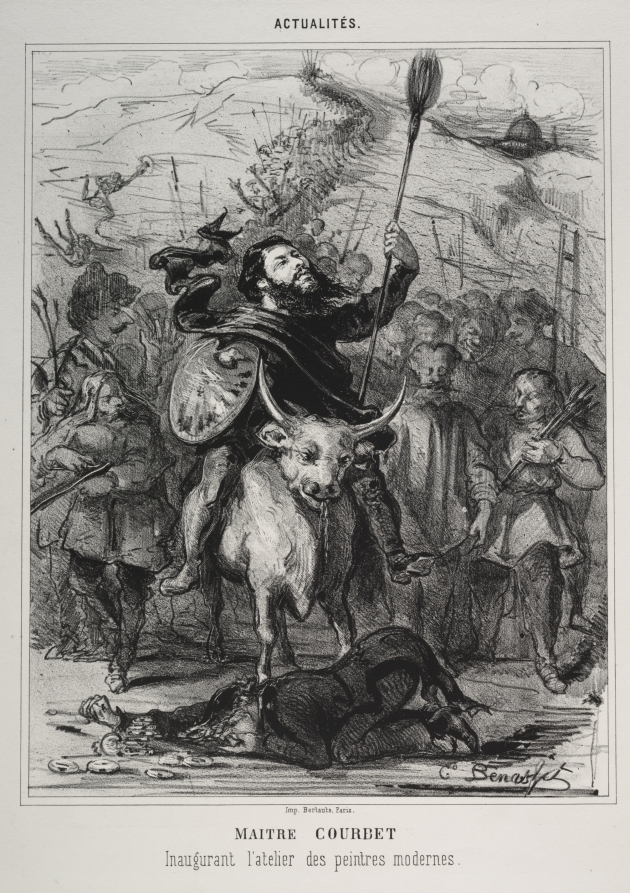 Émile Bénassit (French, 1833–1902) — Actualities: Master Co
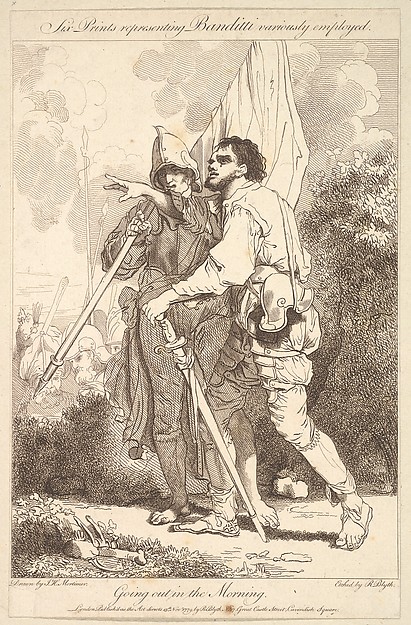 Robert Blyth|John Hamilton Mortimer — Going Out in the Morni
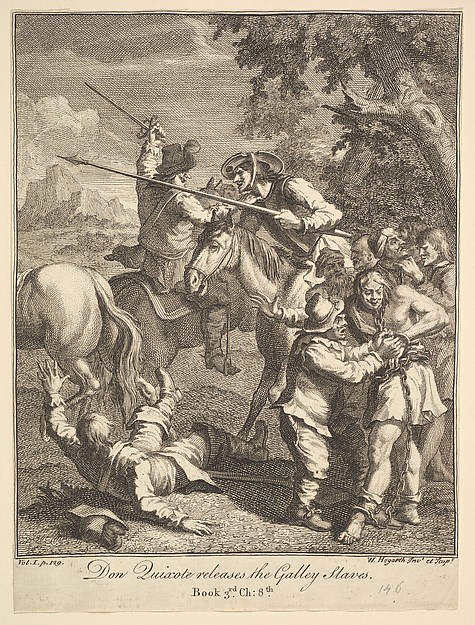 William Hogarth|Miguel de Cervantes Saavedra — Don Quixote r
 John Hamilton Mortimer|Robert Blyth — Going Out in the Morni
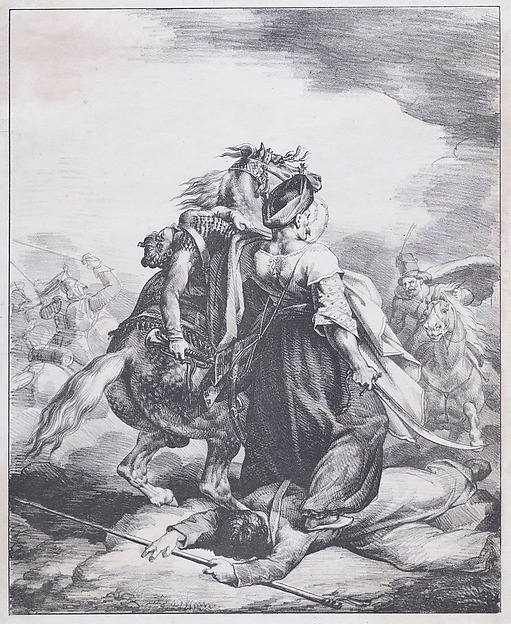 Théodore Gericault — Mamluk Defending a Wounded Trumpeter
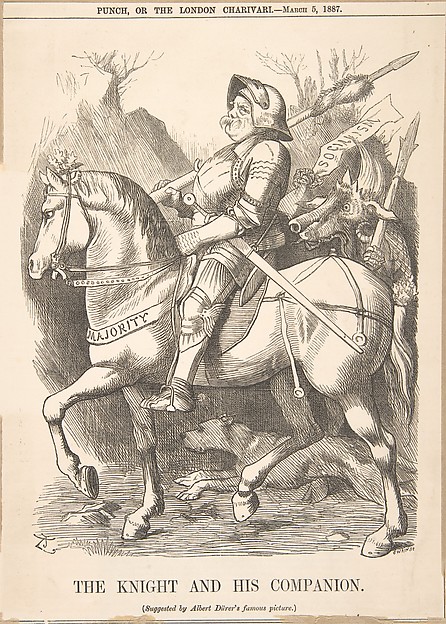 Sir John Tenniel — The Knight and His Companion (Punch, Marc
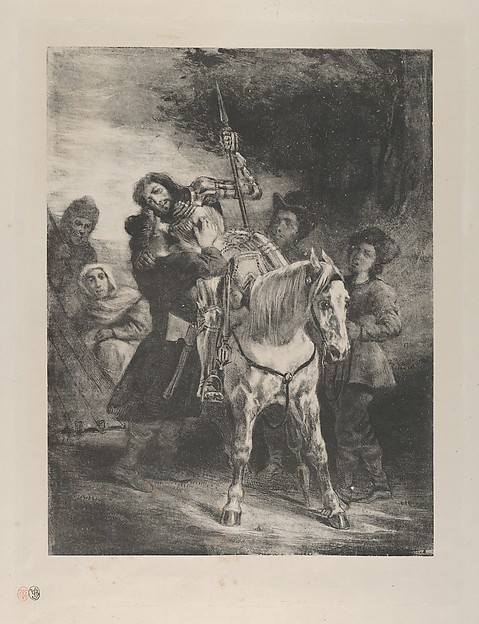 Eugène Delacroix — The Wounded Goetz Taken In by the Gypsies
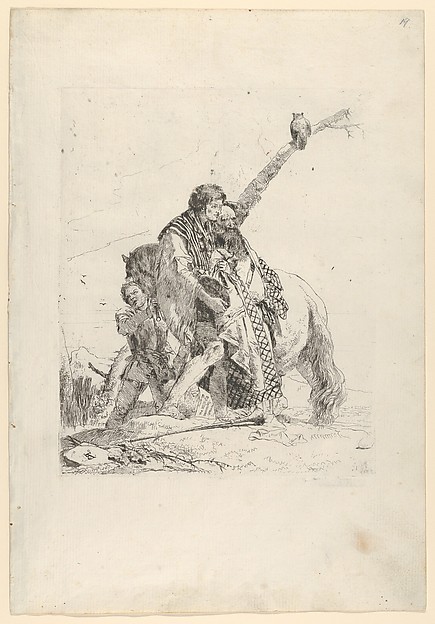 Giovanni Battista Tiepolo — Three Men standing beside a Hors
 Lucas Cranach the Elder — Knight on Horseback Riding Towards