In the collection of Cleveland Museum of Art, Cleveland — check current display status with the museum.
FROM THE CLEVELAND MUSEUM OF ART’S CATALOG
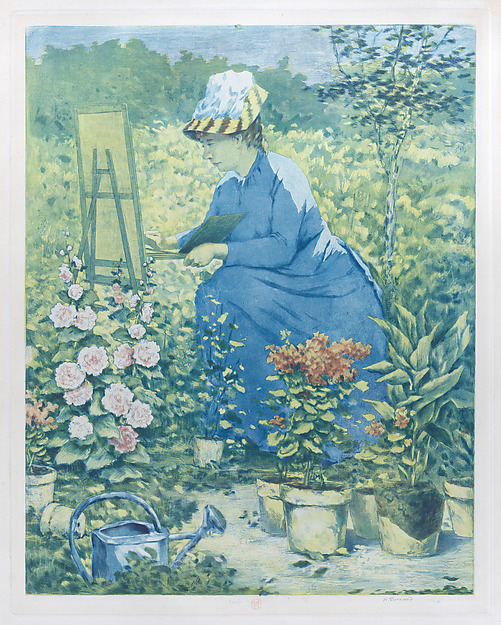
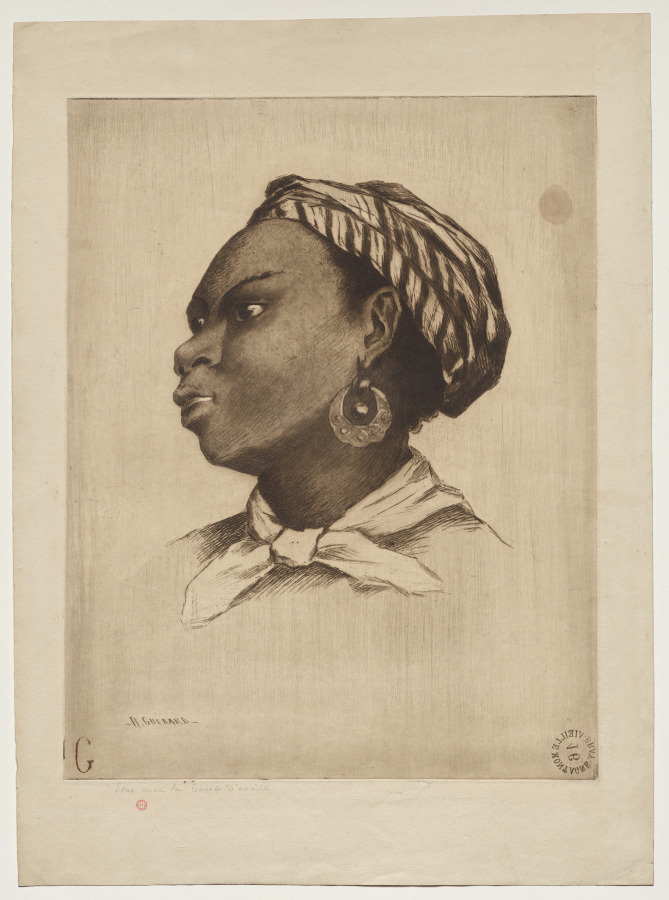
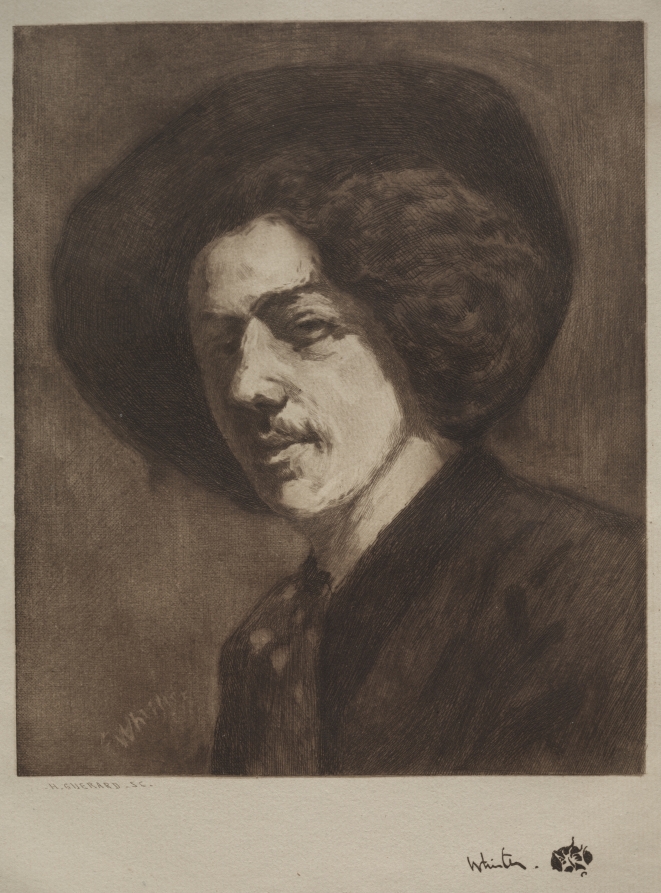
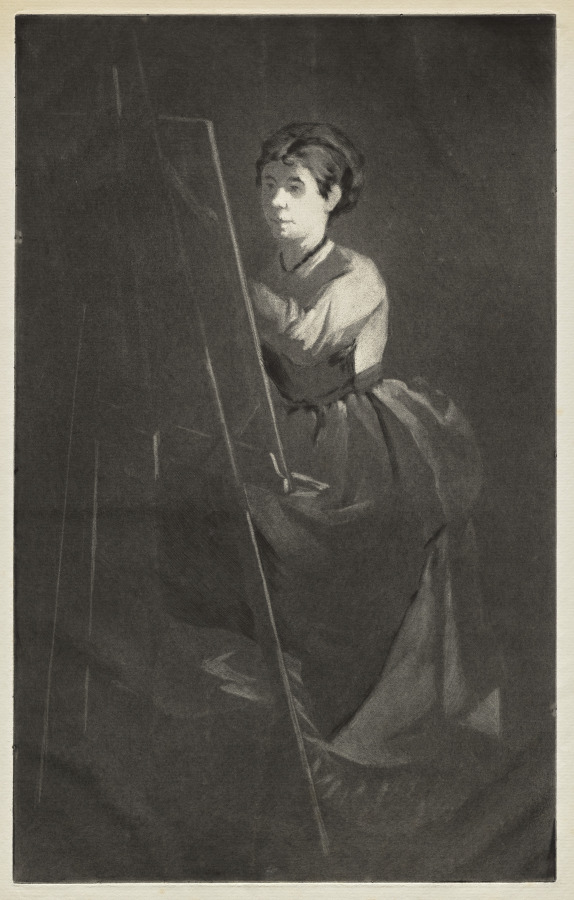
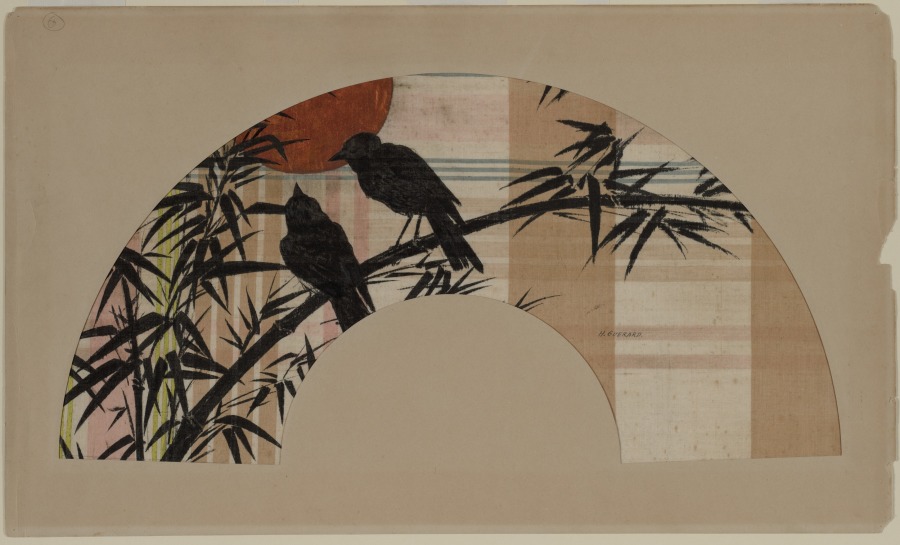
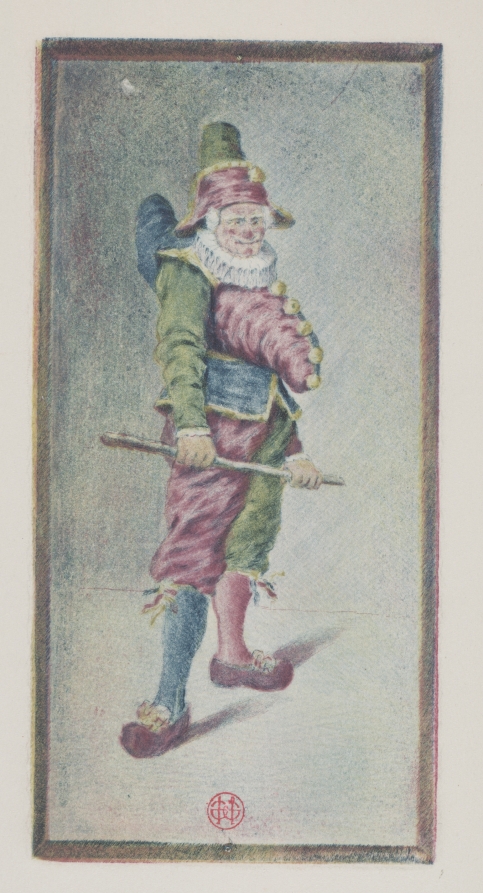
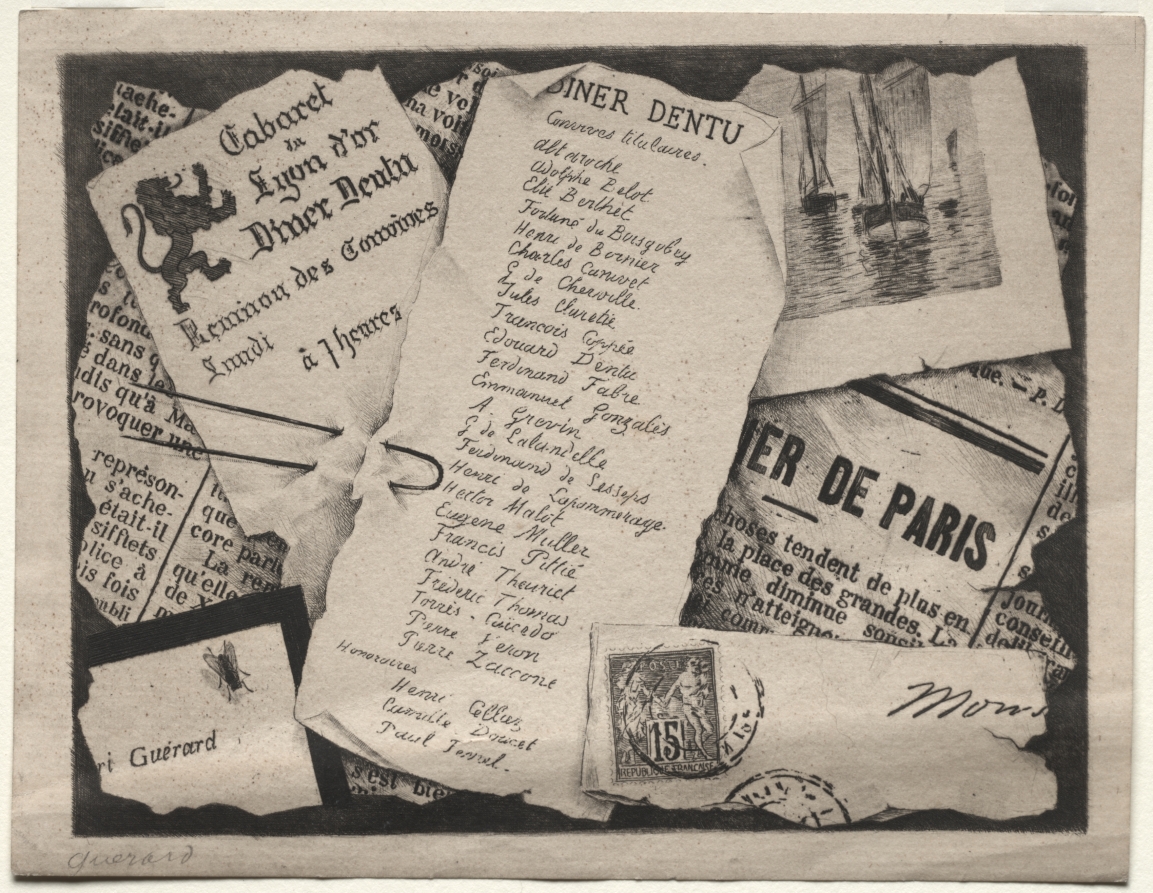
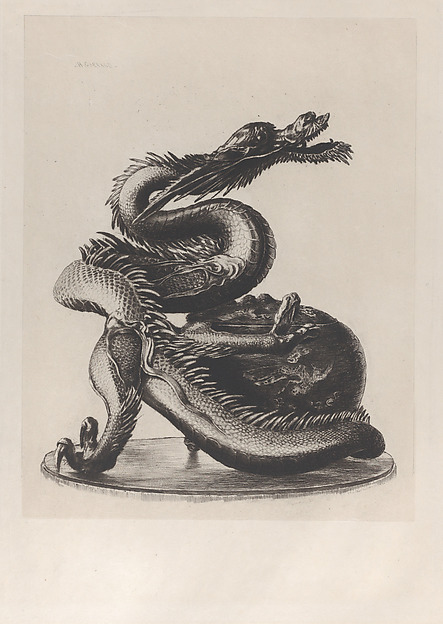
The 1890s in France was not only a decade that produced marvelous color lithographs but also beautiful color etchings. This renaissance of color intaglio prints was the result of many factors, including an interest in French 18th-century etchings—an earlier period of glorious color printmaking—and the popularity of Japanese color woodcuts, introduced in France in the 1860s. Around 1885 Guérard, an inventive artist, began to experiment with color etching. In Effect of Moon at Dieppe , he realized the glow of the lights around the harbor and their reflections in the water by burnishing away etched lines on the plate so that nothing printed in these areas. The highlights, therefore, are the unprinted white paper.
Be the first to share your thoughts.
Sign in to join the discussion.
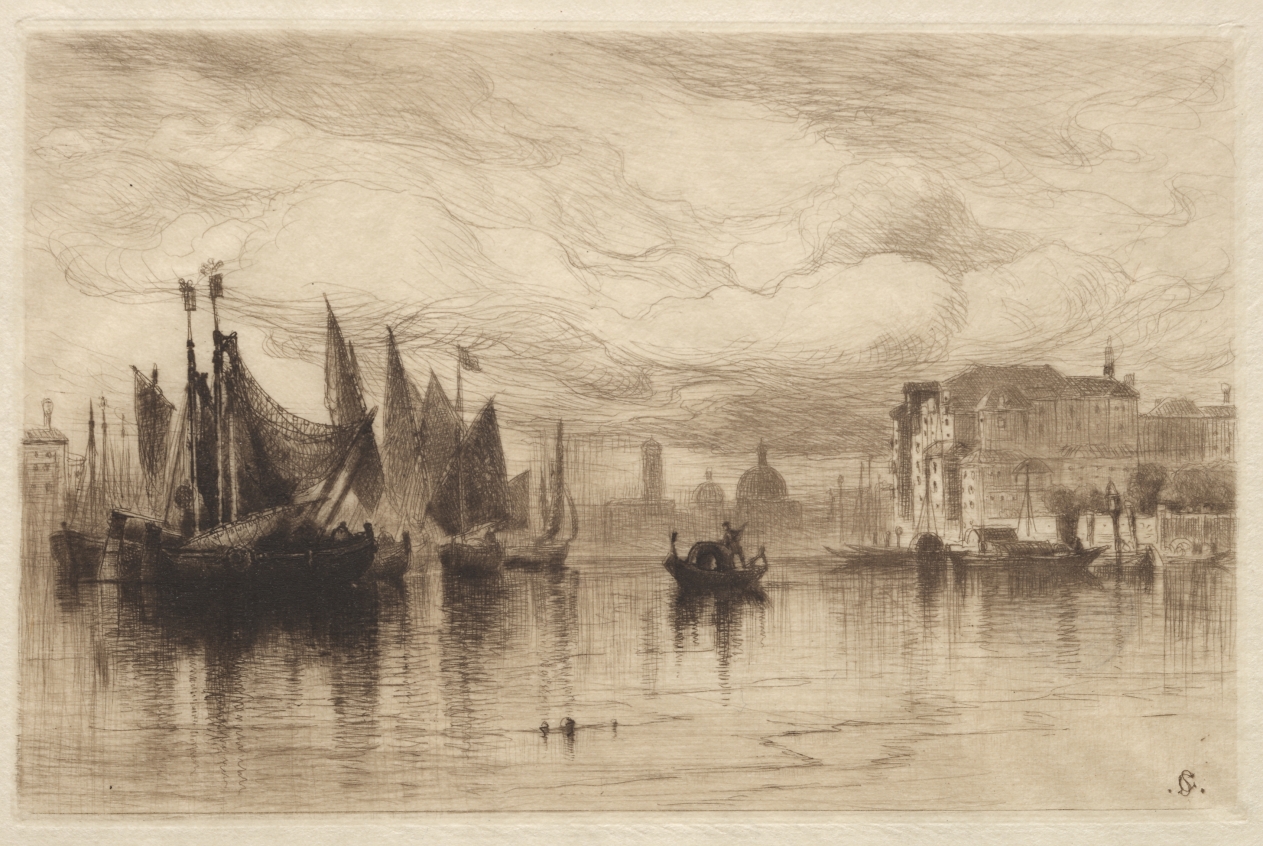 Samuel Colman (American, 1832–1920) — A Cloudy Day in Venice
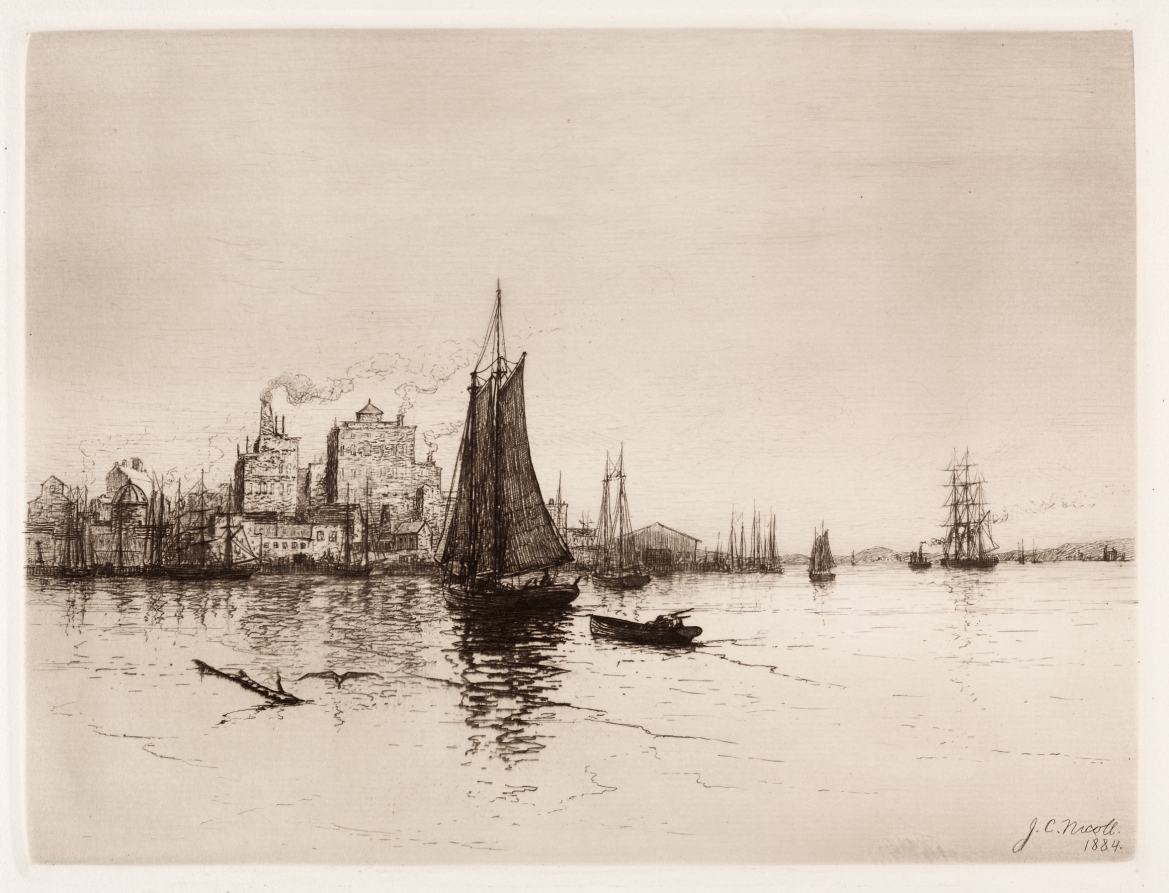 James Craig Nicoll (American, 1847–1918) — Harbor Scene
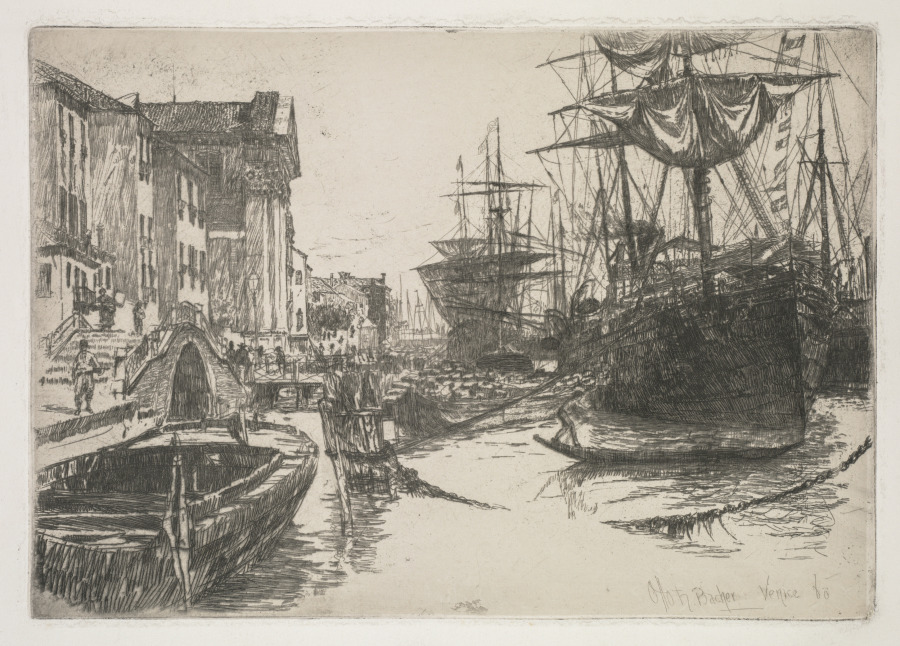 Otto H. Bacher (American, 1856–1909) — Fondamenta della Zatt
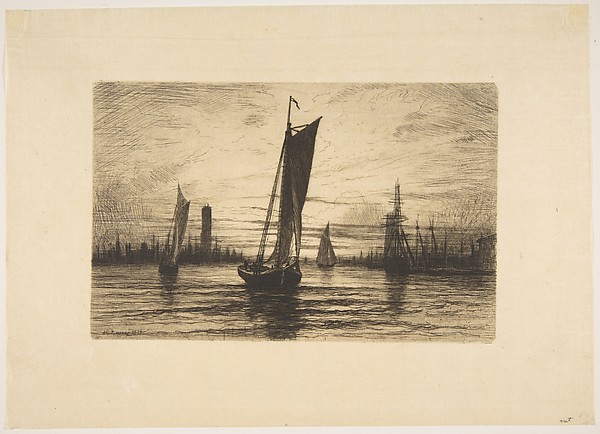 Henry Farrer — Sunset on the East River
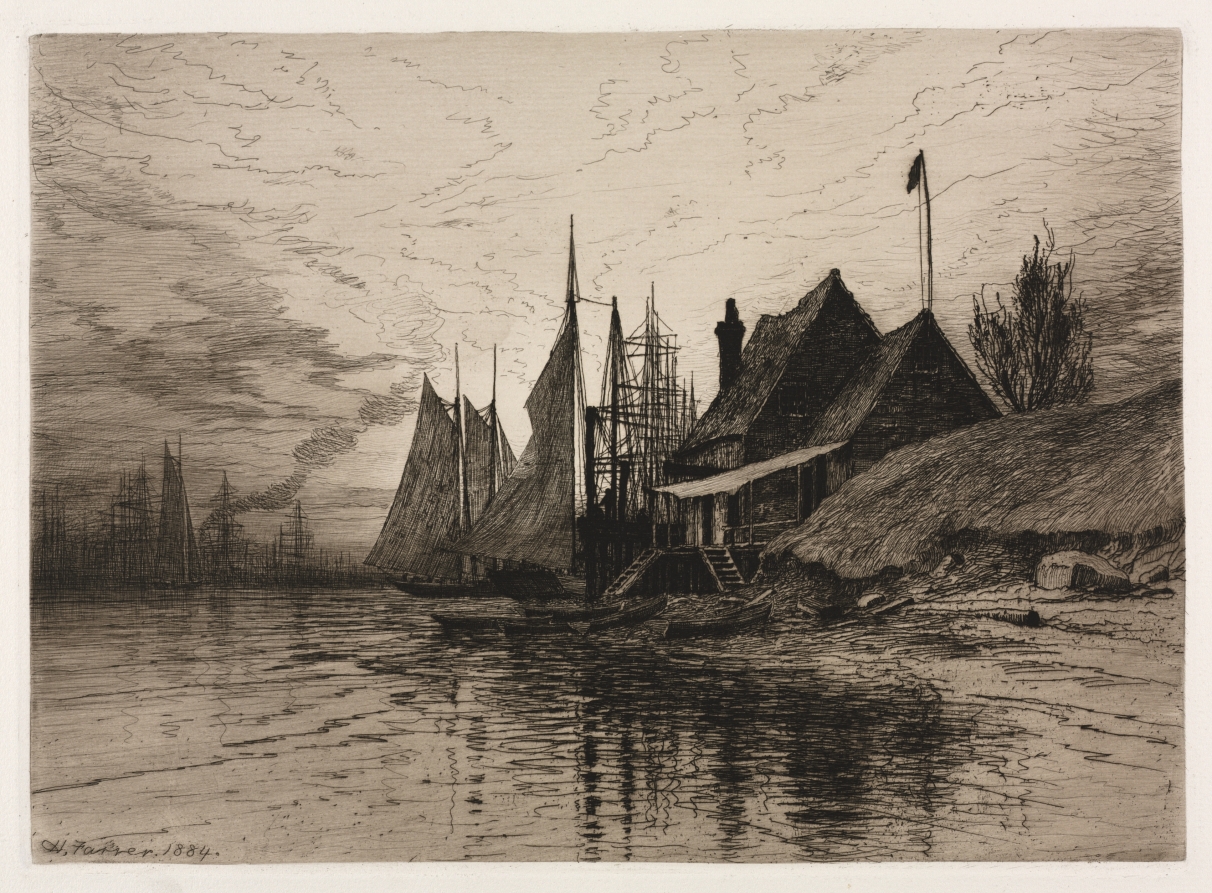 Henry Farrer (American, 1843–1903) — Evening, New York Harbo
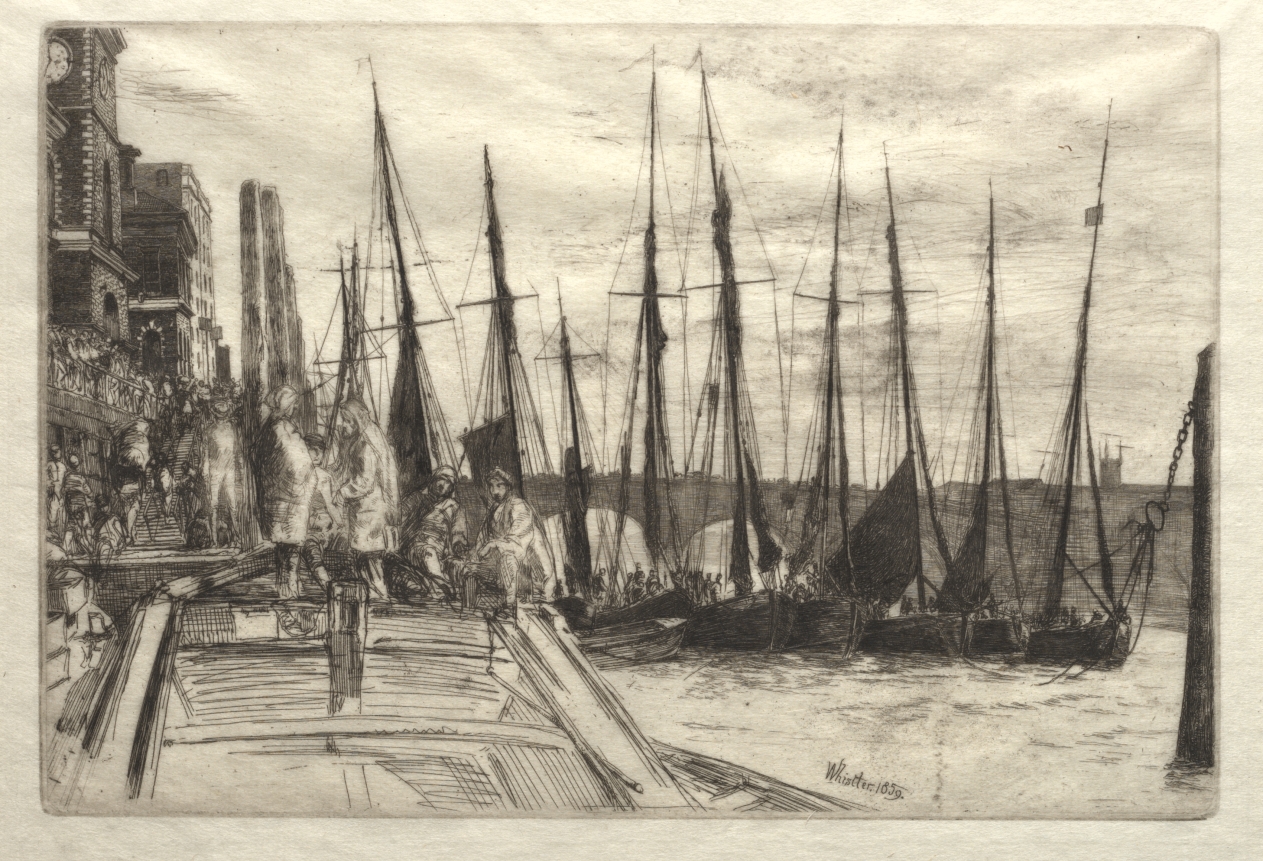 James McNeill Whistler (American, 1834–1903) — Billingsgate
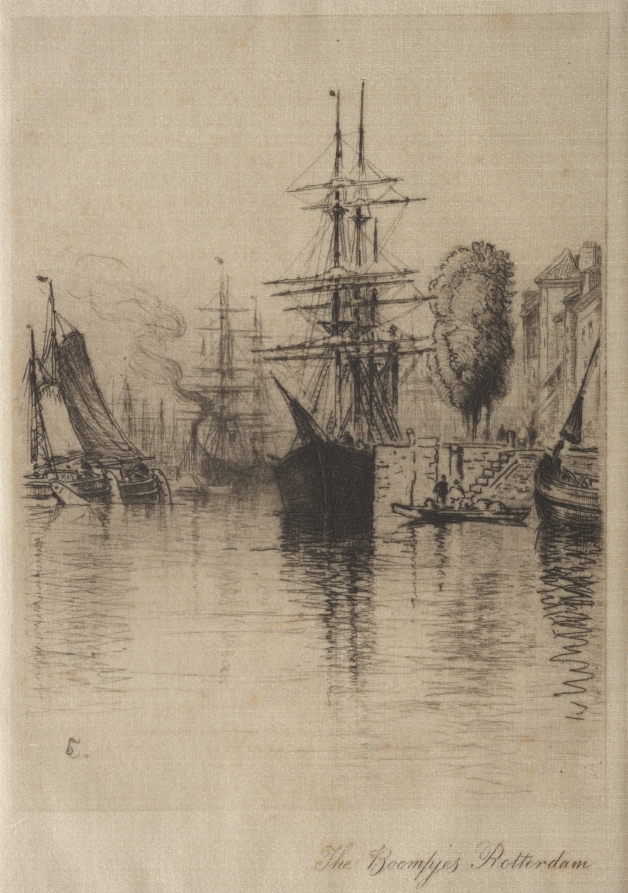 Samuel Colman (American, 1832–1920) — The Boompjes, Rotterda
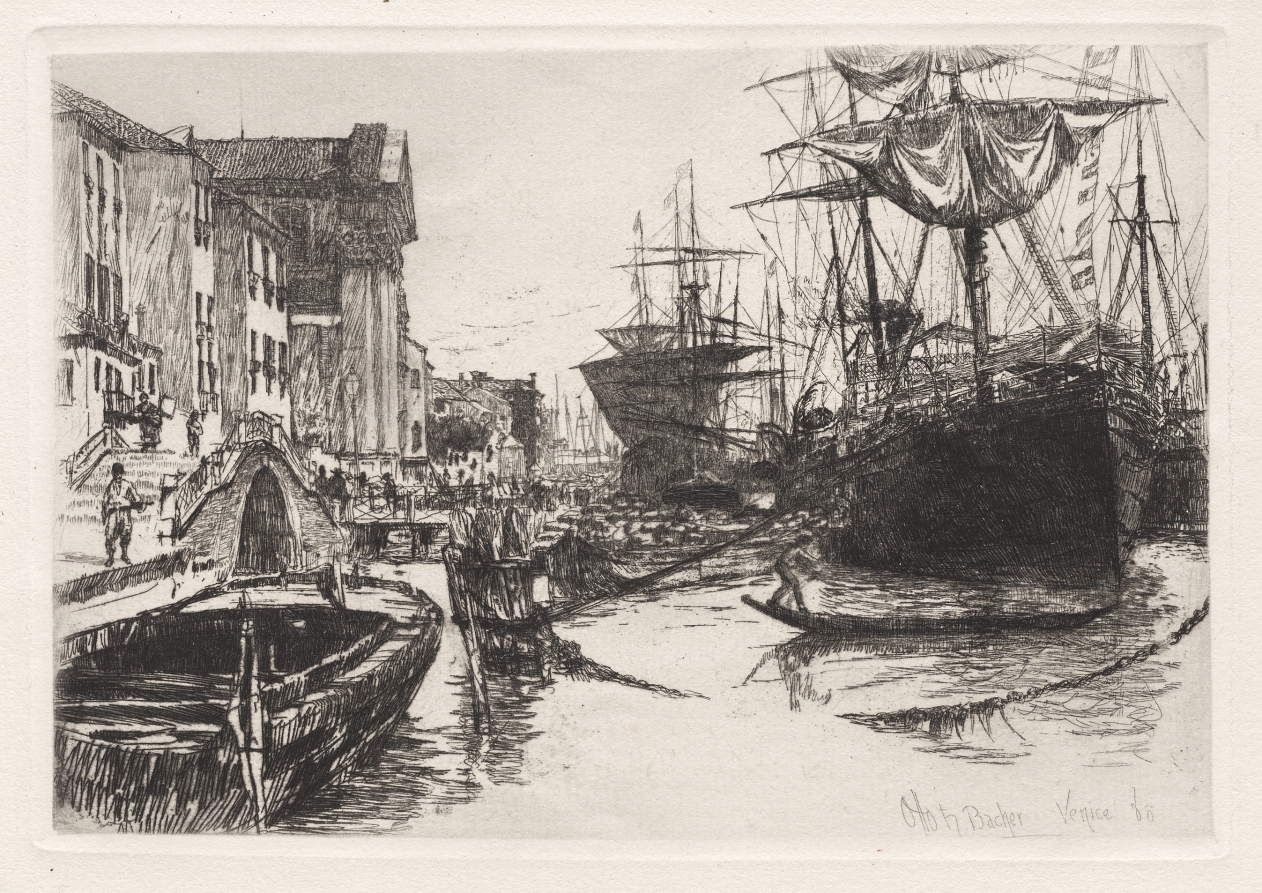 Otto H. Bacher (American, 1856–1909) — Venice
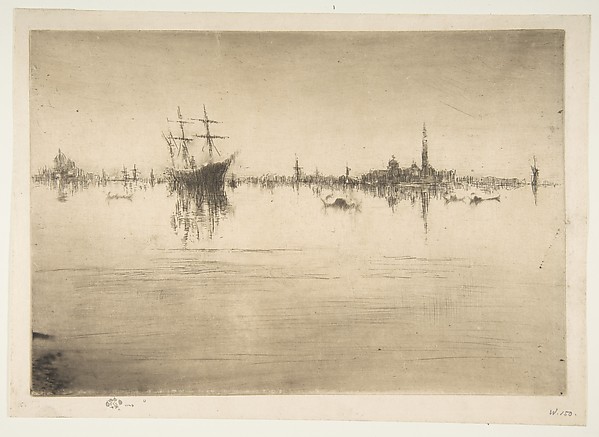 James McNeill Whistler — Nocturne
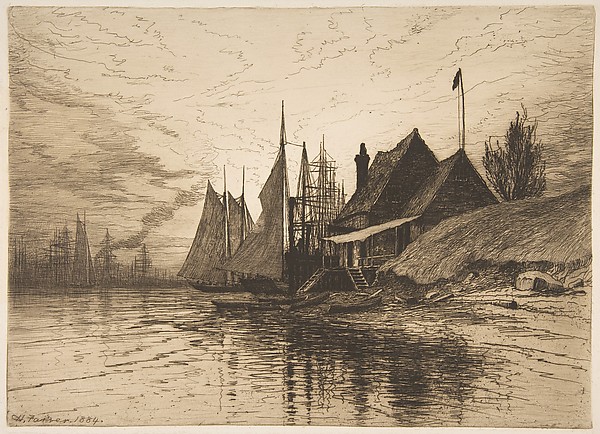 Henry Farrer|New York Etching Club — Evening, New York Harbo
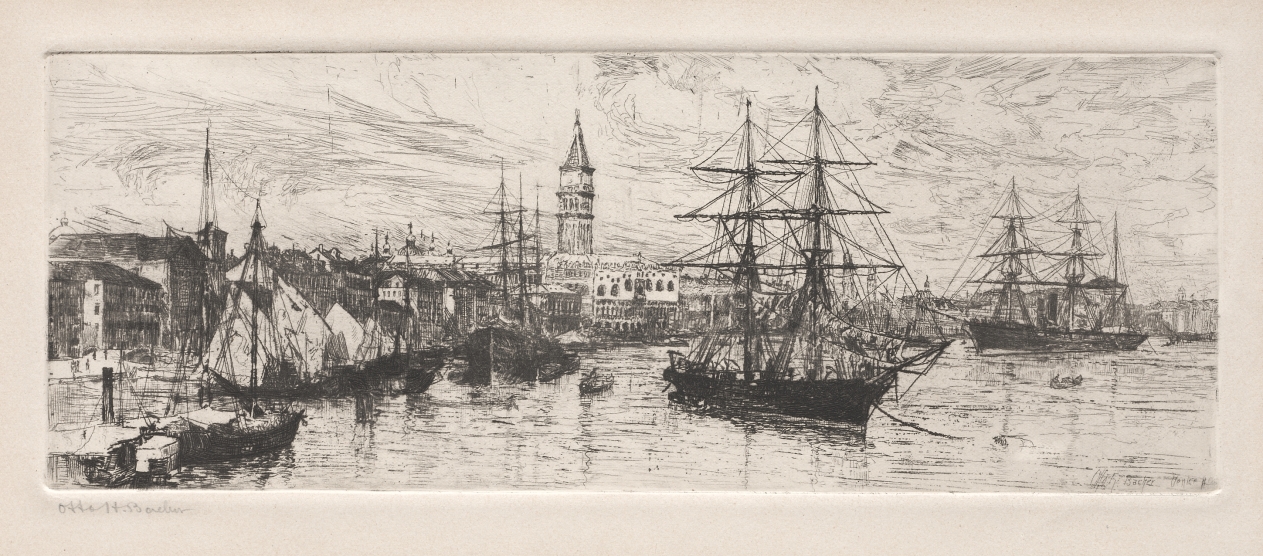 Otto H. Bacher (American, 1856–1909) — Shipping and the Duca
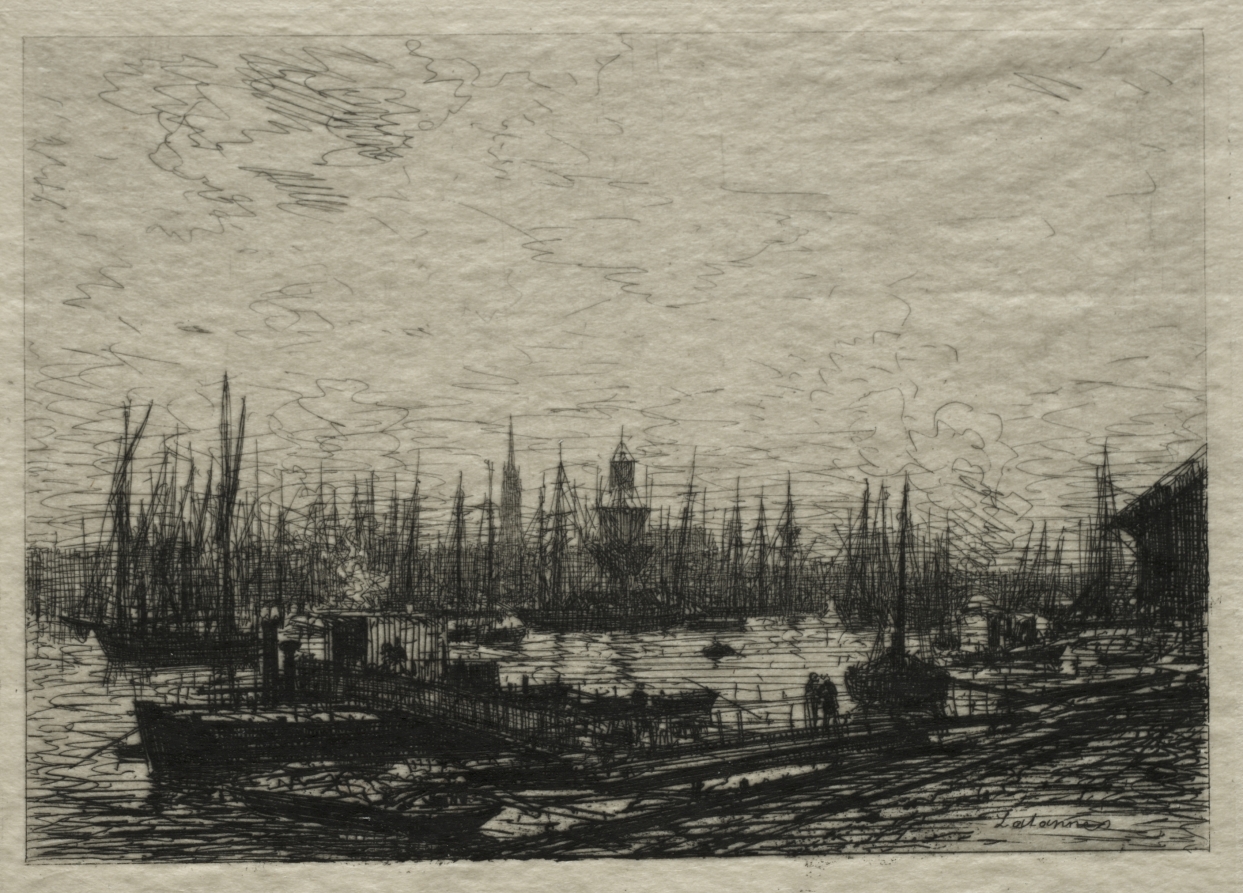 Maxime Lalanne (French, 1827–1886) — In the Bordeaux Harbor