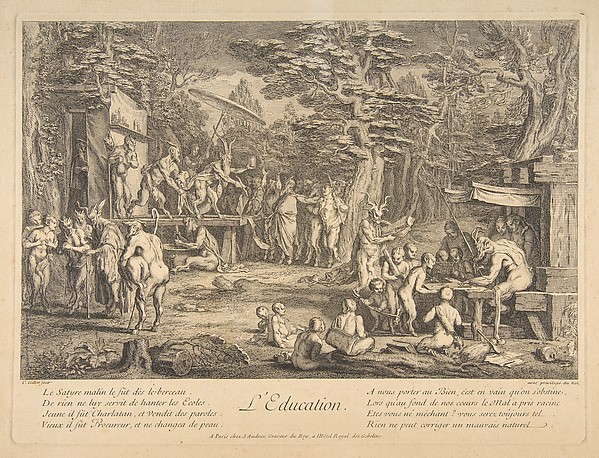
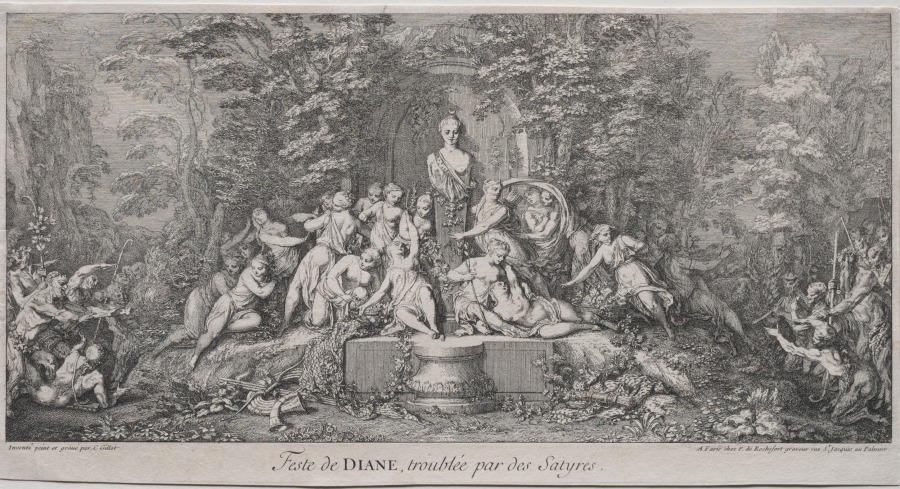
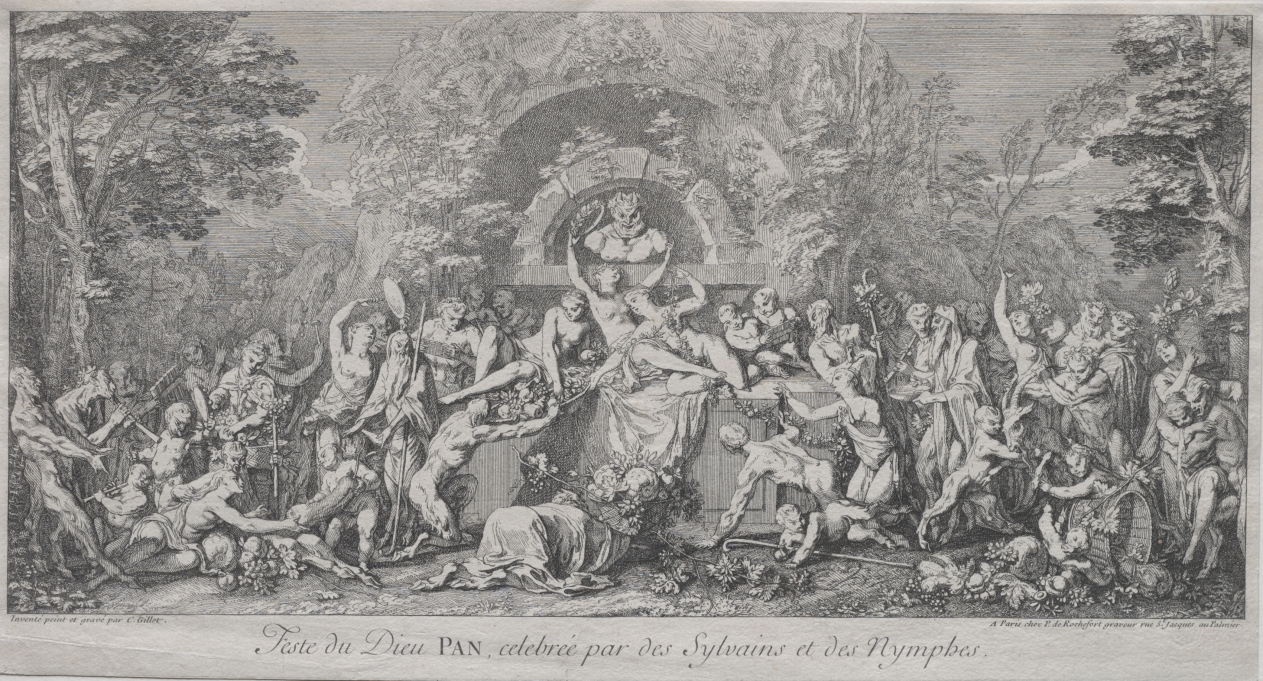
In the collection of Cleveland Museum of Art, Cleveland — check current display status with the museum.
FROM THE CLEVELAND MUSEUM OF ART’S CATALOG
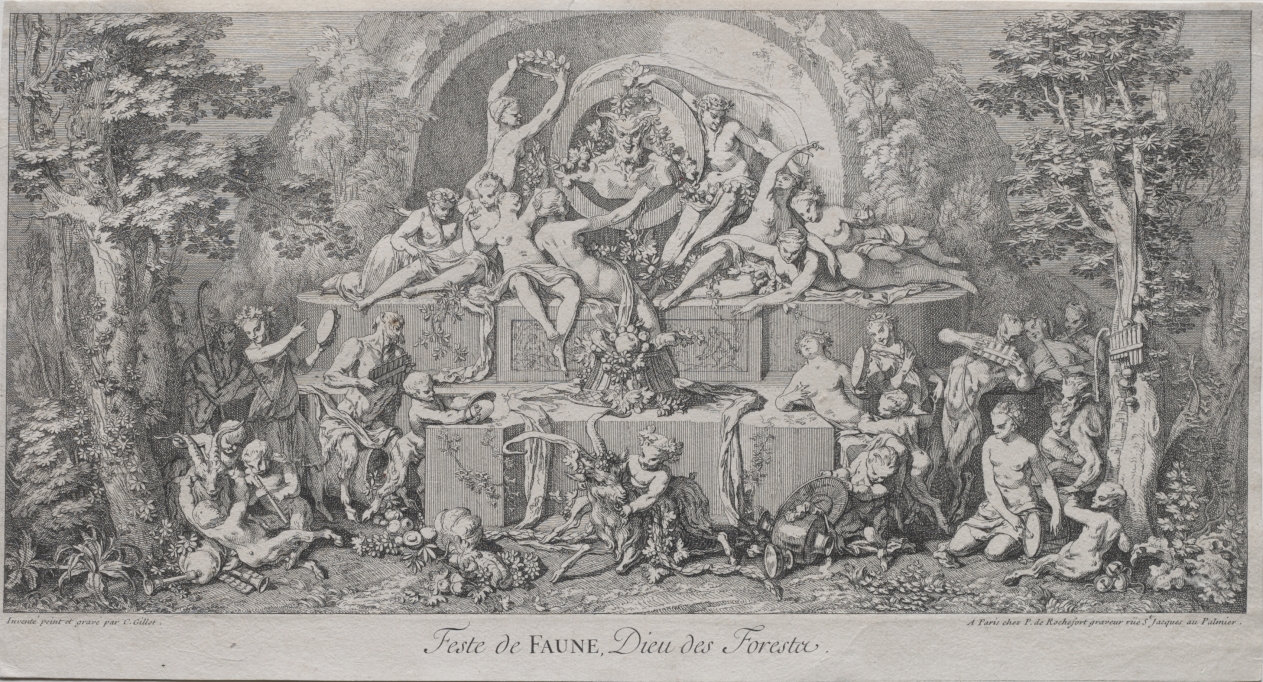
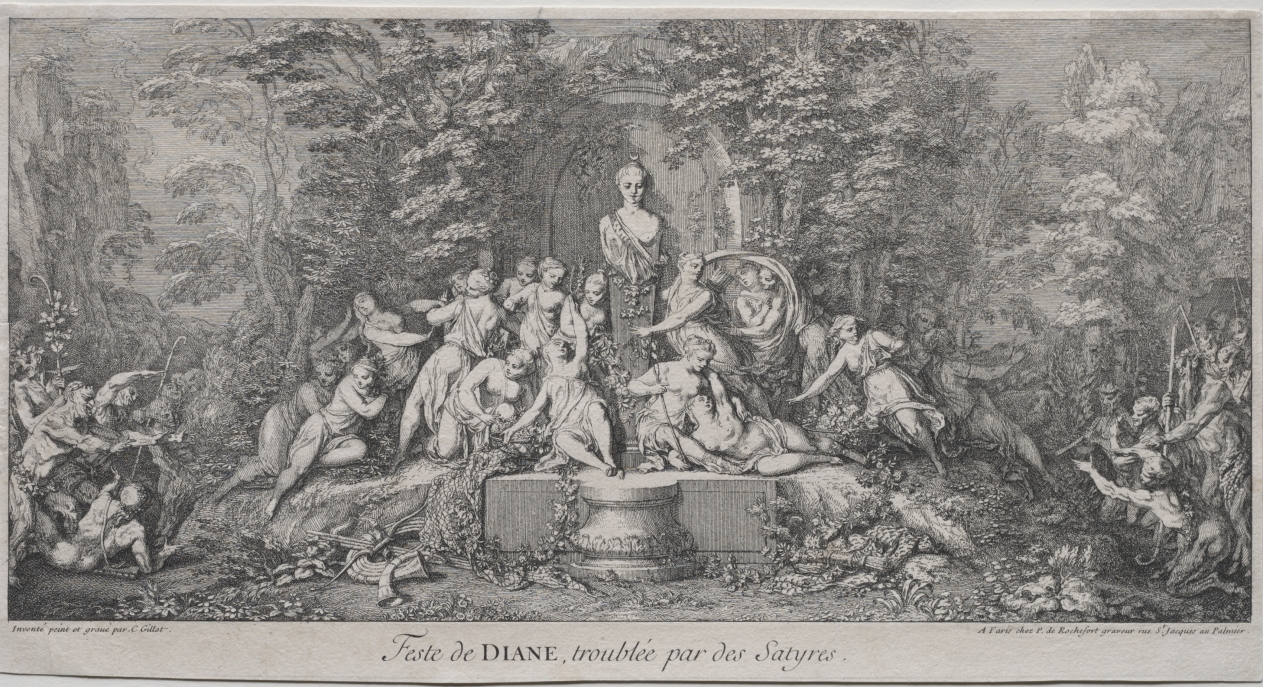
The lovely bacchantes (female followers of Bacchus) dancing throughout the composition appear in contrast with the beastly satyrs and fauns. The term bacchante could also be used to describe an intoxicated and libidinous woman in less mythological contexts.
Be the first to share your thoughts.
Sign in to join the discussion.
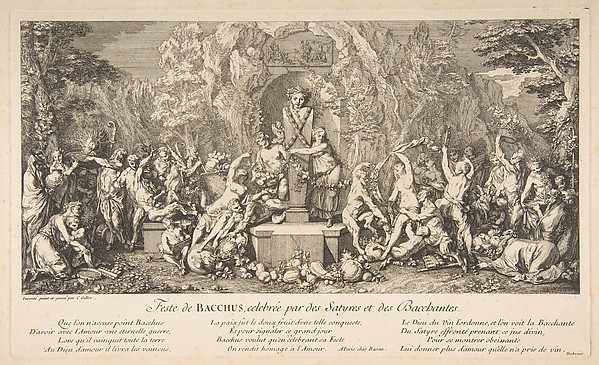 Claude Gillot — The Fête of Bacchus
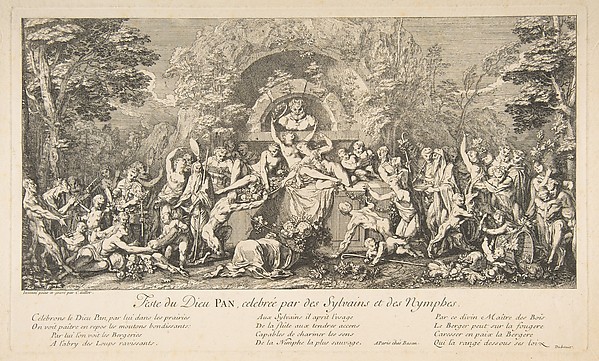 Claude Gillot — Feast of Pan
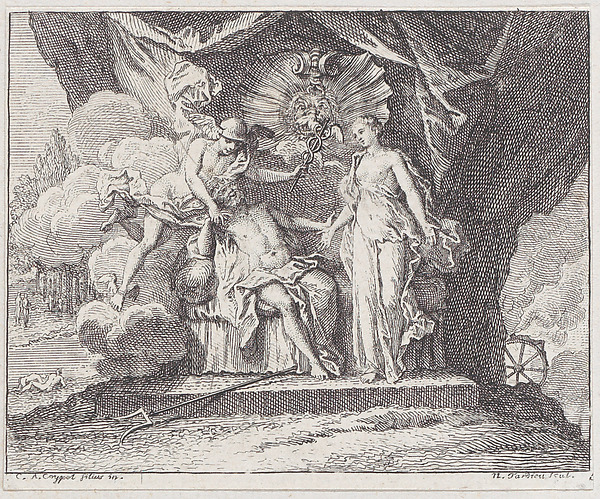 Lamotte-Houdar|Nicolas Henry Tardieu|Charles Antoine Coypel|
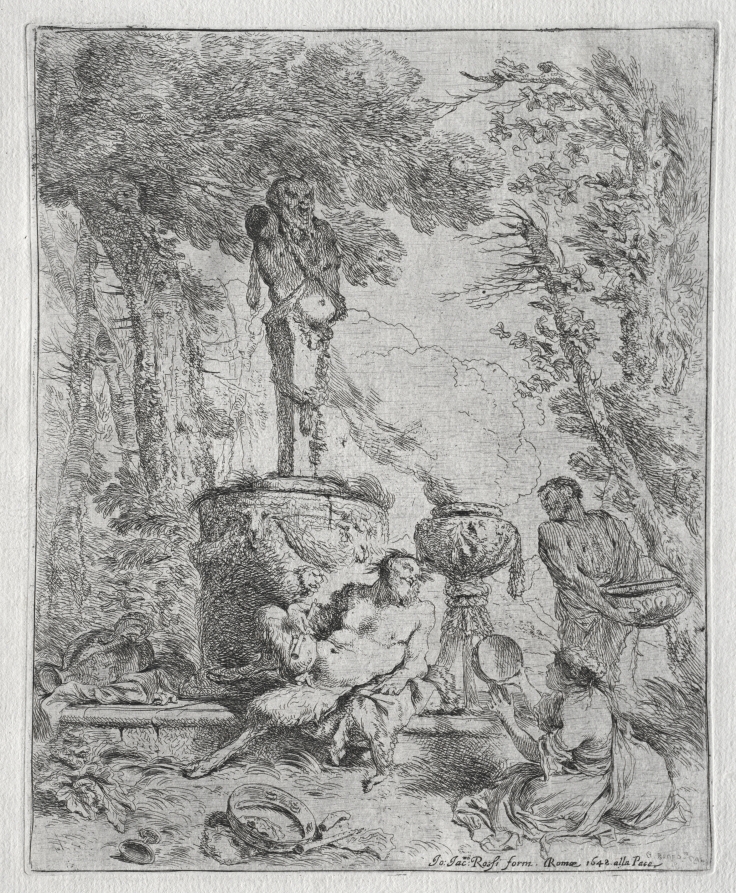 Giovanni Benedetto Castiglione (Italian, 1609–1664) — Fete o
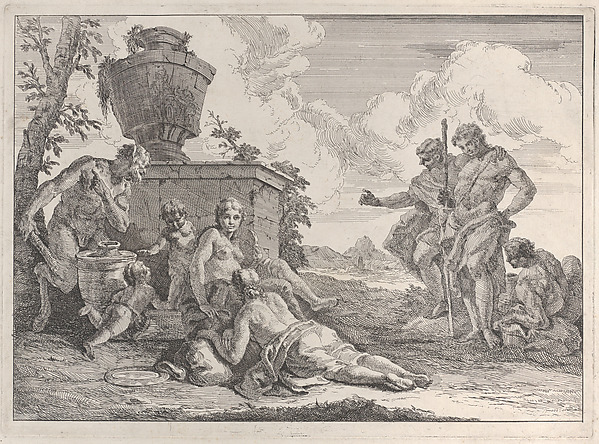 Francesco Fontebasso — Satyr with Club and Seven Figures, fr
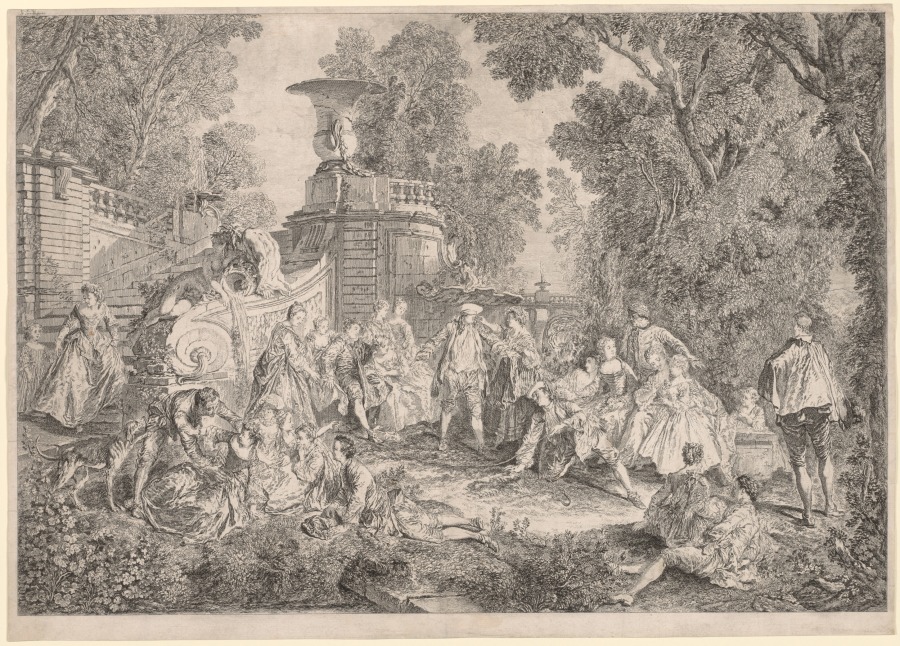 Charles-Nicolas Cochin (French, 1715–1790) — The Game of Bli
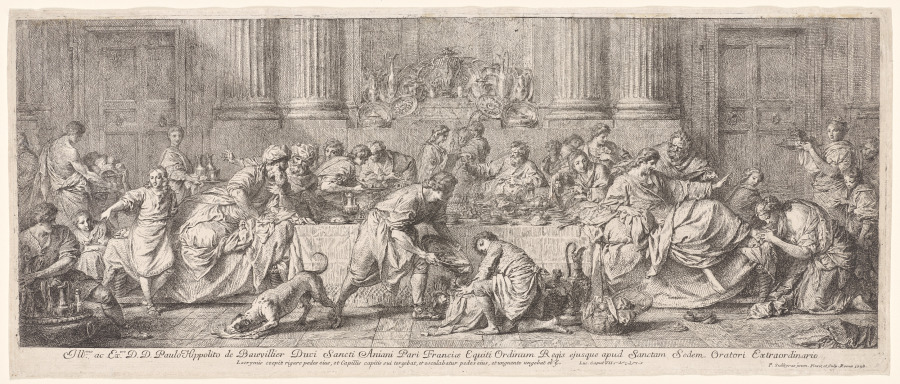 Pierre Subleyras (1699–1749) — The Banquet in the House of S
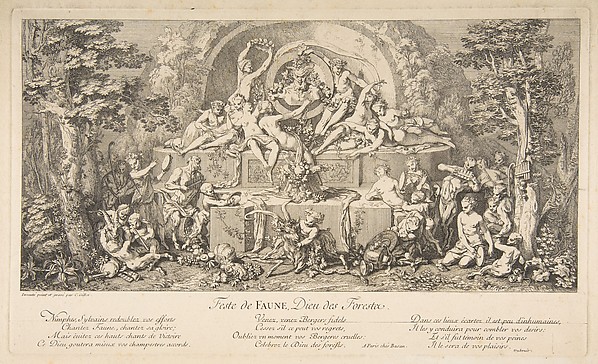 Claude Gillot — The Feast of the Faun
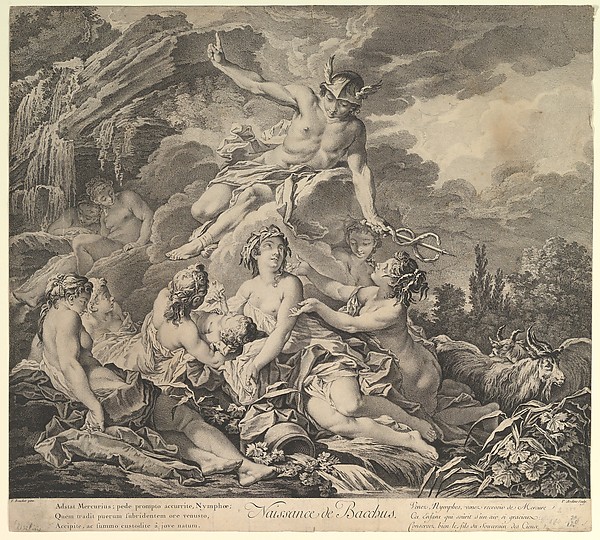 Pierre Alexandre Aveline|François Boucher — Naissance de Bac
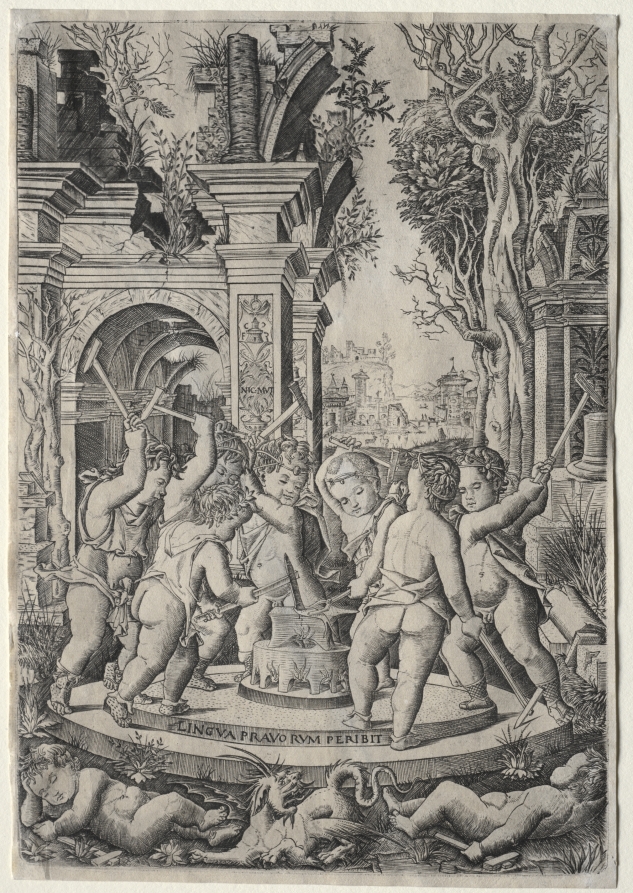 Nicoletto da Modena (Italian, active c. 1500–1520) — The Fat
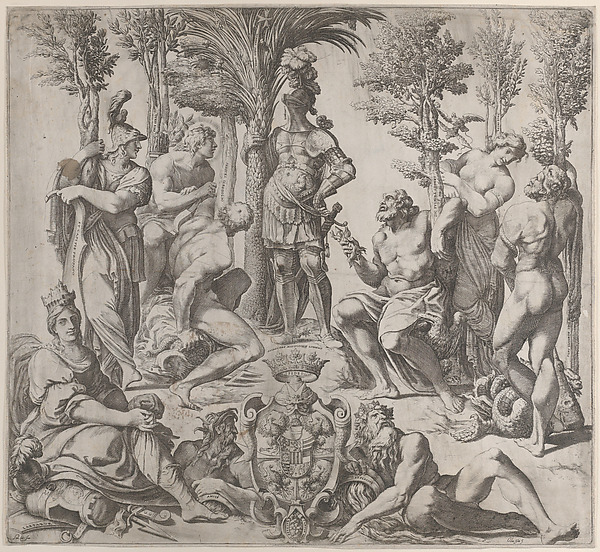 Ludovico Carracci|Oliviero Gatti — Allegorical composition w
 Nicolas Henry Tardieu|Jean de La Fontaine|Lamotte-Houdar|Cha