No. 23. Pugahm Myo [Pagan]. Figures in Damayangyee Pagoda [Dhamma-yan-gyi].
SEE IT IN PERSON
Not currently on view
In the collection of Art Institute of Chicago, Chicago · as of July 2026
Discussion
FROM THE ART INSTITUTE OF CHICAGO’S CATALOG
Linnaeus Tripe produced some of the earliest photographs ever made of British India and Burma. The British ruled large parts of India through the East India Company, a corporation with its own private armies and governmental functions. Tripe rose through the ranks of the Company’s army and began to experiment with photography in the early 1850s, photographing temples and other Indian monuments. In 1855, James Broun-Ramsay, the British governor general of India, commissioned him to join a diplomatic mission to Burma as its official photographer to document architecture and points of interest. When the complete series was exhibited in 1857, the jury called the photographs “excellent; remarkable for great distinctness and also for their unusual and beautiful tint.” In this photograph of the famous Buddhist Dhammayangyi temple, four disciples of Guatama Buddha are seated with lotus flowers as their footstools.
Be the first to share your thoughts.
Sign in to join the discussion.
More by Linnaeus Tripe
More like this
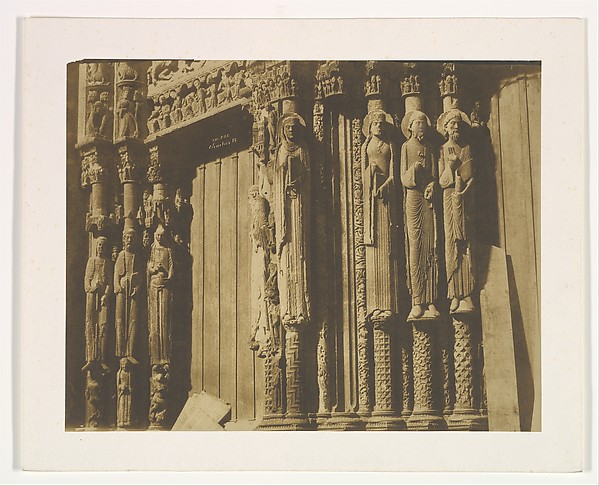 Pierre Emile Joseph Pécarrère — Chartres Cathedral
 Bisson Frères — Chartres Cathedral, West Facade; Royal Porta
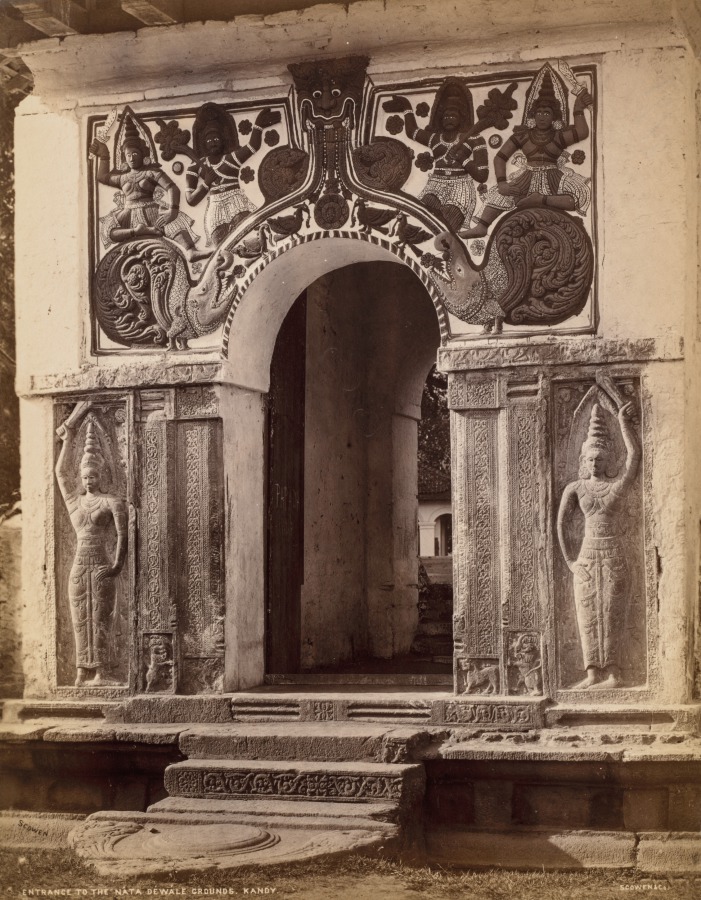 Scowen & Co. (British, active Ceylon, 1876–1895) — Entrance
  Robert MacPherson — Arch of the Silversmiths
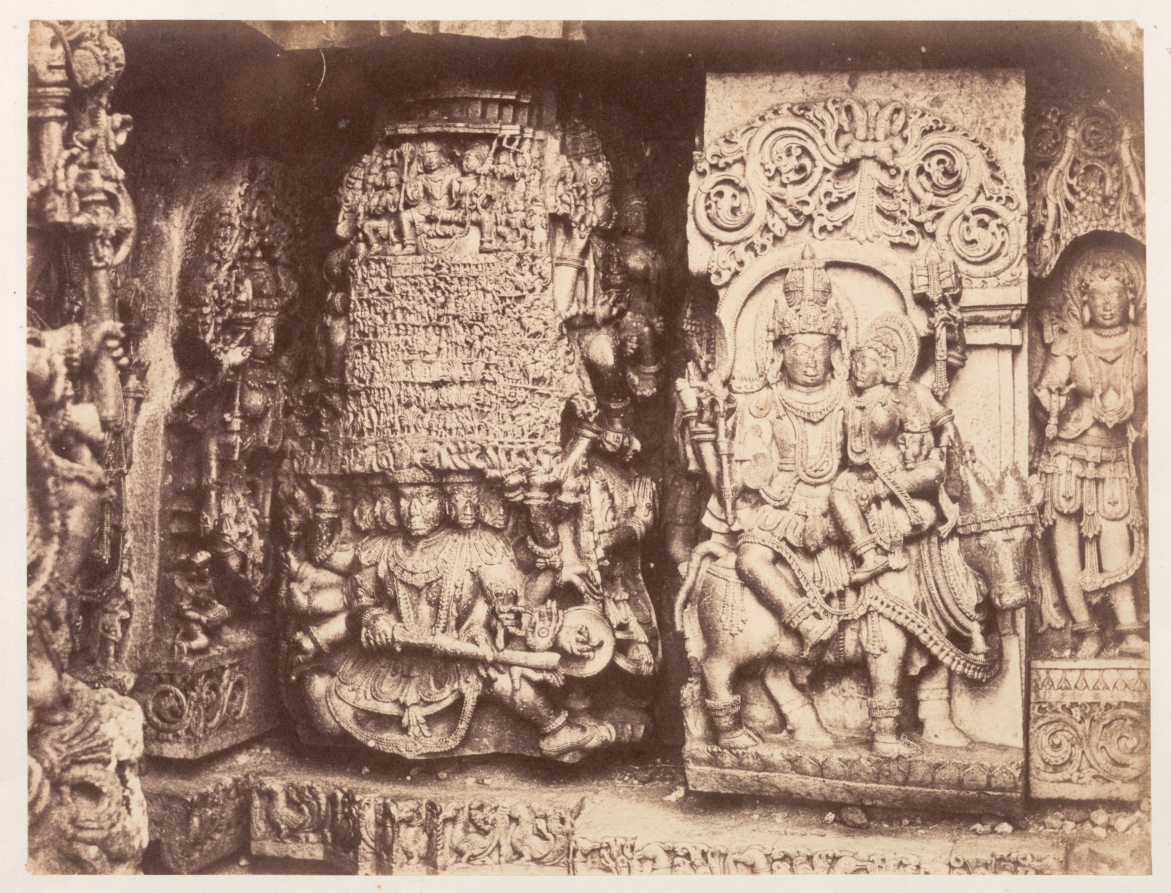 Richard Banner Oakeley (British, 1834–1914) — Hoyshaleshvara
![[Tag-e bustan, Kermanshah, Kurdestan]](https://images.metmuseum.org/CRDImages/ph/web-large/DP203012.jpg) Luigi Pesce — [Tag-e bustan, Kermanshah, Kurdestan]
Luigi Pesce — [Tag-e bustan, Kermanshah, Kurdestan] Charles Nègre — Cathedrale de Chartres
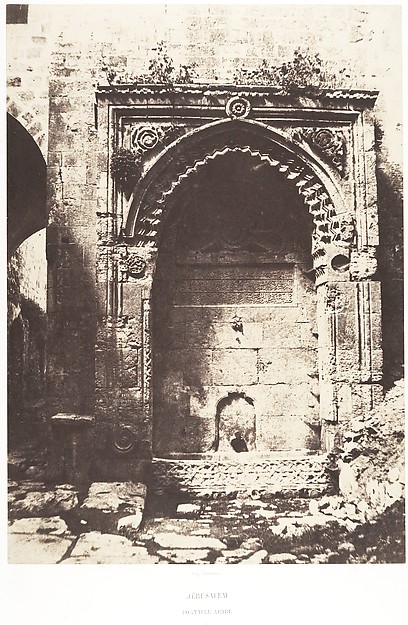 Auguste Salzmann|Imprimerie photographique de Blanquart-Évra
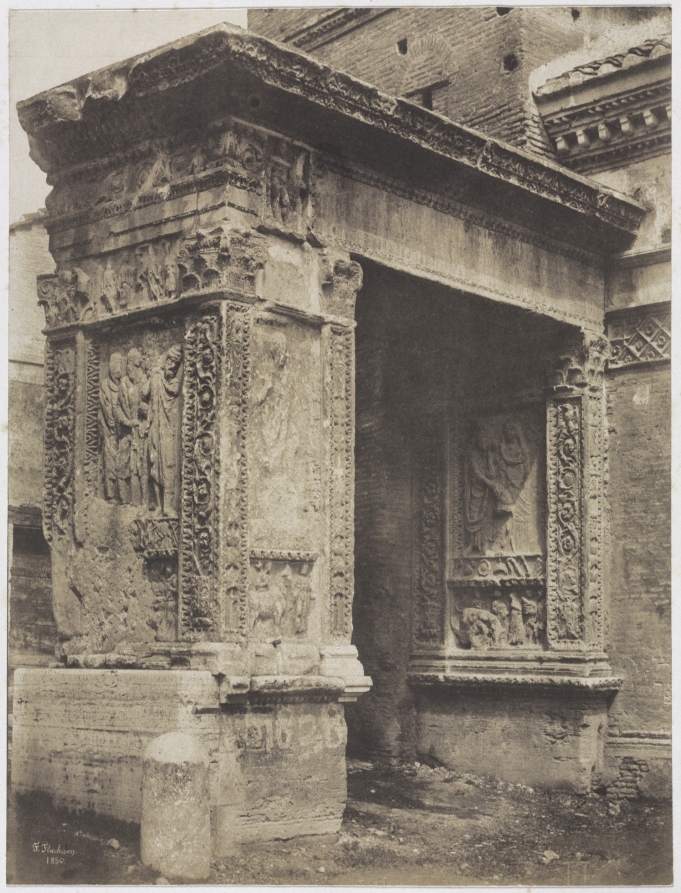 Frédéric Flachéron (French, 1813–1883) — Goldsmith's Arch, R
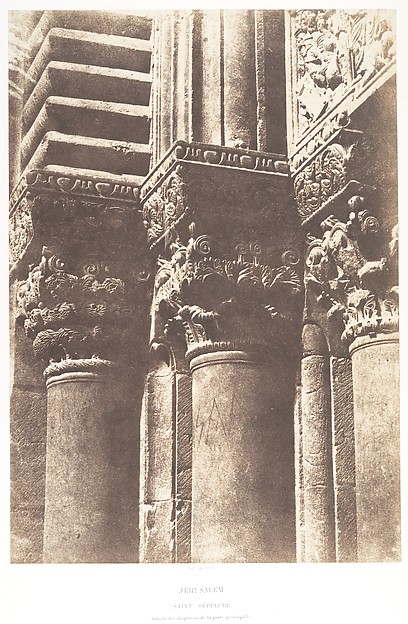 Auguste Salzmann|Imprimerie photographique de Blanquart-Évra
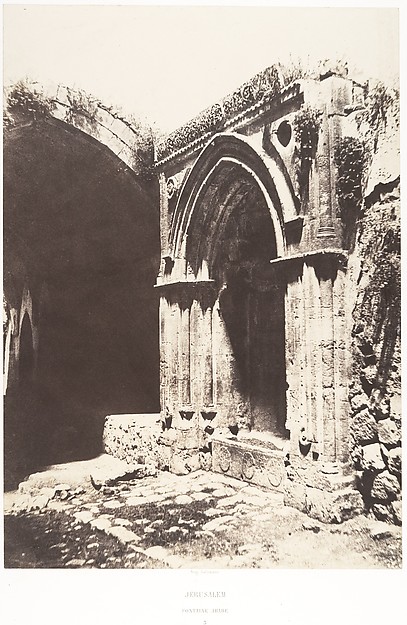 Auguste Salzmann|Imprimerie photographique de Blanquart-Évra
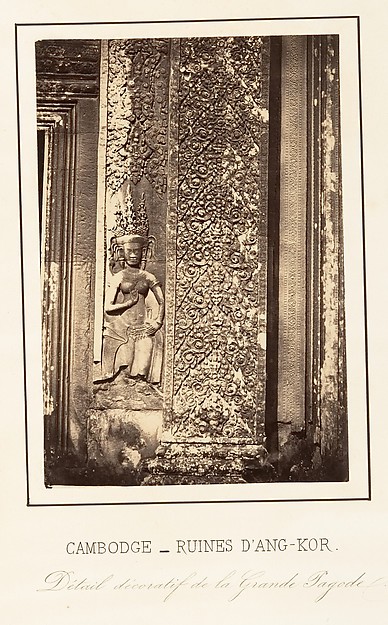 Emile Gsell — Détail Décoratif de la Grande Pagode