FROM THE CLEVELAND MUSEUM OF ART’S CATALOG
This lithograph served as an advertisement for the seeds sold at James Vick in Rochester, New York, a leading American nursery center in the latter half of the 19th century. An auxiliary business, the production of fruit and flower prints aided nurserymen and their travelling salesmen. At first the lithographs were hand colored, but in 1871 a local company began to print in color. Lithographs are made by drawing a design onto a stone with a greasy crayon; water adheres to the bare stone while the printing ink sticks to the greasy areas. The process was invented at the end of the 18th century and was often used after about 1820 because it is a speedy and inexpensive medium, producing more impressions compared to other tonal techniques such as mezzotint, aquatint, and stipple.
Source ↗︎
Be the first to share your thoughts.
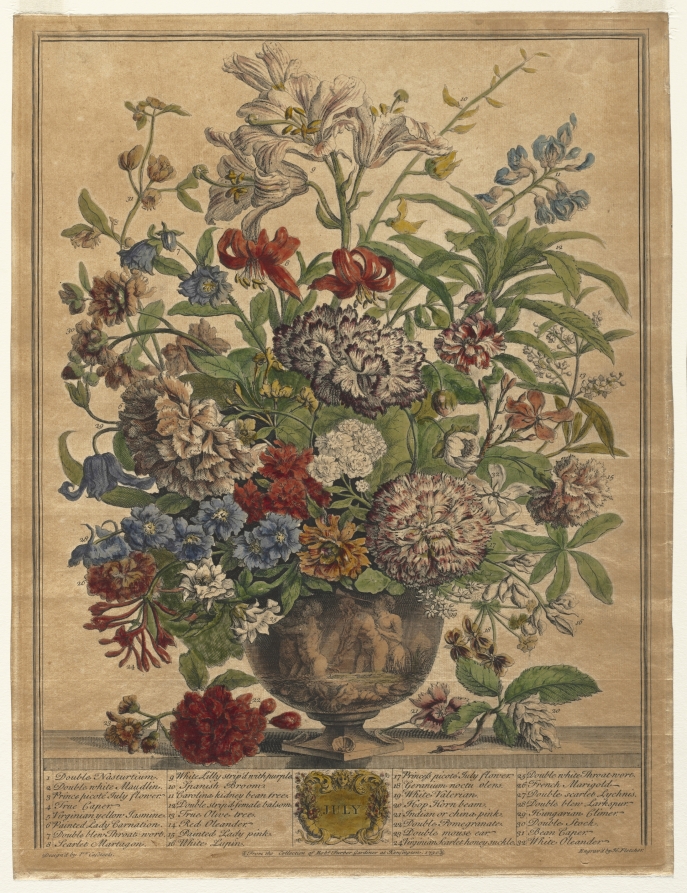 Henry Fletcher (British, active 1715–38) — Twelve Months of
 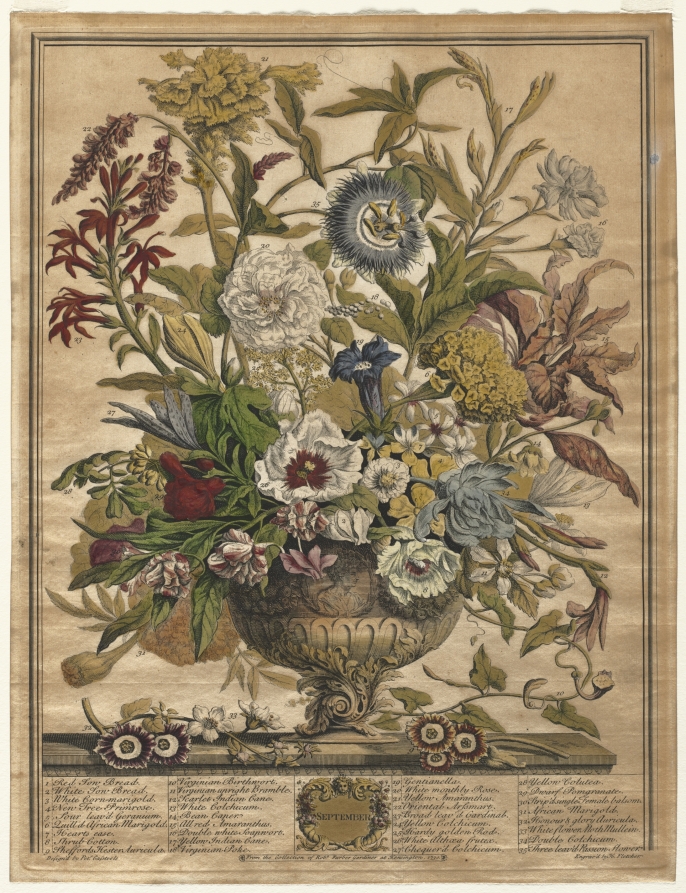 Henry Fletcher (British, active 1715–38) — Twelve Months of
 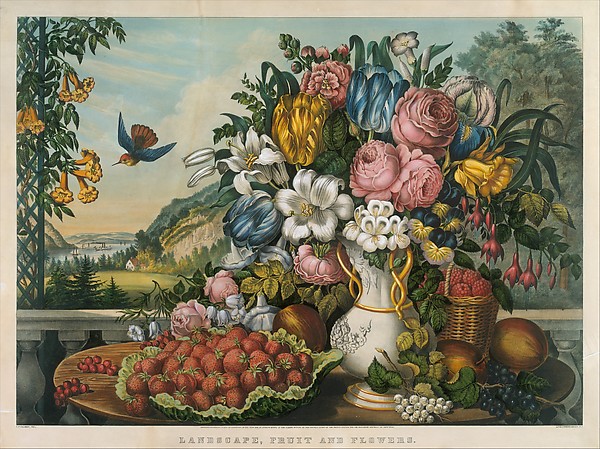 Currier & Ives|Frances Flora Bond Palmer — Landscape – Fruit
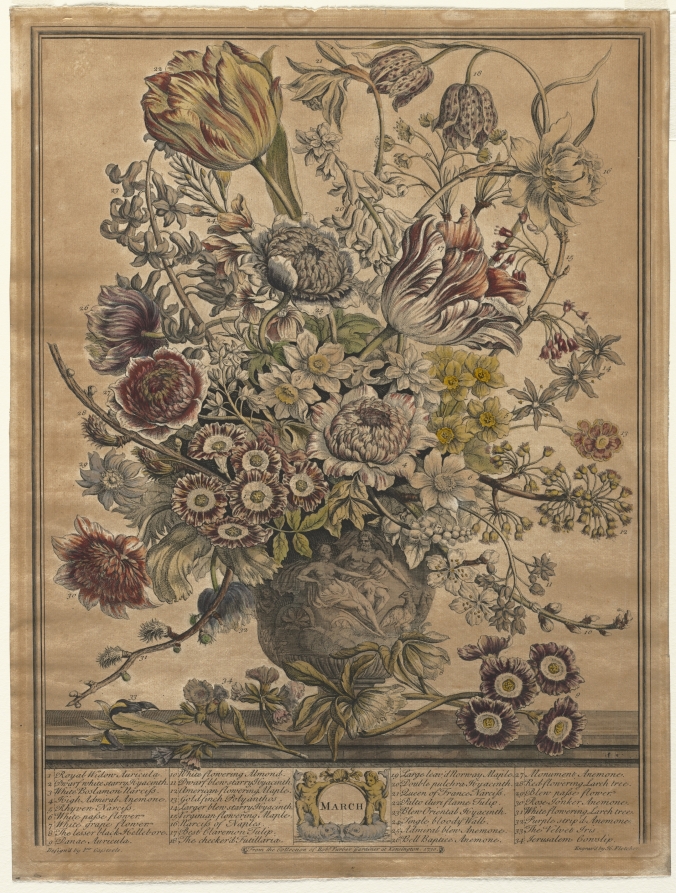 Henry Fletcher (British, active 1715–38) — Twelve Months of
 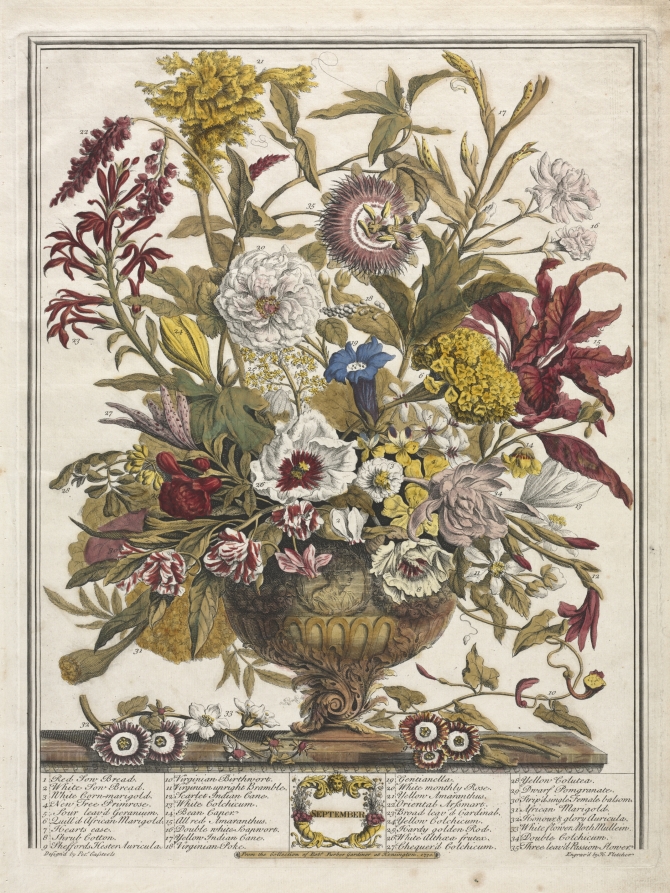 Henry Fletcher (British, active 1715–38) — Twelve Months of
 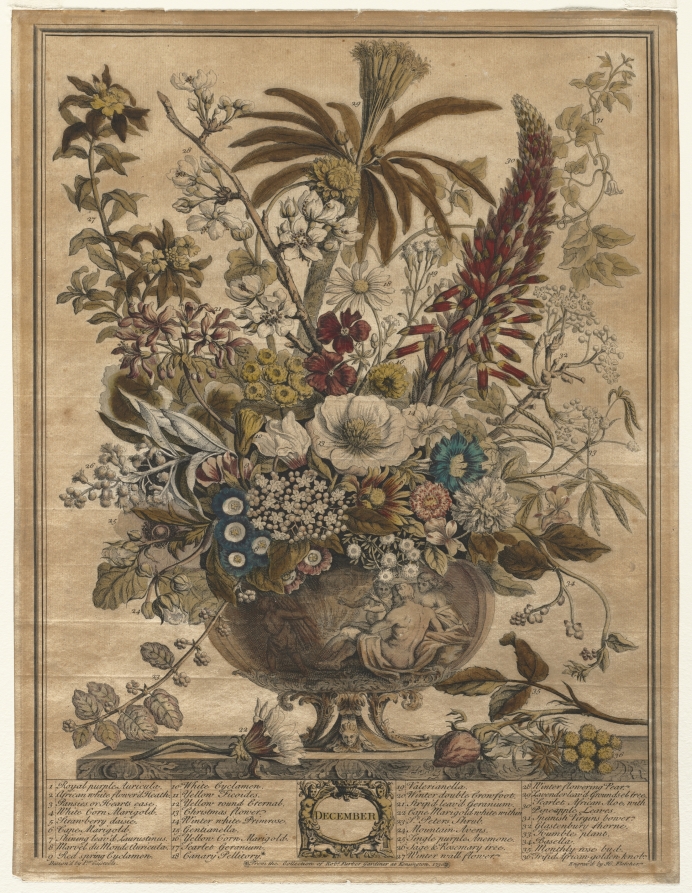 Henry Fletcher (British, active 1715–38) — Twelve Months of
 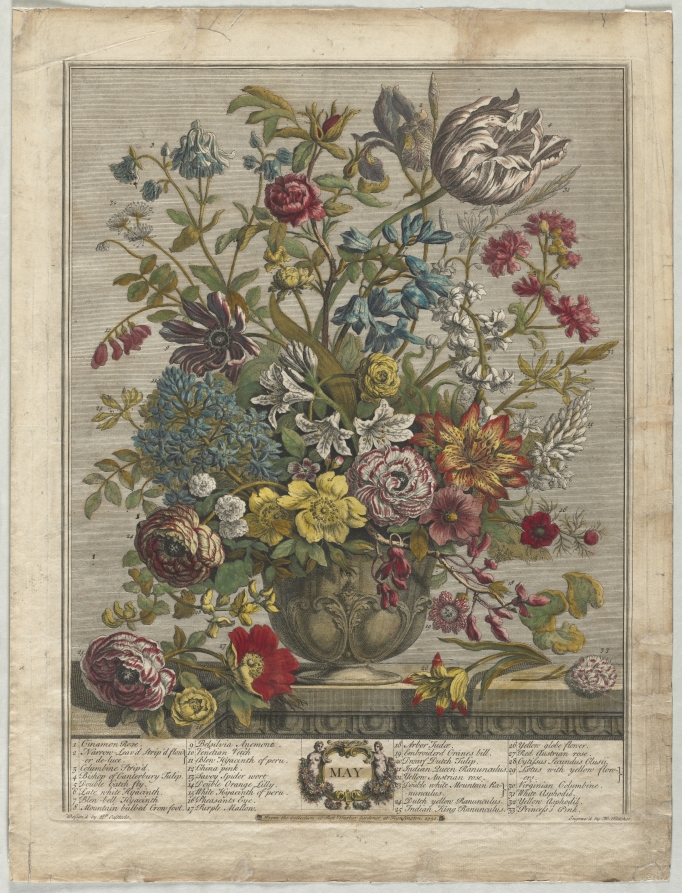 Henry Fletcher (British, active 1715–38) — Twelve Months of
 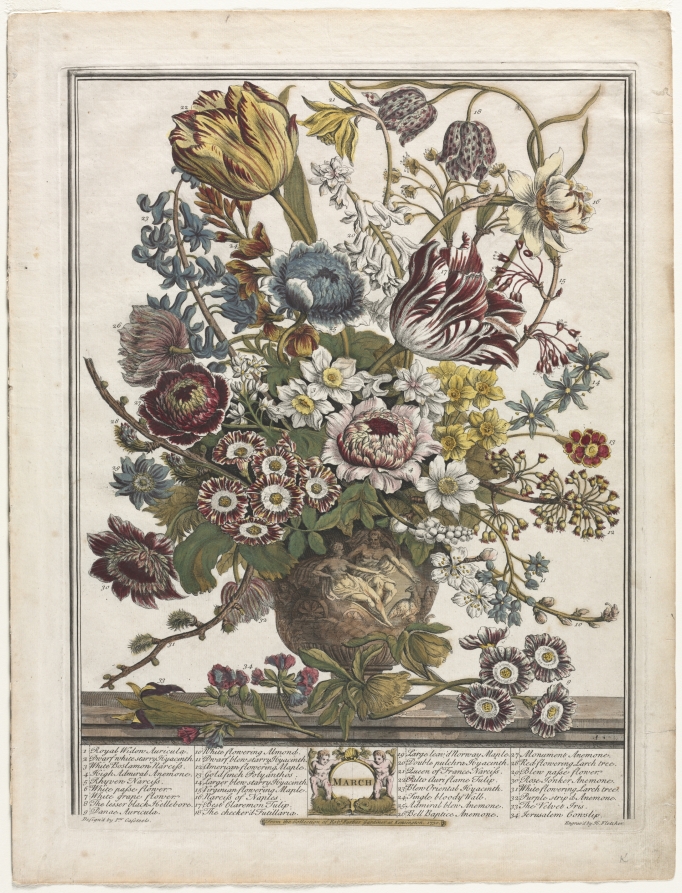 Henry Fletcher (British, active 1715–38) — Twelve Months of
  Eelke Jelles Eelkema — Still Life with Flowers and Fruit
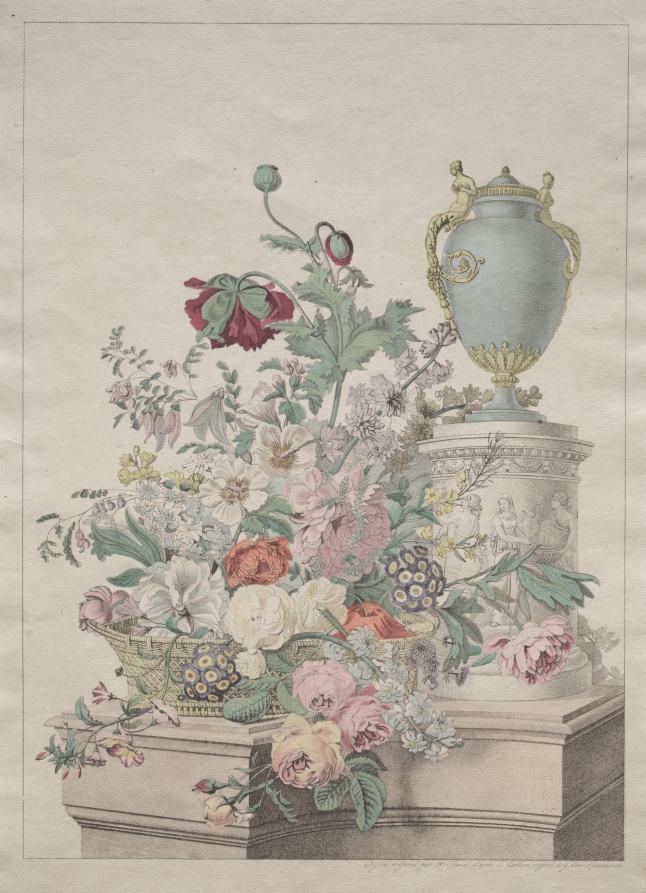 Antoine Chazal (French, 1793–1854) — Flore Pittoresque ou Re
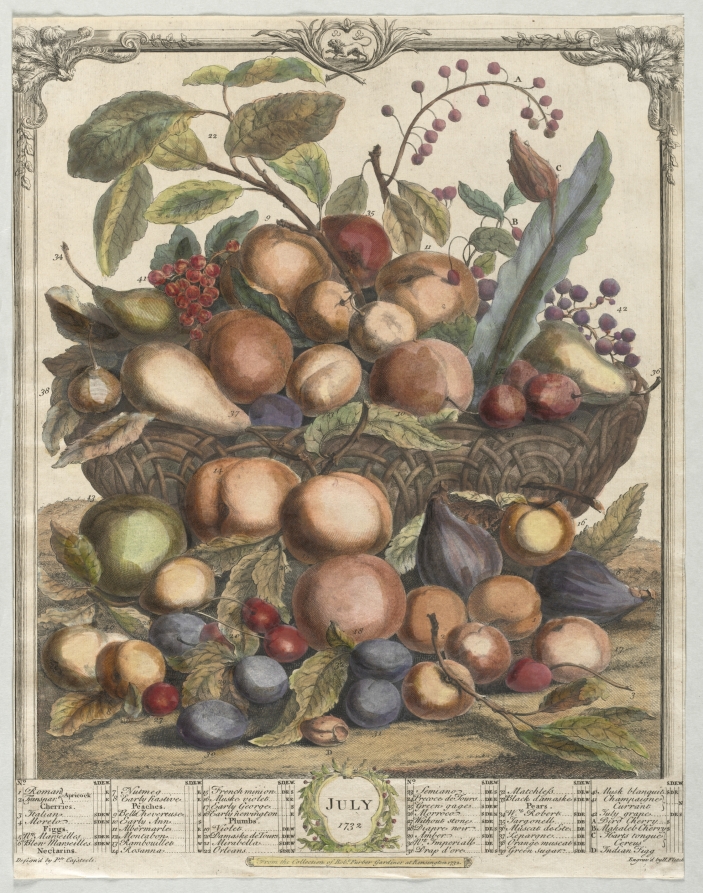 Henry Fletcher (British, active 1715–38) — Twelve Months of
 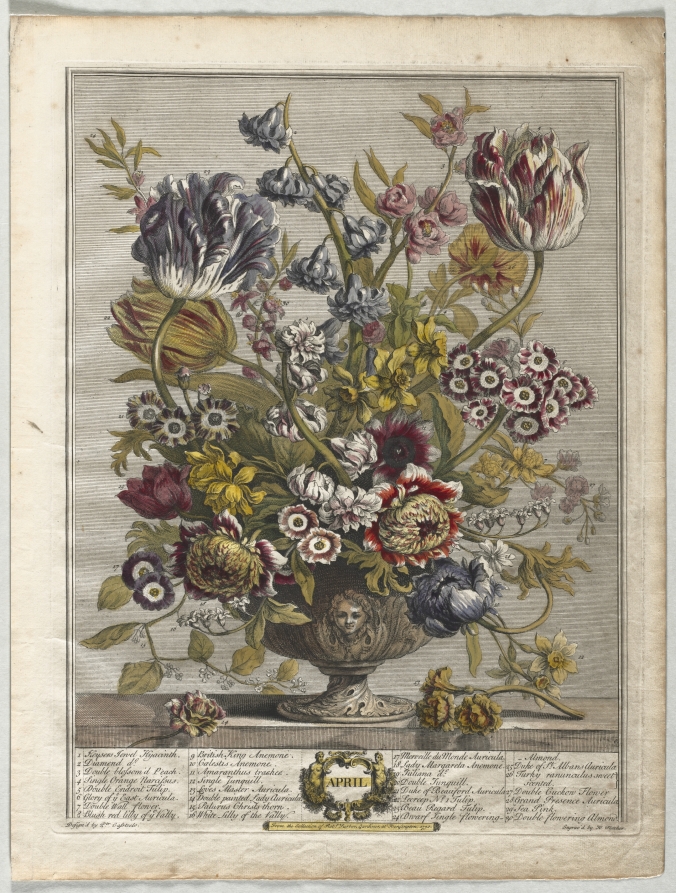 Henry Fletcher (British, active 1715–38) — Twelve Months of