The Captive Slave (Ira Aldridge)
SEE IT IN PERSON
● On view now — Gallery 220
Art Institute of Chicago, Chicago · verified July 2026
Discussion
FROM THE ART INSTITUTE OF CHICAGO’S CATALOG
In the years leading up to the British Emancipation Act of 1833, this painting of an enslaved man constituted a timely abolitionist appeal. Set against a deeply shadowed background, the figure’s upward gaze suggests a yearning for freedom as he sits manacled to a bench. The composition echoes conventional imagery of Christian saints and martyrs; artist John Philip Simpson used familiar iconography to appeal to the sentimentality of wealthy white viewers with the requisite power to sway public policy. But the deeply moving pose also reflects the artistic contribution of the man who modeled for the figure, now identified as Ira Aldridge, a freeborn American actor famous for playing the title role in Shakespeare’s Othello. His performance in Thomas Morton’s musical drama The Slave may have been the immediate inspiration for Simpson’s painting. Aldridge was also renowned for his impassioned speeches for the abolitionist cause. In 1827, when The Captive Slave was first exhibited at the Royal Academy of Arts in London, the accompanying catalogue included the following excerpt from William Cowper’s 1782 antislavery poem, “Charity”: “But ah! what wish can prosper, or what prayer, / For mer
Be the first to share your thoughts.
Sign in to join the discussion.
More like this
 Edward Finden — The Captive Slave
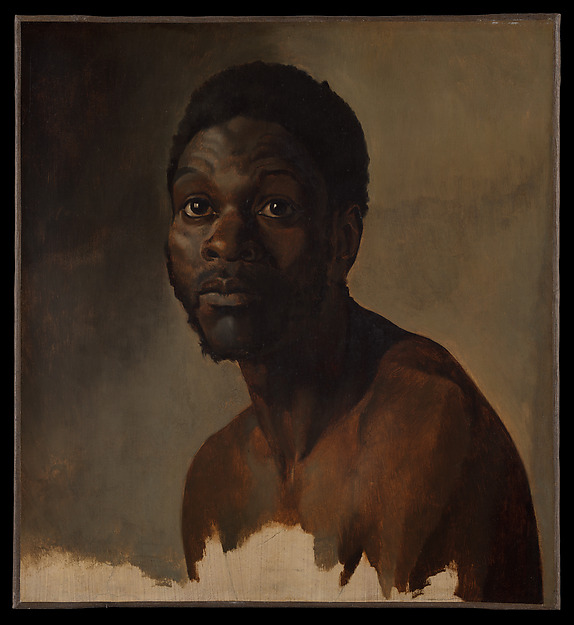 François-Auguste Biard — Bust-Length Study of a Man
 Odilon Redon — Primitive Man
 John Quincy Adams Ward — The Freedman
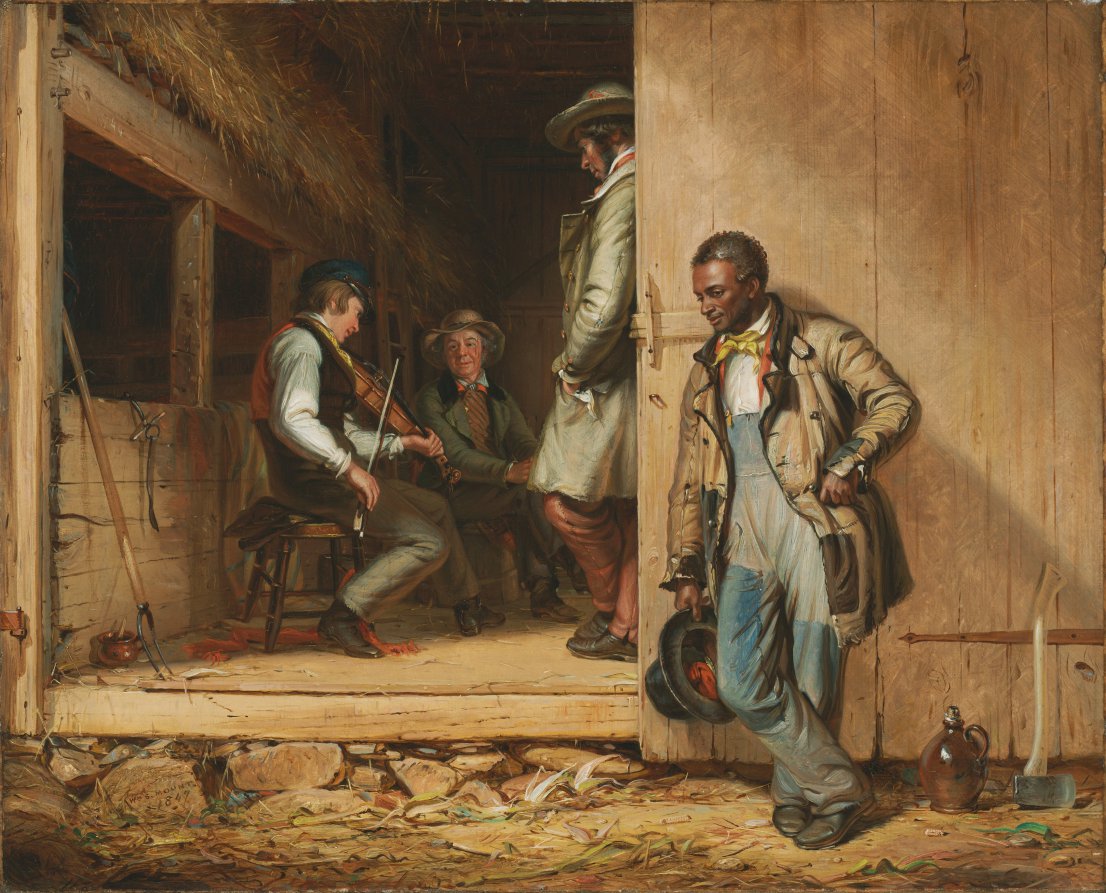 William Sidney Mount (American, 1807–1868) — The Power of Mu
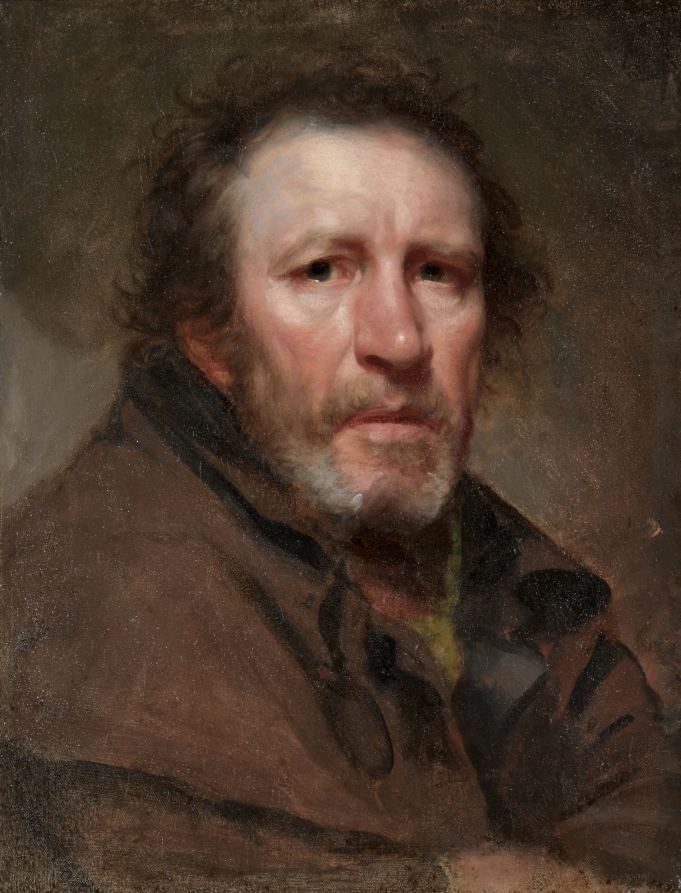 Samuel Lovett Waldo (American, 1783–1861) — "Old Pat," The I
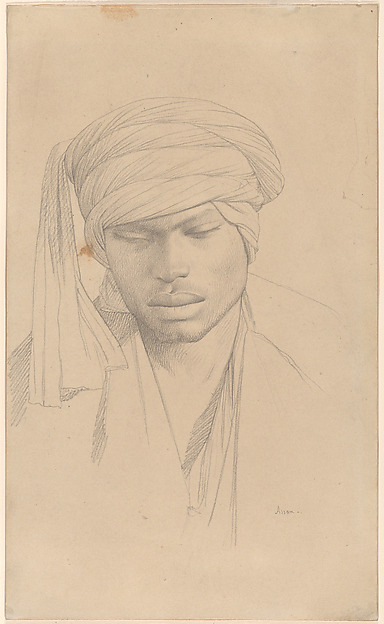 Jean-Léon Gérôme — Assan, a Young Man
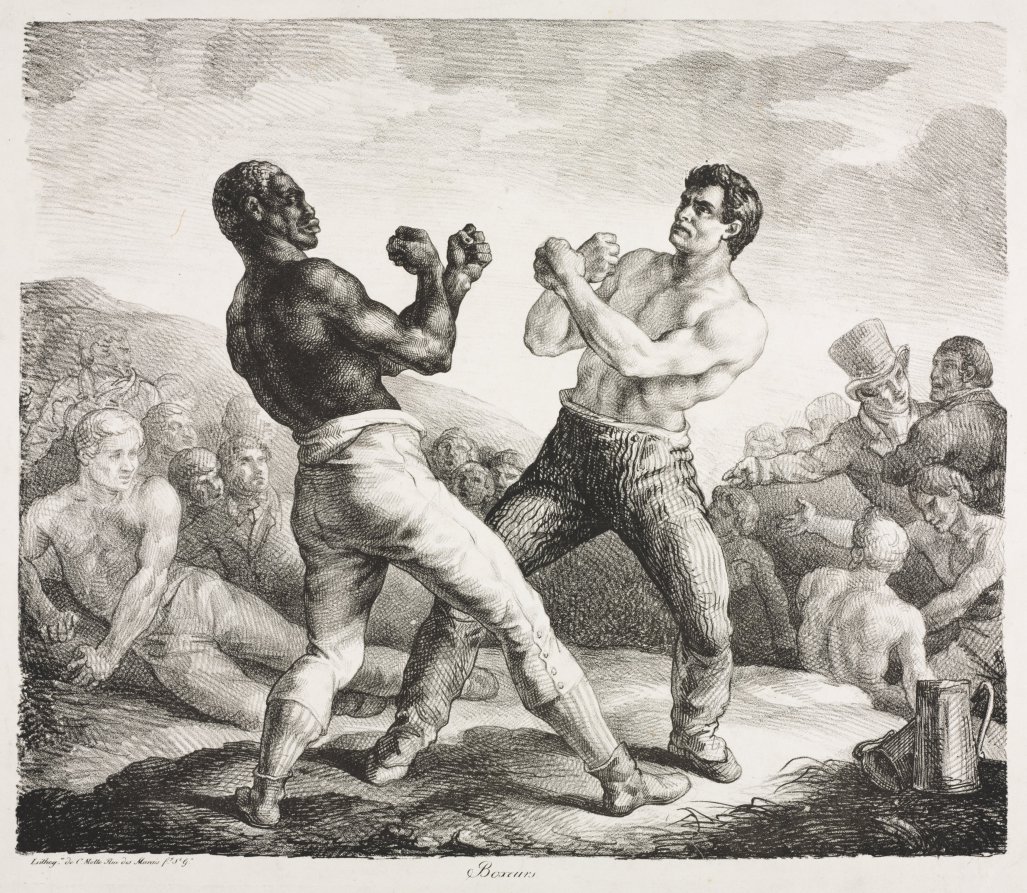 Théodore Géricault (French, 1791–1824) — Boxers
 Théodore Gericault — Boxers
 Jean-Léon Gérôme — Bashi-Bazouk
 Antonio Piccinni — Seated Man Facing Left
 Eugène Delacroix — Blacksmith