FROM THE CLEVELAND MUSEUM OF ART’S CATALOG
Capturing such a massive group in a single shot was challenging. Deen Dayal’s use of a wide-angle lens, betrayed by the curved distortion of the building’s facade, was rare for him at the time. The young Maharaja Scindia of Gwalior is just right of the composition’s center. The distinctive angled turbans identify Gwalior’s historical allegiance to the Marathas, a Hindu empire that controlled areas of western, central, and southern India from 1674 to 1818. Gwalior had a British liaison starting in 1782 and came under British control in the 1840s. The British officers at the left may have been visiting dignitaries, a common occasion for commissioning a formal group portrait.
Source ↗︎
Be the first to share your thoughts.
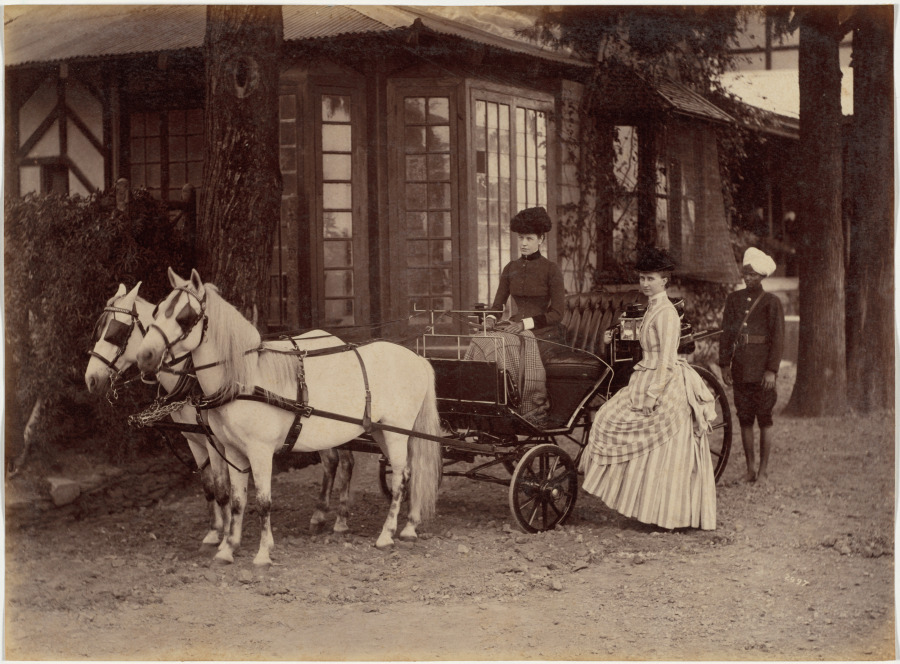 Mrs. and Miss Lyall, Shimla
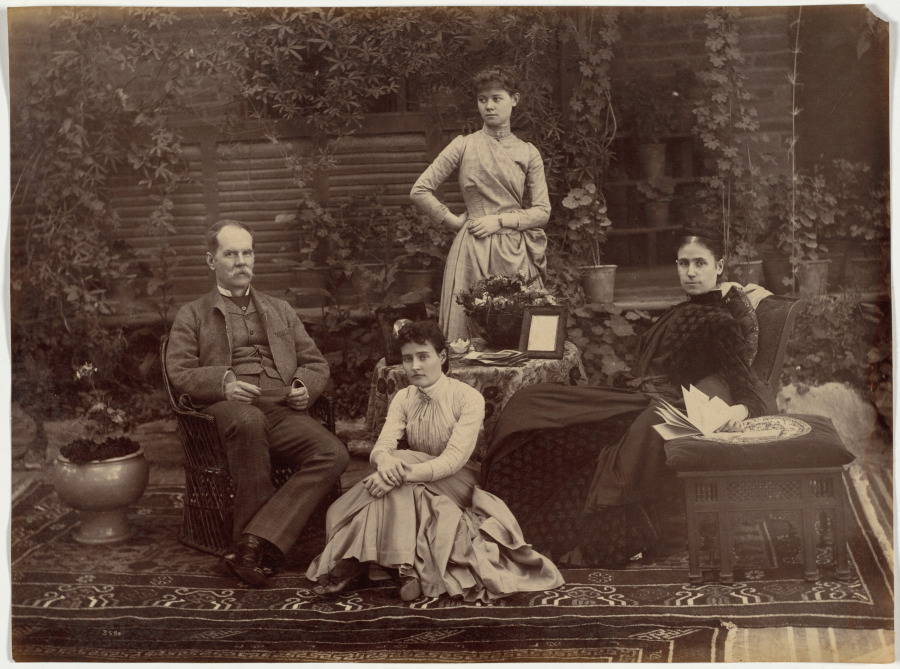 Sir Auckland Colvin and Family, Shimla
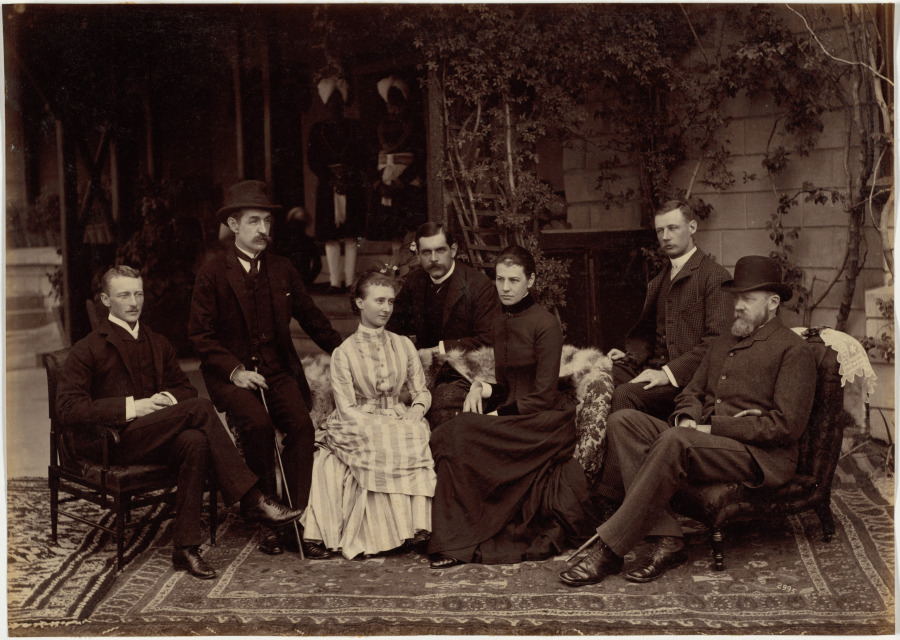 His Honor The Lieutenant Governor of the Punjab and Party, S
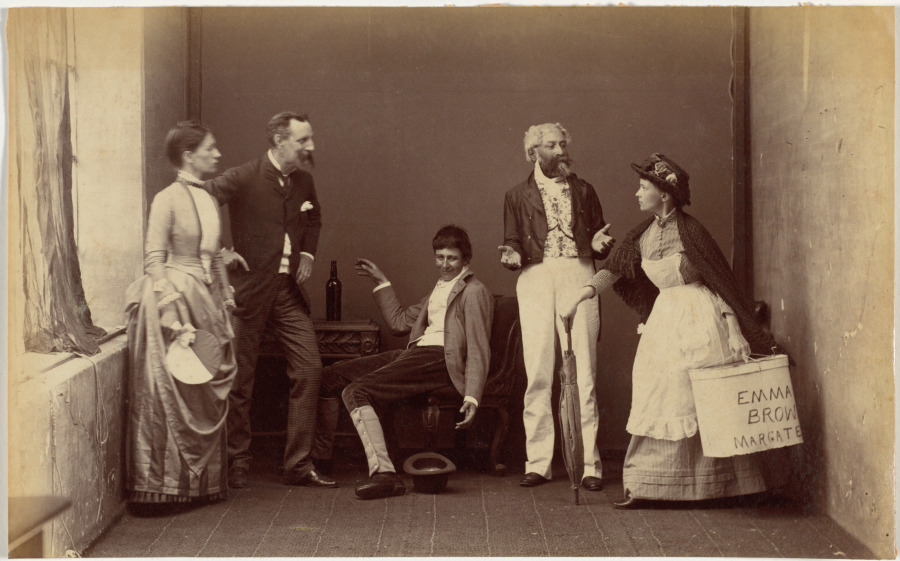 Fancy Group, Indore I
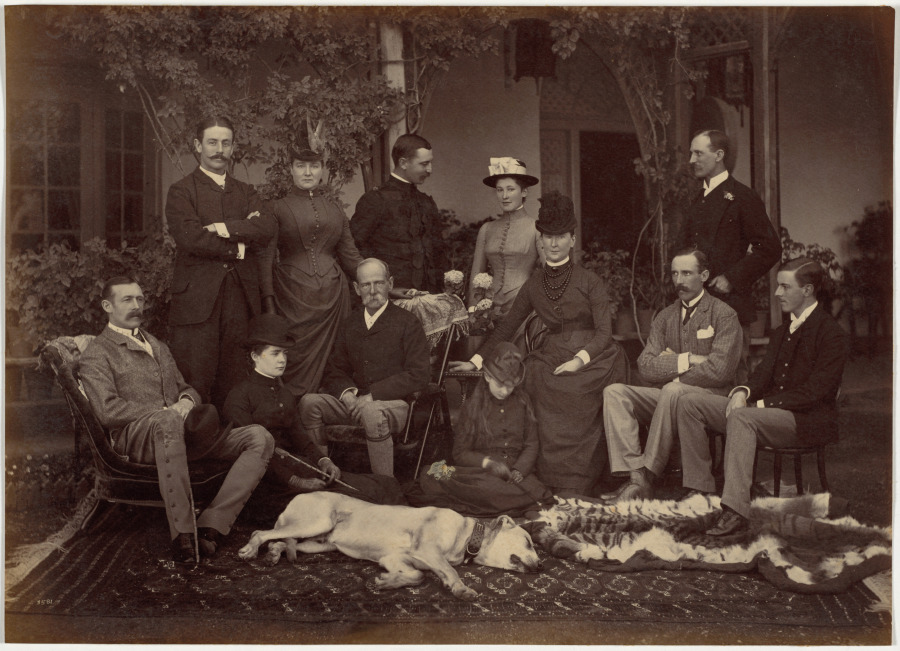 His Eminence Commander in Chief and Party, Shimla
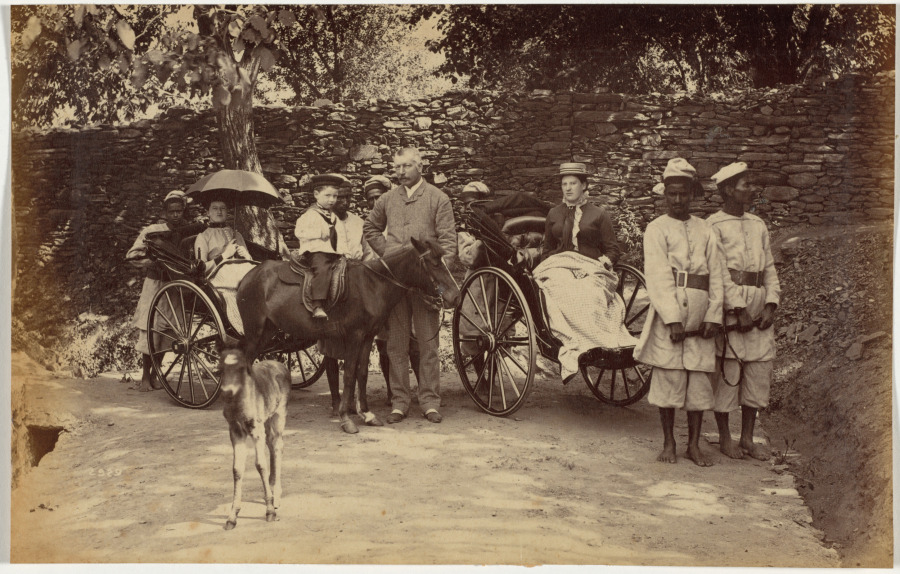 Colonel F. G. Oldham, Shimla
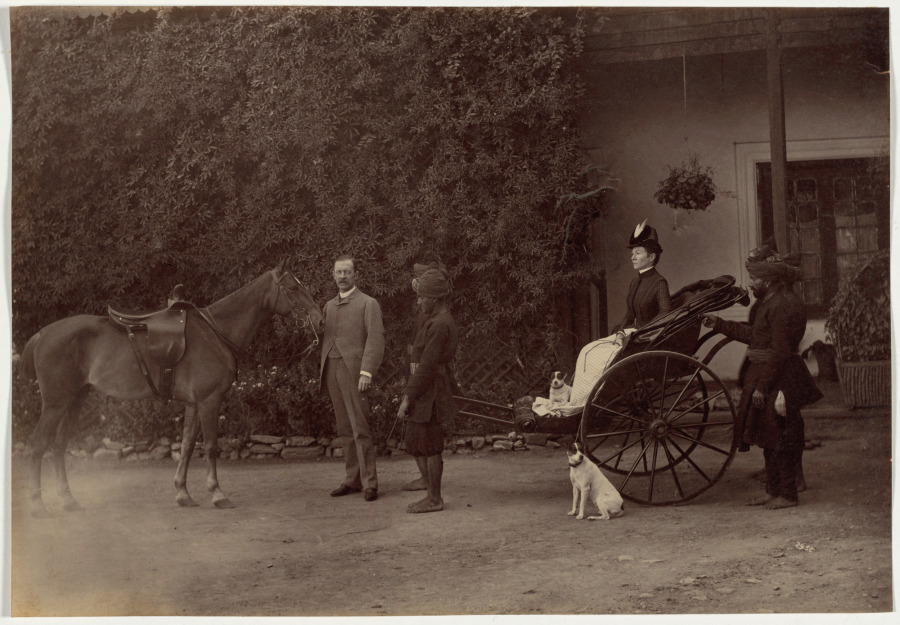 Colonel H.R. Thuillier and His Wife Emmeline Williams Thuill
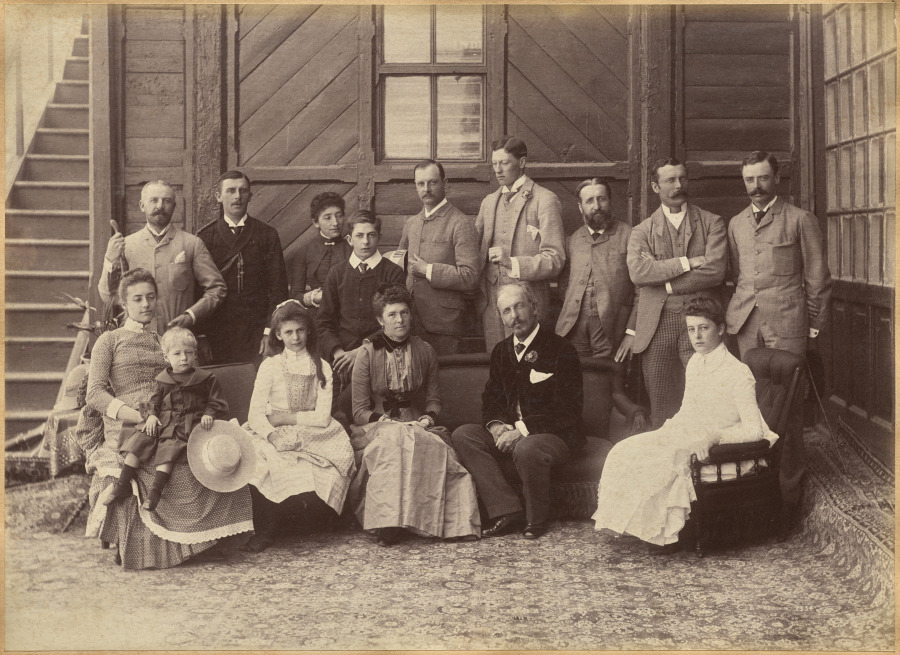 Viceregal Party Shimla (verso)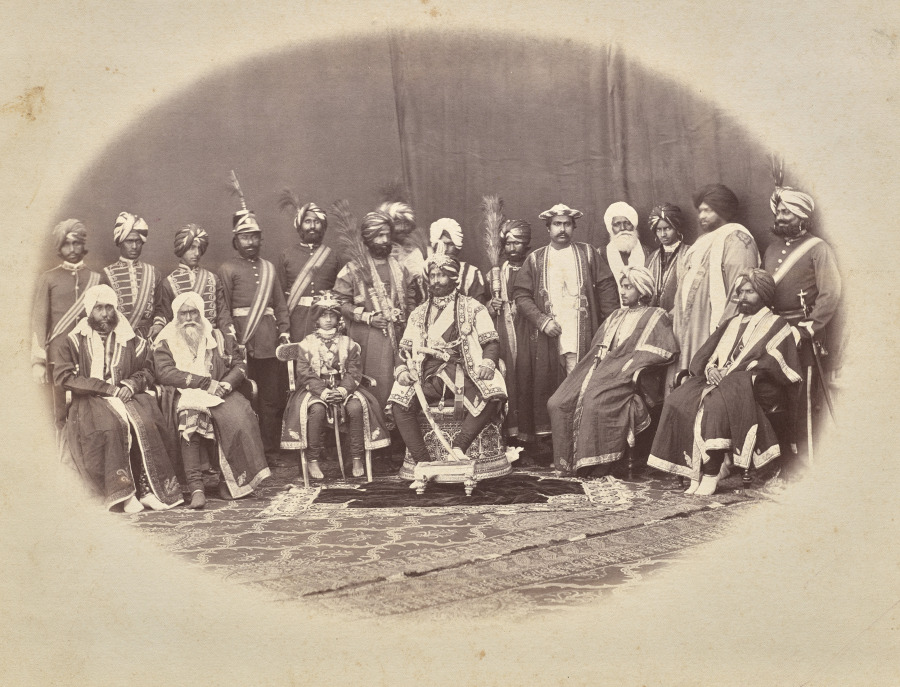
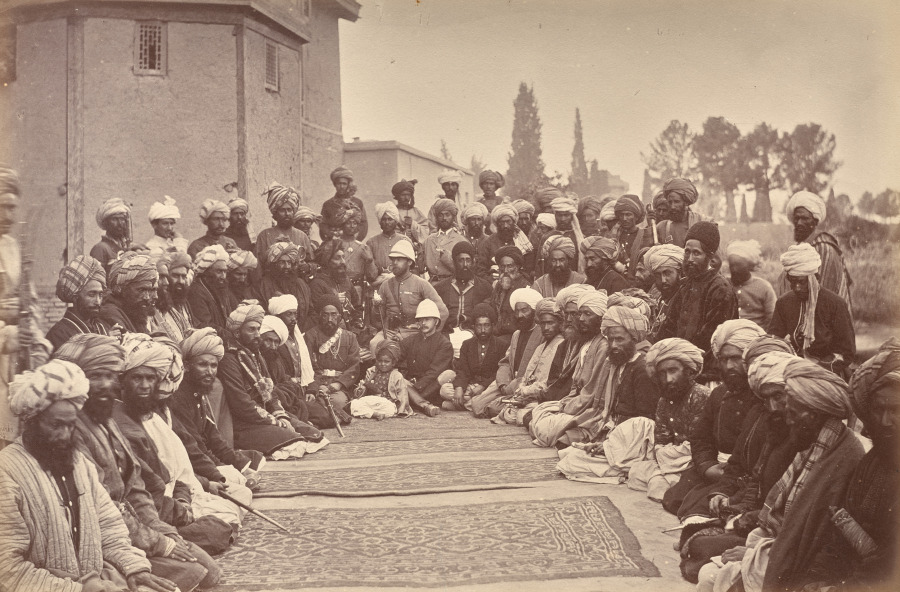
![[Four East Indian Men]](https://images.metmuseum.org/CRDImages/ph/web-large/DP116353.jpg)
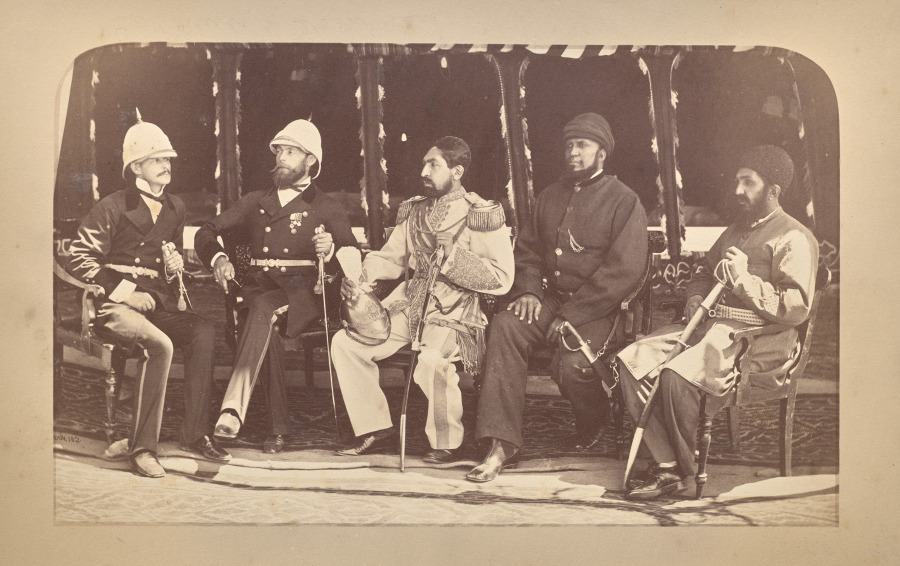
![[Governor General's Body Guard]](https://images.metmuseum.org/CRDImages/ph/web-large/DP146146.jpg)
![[Albert Hall Museum, Jaipur]](https://images.metmuseum.org/CRDImages/ph/web-large/DP71320.jpg)