In the collection of Cleveland Museum of Art, Cleveland — check current display status with the museum.
FROM THE CLEVELAND MUSEUM OF ART’S CATALOG
Crone made Smithy while still a student at the Academy in Munich, and it reflects the style and subject matter favored there. Although it is a drawing, Smithy has the scale and impact of an oil painting. Crone executed the work in charcoal, which can be easily smudged, smeared, and manipulated. The artist used a brush or some other instrument to create large, painterly strokes, perhaps using water or another liquid to help him create brushy effects. This is especially impressive in the blacksmith's apron. Crone also chose a brown paper that exemplifies the dark tones of the Munich School. The drawing is related to a painting that became Crone's best-known work: The Judgement (Das Gericht). The painting was shown at an important exhibition in 1883 and, though lost today, is known from a reproduction that appeared in the exhibition's catalogue. The work depicted a burly blacksmith considering what to do about a young boy caught stealing apples in his shop. The present drawing clearly shows the same bearded model, though he is in a different pose: seated and holding a pipe. The figure has an impressive monumentality, dignity, and scale. The size of the sheet is unusual for a study dra
Be the first to share your thoughts.
Sign in to join the discussion.
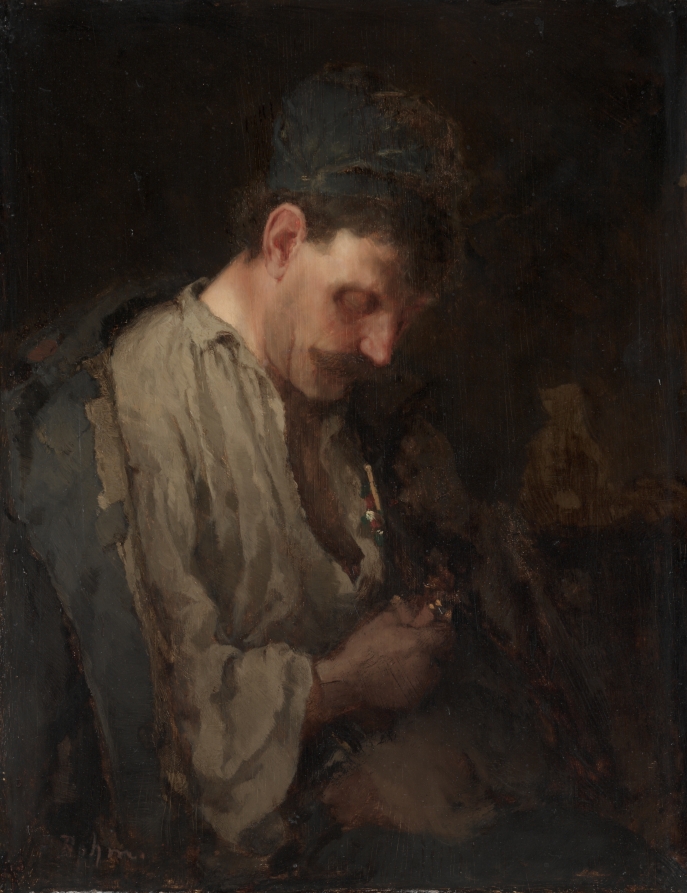 Max Bohm (American, 1868–1923) — Portrait of Mr. C.
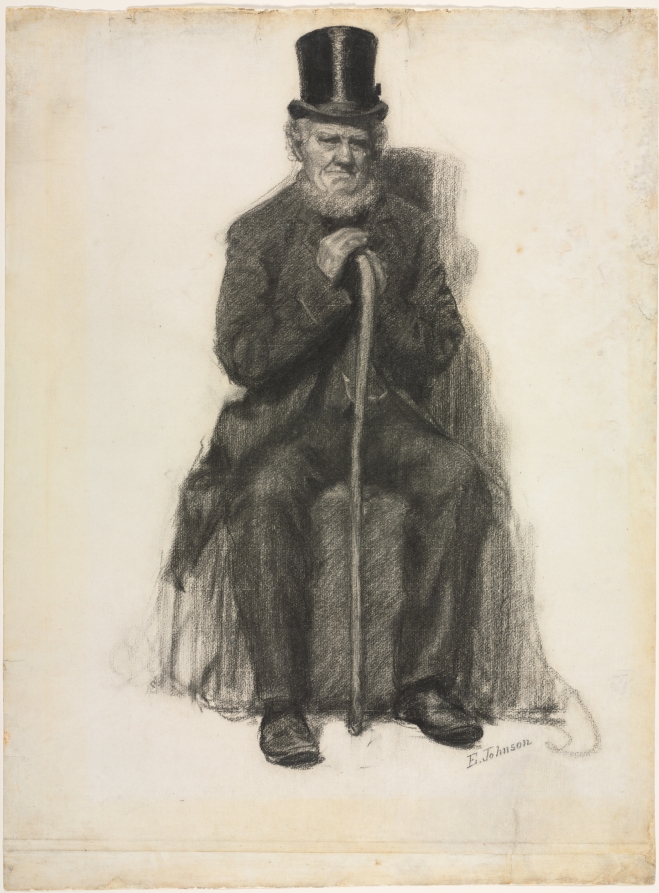 Unknown (American) — Study of an Old Man
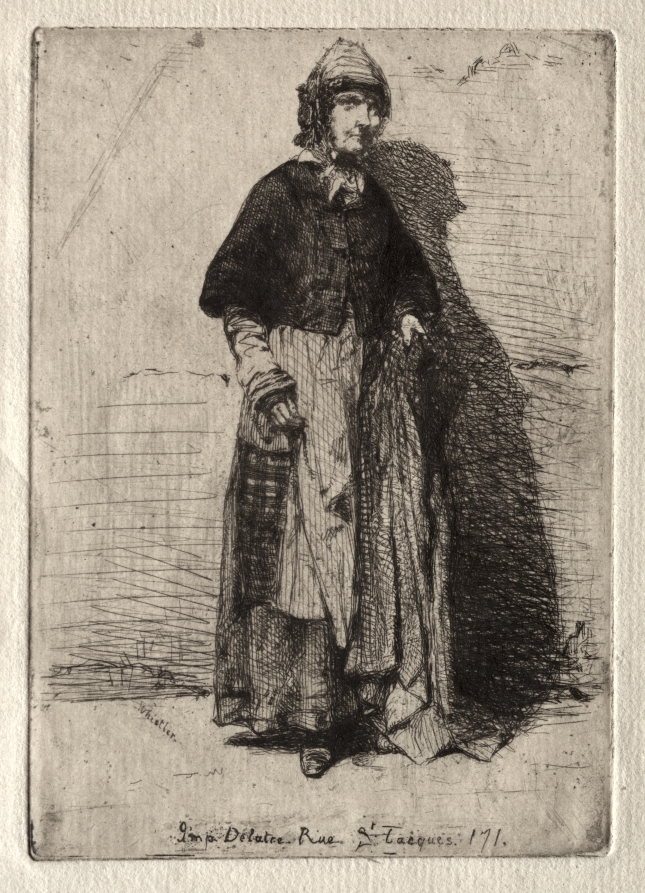 James McNeill Whistler (American, 1834–1903) — The Mother Ge
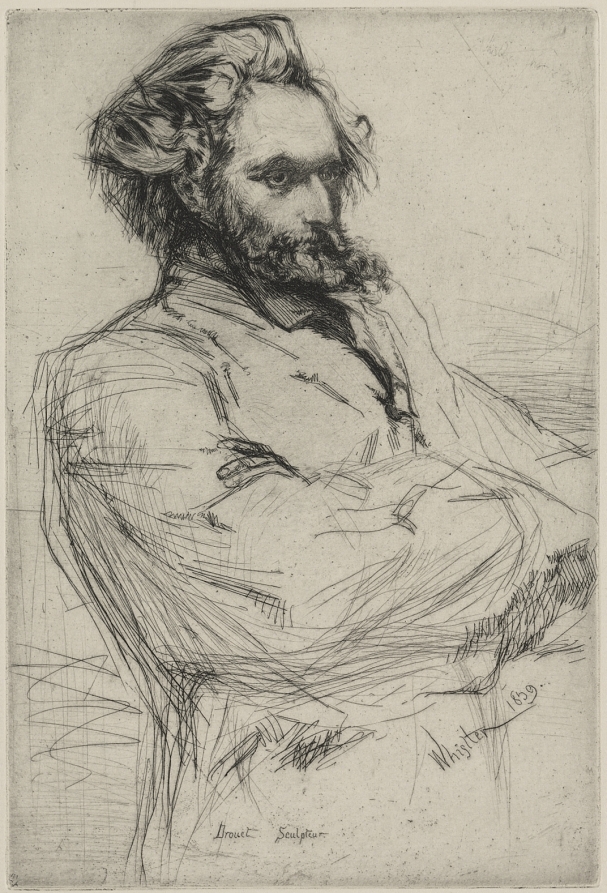 James McNeill Whistler (American, 1834–1903) — Drouet
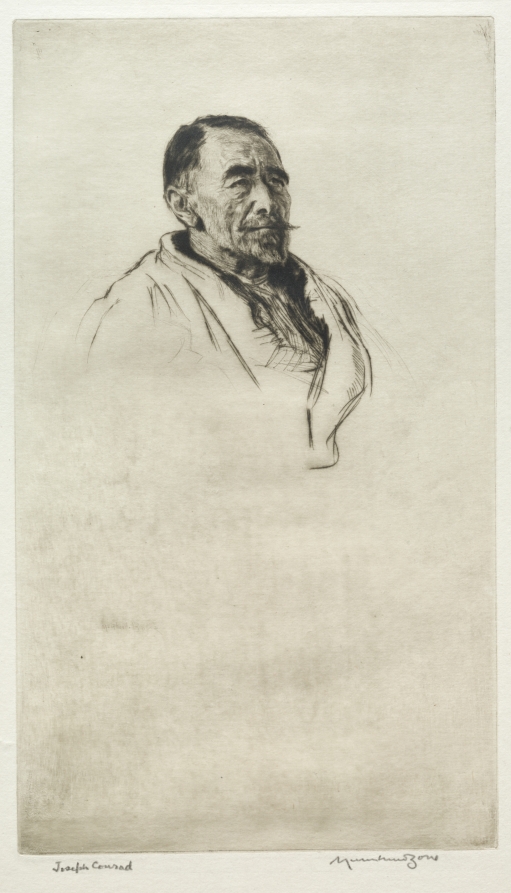 Muirhead Bone (British, 1876–1953) — Arthur Joseph Conrad
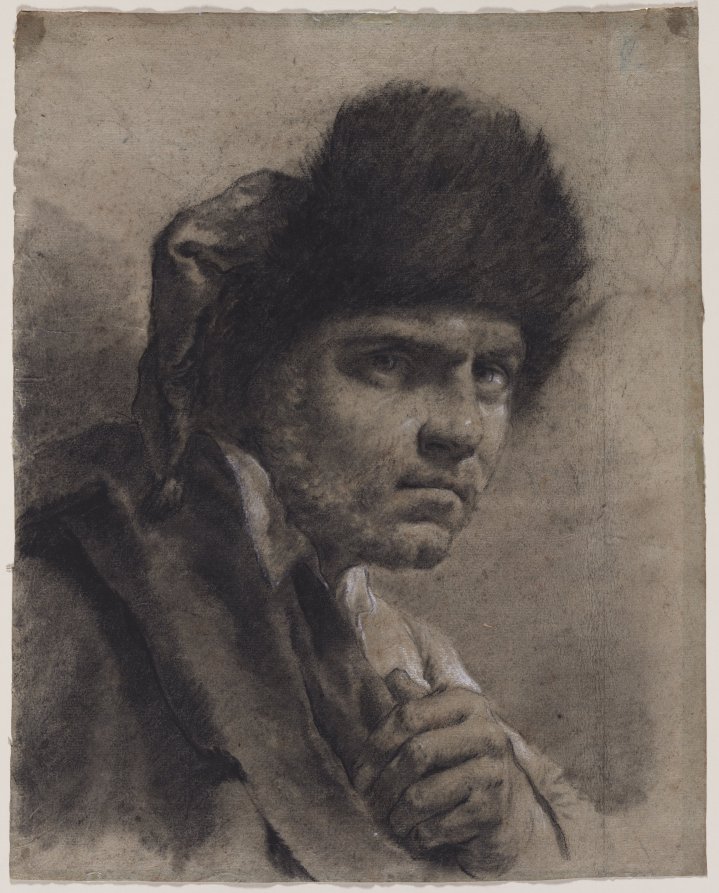 Giovanni Battista Piazzetta (Italian, 1682–1754) — Man with
 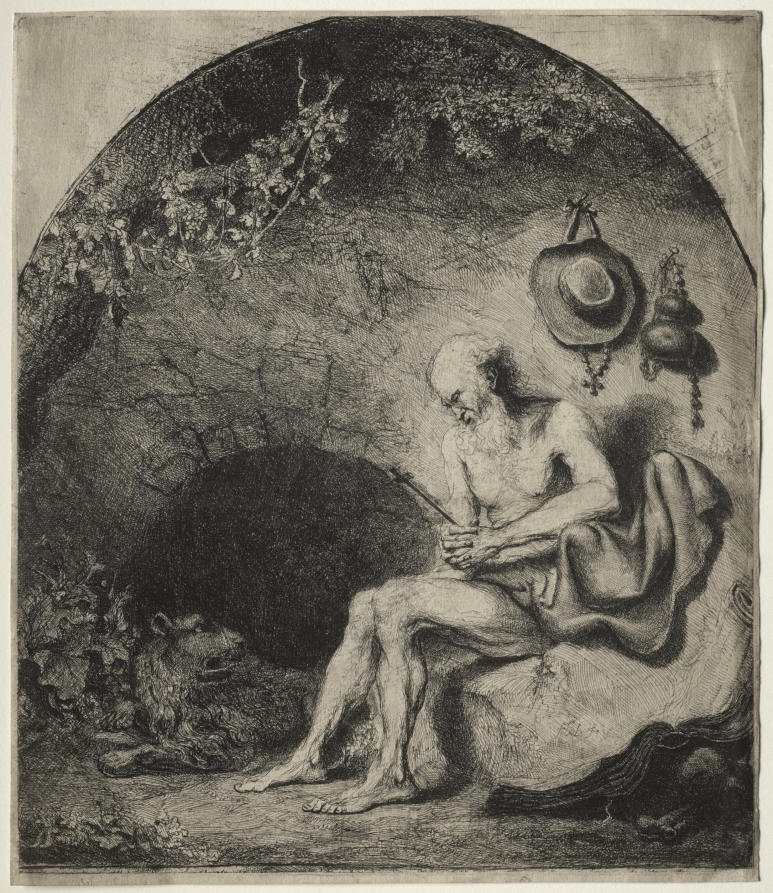 Ferdinand Bol (Dutch, 1616–1680) — St. Jerome in Penitence
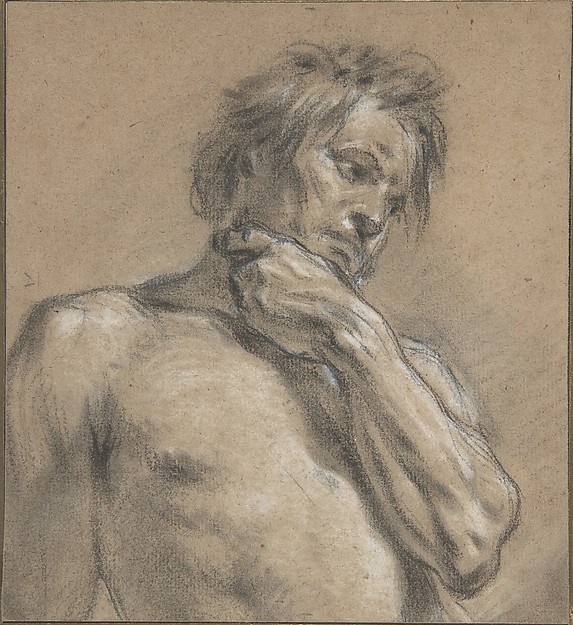 François Boucher — Half-Length Study of a Man
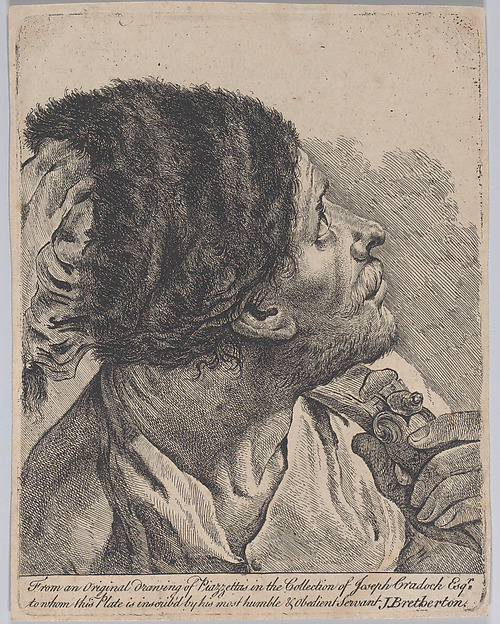 James Bretherton|Giovanni Battista Piazzetta — Man in a fur
 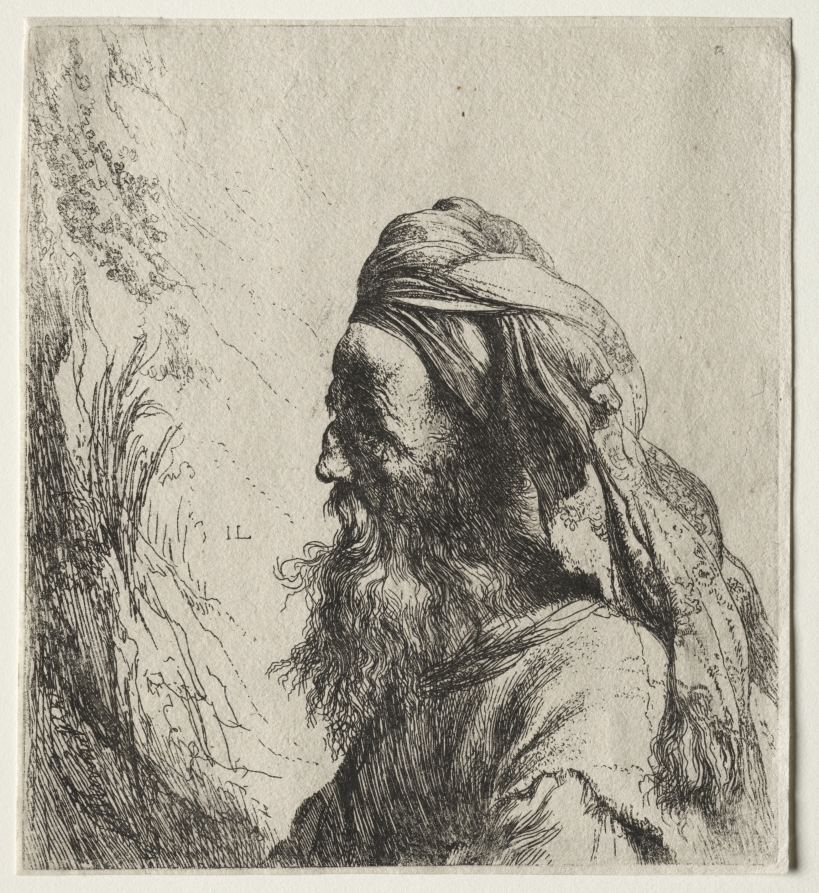 Jan Lievens (Dutch, 1607–1674) — Head of an Oriental
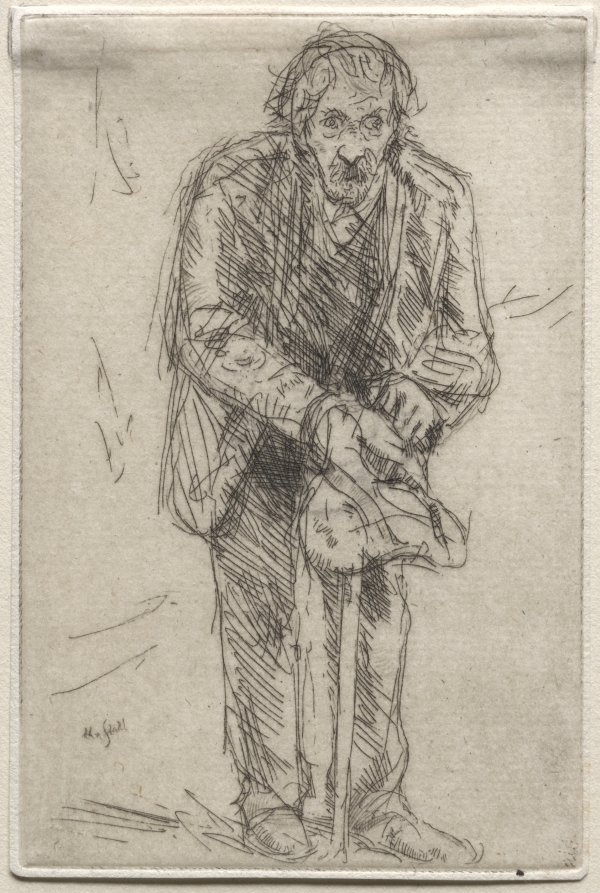 Ernest Haskell (American, 1876–1925) — Paris: The Old Lunat
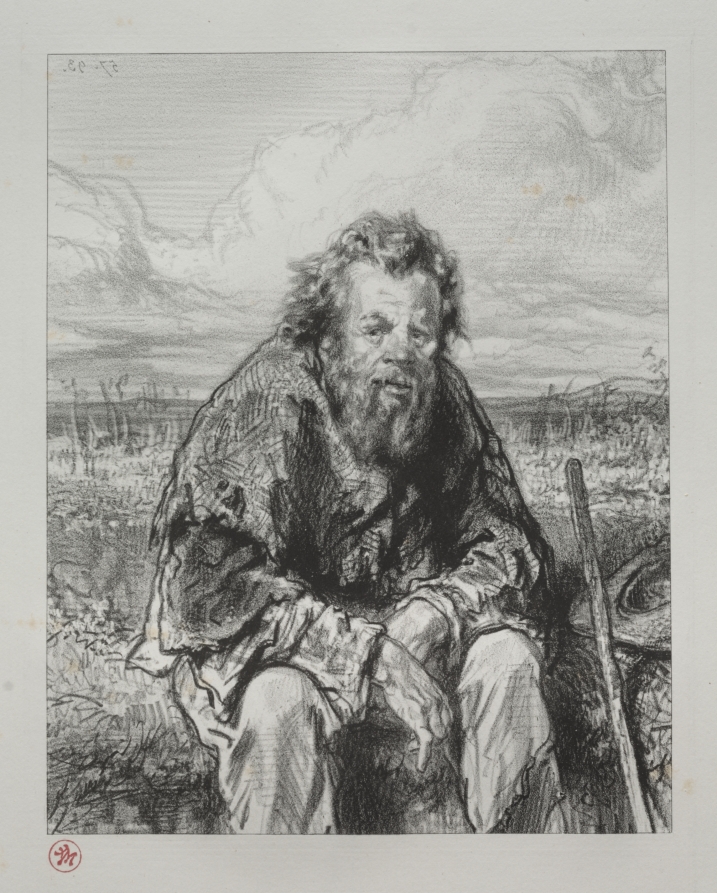 Paul Gavarni (French, 1804–1866) — Do not Mention Policemen