I'timad-ud-Daula's Tomb at Agra
SEE IT IN PERSON
Not currently on view
In the collection of Art Institute of Chicago, Chicago · as of July 2026
Discussion
FROM THE ART INSTITUTE OF CHICAGO’S CATALOG
This architectural rendering of a magnificent tomb at Agra provides an accurate depiction of the semiprecious stones inlaid in white marble, a technique known as pietra dura, and the carved white marble jali screens of the mausoleum built by the Mughal empress Nur Jahan (1577–1645). She commissioned this building in honor of her father, Mirza Ghiyas Beg, who rose to become the prime minister under the emperor Jahangir (reigned 1605–27) and held the exalted title I’timad-ud-Daula (Pillar of the Empire). The powerful Nur Jahan had immense financial resources at her disposal. Built between 1622 and 1628 and modest in size, as befitted the mausoleum of a nobleman rather than an emperor, the structure is unique in its lavish epigraphic and decorative design, highlighting its exquisite quality and craftsmanship. This drawing was created in the Company style, named after the British East India Company, which led English mercantile and political interests in the subcontinent from the early seventeenth to the mid-nineteenth century. British colonists were eager to record and catalogue everything they saw. In the absence of photography, British and Indian artists depicted the sights in finel
Be the first to share your thoughts.
Sign in to join the discussion.
More like this
 Marius Bauer — Taj Mahal bij maanlicht
 Samuel Bourne (British, 1834–1912) — Agra. The Taj, the Cent
 Jules-Edmond-Charles Lachaise|Eugène-Pierre Gourdet — Design
 Untitled (Jama Masjid, Delhi)
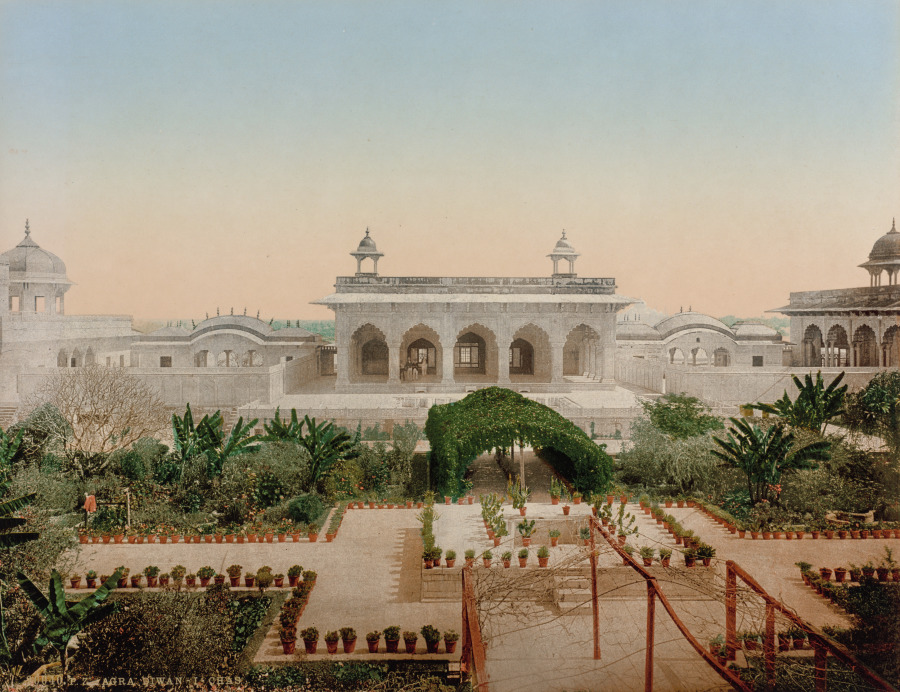 Photoglob Co. (Zurich, active c. 1890–1910) — Agra. Diwan-i-
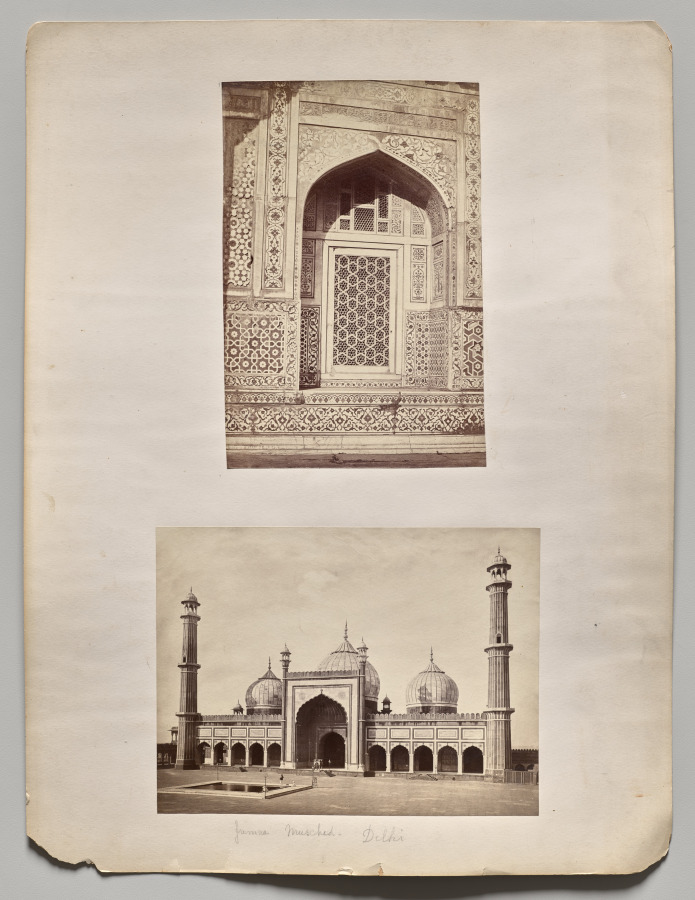 Untitled (Jama Masjid, Delhi)
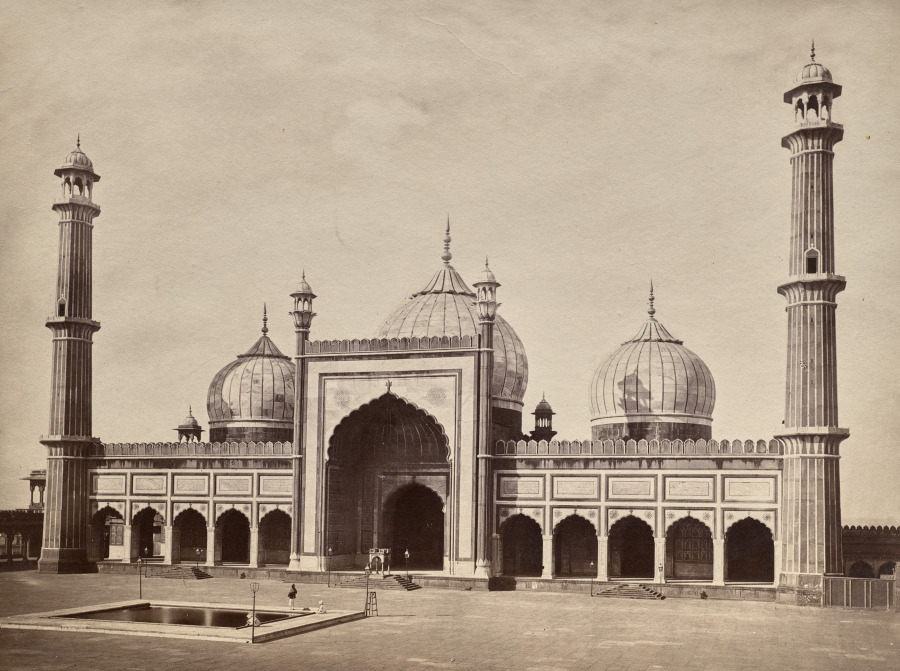 Untitled (Jama Masjid, Delhi)
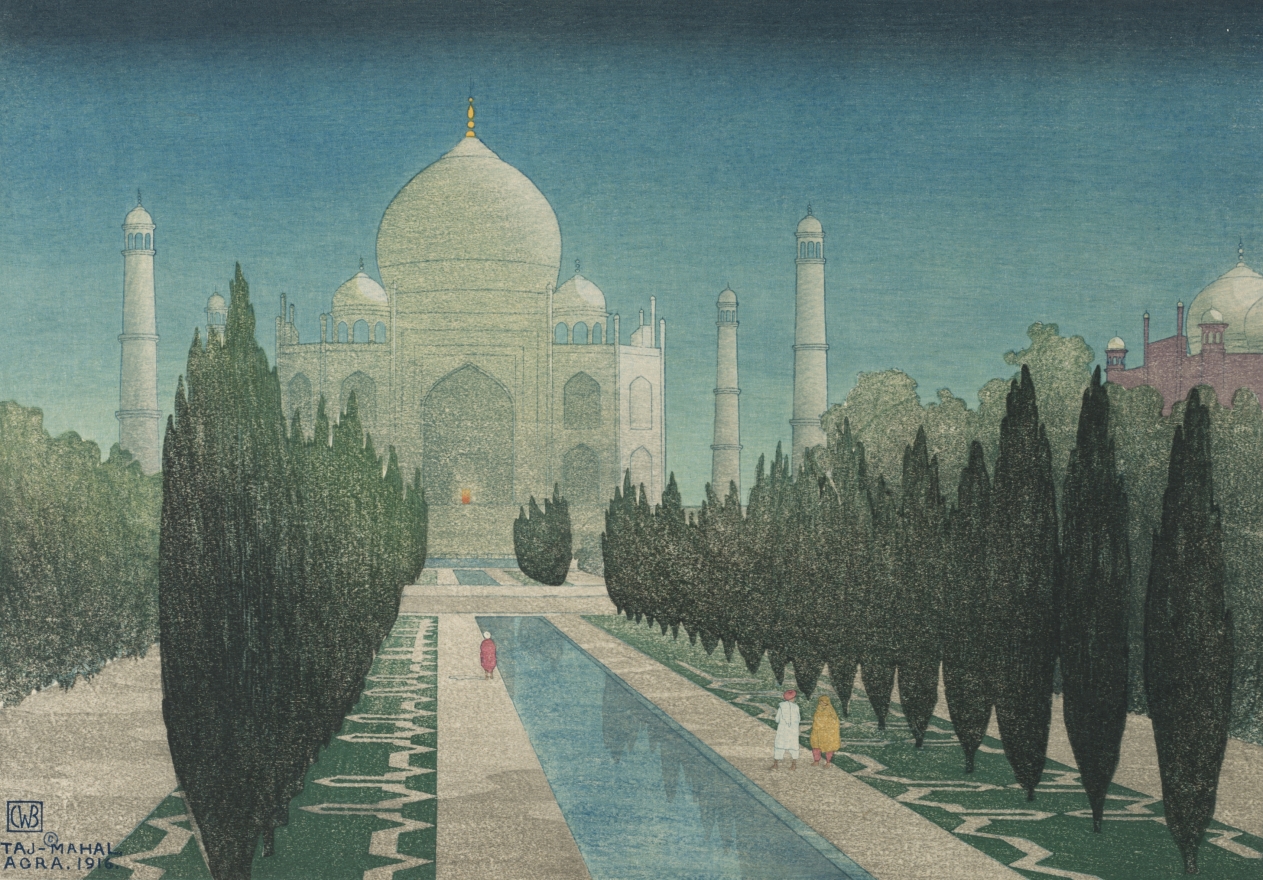 Charles William Bartlett (British, 1860–1940) — Taj Mahal, A
![[Itmad-Ud-Daulah's Tomb, Agra]](https://images.metmuseum.org/CRDImages/ph/web-large/DP72037.jpg) Unknown — [Itmad-Ud-Daulah's Tomb, Agra]
Unknown — [Itmad-Ud-Daulah's Tomb, Agra]![[Itmad-Ud-Daulah's Tomb, Agra]](https://images.metmuseum.org/CRDImages/ph/web-large/DP71324.jpg) Unknown — [Itmad-Ud-Daulah's Tomb, Agra]
Unknown — [Itmad-Ud-Daulah's Tomb, Agra]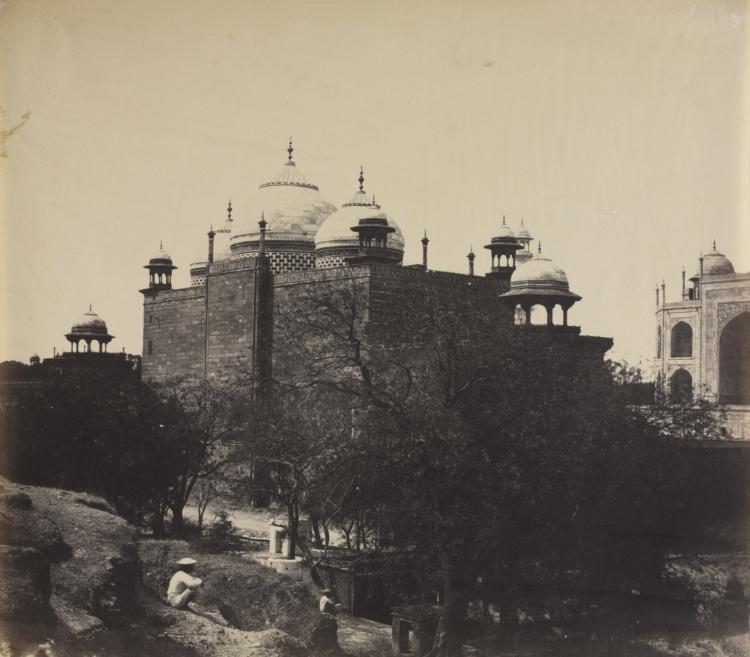 Dr. John Murray (Scottish, 1809–1898) — Taj Mahal, Back View