In the collection of Cleveland Museum of Art, Cleveland — check current display status with the museum.
FROM THE CLEVELAND MUSEUM OF ART’S CATALOG
Dürer conceived this fantastical chariot as part of a larger commission to depict Holy Roman Emperor Maximilian I (reigned 1486–1519) in a triumphal procession. The ruler sits enthroned in the lavish car, as Victory holds a laurel wreath above his imperial crown. Her feathered wings list Maximilian’s military campaigns. Nearly every component of the allegorical pageant—from the entourage of female attendants to the laurel garlands—has a Latin label describing honorable qualities of an ideal prince. The car rolls on wheels of Magnificence, Honor, Dignity, and Glory. Its driver is Reason, who guides a team of 12 horses with reins of Nobility and Power. Virtues of Justice, Strength, Wisdom, and Temperance, stand on pedestals arranged around the emperor. Maximilian died in 1519, before the ambitious commission could be completed. Dürer published The Great Triumphal Car at his own expense with text composed by his friend Willibald Pirckheimer (1470–1530).
Be the first to share your thoughts.
Sign in to join the discussion.
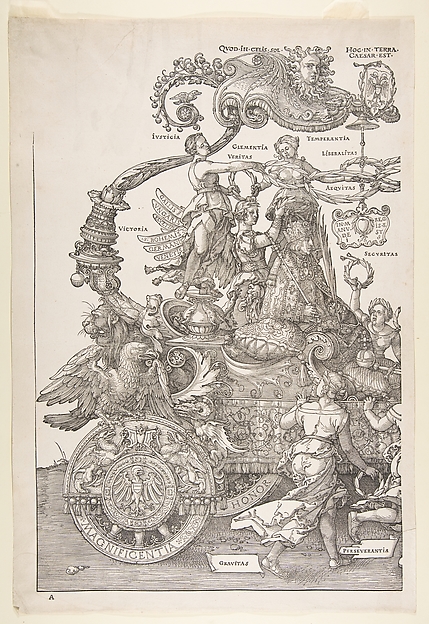 Albrecht Dürer — The Triumphal Chariot of Maximilian I (The
 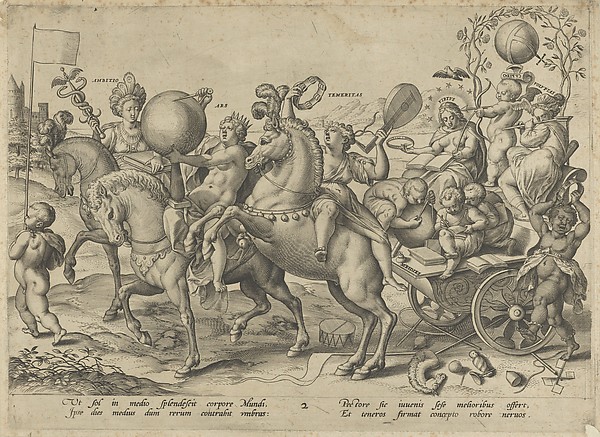 Hieronymus (Jerome) Wierix|Ambrosius Francken I — Youth (Mid
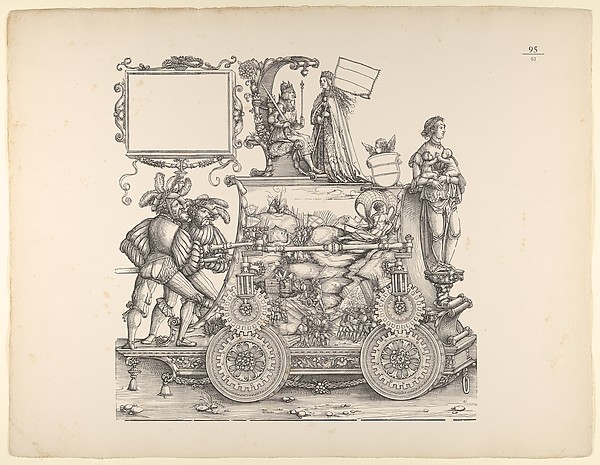 Hans Burgkmair|Adolf Holzhausen — Wartime Triumphs, from The
 Hans Burgkmair|Jost de Negker|Marx Treitz-Sauerwein von Ehre
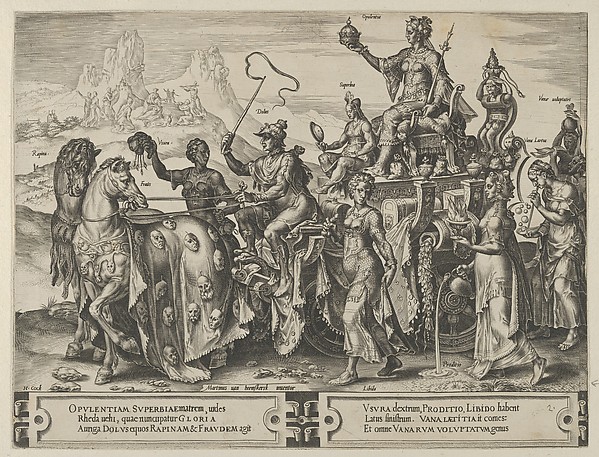 Cornelis Cort|Maarten van Heemskerck|Hieronymus Cock — The T
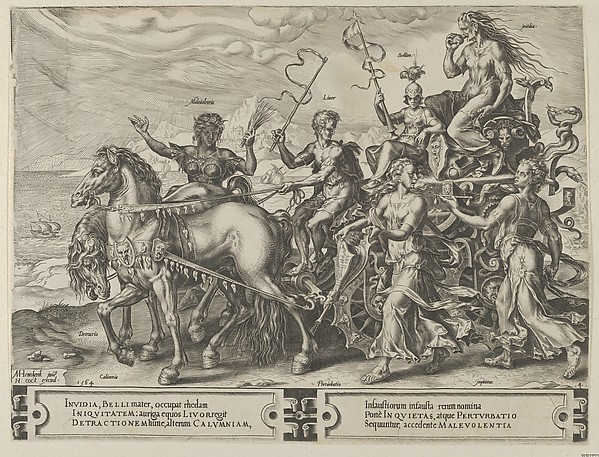 Cornelis Cort|Maarten van Heemskerck|Hieronymus Cock — The T
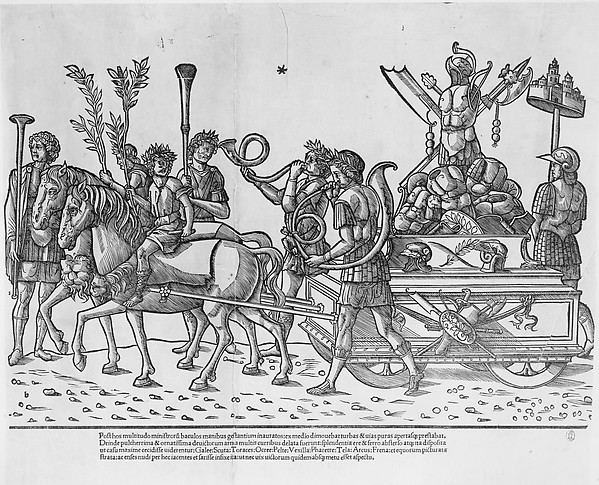 Jacob of Strasbourg|Benedetto Bordone — Chariot with trophie
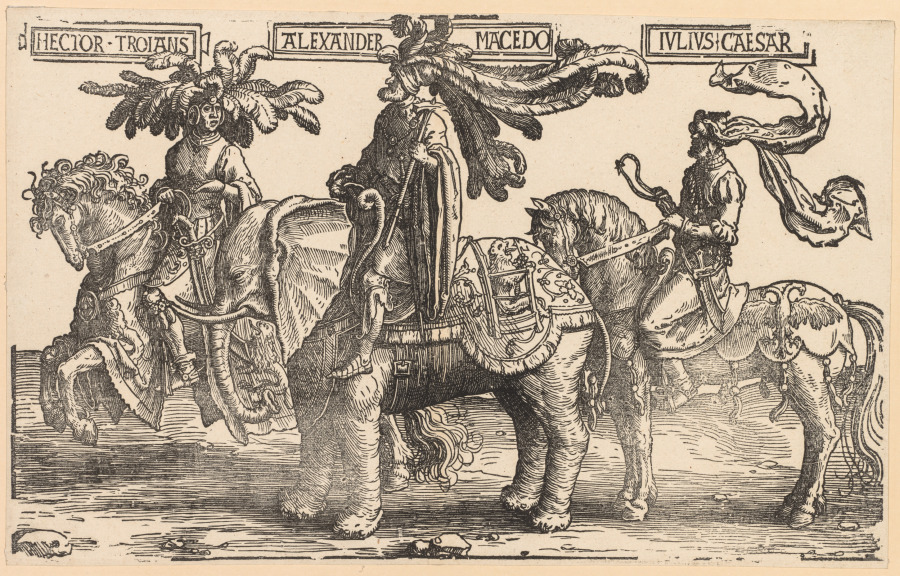 Lucas van Leyden (Netherlandish, 1494–about 1533) — The Nine
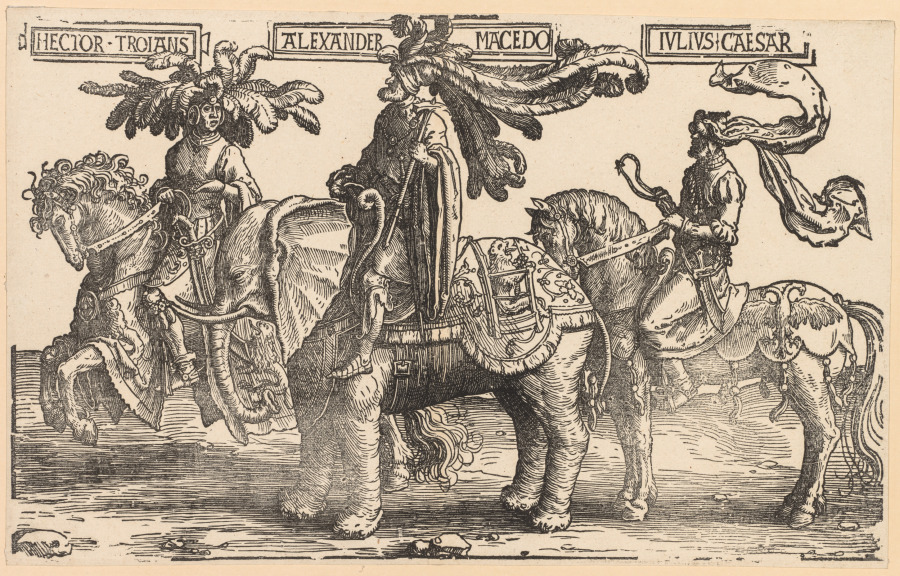 Lucas van Leyden (Netherlandish, 1494–about 1533) — The Nine
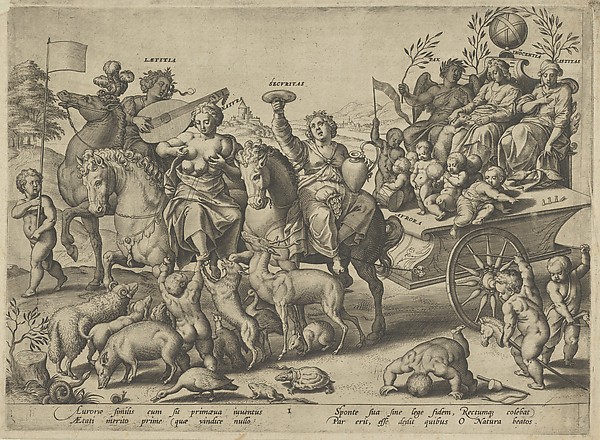 Hieronymus (Jerome) Wierix|Ambrosius Francken I — Childhood
 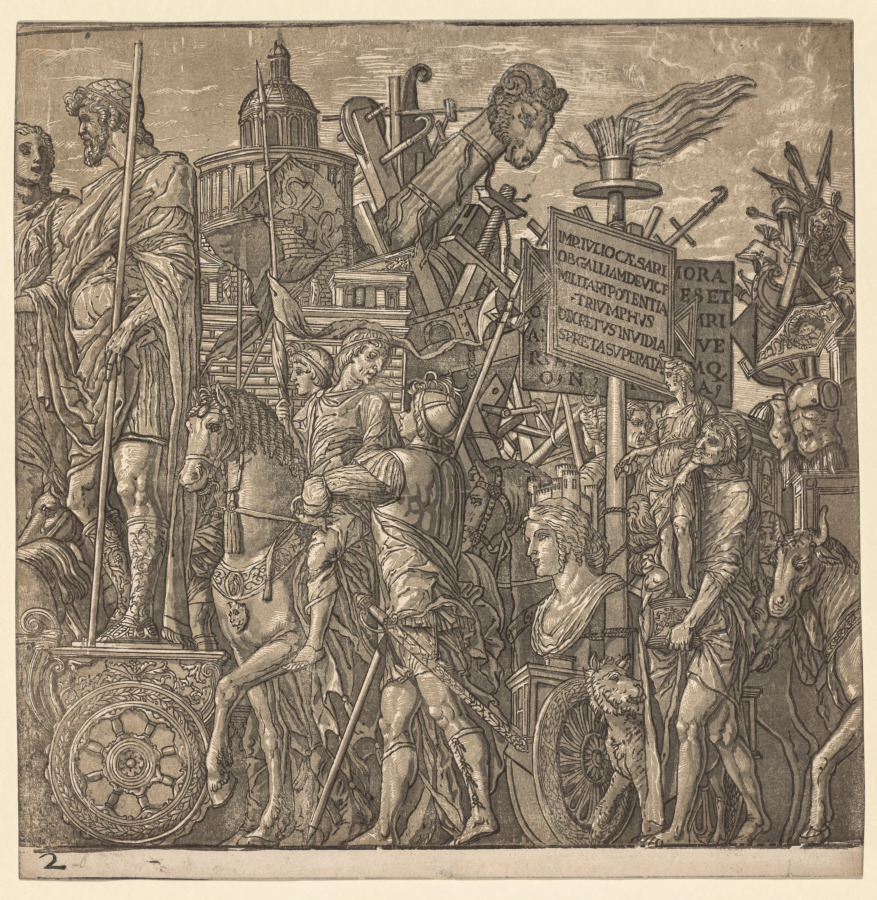 Andrea Andreani (Italian, about 1558–1610) — The Triumph of
 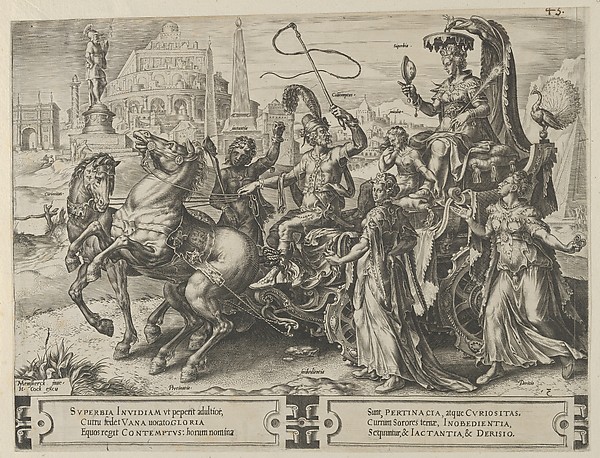 Cornelis Cort|Maarten van Heemskerck|Hieronymus Cock — The T
![Madonna and Child [obverse]](https://api.nga.gov/iiif/878db7e6-10ae-4cae-ba5d-6d6f5c413ae8/full/!500,500/0/default.jpg)
![Lot and His Daughters [reverse]](https://api.nga.gov/iiif/7565a449-f82a-414b-9bda-c93f55a51b4d/full/!500,500/0/default.jpg)