Fortitude: Unexecuted Design for the Monument to the First Duke of Marlborough
c. 1733
Pen and brown ink, with brush and brown wash, over graphite, on cream laid paper, tipped onto ivory laid paper
12.1 × 9.5 cm (4.8 × 3.7 in)
SEE IT IN PERSON
Not currently on view
In the collection of Art Institute of Chicago, Chicago · as of July 2026
Discussion
Be the first to share your thoughts.
Sign in to join the discussion.
More by John Michael Rysbrack
 Study for Sculpture of William III
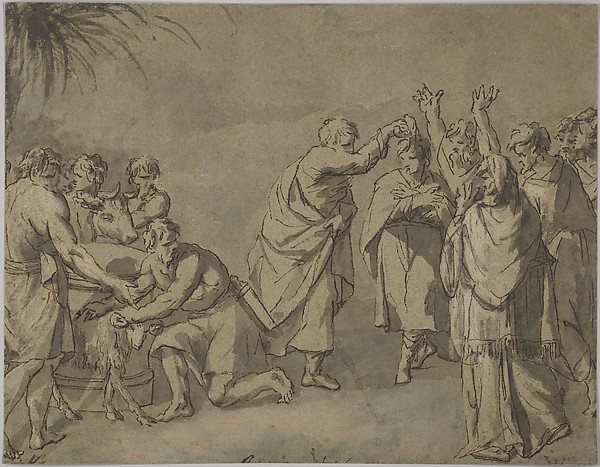 The Return of Joseph
 Warrior Accompanied by Britannia, Minerva, and Fame (recto);
 Unexecuted Design for the Monument to the First Duke of Marl
 Three Studies for Statue of John Locke
 Bust of Milton
 Standing Female Figure with Right Hand Raised
 Design for a Funerary Monument: Four Draped Mourning Female
 More like this
 Luca Cambiaso — Sibyl in the Clouds
 François Verdier — Draped Woman Holding Urn
 Domenichino — Voluntary Poverty
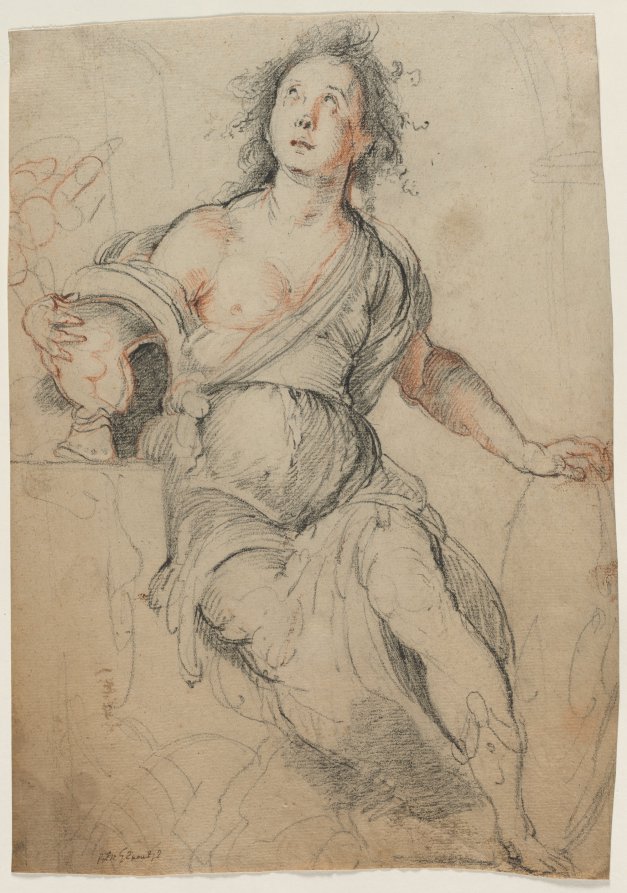 Bernardo Strozzi (Italian, 1581?-1644) — Allegorical Figure
 Conte Antonio Maria Zanetti, the Elder — Young Man Standing
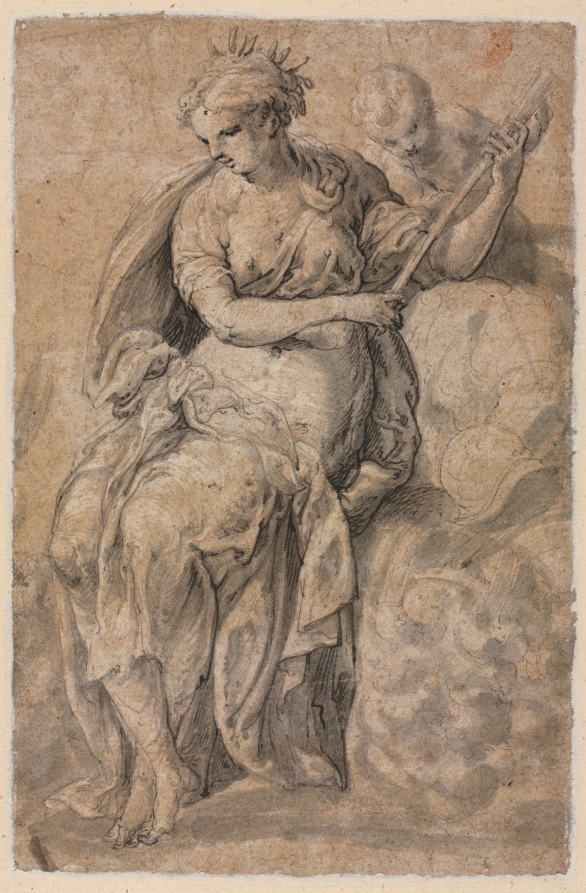 Niccolo dell' Abbate (Italian, c. 1512–1571) — Allegorical F
 Giuseppe Antonio Caccioli — Allegorical Figure of Temperance
 Unknown — Allegory
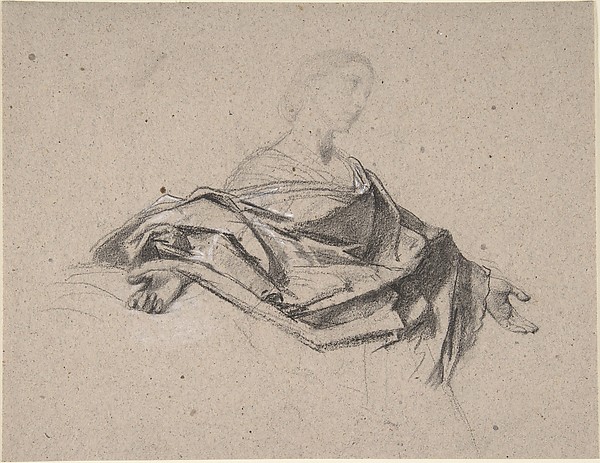 François-Claudius Compte-Calix — Half-Length Figure of a Wom
 Perino del Vaga — Female Caryatid
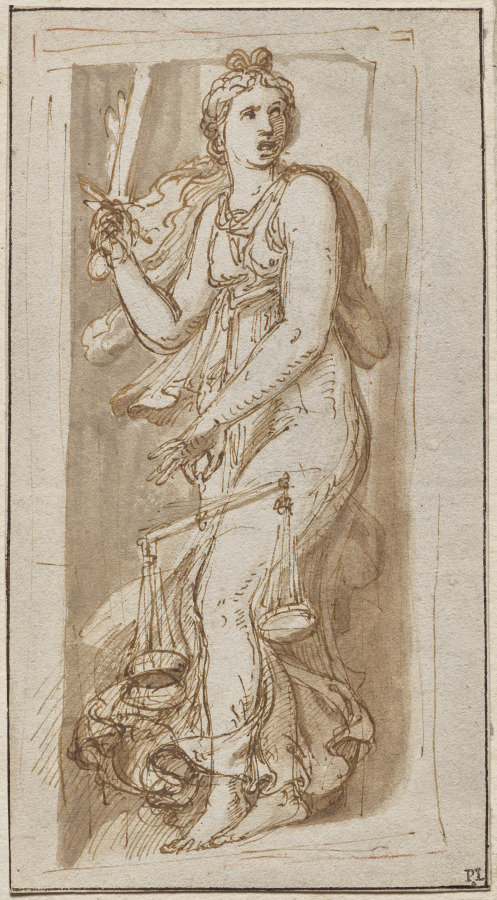 Giulio Romano (Italian, 1492/99–1546) — Justice
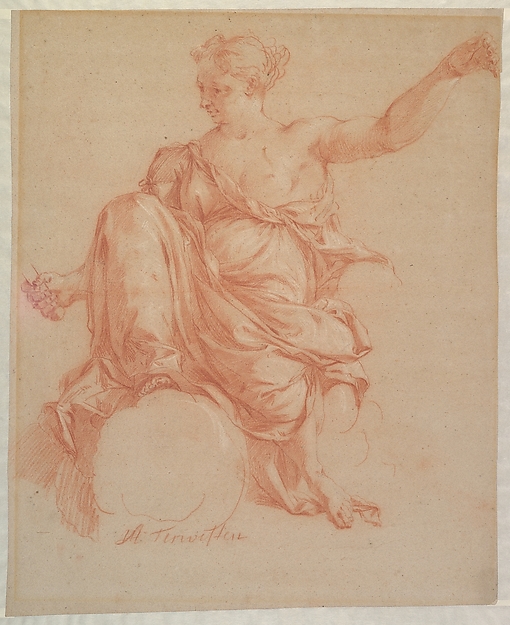 Augustin Terwesten — Study for an Allegory