Rest on the Flight into Egypt
1657
Black chalk, with pen and brown and black ink and traces of red chalk, on blue-gray laid paper, laid down
23.2 × 28.5 cm (9.1 × 11.2 in)
SEE IT IN PERSON
Not currently on view
In the collection of Art Institute of Chicago, Chicago · as of July 2026
Discussion
Be the first to share your thoughts.
Sign in to join the discussion.
More by Francesco Albani



More like this
 Style of Raffaellino da Reggio — Holy Family with the Infant
 Flaminio Torre — Rest on the Flight into Egypt
 Jacopo Palma, called il Vecchio — Holy Family with Angel
 Veronese (Paolo Caliari) — Mystic Marriage of St. Catherine
 Anonymous, Italian, 16th century — Virgin and Child with Sai
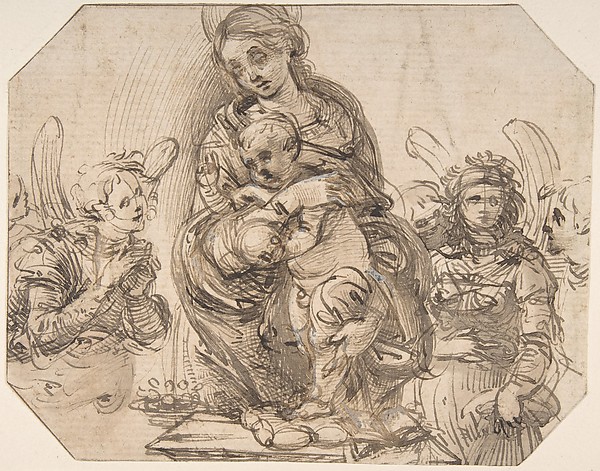 Filippino Lippi — Virgin and Child Attended by Angels
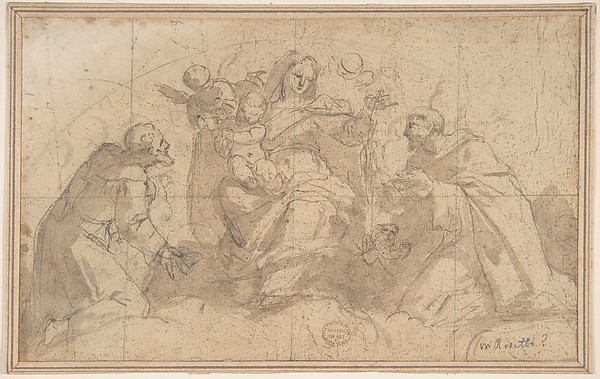 Anonymous, Italian, Roman-Bolognese, 17th century — Madonna
 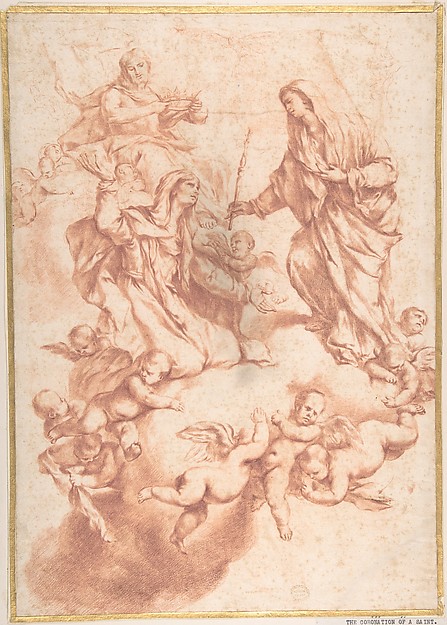 Luca Giordano — Saint Anne Received in Heaven by Christ and
  Unknown artist
Venetian, 18th century — Virgin and Child wit
Unknown artist
Venetian, 18th century — Virgin and Child wit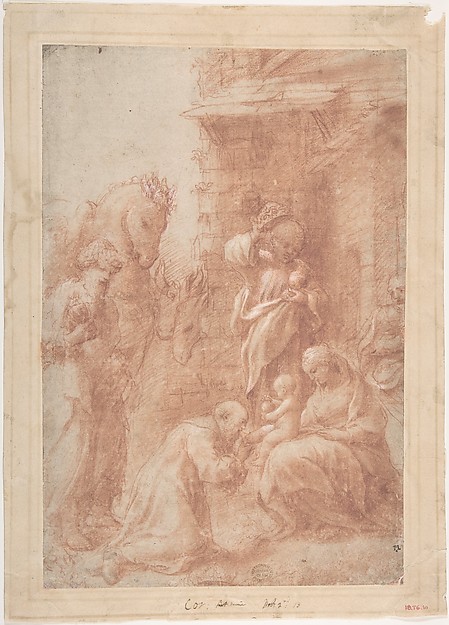 Correggio (Antonio Allegri) — The Adoration of the Magi
 Dirck Hendricksz., called Centen, also called Teodoro d'Erri
 Anonymous, Italian, Roman-Bolognese, 17th century — Saint Ad