FROM THE CLEVELAND MUSEUM OF ART’S CATALOG
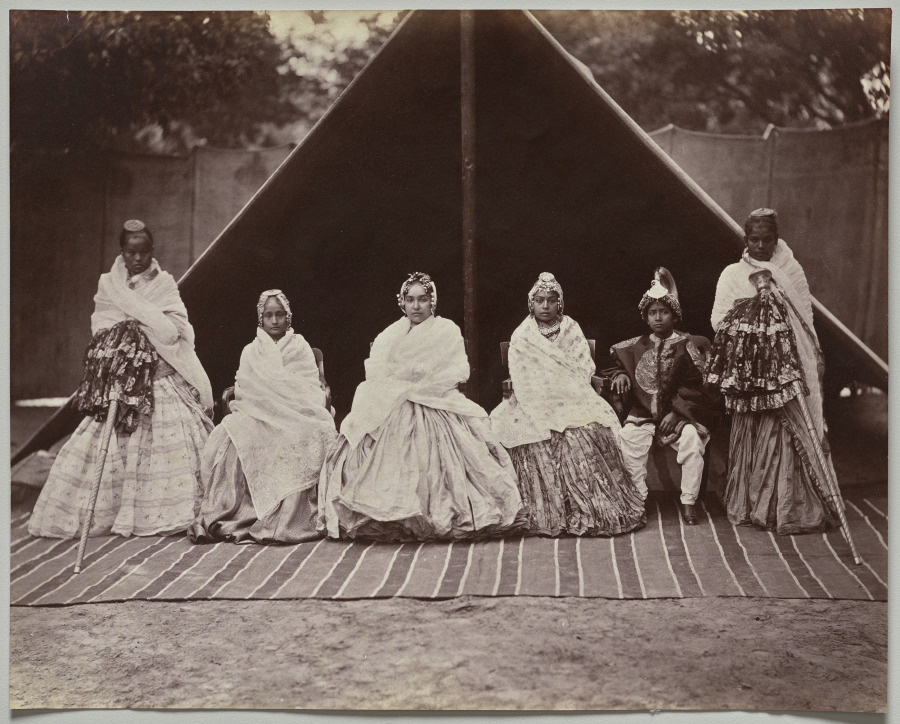
Deen Dayal uses the arrangement of people and the architecture to point to the most important person in the photograph. Here, the Maharaja of Rewa is placed front and center. “Sardars,” inscribed on the top picture’s mount, refers to the military officials surrounding him. After 1858, British influence dictated that Indian rulers be educated in European history and ideas as well as their local culture and history. In the bottom image, the young maharaja is shown with Indian teachers, but the instructional tools are Western: bound books and a raised relief globe (with Asia visible).
Source ↗︎
Be the first to share your thoughts.
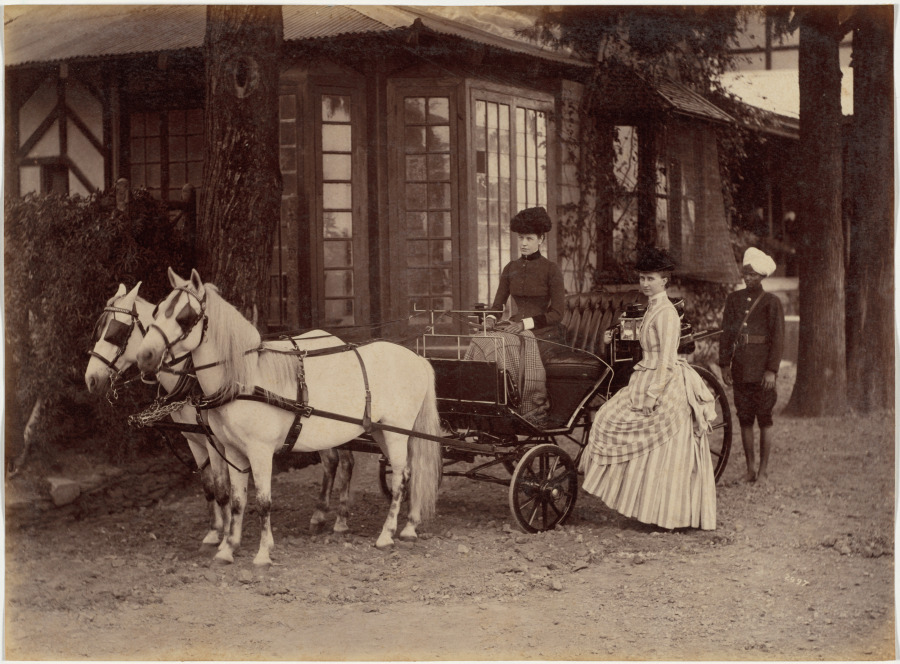 Mrs. and Miss Lyall, Shimla
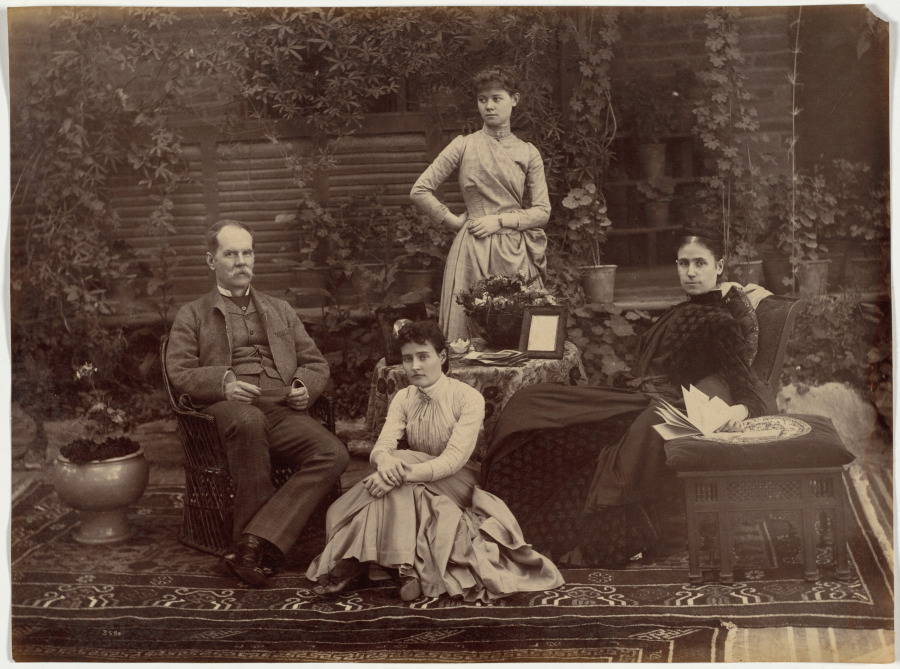 Sir Auckland Colvin and Family, Shimla
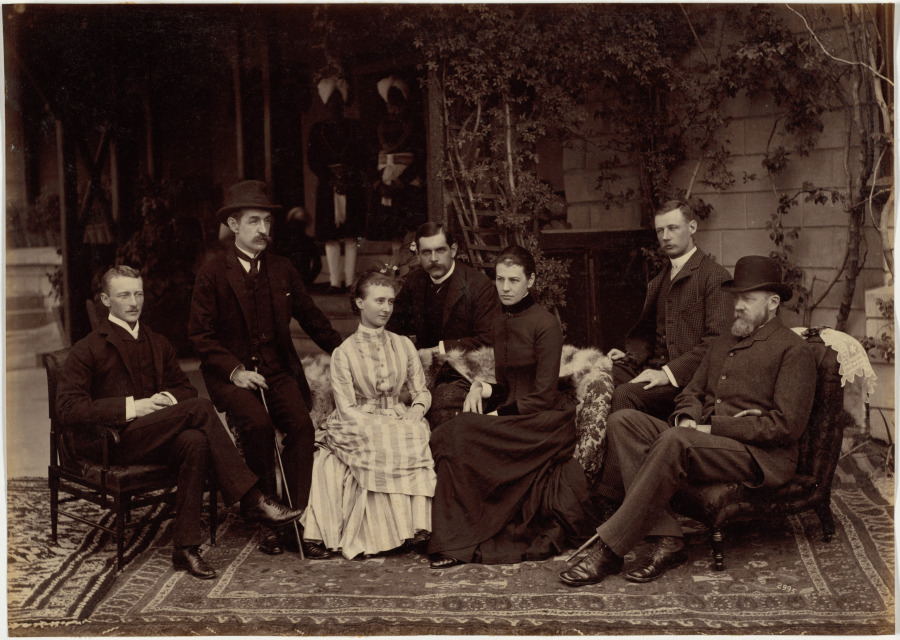 His Honor The Lieutenant Governor of the Punjab and Party, S
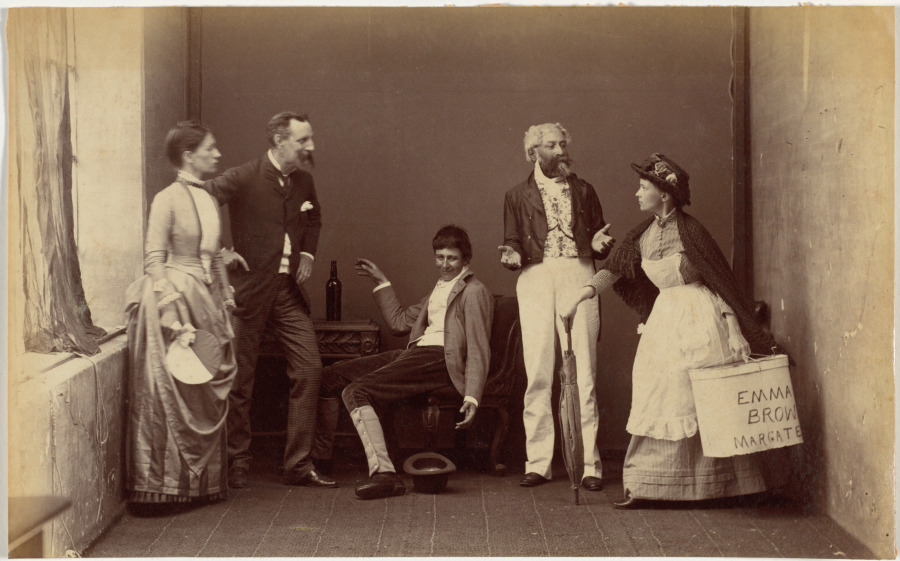 Fancy Group, Indore I
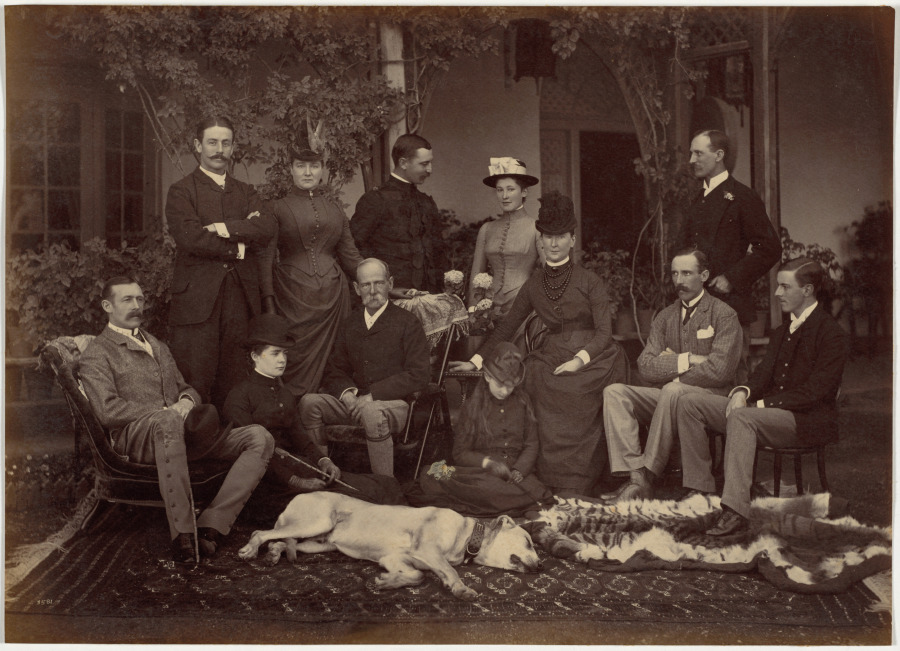 His Eminence Commander in Chief and Party, Shimla
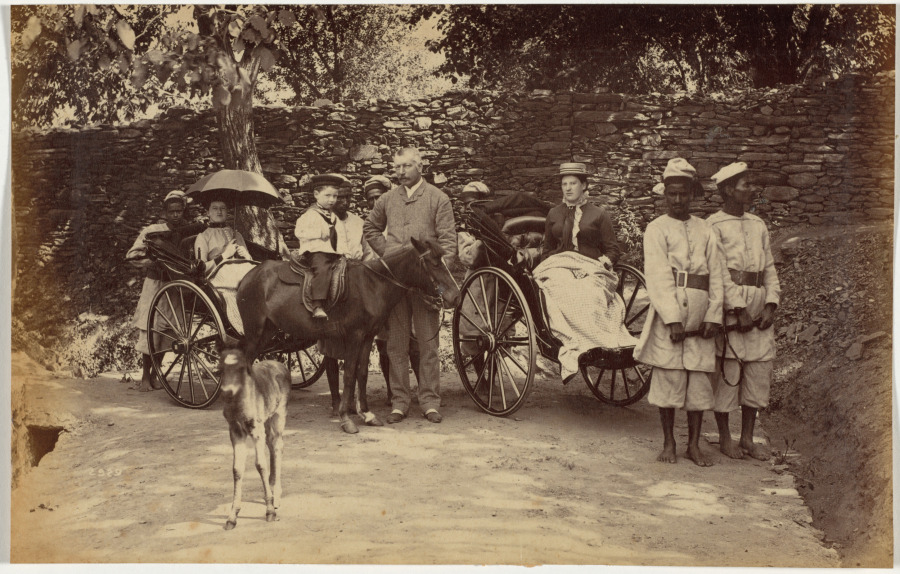 Colonel F. G. Oldham, Shimla
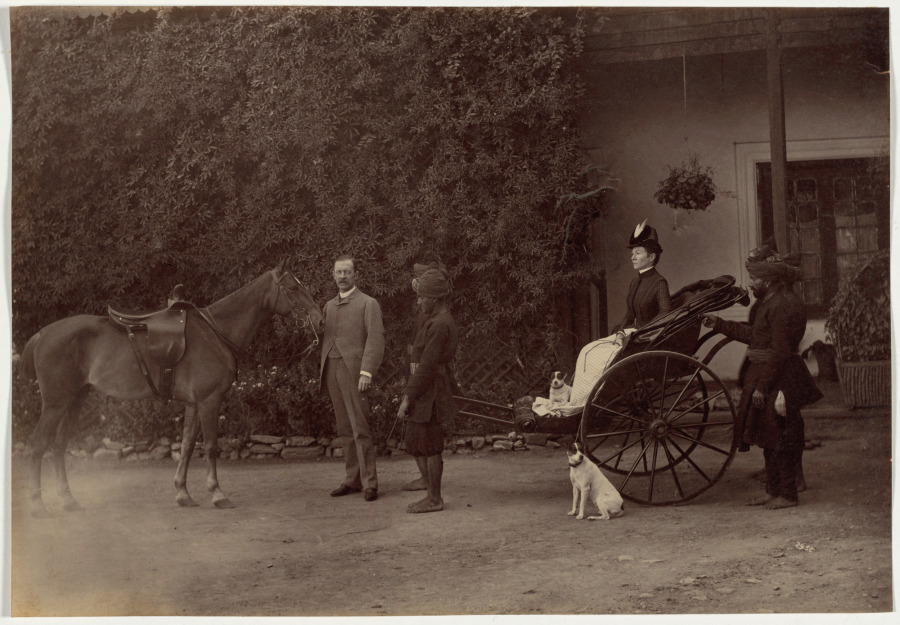 Colonel H.R. Thuillier and His Wife Emmeline Williams Thuill
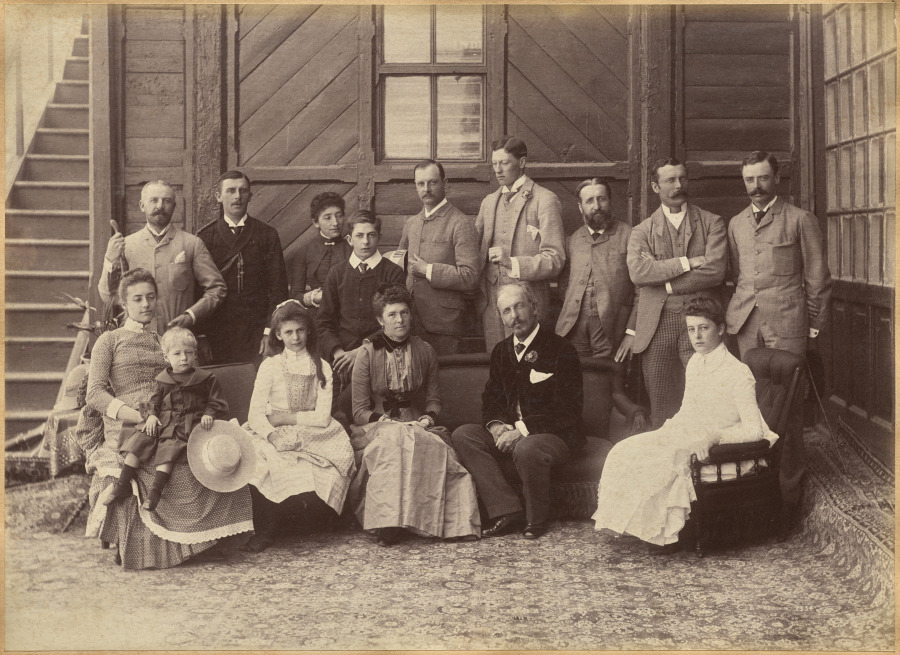 Viceregal Party Shimla (verso)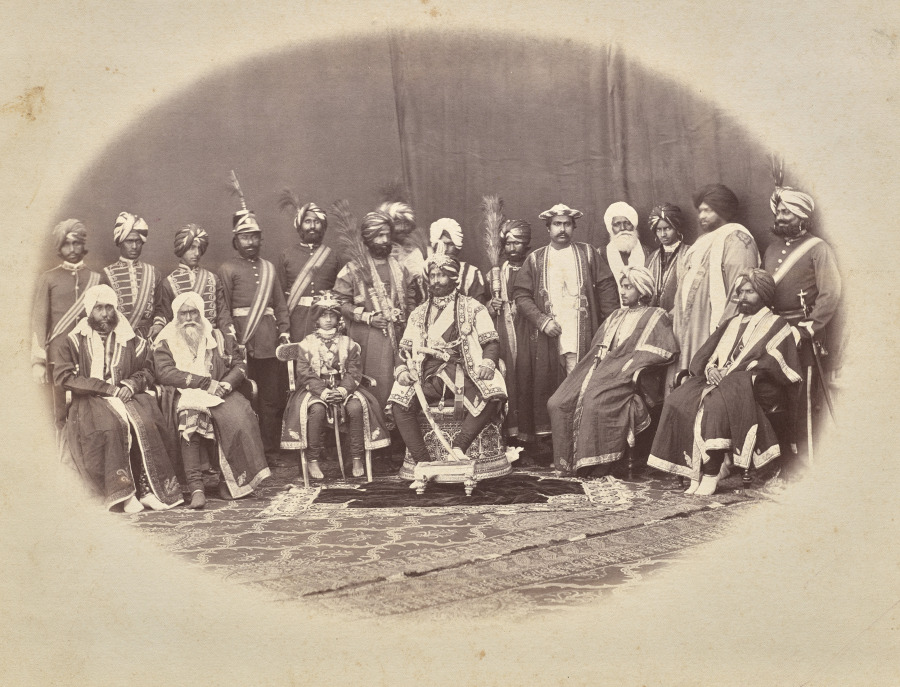
![[Four East Indian Men]](https://images.metmuseum.org/CRDImages/ph/web-large/DP116353.jpg)
![[Indian Mystic]](https://images.metmuseum.org/CRDImages/ph/web-large/DP147405.jpg)