In the collection of Cleveland Museum of Art, Cleveland — check current display status with the museum.
FROM THE CLEVELAND MUSEUM OF ART’S CATALOG
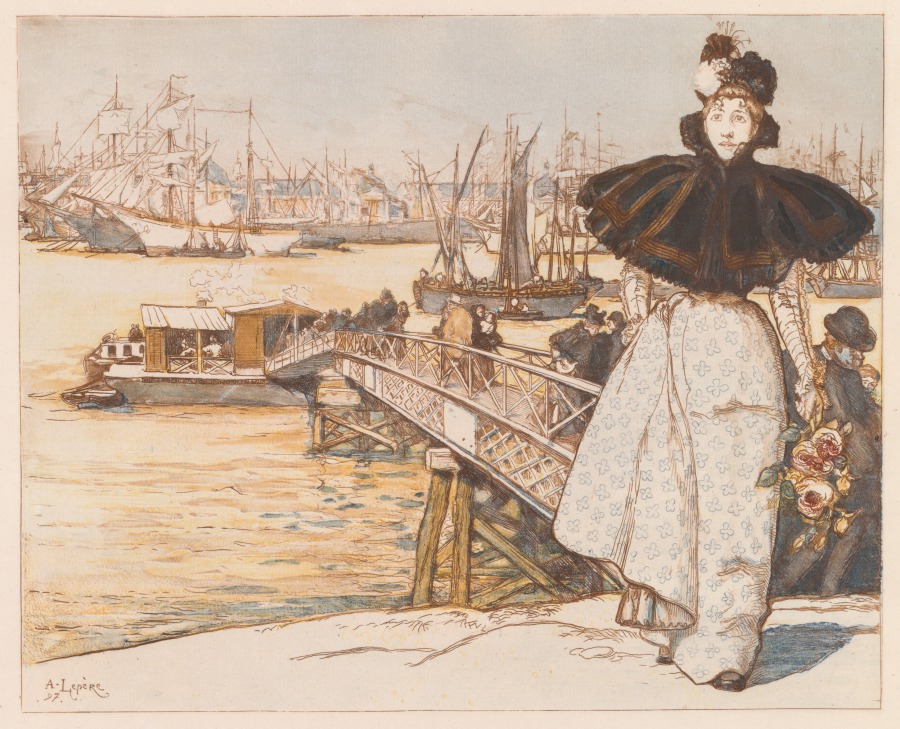
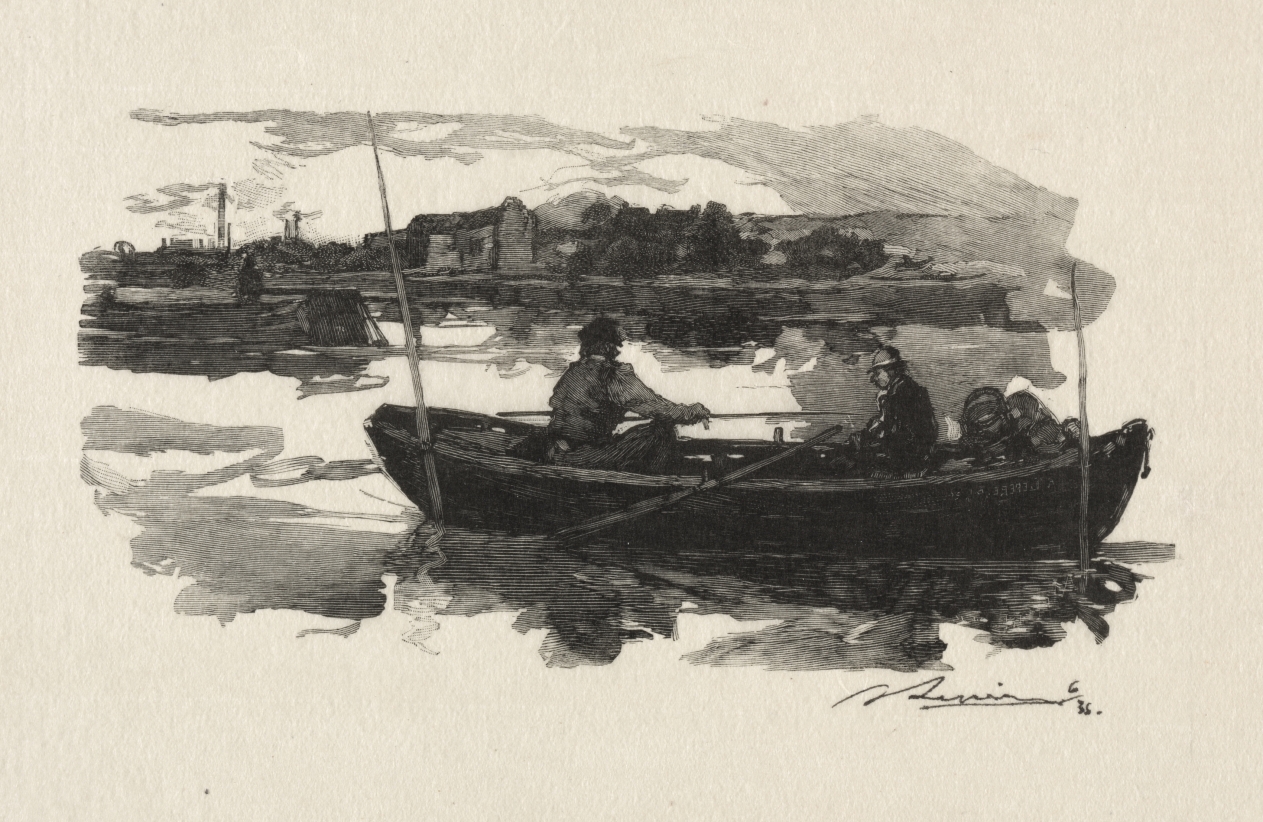
Wood engraving was perfected about 1770 in England by Thomas Bewick (1753–1828). Since the end grain of a hard wood is used, the block can be engraved with a sharp instrument called a burin, making closely set lines possible and producing a great range of textures and tones. The surface of the block is inked and printed so that the engraved lines appear as white areas. The strength of the block meant that numerous impressions could be printed. Wood engraving thus became a principal method for illustrating books and newspapers in the 19th century. Lepère developed an extraordinary mastery of wood engraving, which he used to effectively describe a snowy view of central Paris. The confetti-like snowflakes silhouetted against the dark river, and the overall blurring effect caused by the snowfall in the distance, are a tour de force.
Be the first to share your thoughts.
Sign in to join the discussion.
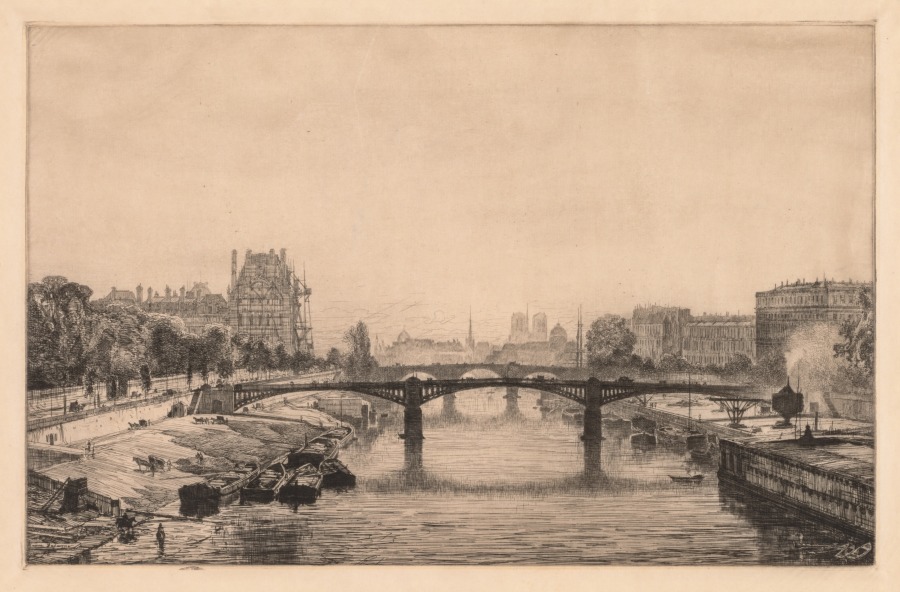 Maxime Lalanne (French, 1827–1886) — Paris, View from the Co
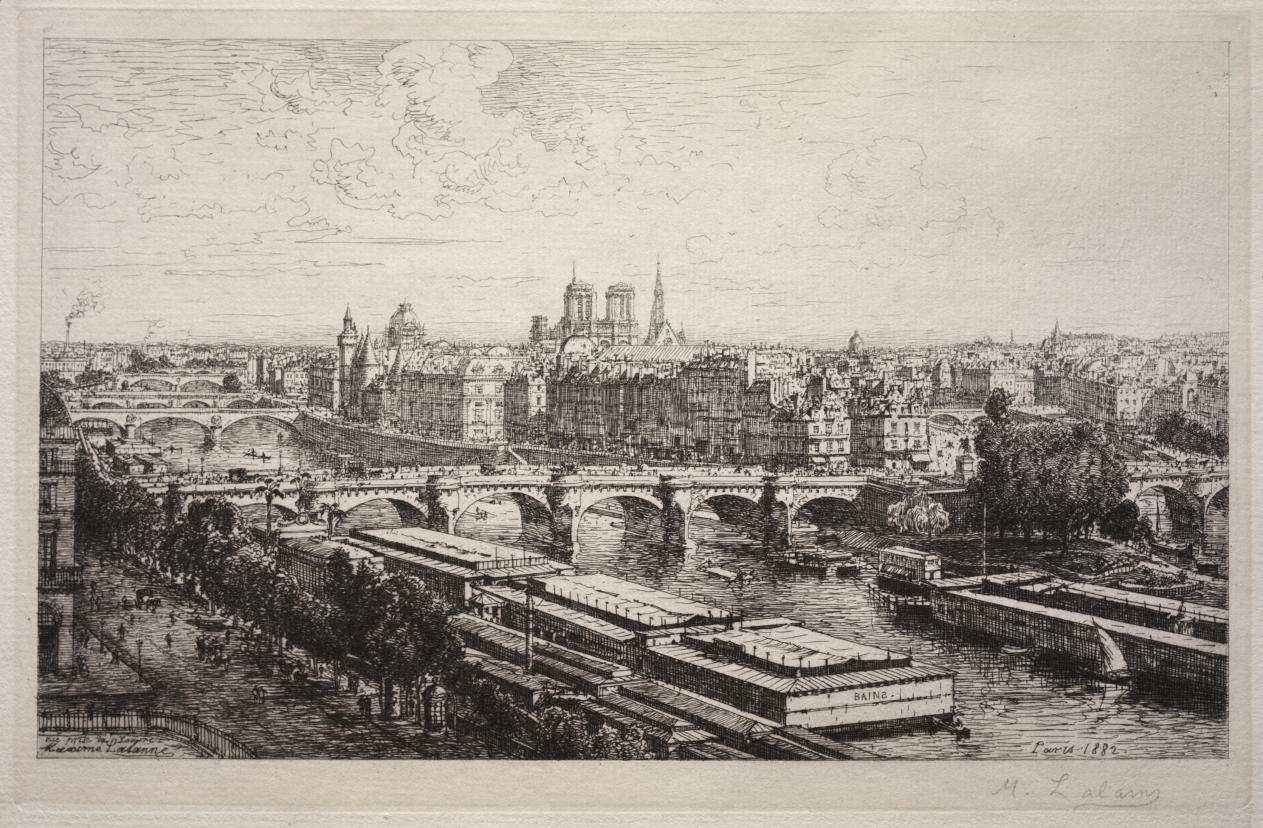 Maxime Lalanne (French, 1827–1886) — View from the Louvre
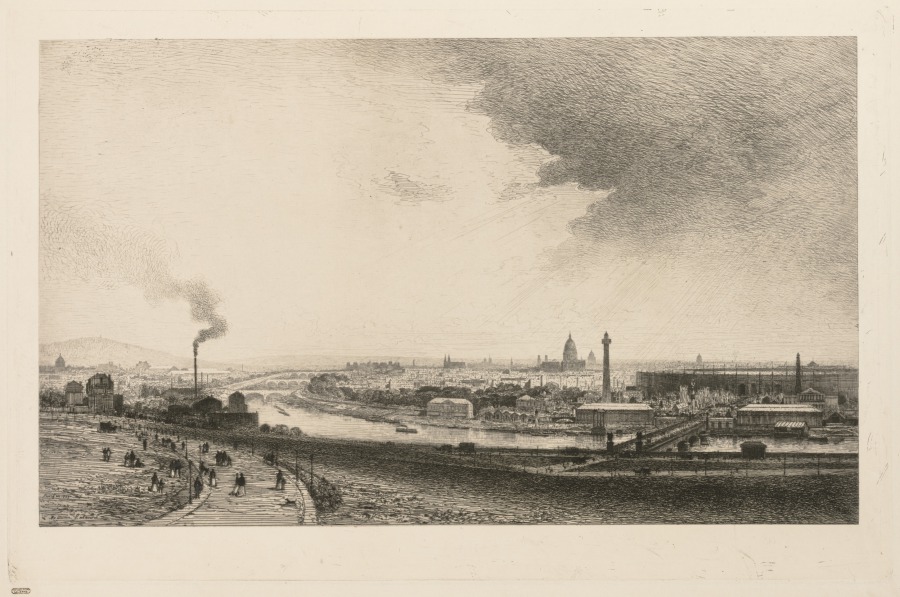 Maxime Lalanne (French, 1827–1886) — On the Seine
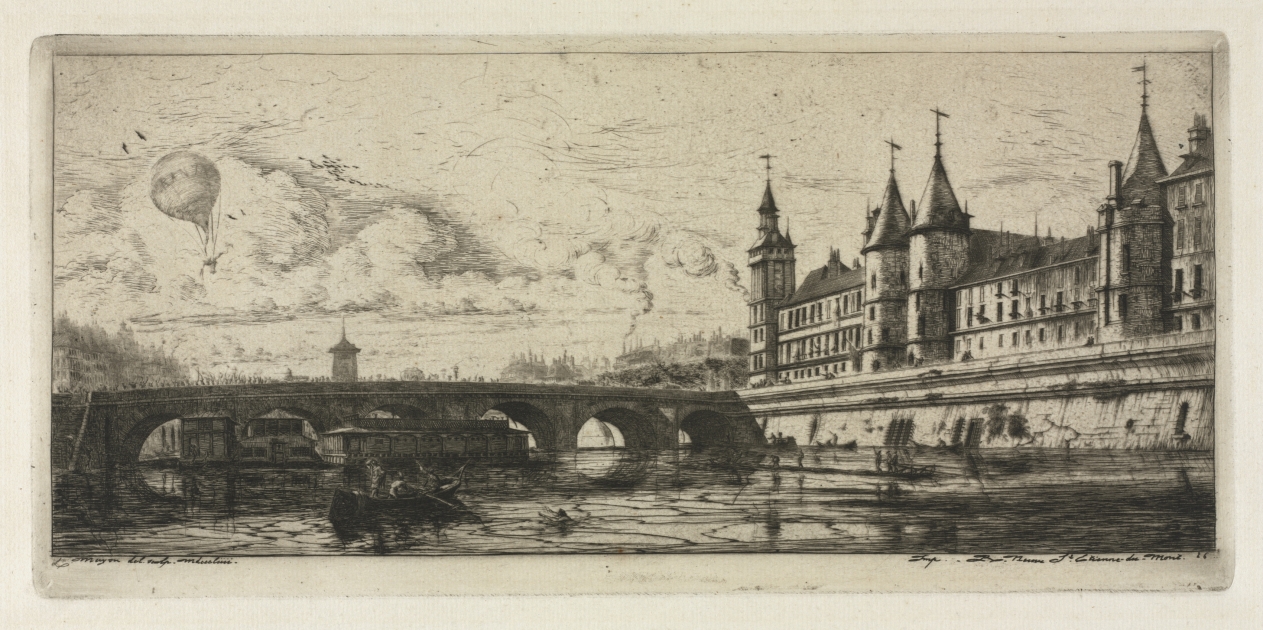 Charles Meryon (French, 1821–1868) — Etchings of Paris: The
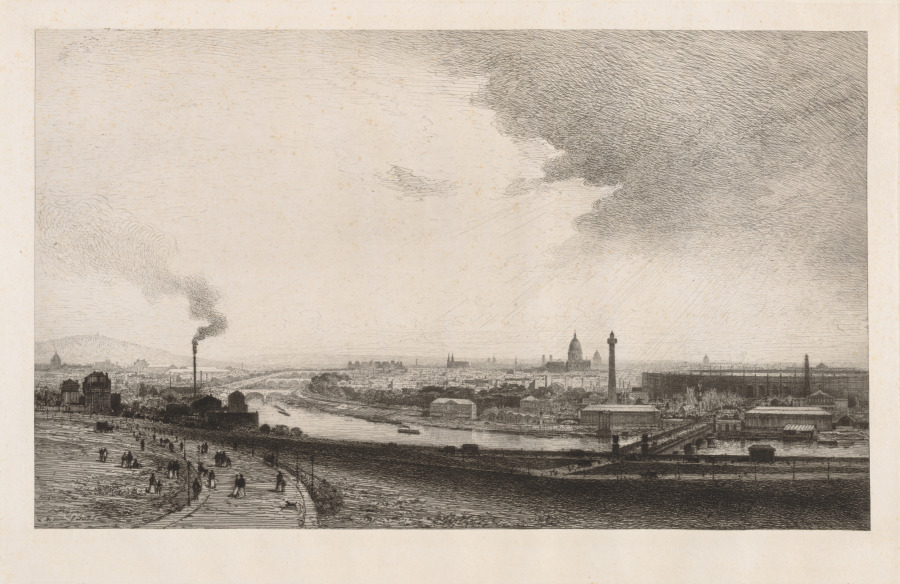 Maxime Lalanne (French, 1827–1886) — Paris in 1867, View fro
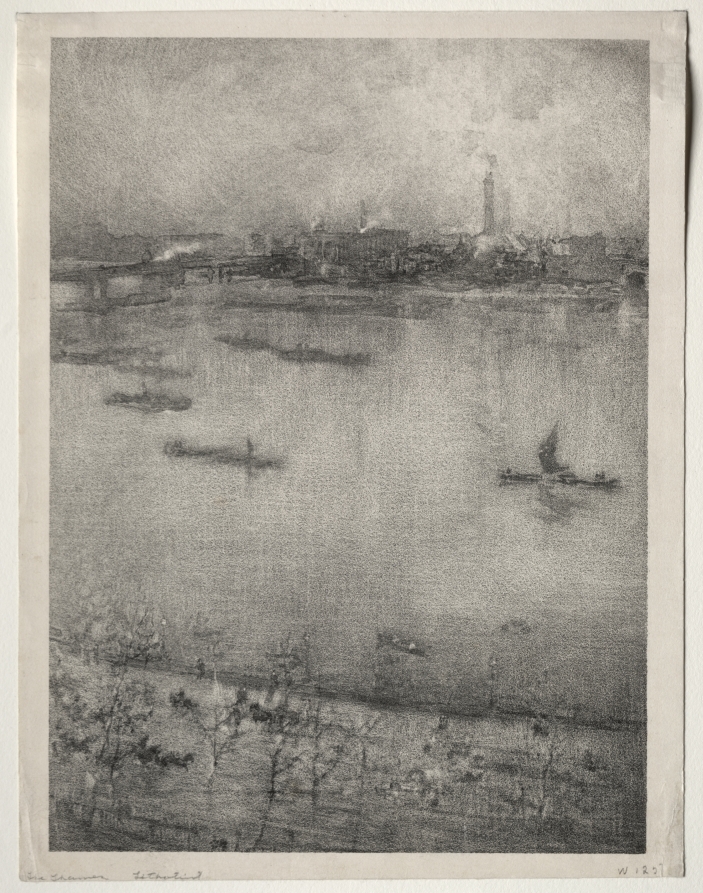 James McNeill Whistler (American, 1834–1903) — The Thames
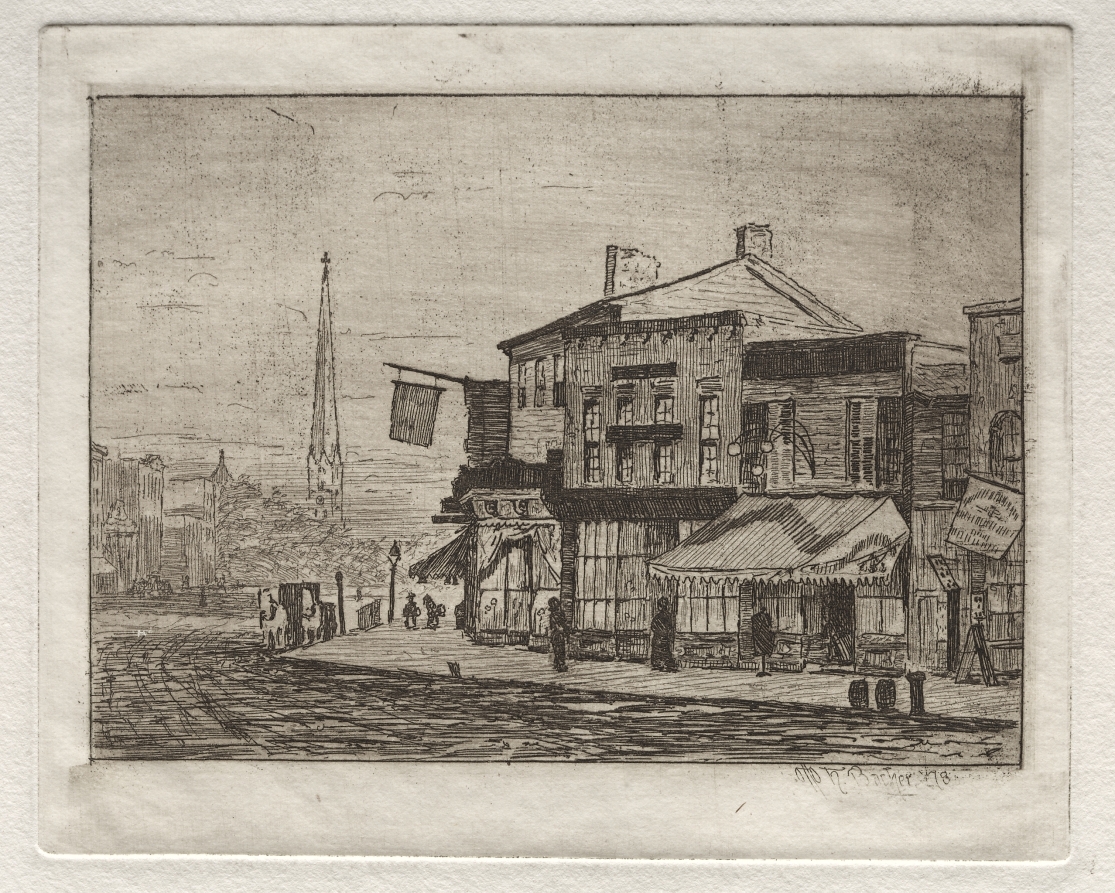 Otto H. Bacher (American, 1856–1909) — Cleveland, Woodland A
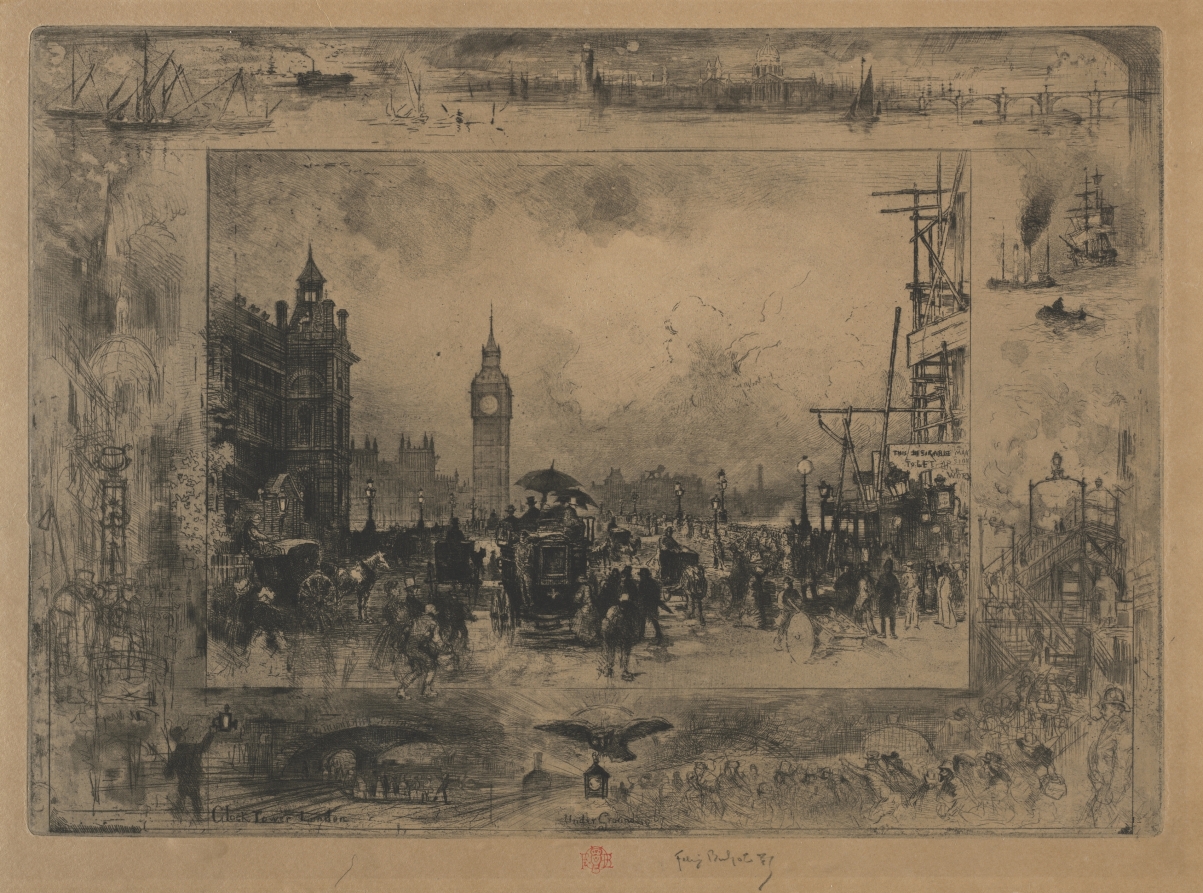 Félix Hilaire Buhot (French, 1847–1898) — Westminster Bridge
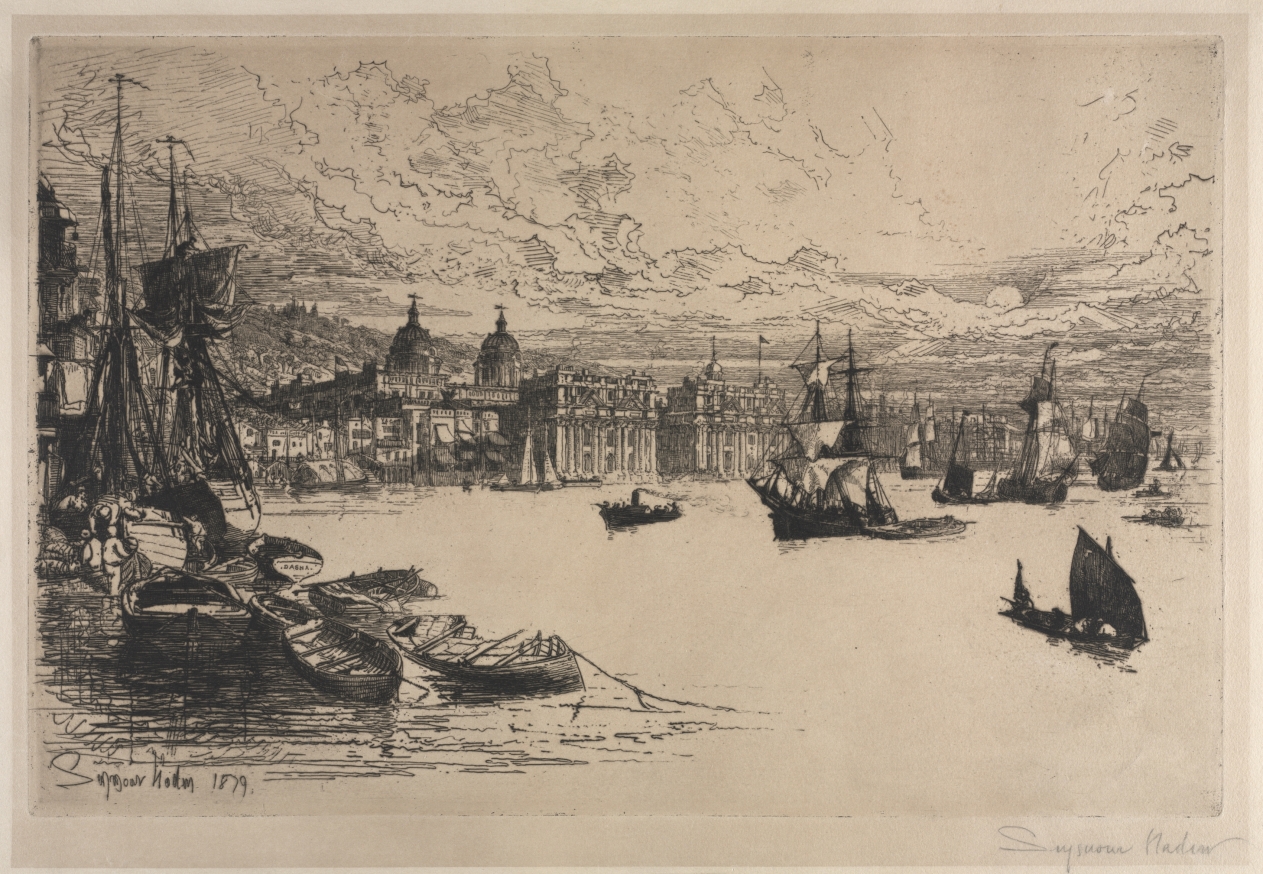 Francis Seymour Haden (British, 1818–1910) — Greenwich
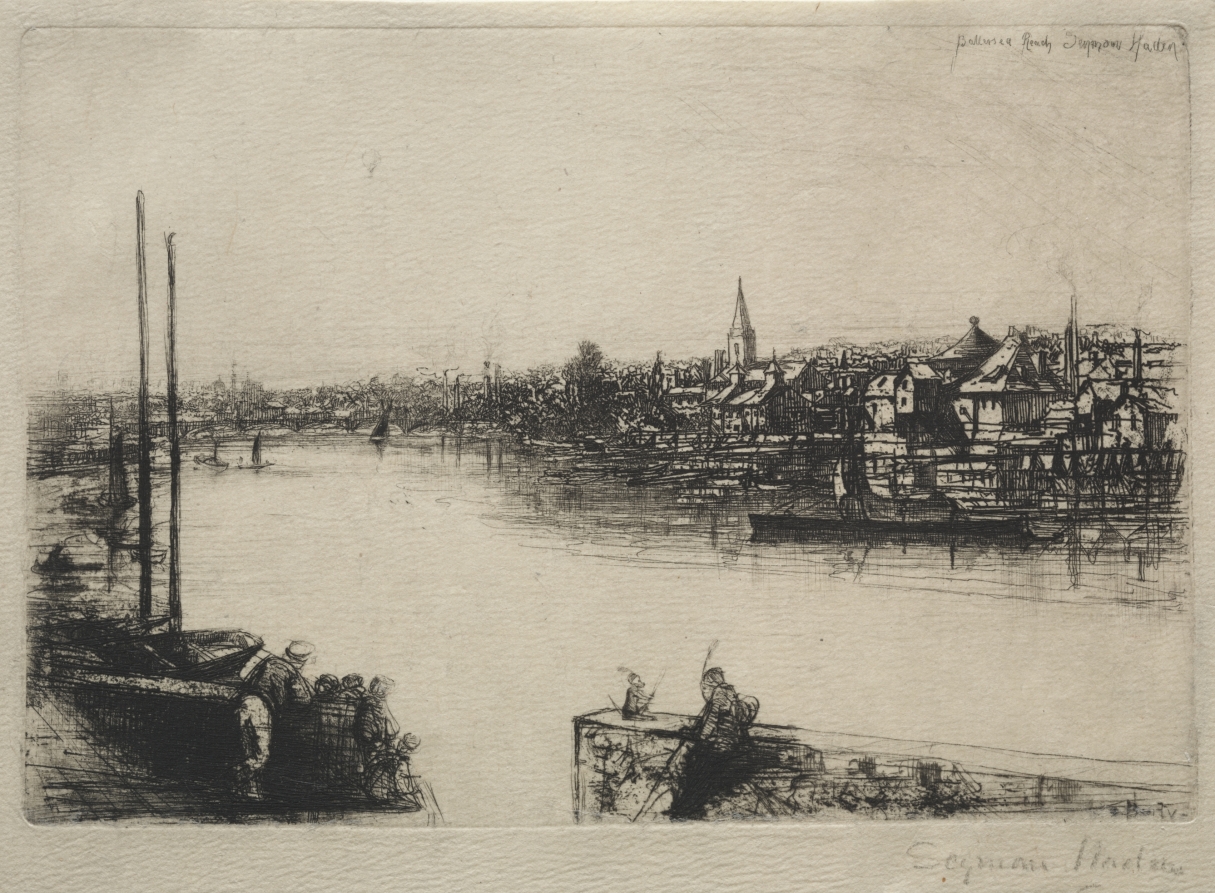 Francis Seymour Haden (British, 1818–1910) — Battersea Reach
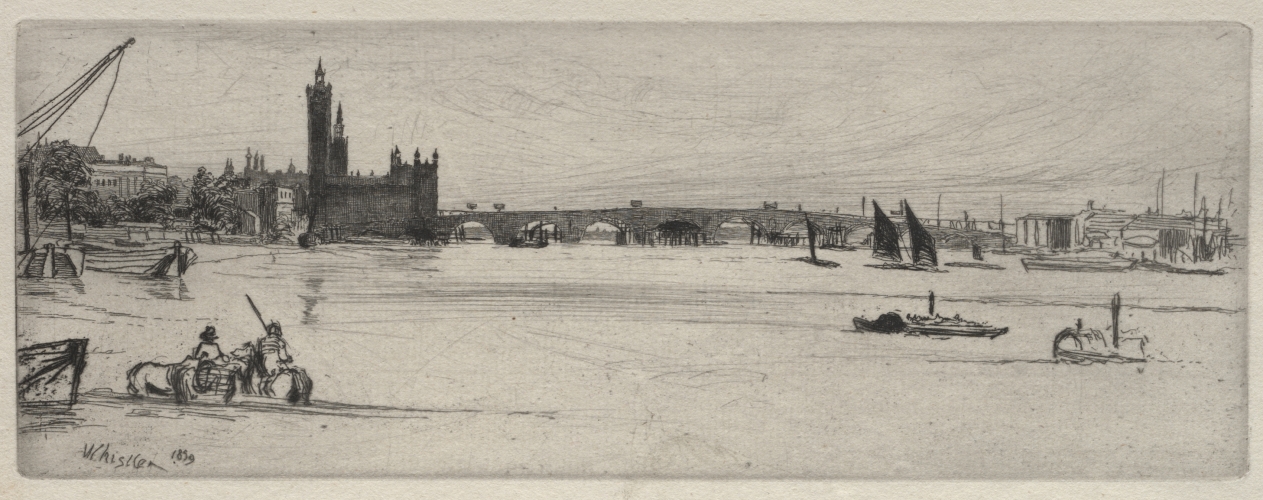 James McNeill Whistler (American, 1834–1903) — Old Westminst
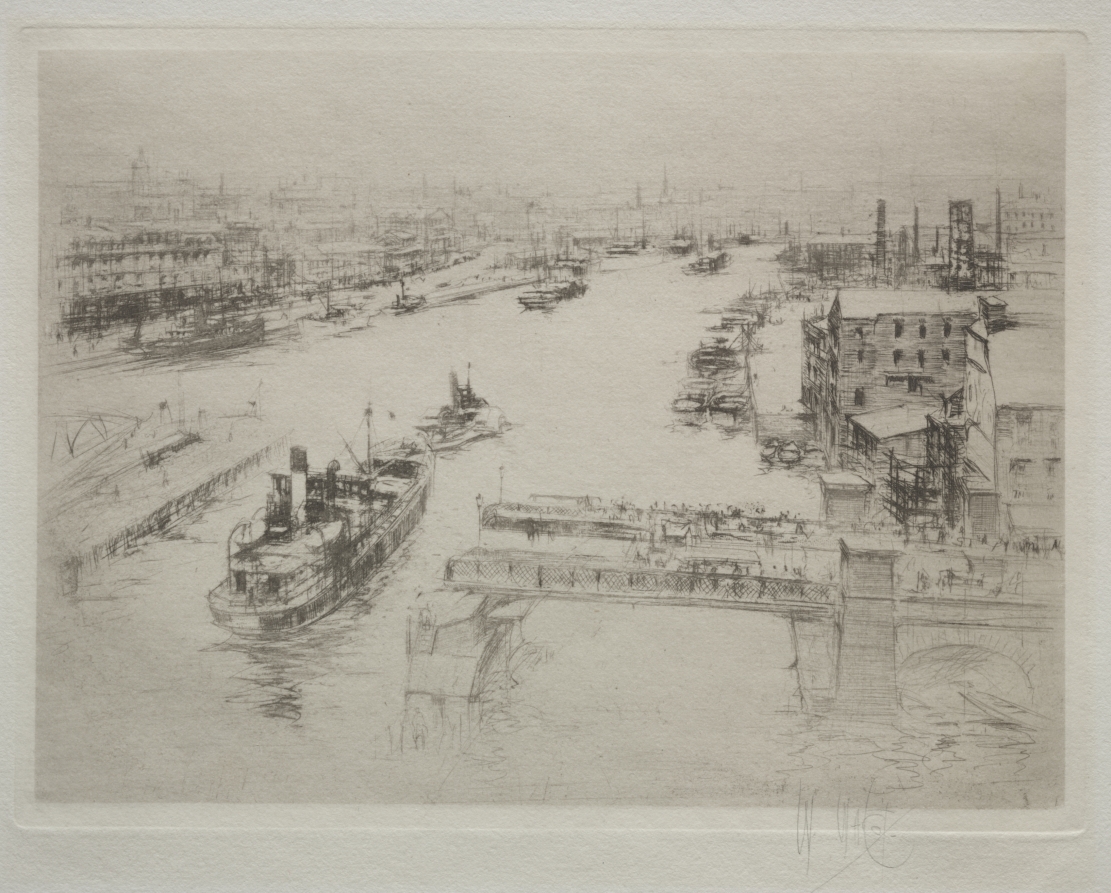 William Walcot (British, 1874–1943) — Arteries of Great Brit