The Arch of Septimus Severus
SEE IT IN PERSON
Not currently on view
In the collection of Art Institute of Chicago, Chicago · as of July 2026
Discussion
FROM THE ART INSTITUTE OF CHICAGO’S CATALOG
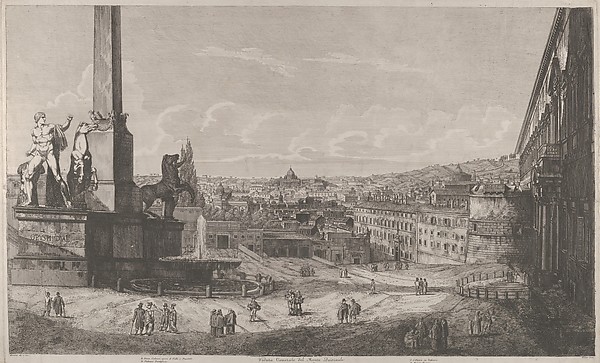
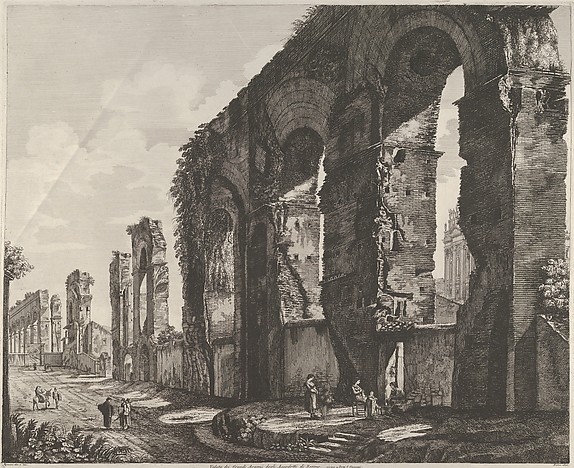
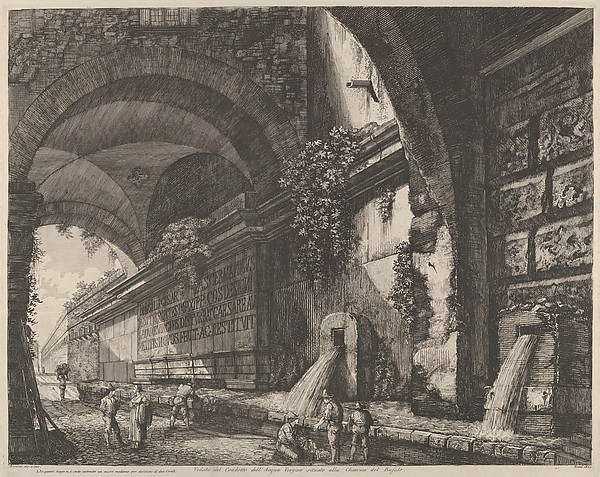
Luigi Rossini trained as an architect in Bologna before moving to Rome in 1813, where he had more success as an artist. Following in the footsteps of Giovanni Battista Piranesi, Rossini began a series of etchings of Rome’s constructed marvels. His extensive knowledge of structural design proved valuable for his accurate, detailed portrayals of sites such as the antique arch of Septimus Severus. Whereas Piranesi tended to exaggerate his scenes, Rossini remained grounded in his realistic representations. Because Rossini’s depictions are so precise, his prints serve as important records of Rome’s architectural heritage.
Be the first to share your thoughts.
Sign in to join the discussion.
More by Luigi Rossini
More like this
 Giovanni Battista Piranesi — View of the Arch of Septimius S
 Giovanni Battista Piranesi — View of the Arch of Constantine
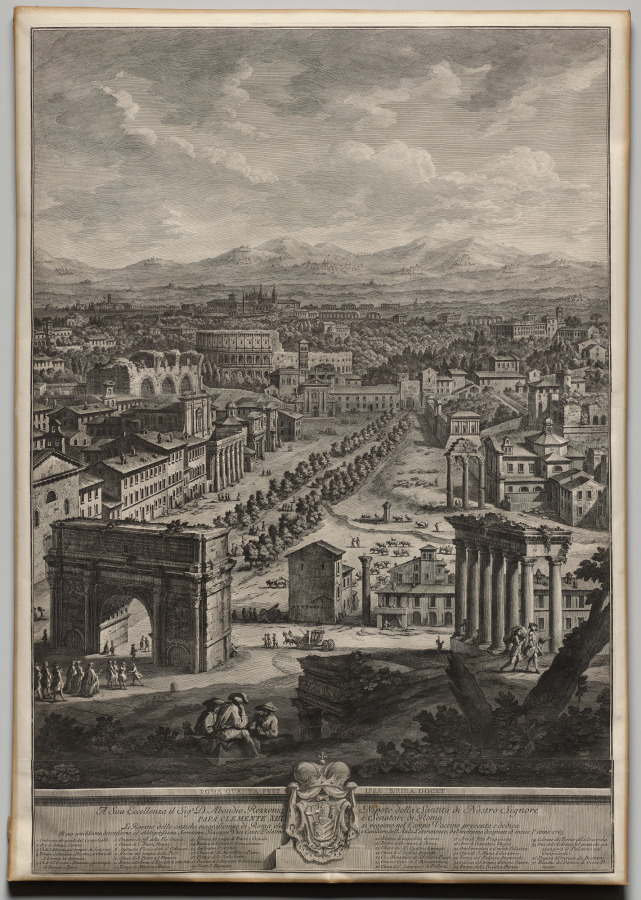 Giuseppe Vasi (Italian, 1710–1782) — The Campo Vaccino
 Giovanni Battista Piranesi — View of the Arch of Titus, from
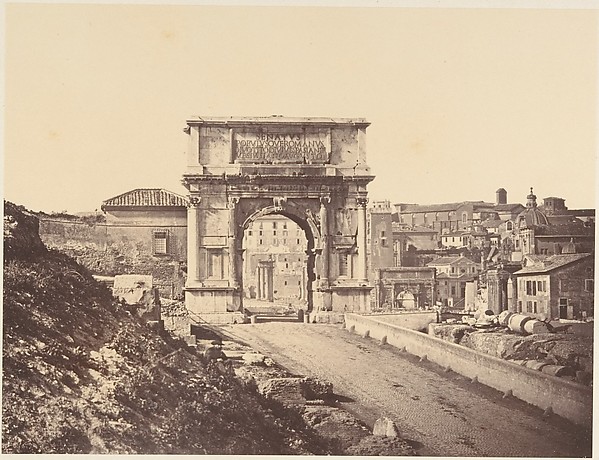 Eugène Constant — Arco di Tito
 Stefano della Bella — Temple of Concordia and the Roman Foru
 Giovanni Battista Piranesi — Interior view of the Flavian Am
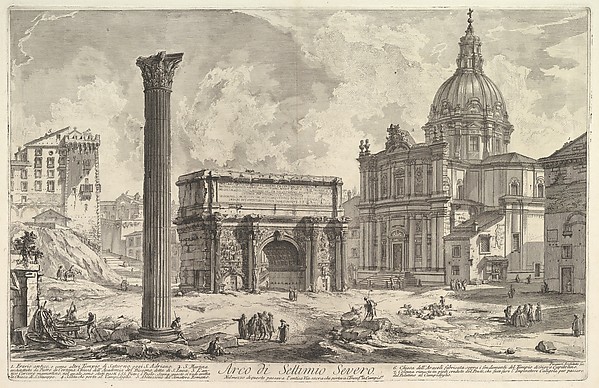 Giovanni Battista Piranesi — The Arch of Septimius Severus,
  Giovanni Battista Piranesi (Italian, 1720–1778) — Views of R
 Giovanni Battista Piranesi (Italian, 1720–1778) — Views of R
 Stefano della Bella — The Temple of Vespasian and the Roman
  Abraham Louis Rodolphe Ducros — The Colosseum, Rome