Polyhymnia, Muse of Hymns, plate 13 from Parnassus Biceps
1601
Engraving in black on ivory laid paper
23.9 × 14 cm (9.4 × 5.5 in)
SEE IT IN PERSON
Not currently on view
In the collection of Art Institute of Chicago, Chicago · as of July 2026
Discussion
Be the first to share your thoughts.
Sign in to join the discussion.
More by Johann Theodor de Bry




More like this
 Parmigianino (Girolamo Francesco Maria Mazzola)|Wenceslaus H
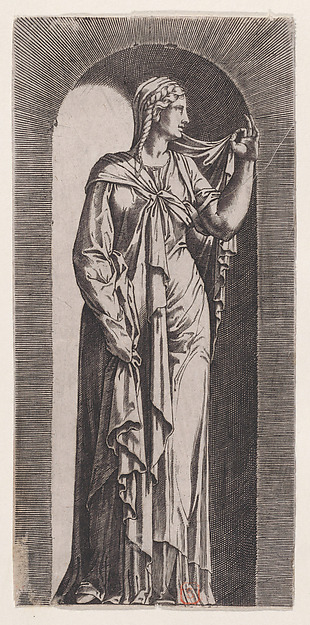 Lambert Suavius|Lambert Lombard — Sibyl
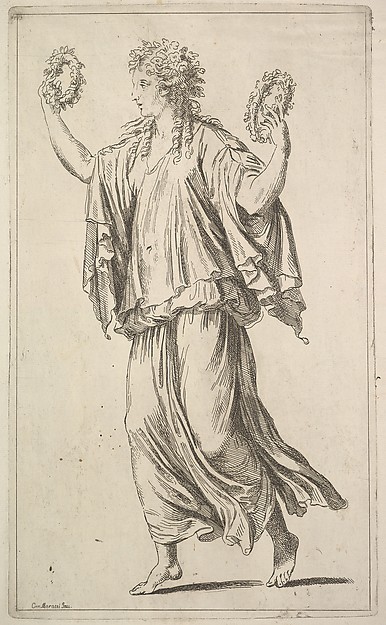 Carlo Maratti — Dancing Figure
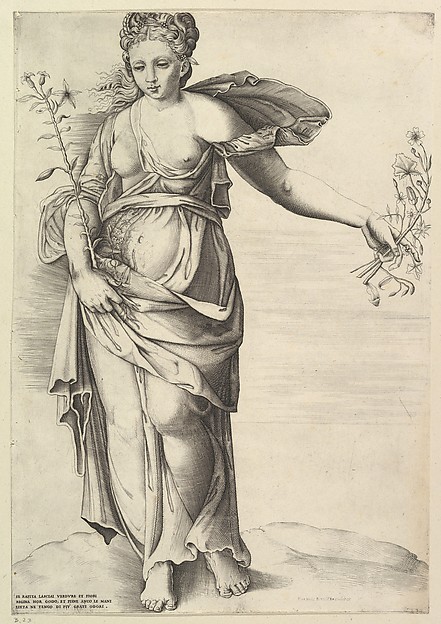 Battista Franco|Anonymous, Italian, second half of the 16th
  Jacopo de' Barbari — Judith Holding the Head of Holofernes
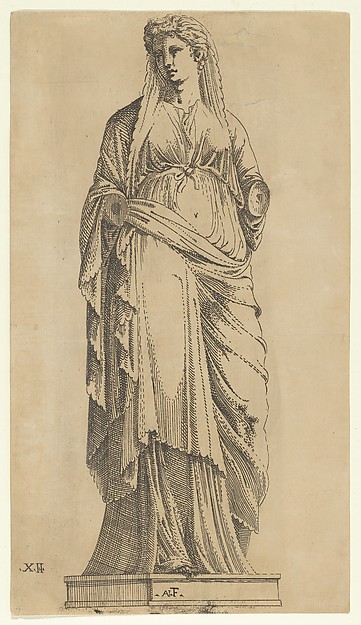 Antonio Fantuzzi|Francesco Primaticcio — Woman Full Face, He
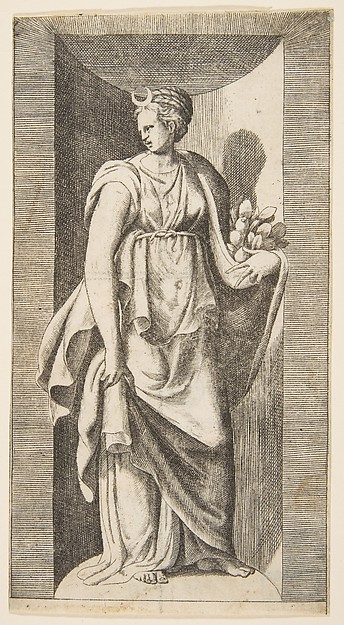 Giulio Bonasone — Diana holding fruit in her left hand stand
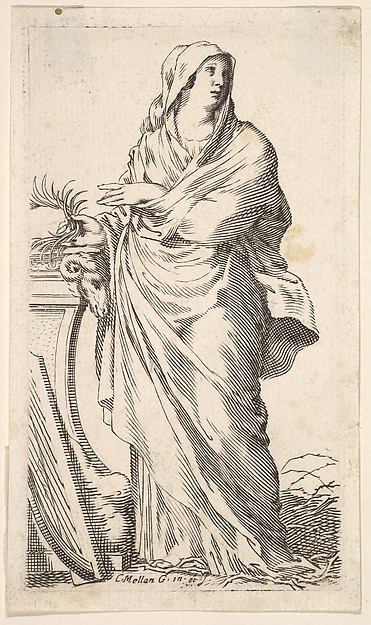 Claude Mellan — Robed woman standing next to a plinth, her r
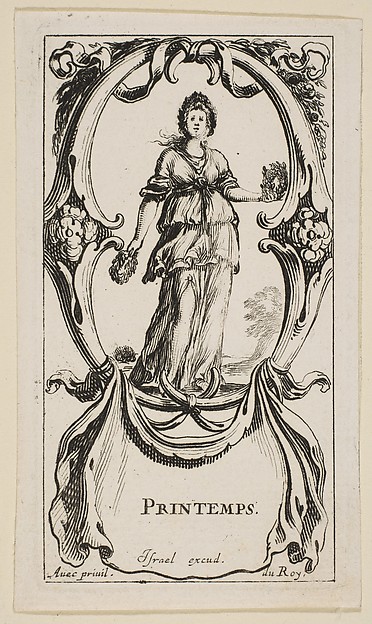 Stefano della Bella|Israël Henriet|Abraham Bosse — Spring (P
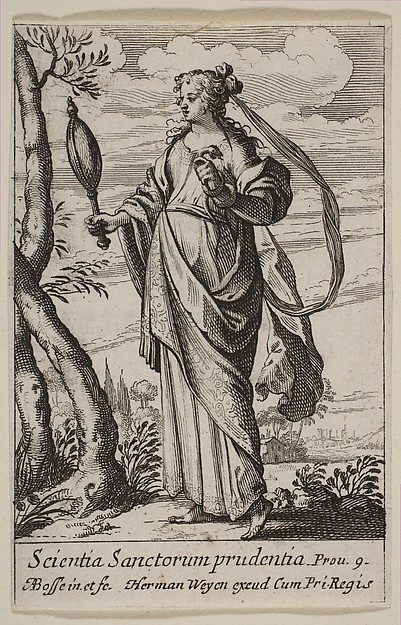 Herman Weyen|Abraham Bosse — Prudence
 Lambert Suavius|Lambert Lombard — Sibyl
 Philips Galle — Mensura, from "Proposopographia"