FROM THE CLEVELAND MUSEUM OF ART’S CATALOG
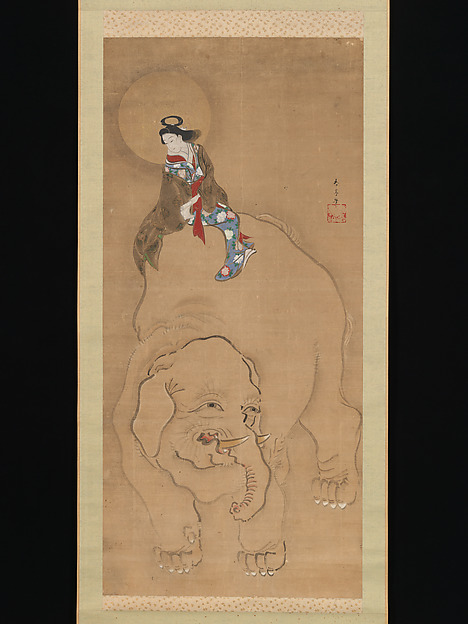
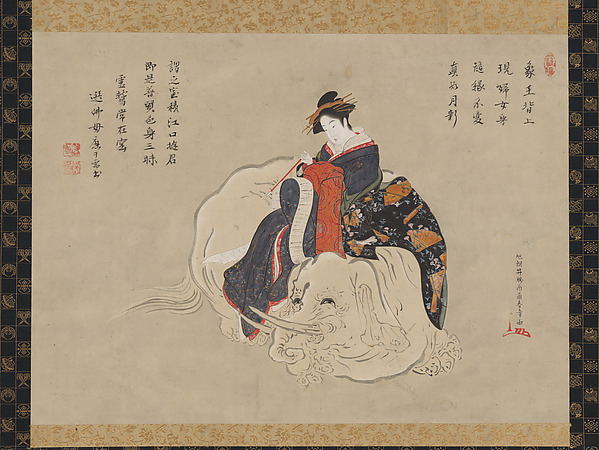
Here, a woman dressed as a man replaces Fugen, a bodhisattva—a being among those considered enlightened in Buddhism—who symbolizes learning as a path to awakening and typically rides an elephant. The painting teaches the lesson of impermanence through the petals falling from the lotus flower the woman holds. It also alludes to the legend of Eguchi, a 12th-century courtesan who, following an encounter with a Buddhist monk-poet called Saigyō, revealed herself to be a manifestation of Fugen.
Source ↗︎
Be the first to share your thoughts.
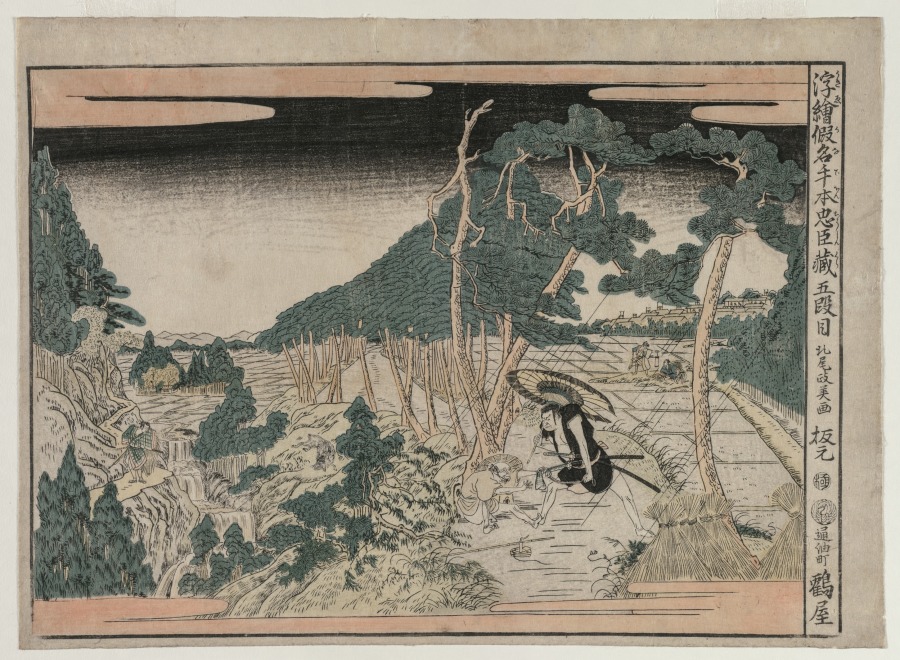 Chushingura: Act V (from the series Perspective Pictures for
 Chushingura: Act VIII (from the series Perspective Pictures
 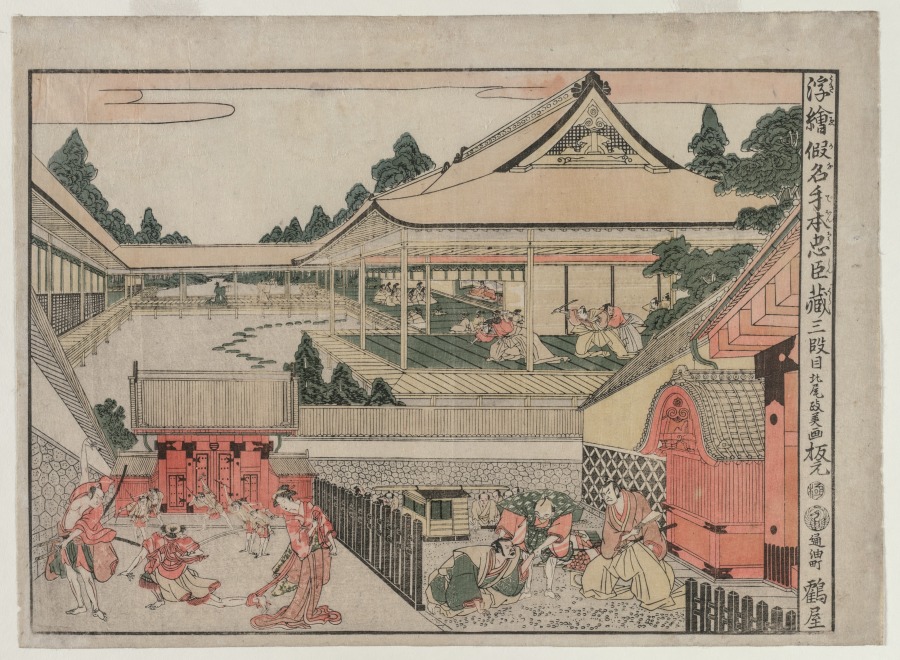 Chushingura: Act III (from the series Perspective Pictures f
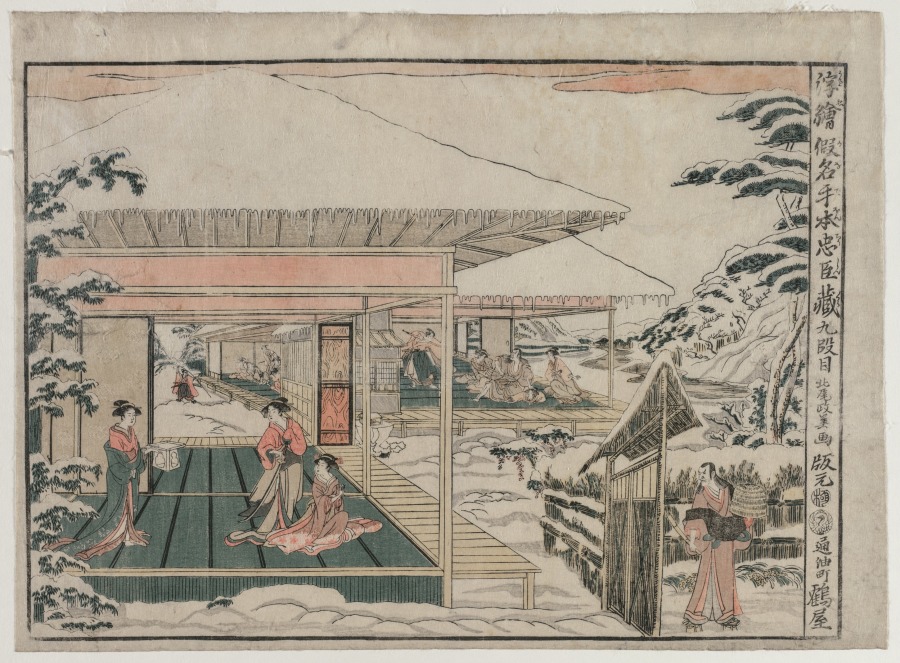 Chushingura: Act IX (from the series Perspective Pictures fo
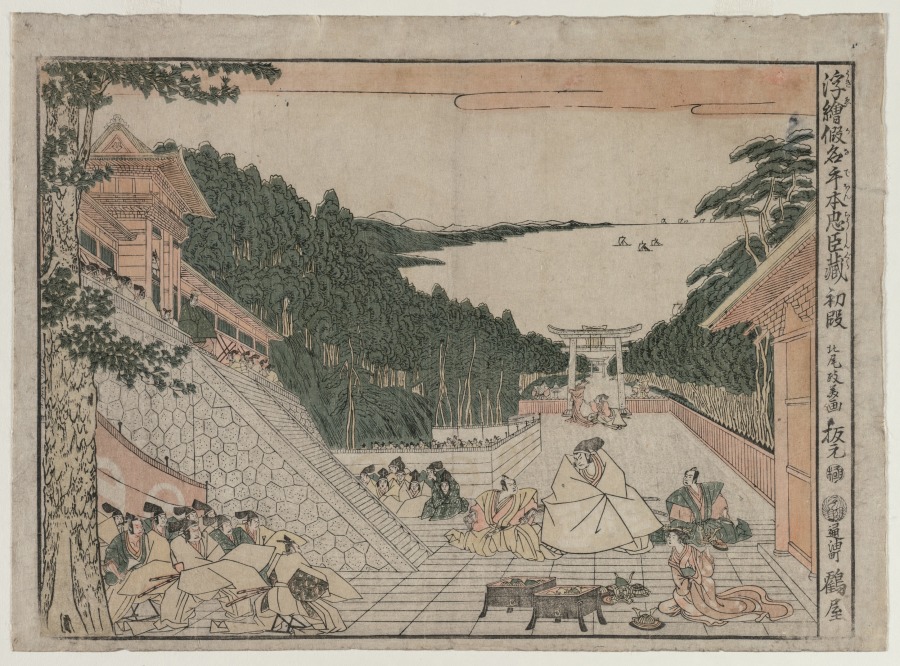 Perspective Pictures for The Treasure House of Loyalty
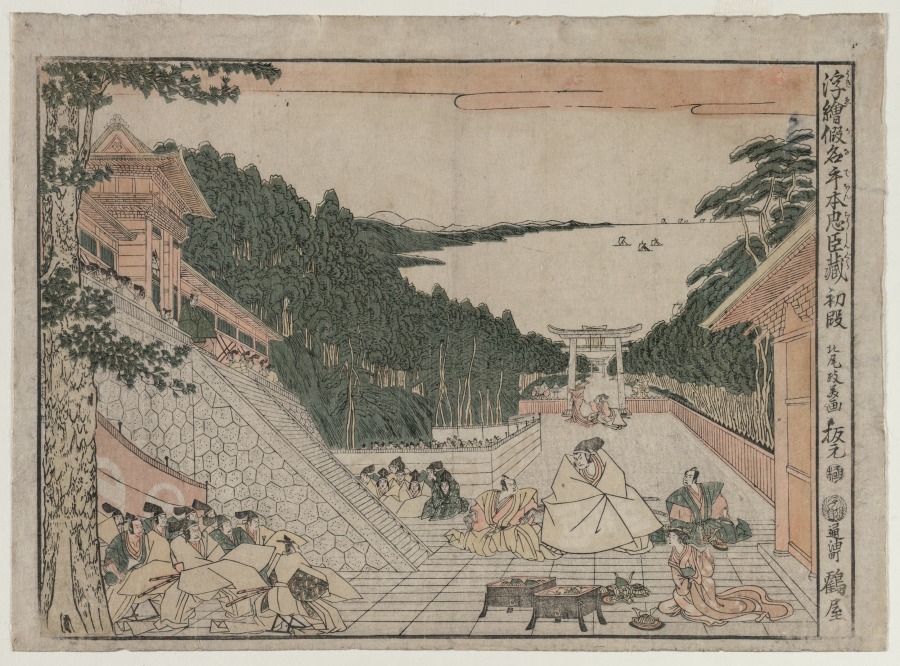 Chushingura: Act I (from the series Perspective Pictures for
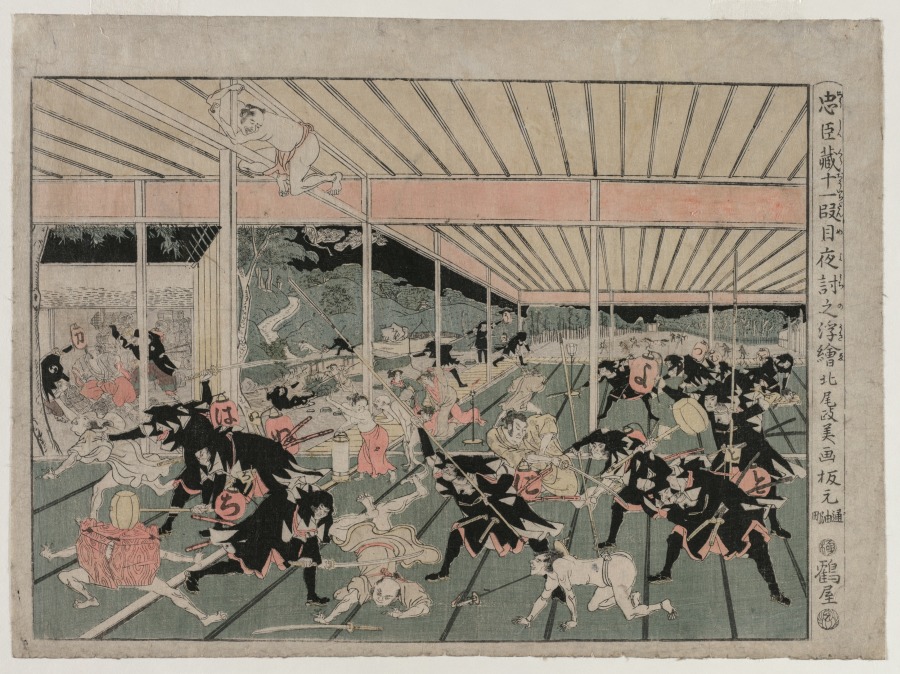 Chushingura: Act XI (from the series Perspective Pictures fo
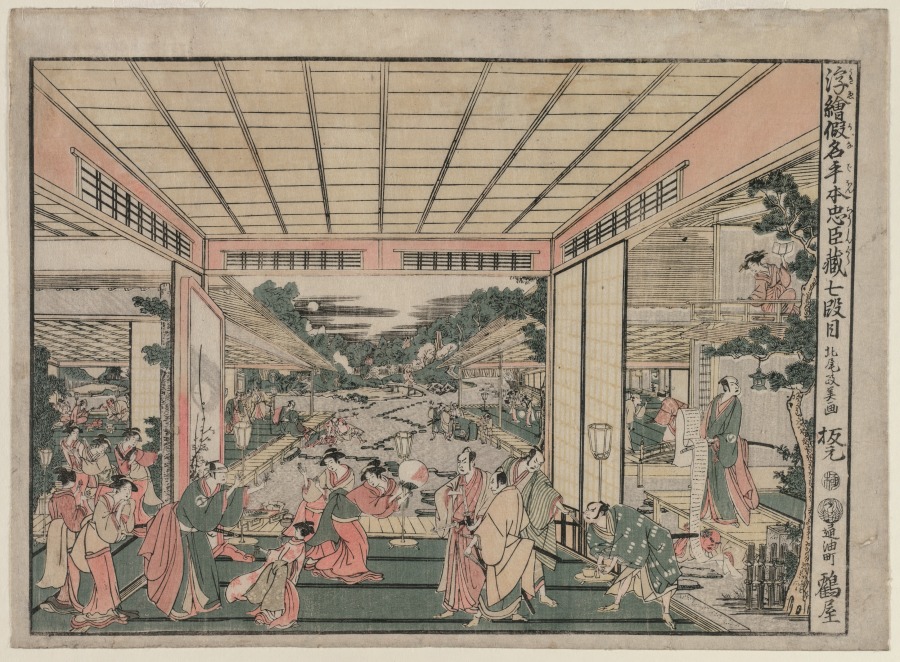 Chushingura: Act VII (from the series Perspective Pictures f