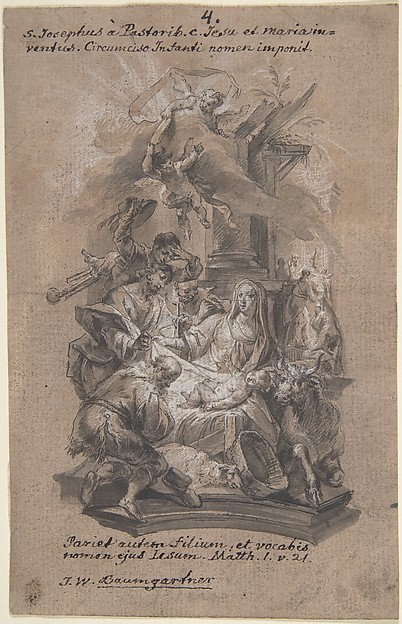
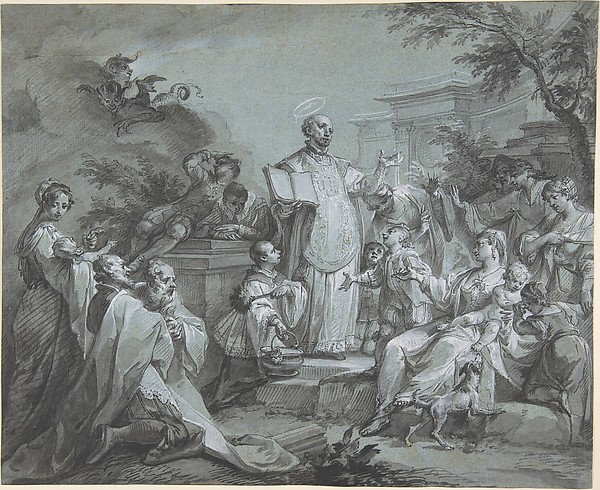
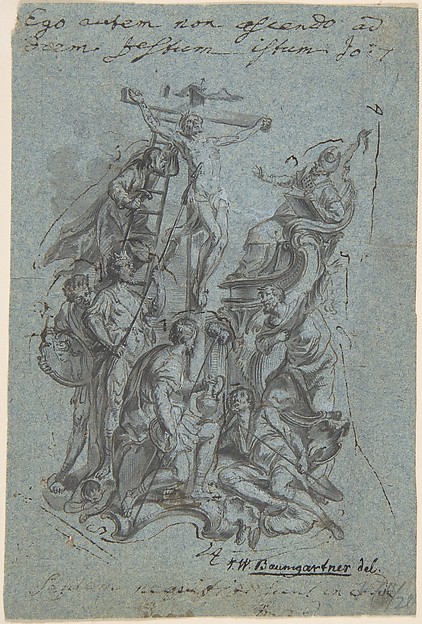
In the collection of Cleveland Museum of Art, Cleveland — check current display status with the museum.
FROM THE CLEVELAND MUSEUM OF ART’S CATALOG
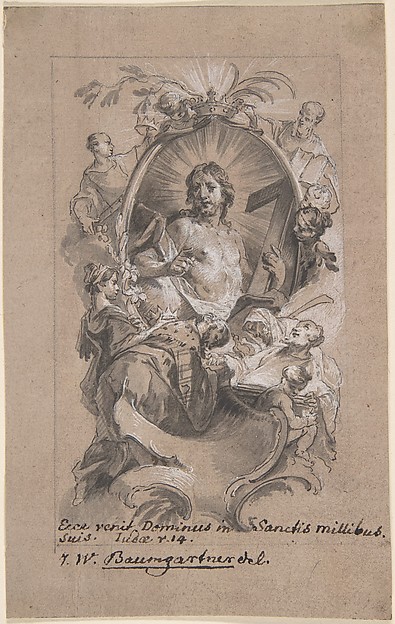
The rarely depicted St. Deicolus was an Irish monk who lived in the 600s and was known for his retreat to a hermitage in a forest.
Be the first to share your thoughts.
Sign in to join the discussion.
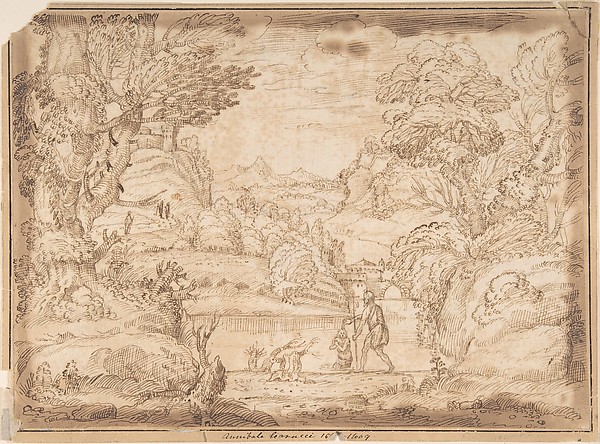 Anonymous, Italian, Bolognese, 17th century — Landscape with
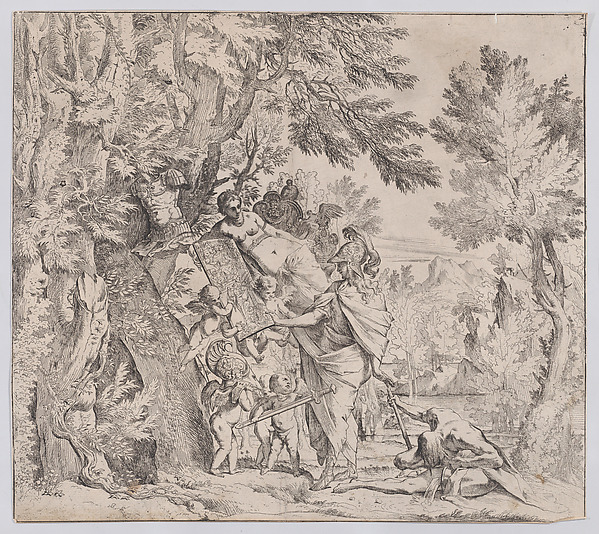 Pietro Testa — Venus giving arms to Aeneas
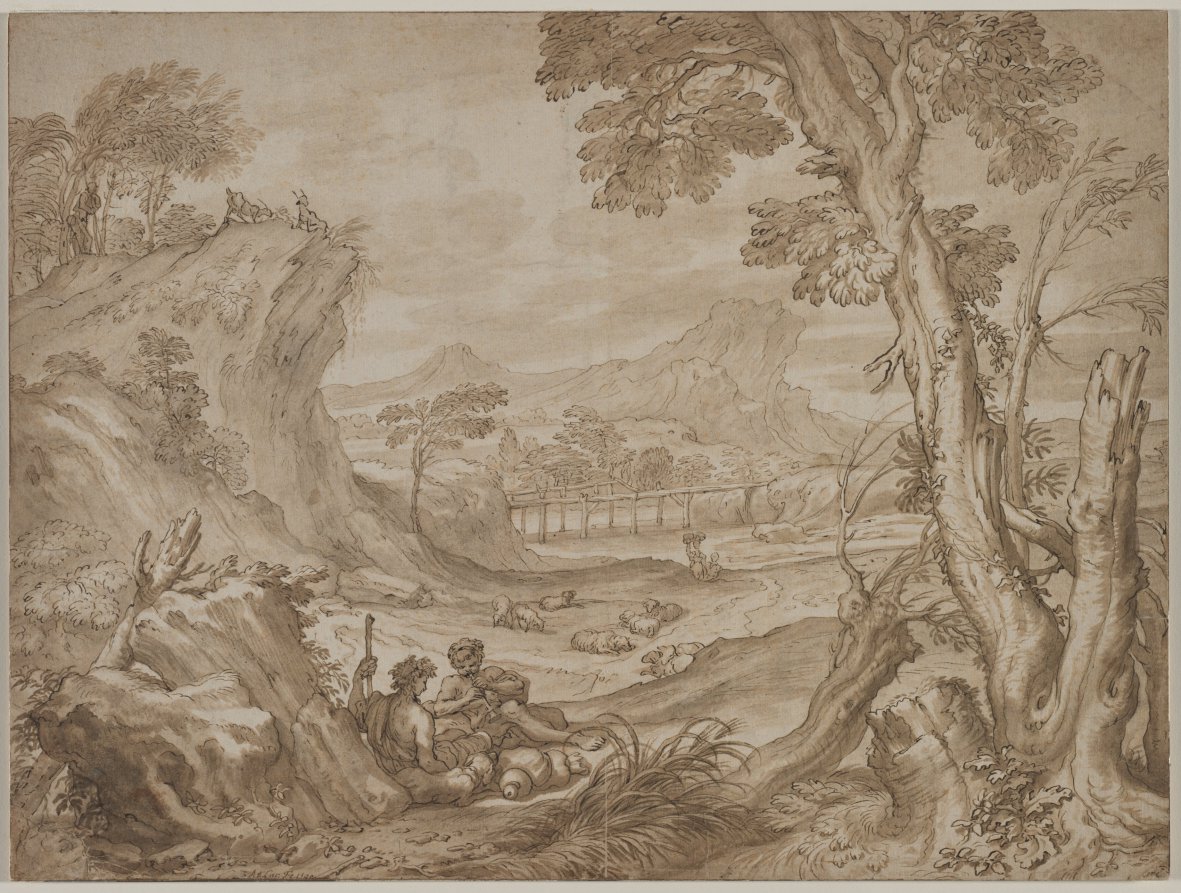 Domenico I Piola (Italian, 1627–1703) — Landscape with Sheph
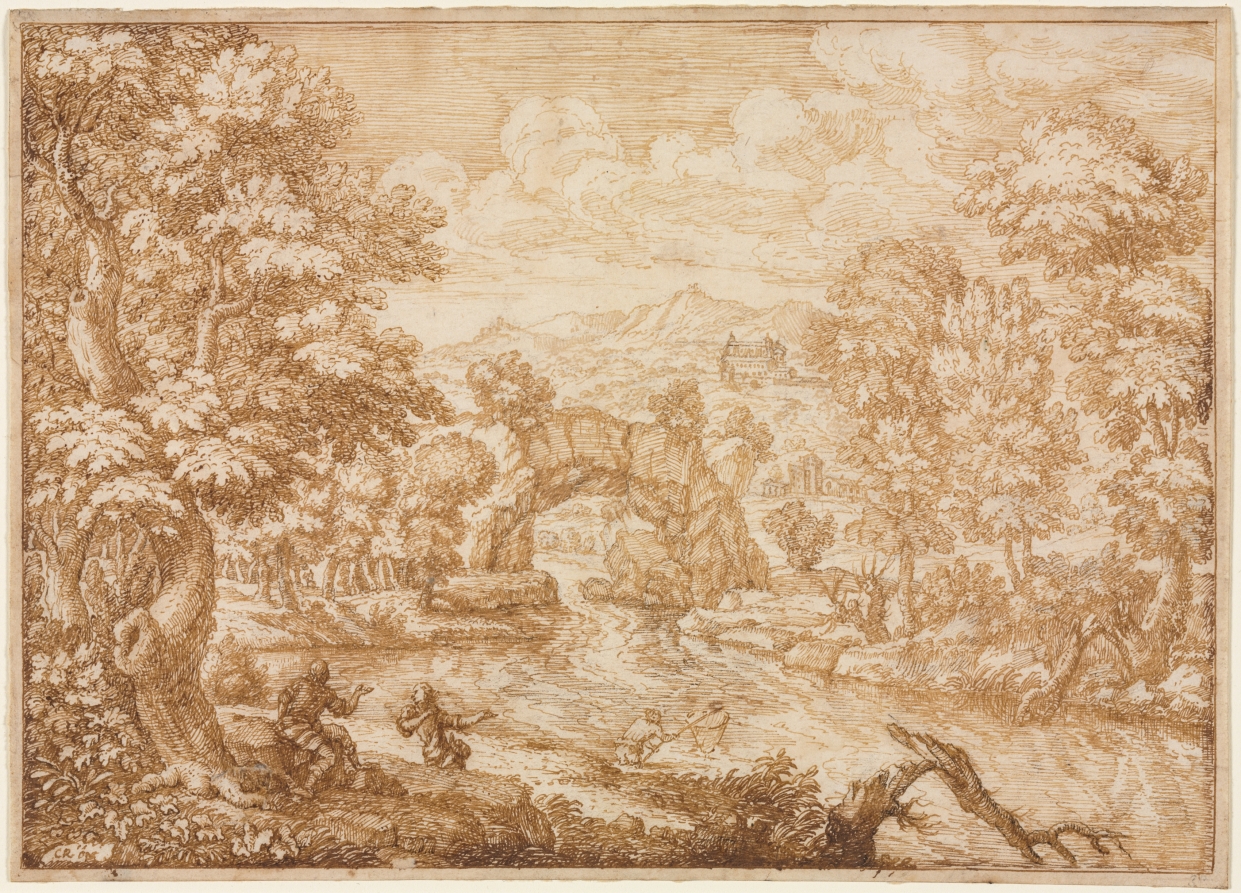 Crescenzio di Onofrio (Italian, 1632?–after 1712) — River La
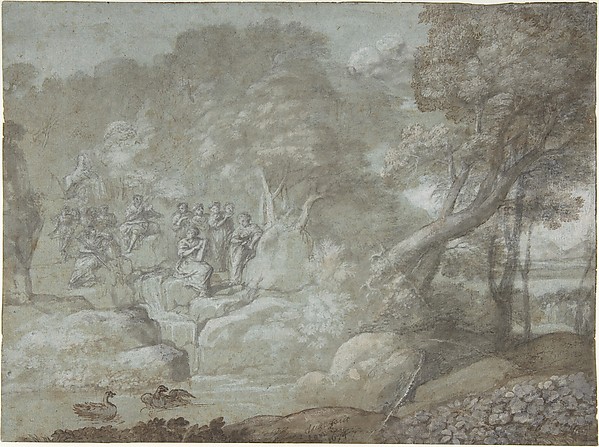 Claude Lorrain (Claude Gellée) — Landscape with Apollo and t
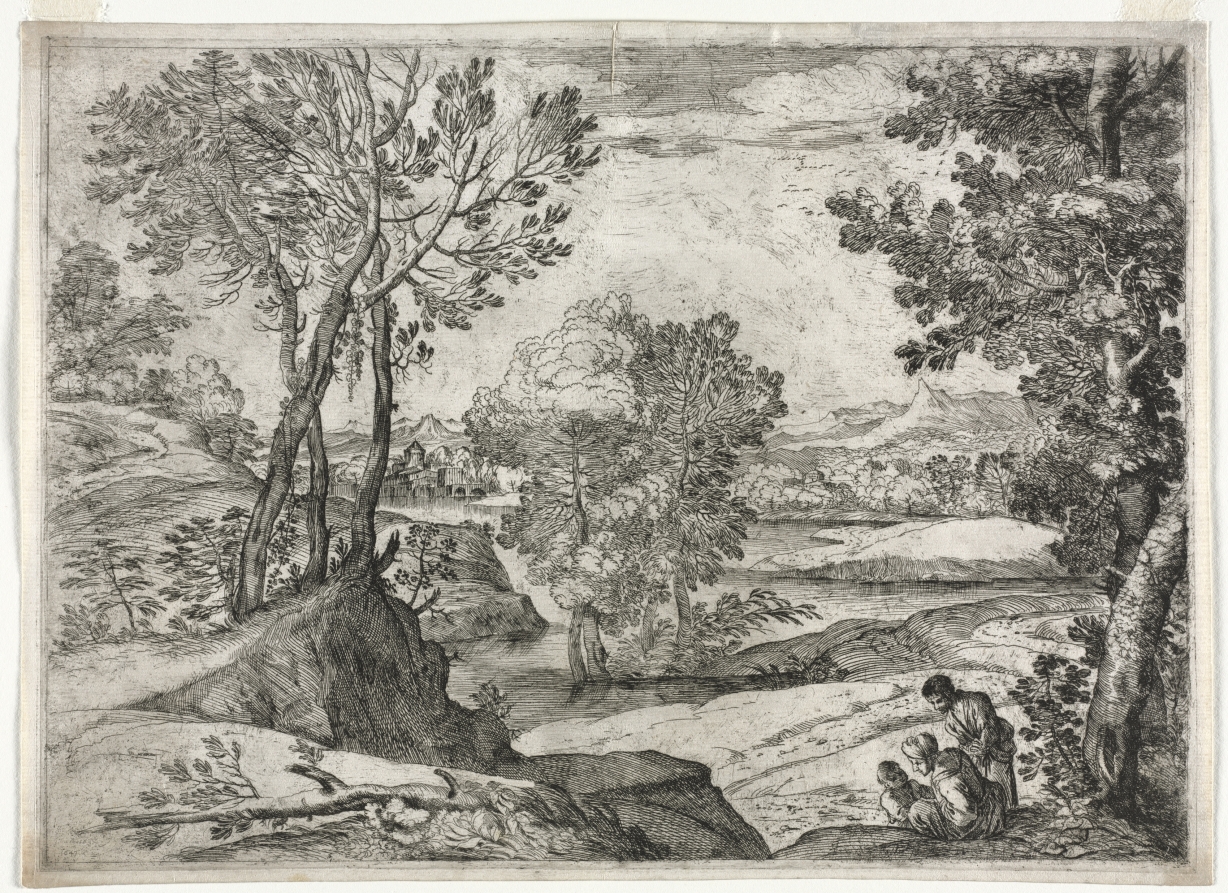 Giovanni Francesco Grimaldi (Italian, 1606–1680) — Landscape
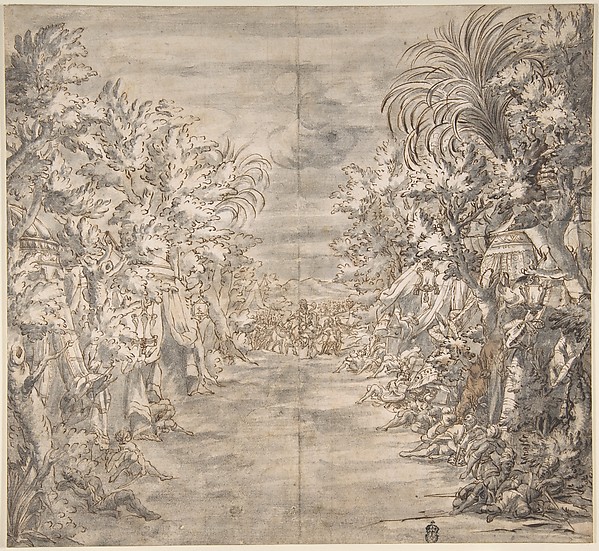 Anonymous, Italian, 17th or 18th century — Ornamental Theate
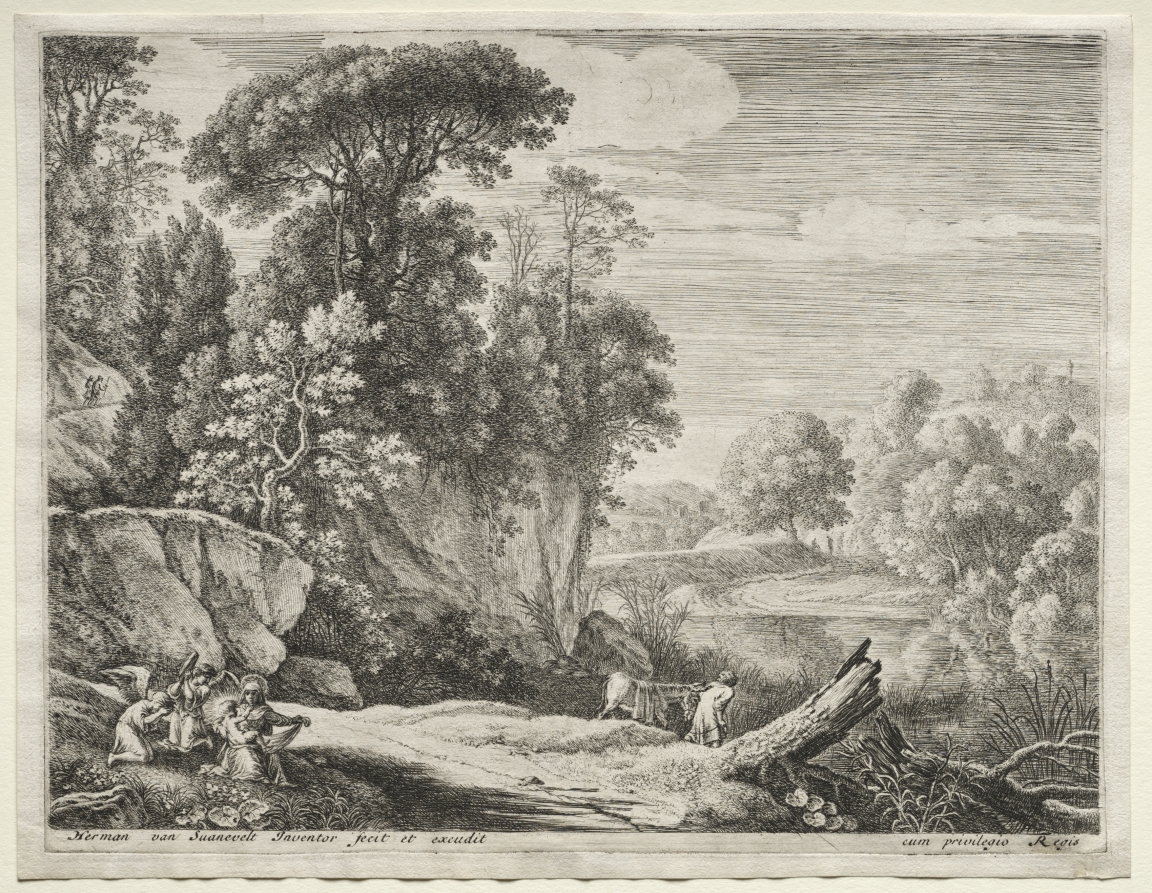 Herman van Swanevelt (Dutch, c. 1600–1655) — The Flight into
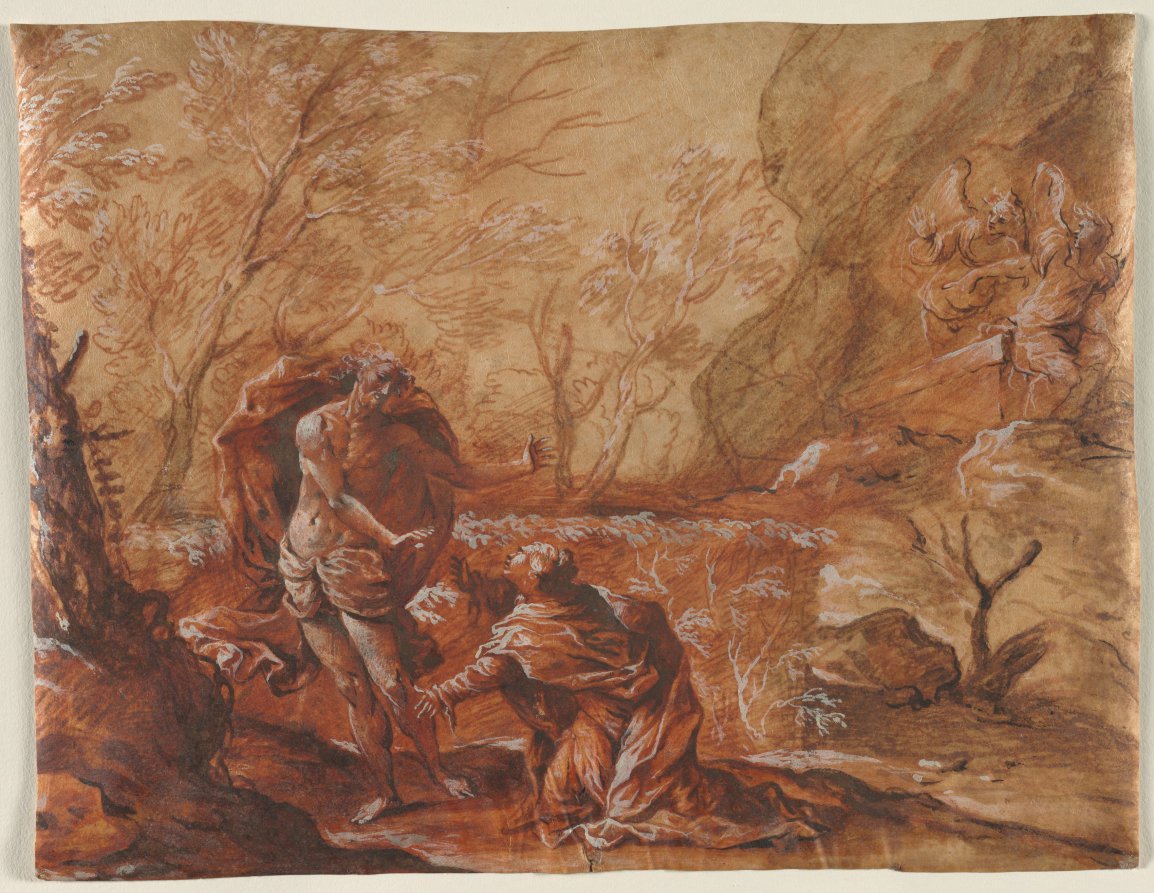 Anonymous — Noli Me Tangere
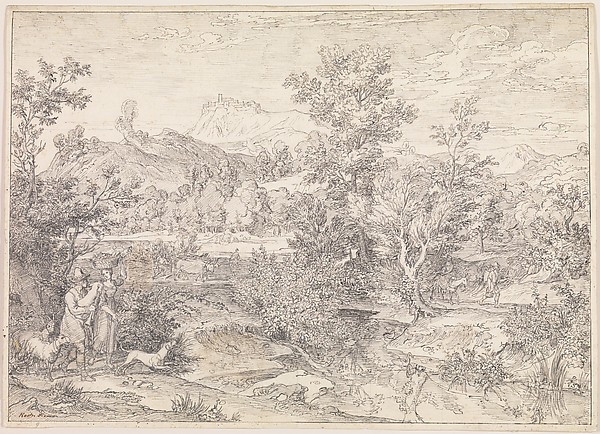 Joseph Anton Koch — Roman landscape with figures near Palian
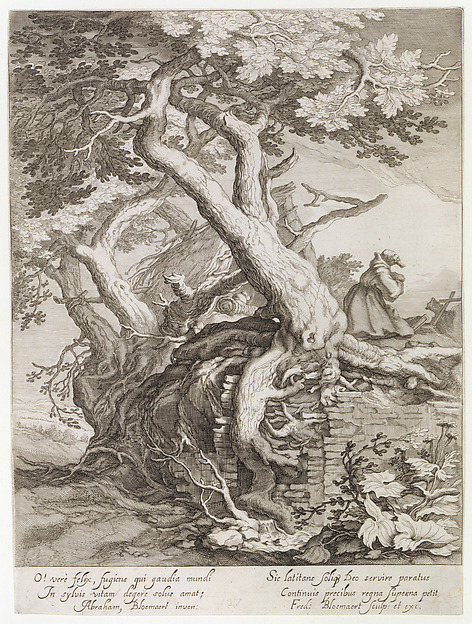 Frederick Bloemaert|Abraham Bloemaert — Landscape with a Her
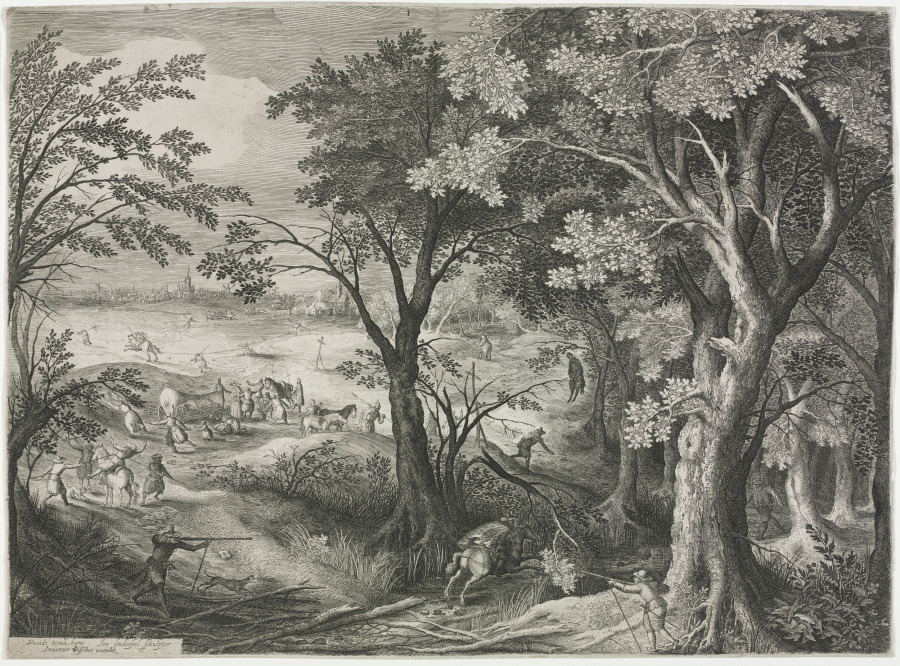 Jan van Londerseel (Dutch, 1578–1625) — Landscape with Trave