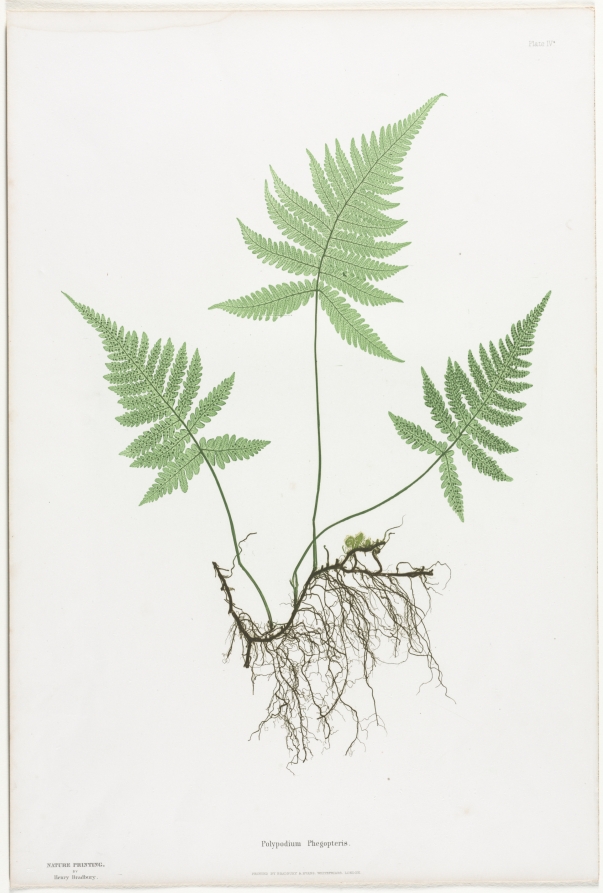
Nature Print of Moonwort and Adder's Tongue Ferns, plate 51 from The Ferns of Great Britain and Ireland
SEE IT IN PERSON
Not currently on view
In the collection of Art Institute of Chicago, Chicago · as of July 2026
Discussion
FROM THE ART INSTITUTE OF CHICAGO’S CATALOG
Moving beyond mezzotint’s reproductive capabilities, Henry Bradbury used botanical specimens impressed into lead for his lifelike prints of plants. The matrix was electroplated, inked in multiple colors, and printed. This image comes from Bradbury’s most famous publication, but the impression may have been printed separately, as it lists his name prominently. Although Bradbury adjusted the technique, he did not invent it. Alois Auer and Andreas Worring had in fact discovered it in Vienna in 1852, but Bradbury neglected to mention them when he patented his version. The ensuing controversy may have contributed to Bradbury’s suicide by poisoned soda water in London’s Cremorne Gardens.
Be the first to share your thoughts.
Sign in to join the discussion.
More by Henry Bradbury
More like this
 Anonymous, French, 19th century — Botanical Studies (recto);
 Georg Dionysius Ehret (German, 1708–1770) — Plantae Selectae
 Anonymous, French, 19th century — Botanical Study
 Anonymous, French, 19th century — Botanical Study of a type
  Alexander, Freiherr von Humboldt (German, 1769–1859) — Voyag
 Maria Sibylla Merian — Study of Capers, Gorse, and a Beetle
 Jacques Le Moyne de Morgues — A Sheet of Studies of Flowers:
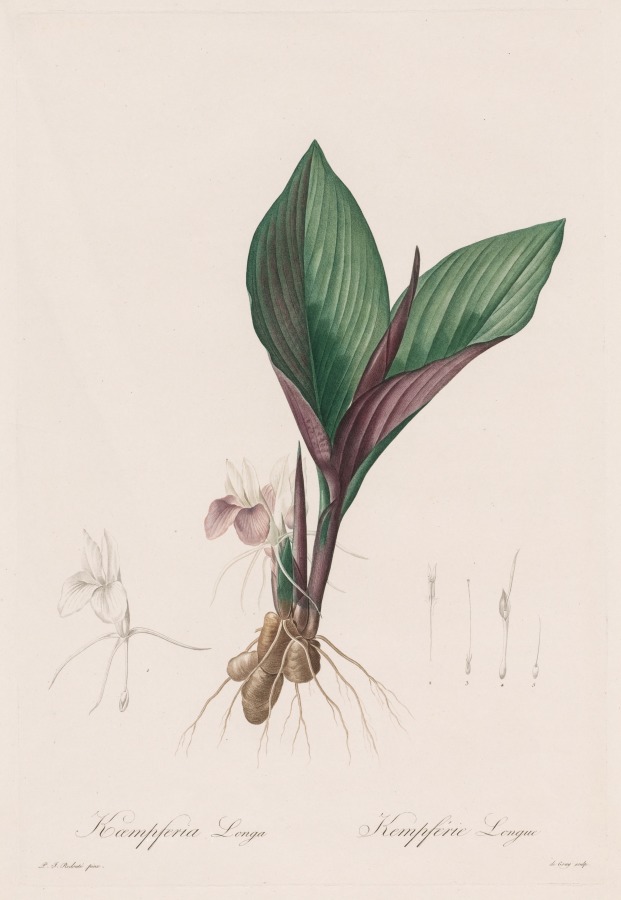 Pierre-Joseph Redouté (French, 1759–1840) — Les Liliacées:
 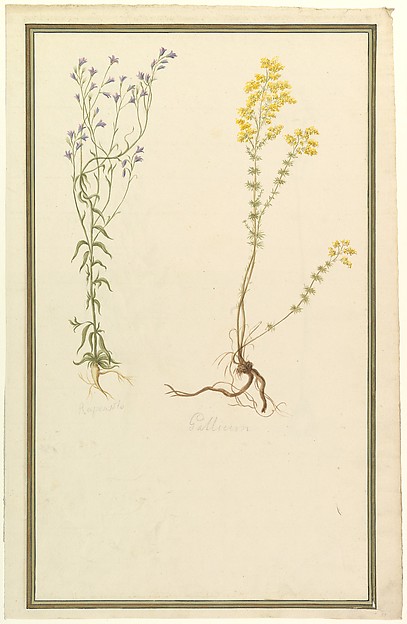 Anonymous, French, 19th century — Botanical Studies
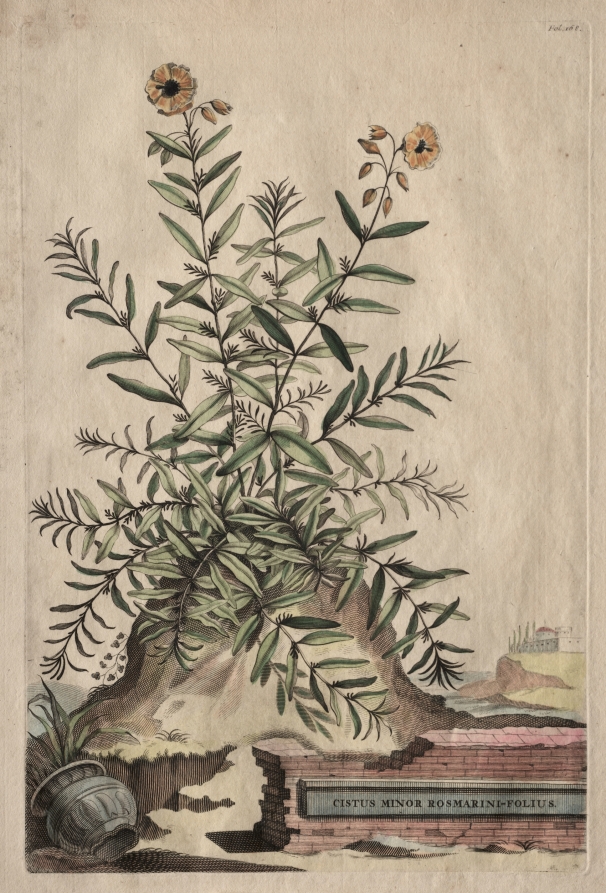 Abraham Munting (Dutch, 1626–1683) — Phytographia Curiosa:
 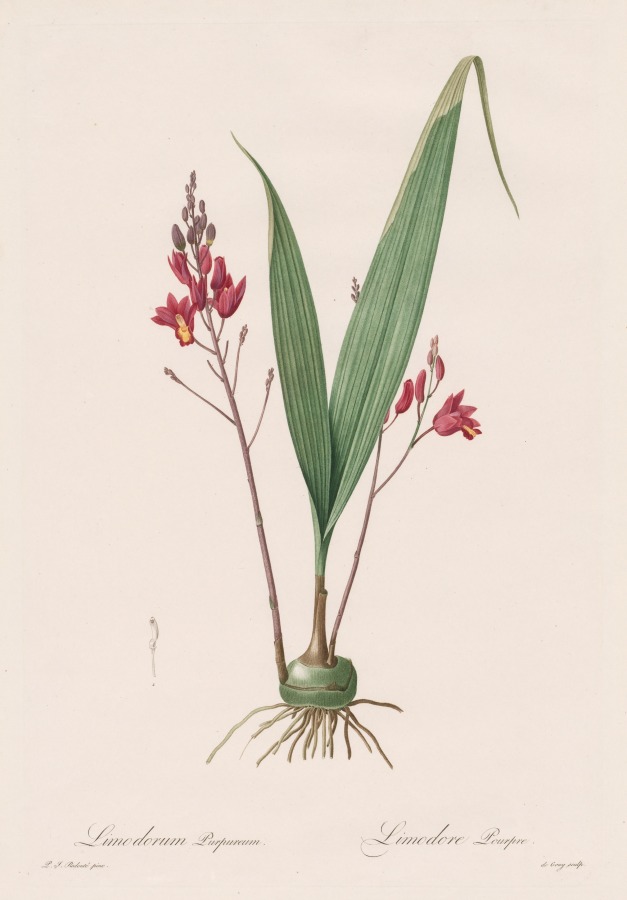 Pierre-Joseph Redouté (French, 1759–1840) — Les Liliacées:
 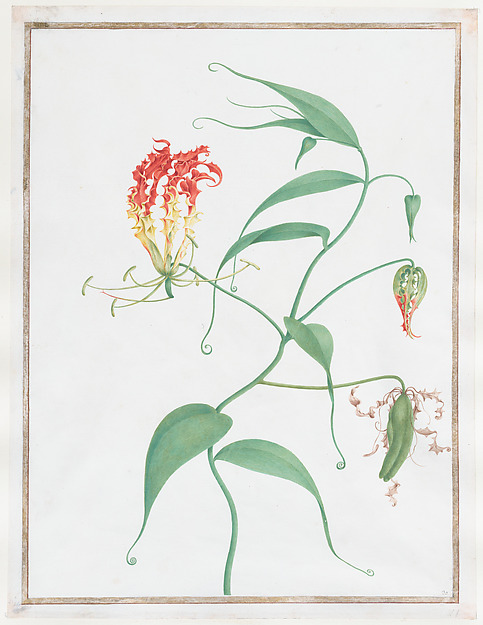 Nicolas Robert — Gloriosa Superba (Climbing Lily)