More like this
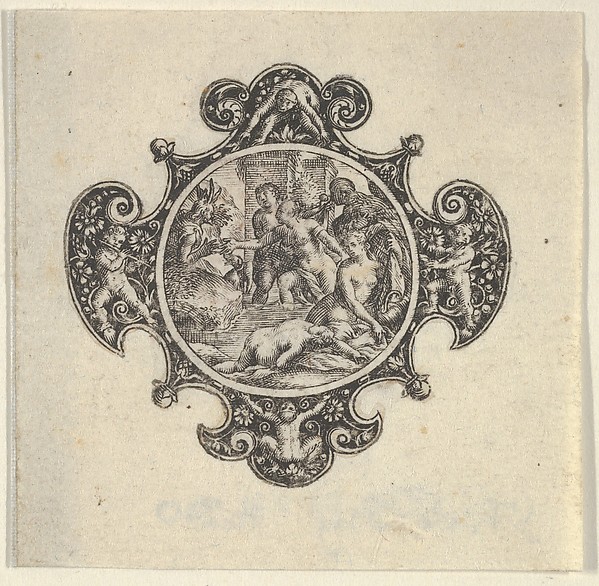 Johann Theodor de Bry — Copy of the Center of a Design for a
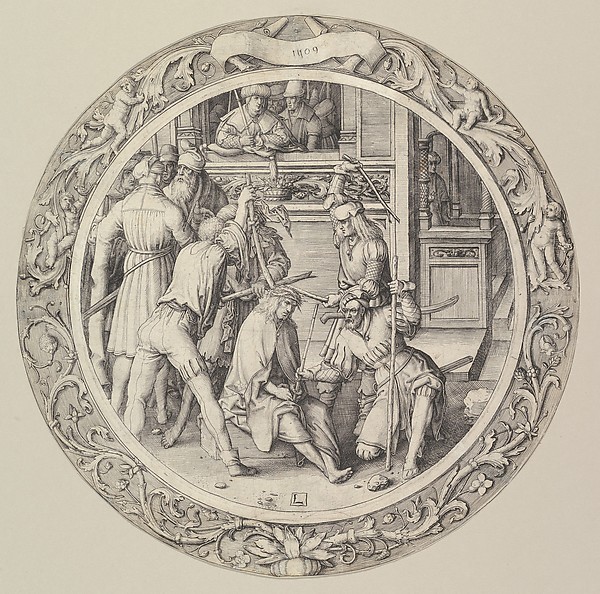 Lucas van Leyden — Christ Crowned with Thorns, from the Circ
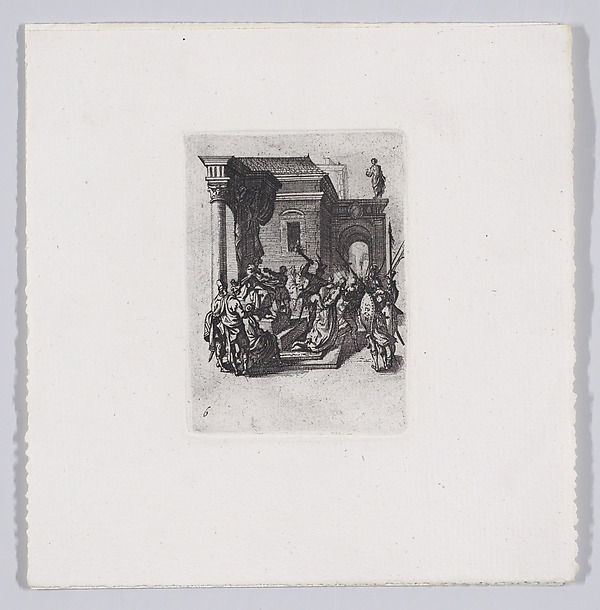 Anonymous|Jacques Callot — Reverse Copy of La Condamnation a
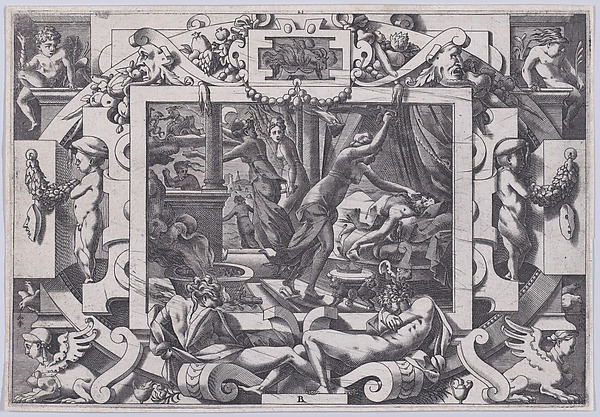 René Boyvin|Leonard Thiry — Pelias Killed by his Daughters (
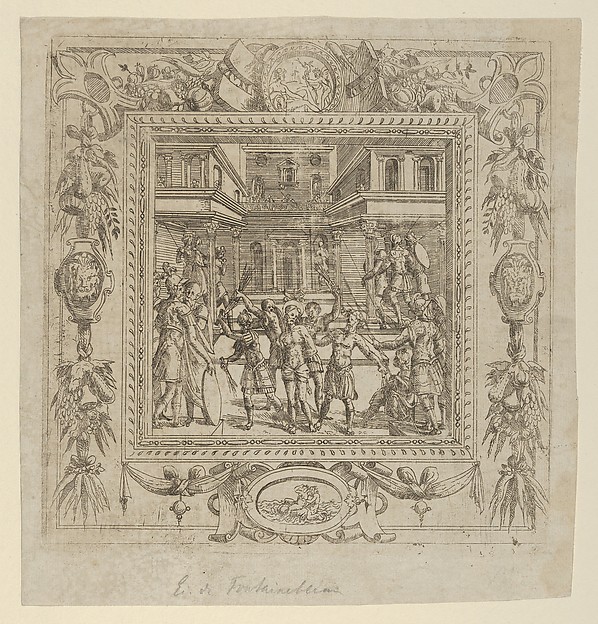 Anonymous, French, School of Fontainebleau, 16th century — F
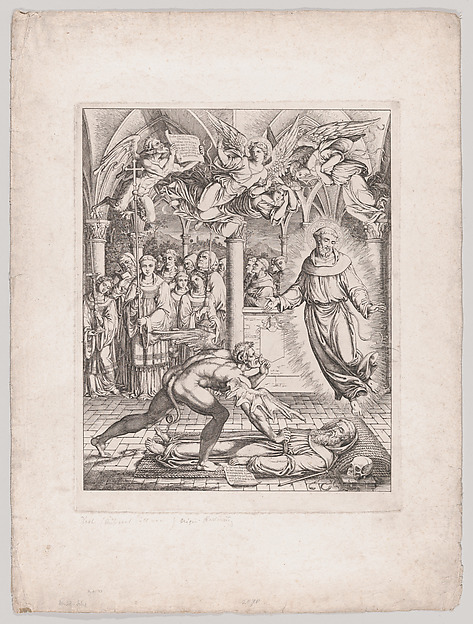 Joseph Anton Koch — Battle of Satan with St. Francis for the
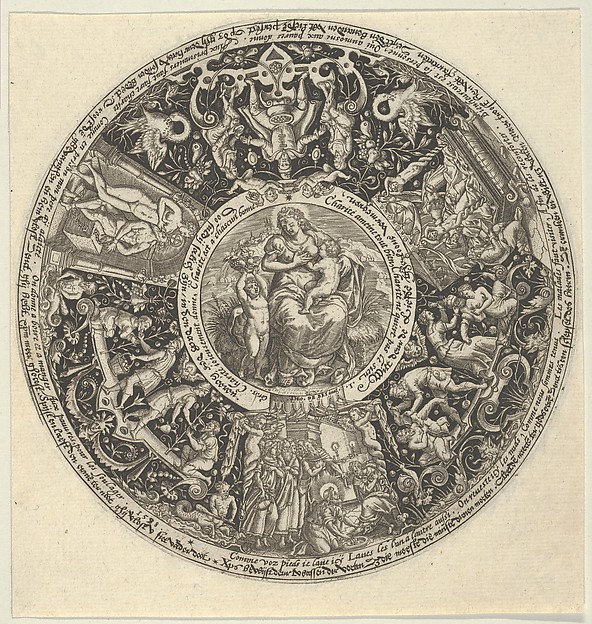 Theodor de Bry — Charitas and the Acts of Charity, from a Se
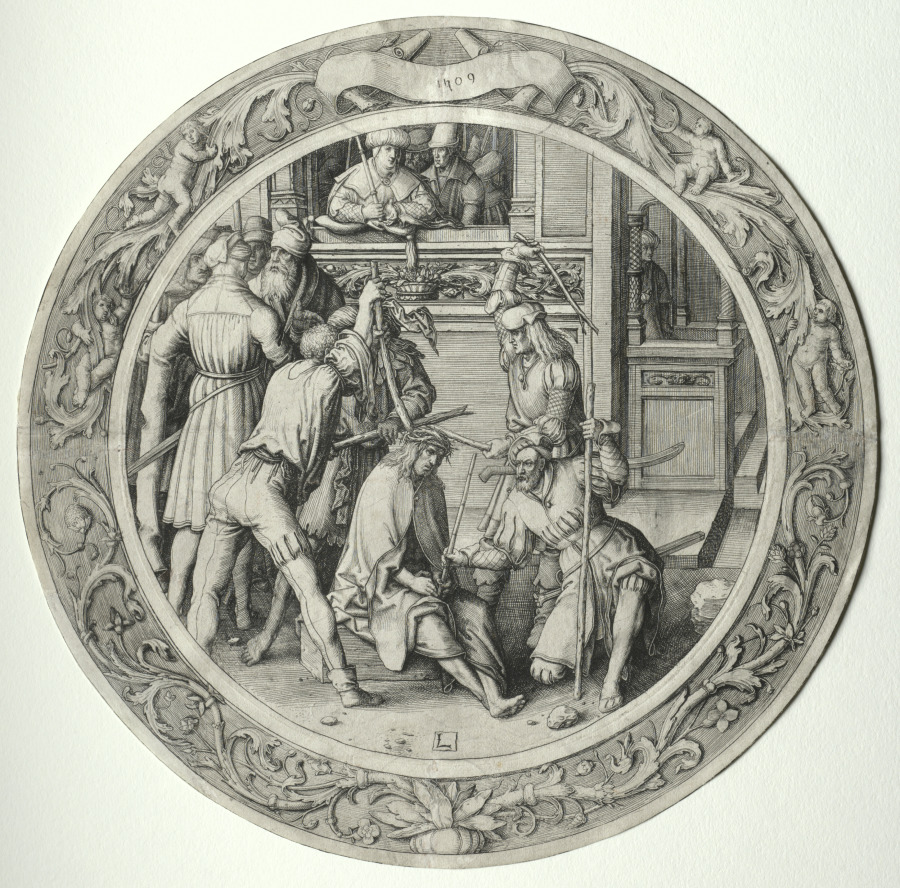 Lucas van Leyden (Netherlandish, 1494–about 1533) — The Roun
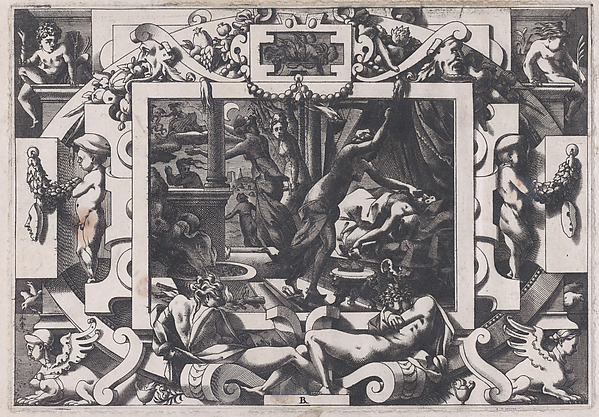 René Boyvin|Leonard Thiry — Pelias Killed by his Daughters (
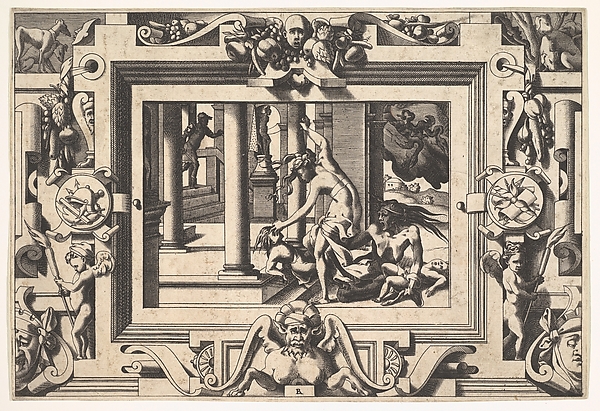 René Boyvin|Leonard Thiry — Medea Kills her Two Children by
 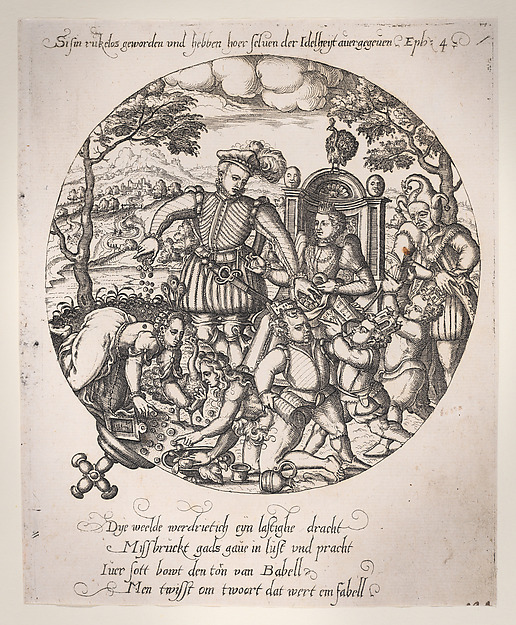 Anonymous, Netherlandish, 16th century — They have become fo
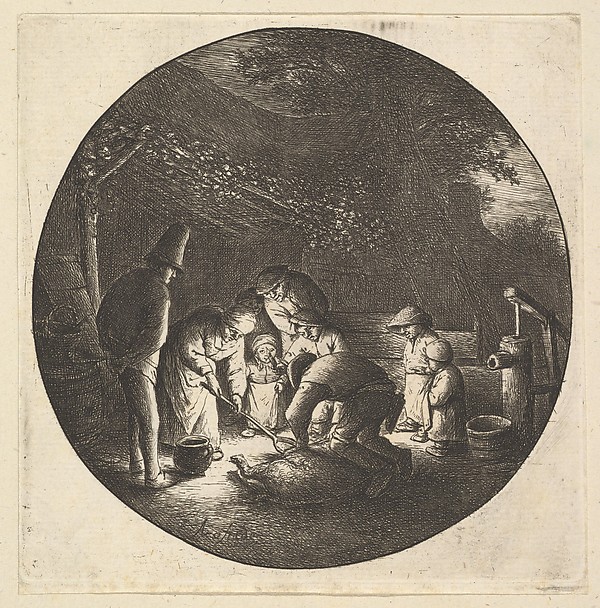 Adriaen van Ostade — Pork Butcher