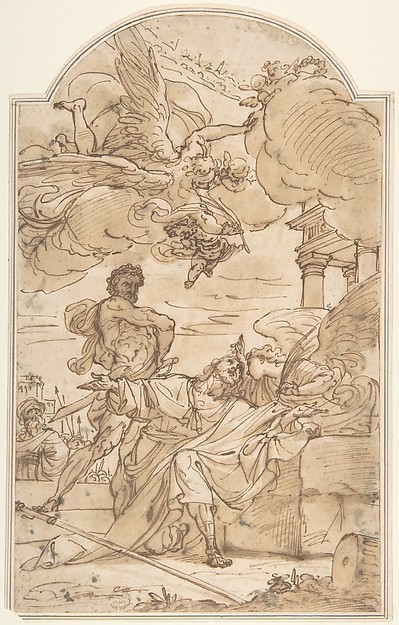
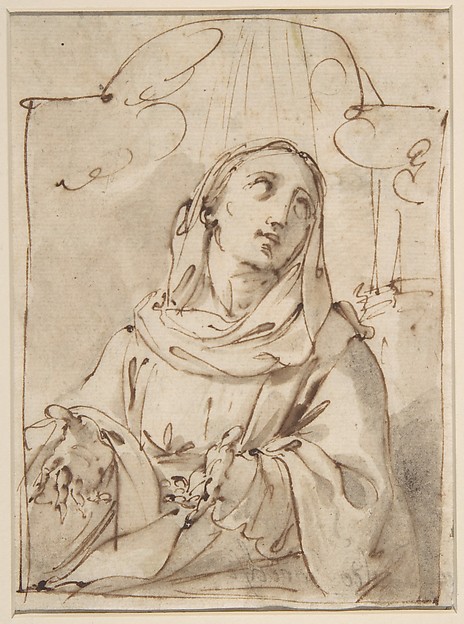
In the collection of The Metropolitan Museum of Art, New York — check current display status with the museum.
Be the first to share your thoughts.
Sign in to join the discussion.
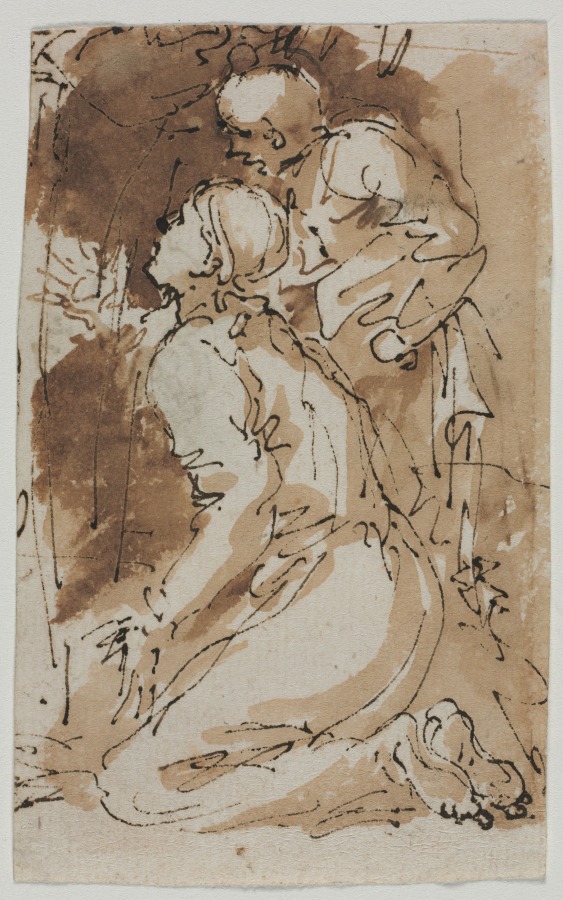 Salvator Rosa (Italian, 1615–1673) — Figure Studies
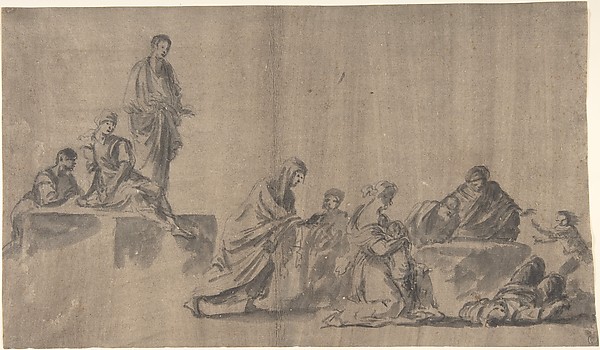 Anonymous, German, 18th century|Bernhard Rohde — Figures Sur
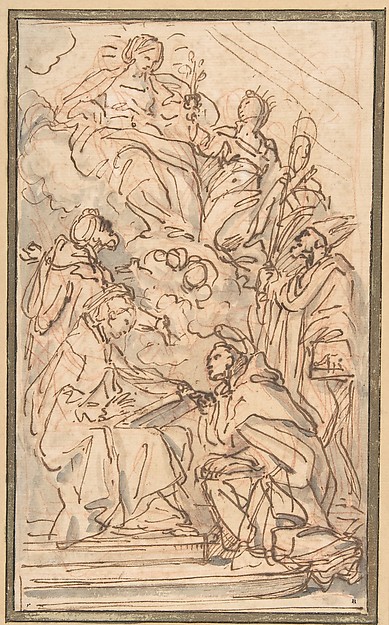 Carlo Maratti — The Virgin with Female Attendant Appearing t
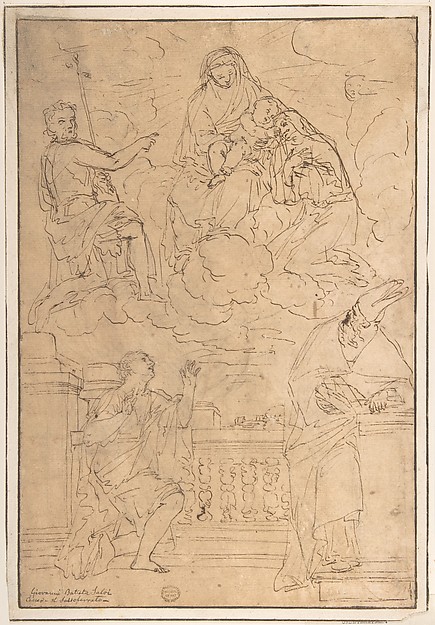 Anonymous, Italian, Roman-Bolognese, 17th century — Madonna
 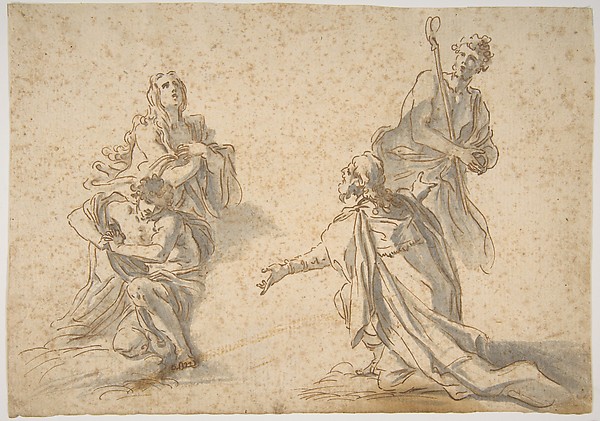 Nicola Maria Rossi — Two Kneeling and Two Standing Figures
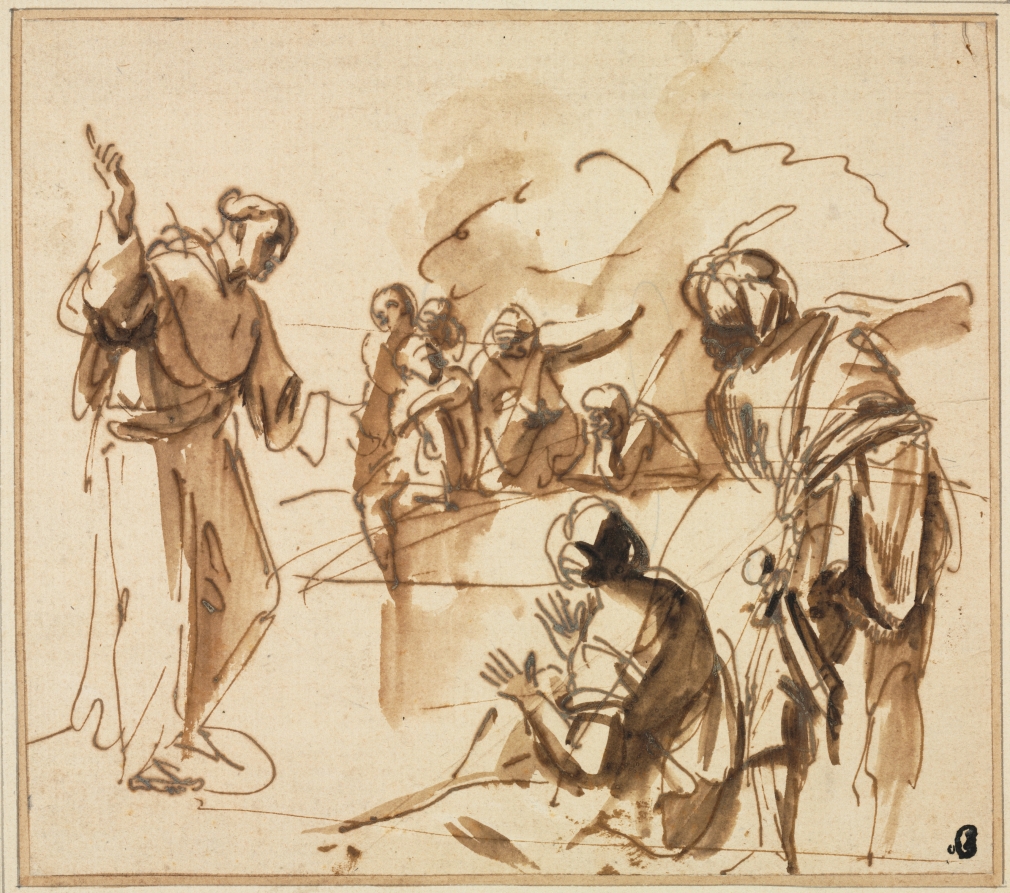 Pier Francesco Mola (Italian, 1612–1666) — A Monk Preaching
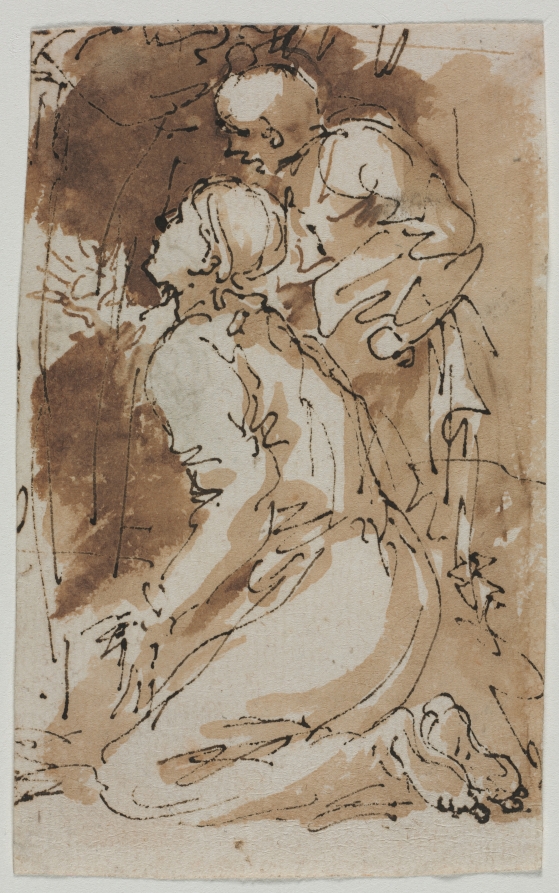 Salvator Rosa (Italian, 1615–1673) — Figure Studies (recto)
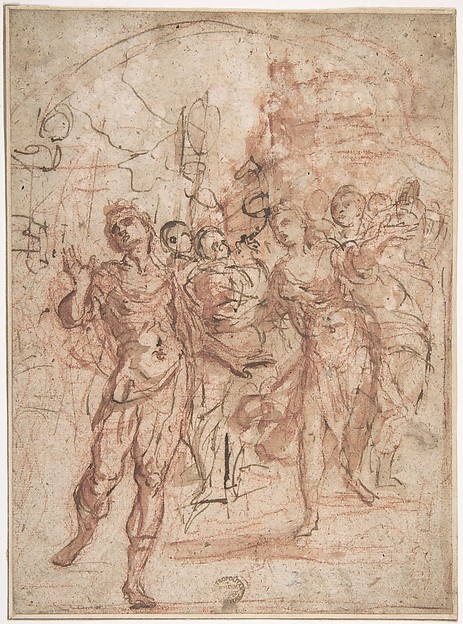 Anonymous, Italian, Roman-Bolognese, 17th century — Scene of
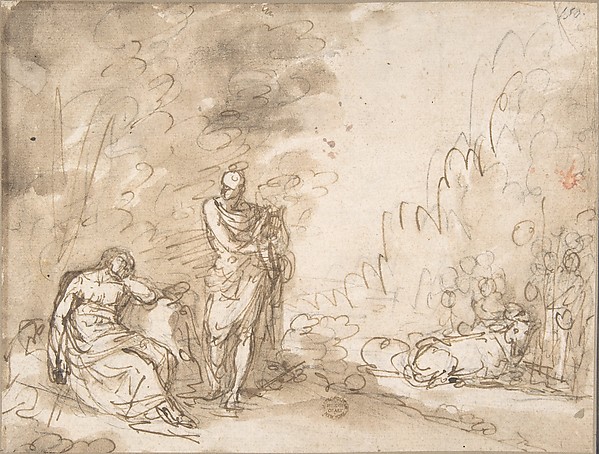 Anonymous, Italian, Roman-Bolognese, 17th century — Scene wi
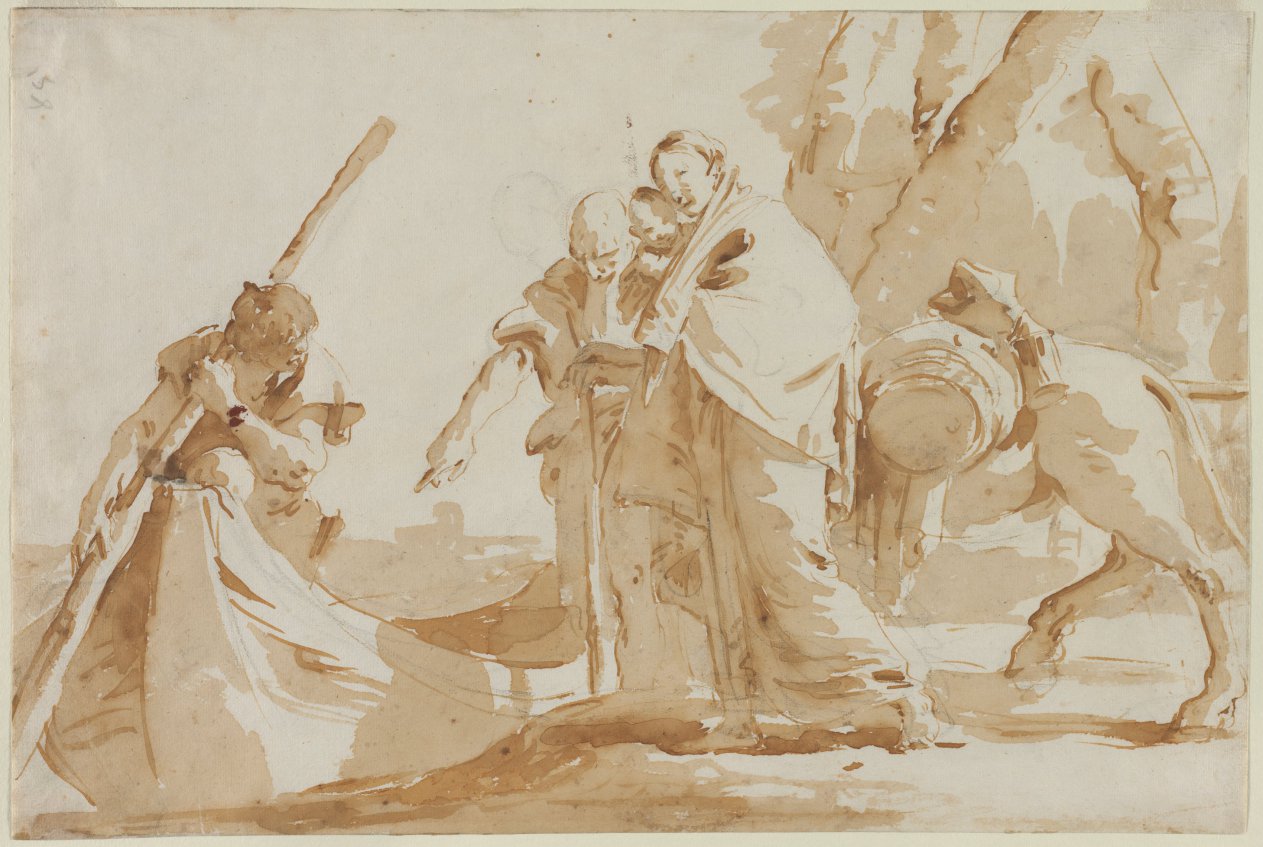 Giovanni Battista Tiepolo (Italian, 1696–1770) — Flight into
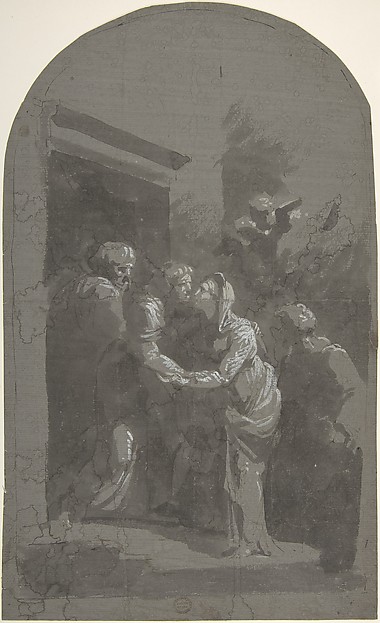 Domingos António de Sequeira — Visitation
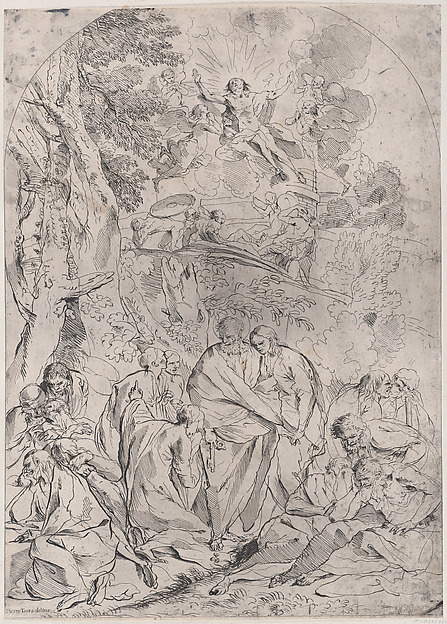 Pietro Testa|François Collignon — Saint Peter standing in th