In the collection of Cleveland Museum of Art, Cleveland — check current display status with the museum.
FROM THE CLEVELAND MUSEUM OF ART’S CATALOG
Chinese classical education consisted of the Six Arts: performing rites, music, archery, charioteering, calligraphy, and mathematics. The Chinese qin, a stringed musical instrument in the zither family, customarily symbolizes the art of music. In this print a similar Japanese instrument, the koto, replaces the qin. The fashionable Japanese entertainer playing it stands in for an accomplished Chinese scholar.
Be the first to share your thoughts.
Sign in to join the discussion.
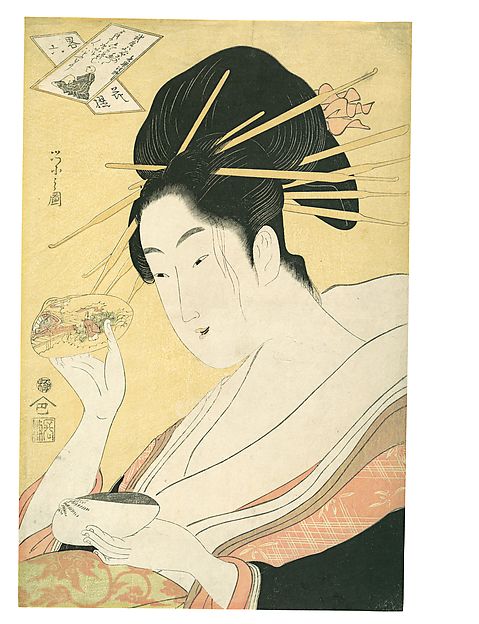
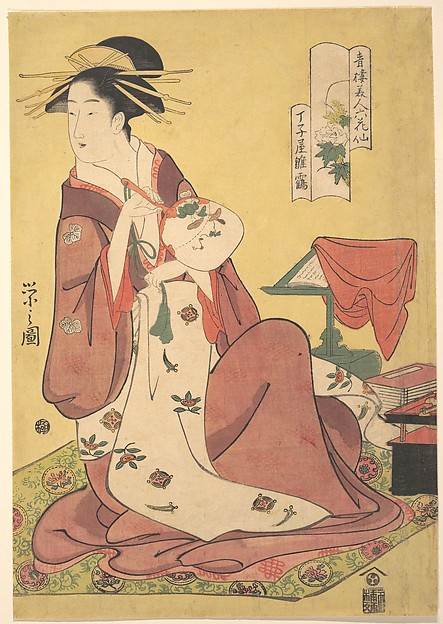 Chōbunsai Eishi — 鳥文斎栄之画 「青楼美人六花仙 丁子屋雛鶴鸖」|The Courtesan Hin
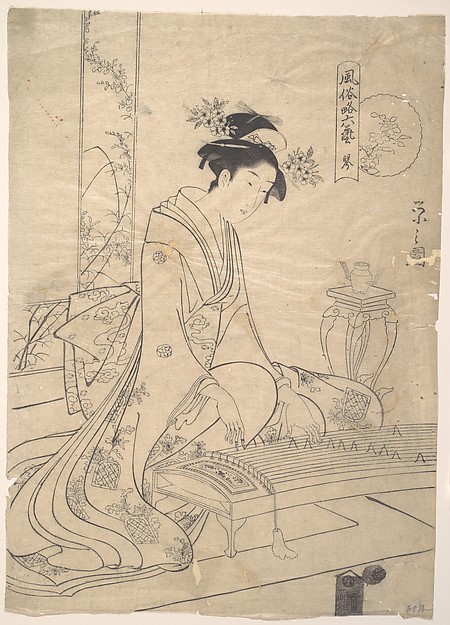 Chōbunsai Eishi
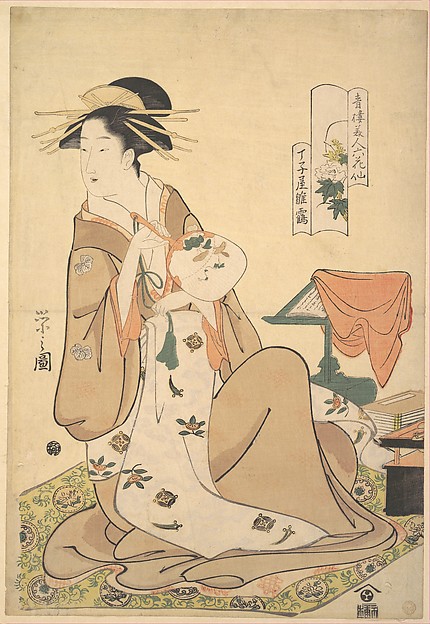 Chōbunsai Eishi
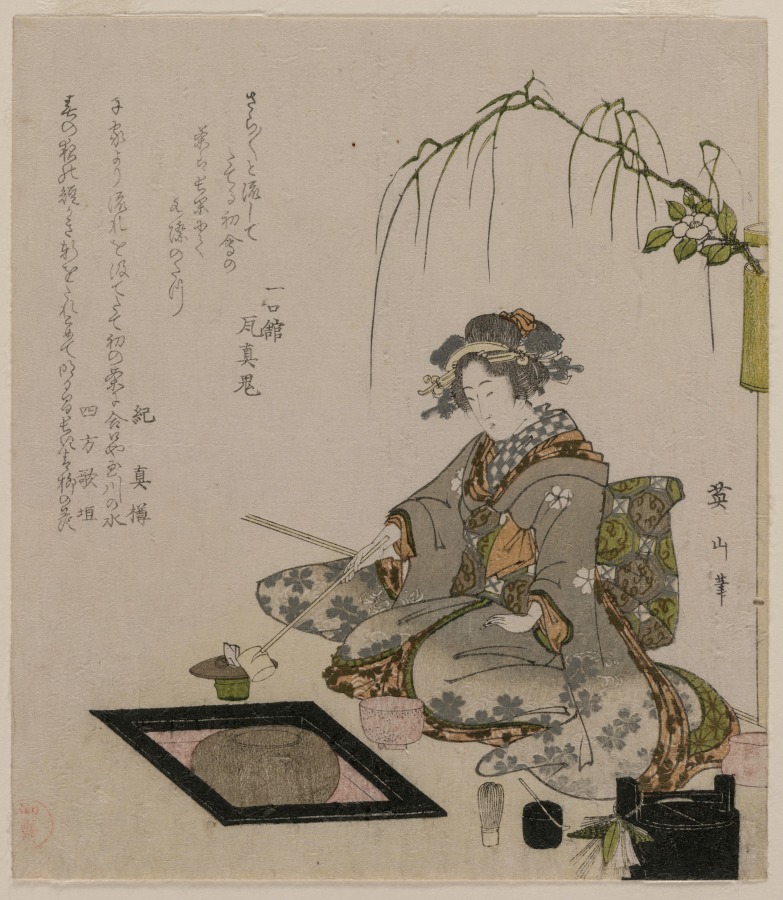 Kikukawa Eizan (Japanese, 1787–1867) — Woman Performing the
 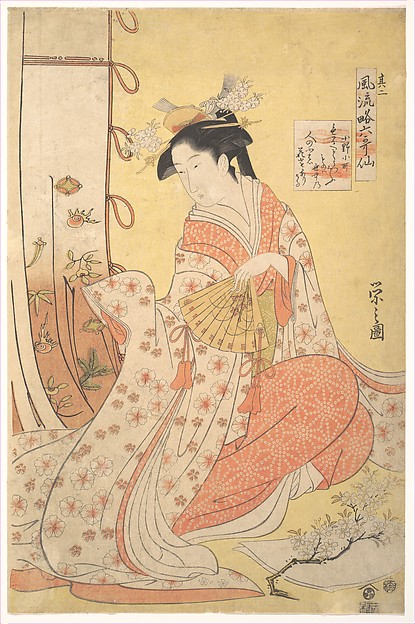 Chōbunsai Eishi — 鳥文斎栄之画 「風流略六哥仙 其の二」小野小町|Ono no Komachi: Nu
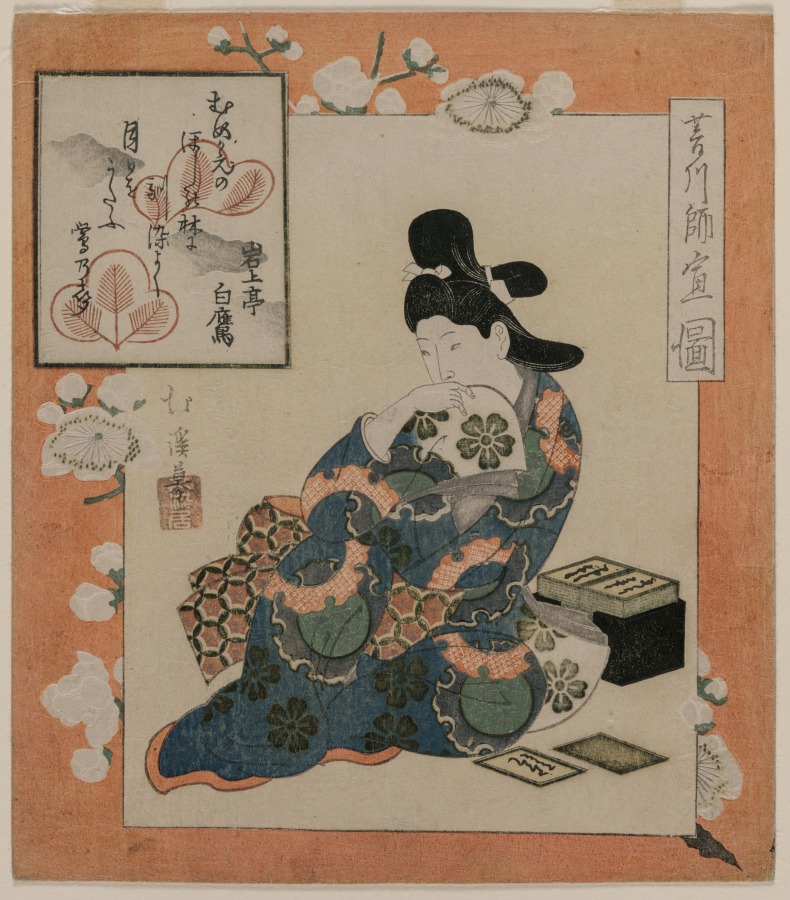 Totoya Hokkei (Japanese, 1780–1850) — A Picture by Hishikawa
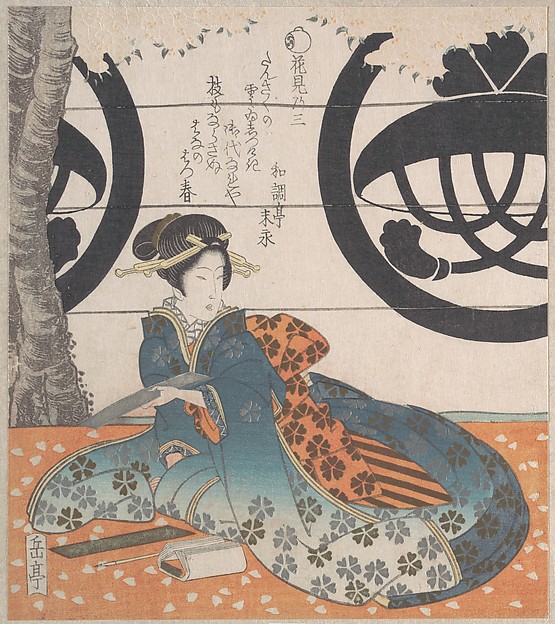 Yashima Gakutei
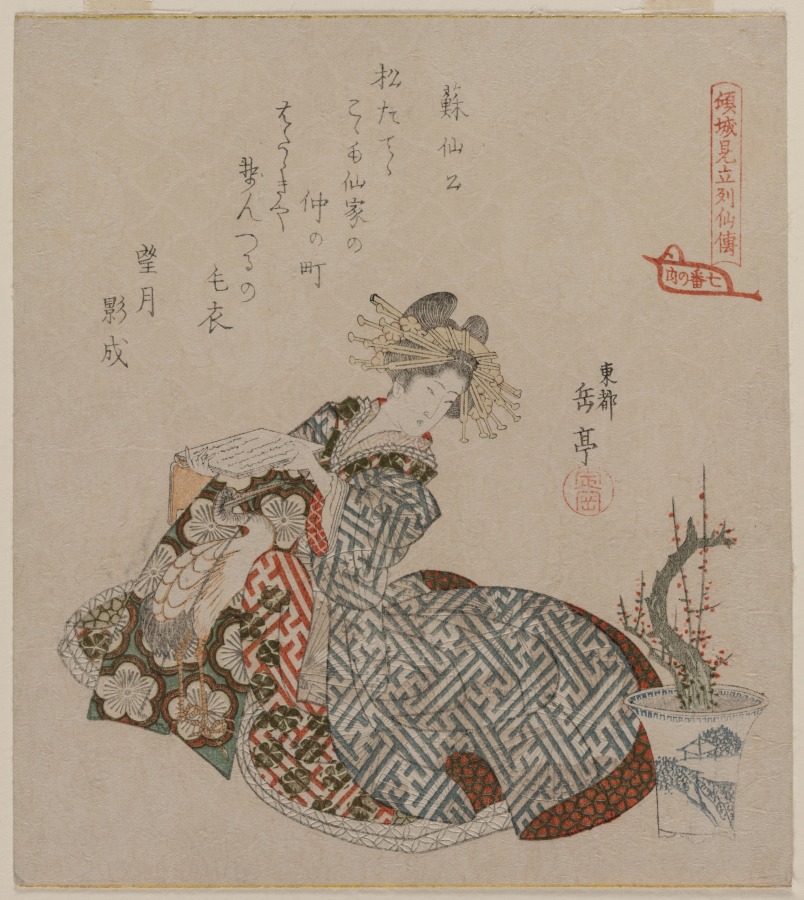 Gakutei Harunobu (Japanese, 1786(?)–1868) — Courtesan Readin
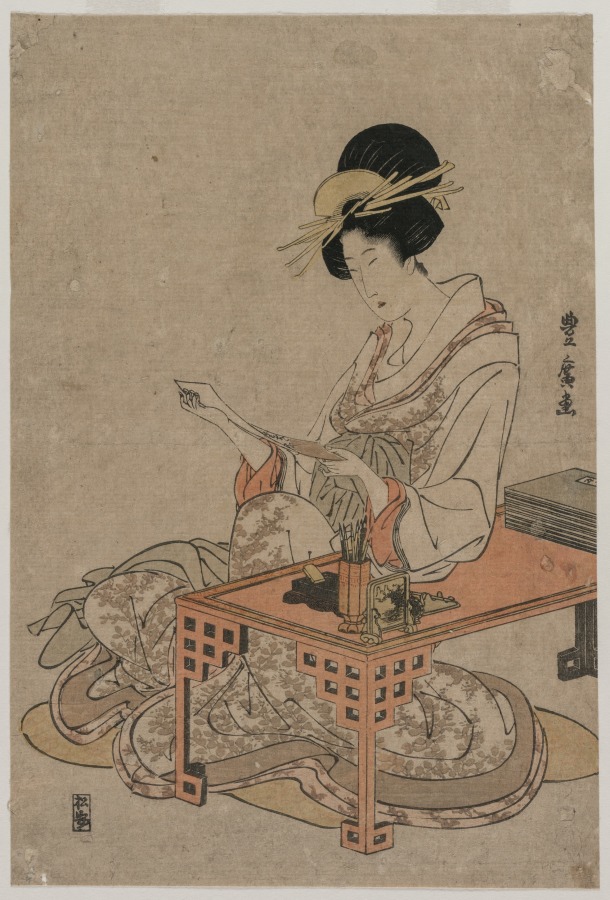 Utagawa Toyohiro (Japanese, 1733–1828) — Courtesan Seated at
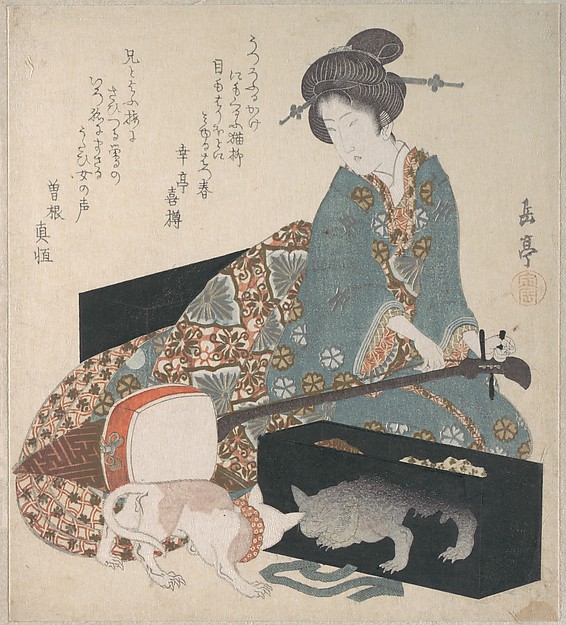 Yashima Gakutei — 三味線の調弦|Woman Tuning a Shamisen and a Cat L
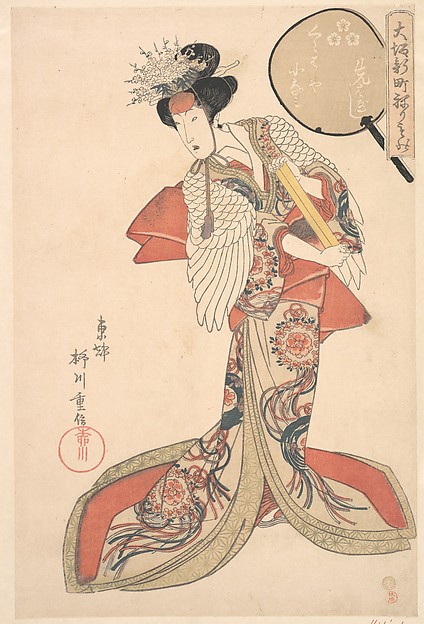 Yanagawa Shigenobu
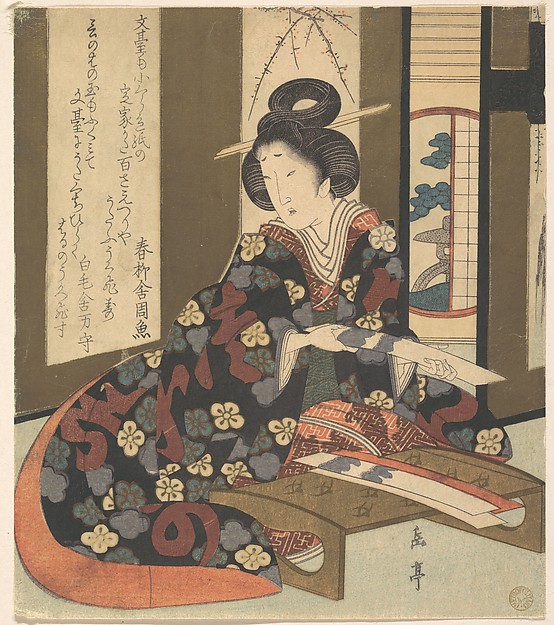 Yashima Gakutei