In the collection of Cleveland Museum of Art, Cleveland — check current display status with the museum.
FROM THE CLEVELAND MUSEUM OF ART’S CATALOG
Fragonard’s grisaille drawing portrays a sculpted personification of Wisdom, identified by the inscription “Sagesse” along her forehead. She is seated on a stone throne, decorated with two other female personifications on either side. Characterized as a righteous woman, Wisdom lifts her right arm in an authoritative gesture while clutching her traditional attribute, a crown of stars, in her other hand.
Be the first to share your thoughts.
Sign in to join the discussion.
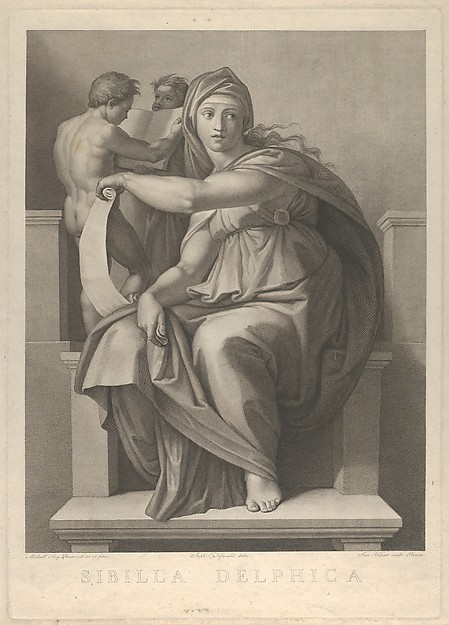 Stephano Tofanelli|Michelangelo Buonarroti|Giovanni Volpato
 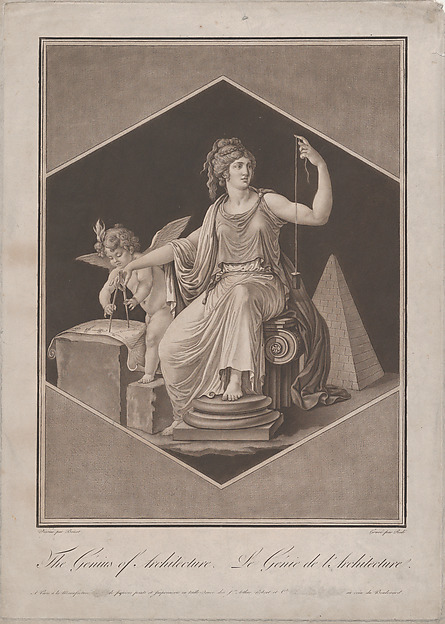 Antoine Boizot|Ridé — The Genius of Architecture
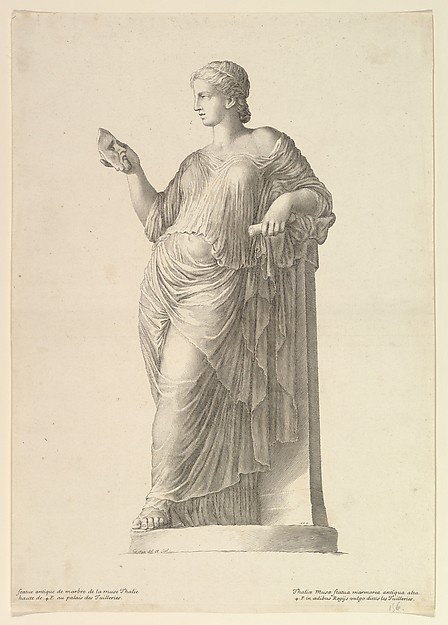 Claude Mellan — Ancient Statue of the Muse Thalia
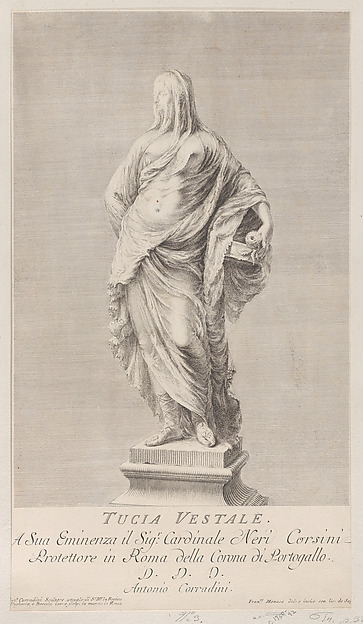 Francesco Monaco|Antonio Corradini — Statue of Tuccia, the a
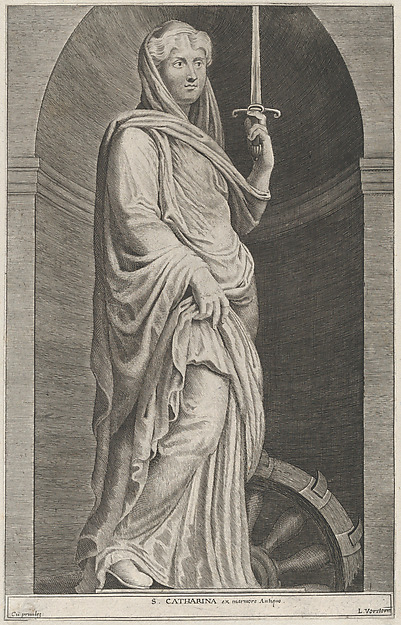 Lucas Vorsterman I|Peter Paul Rubens — Saint Catherine, with
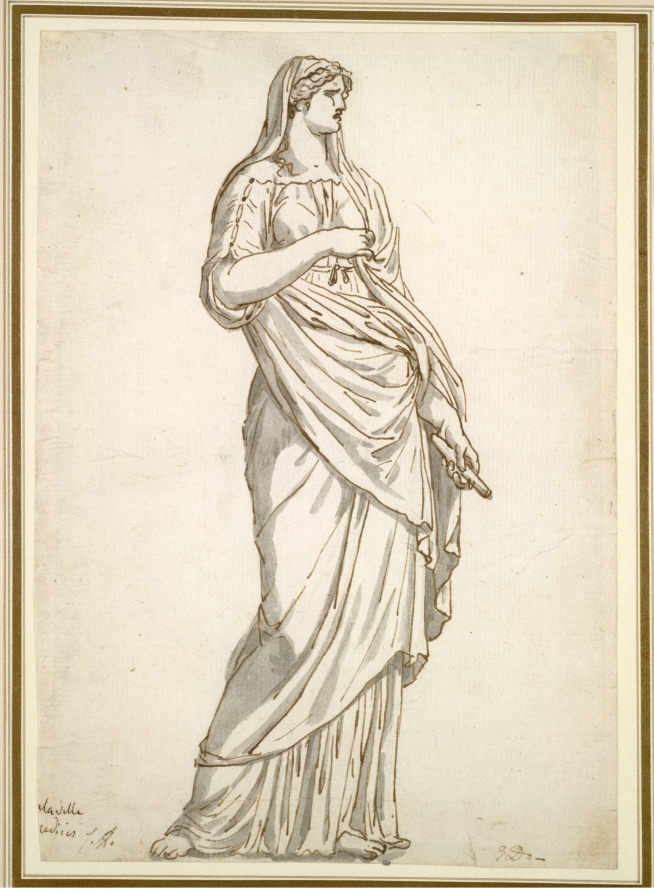 Jacques-Louis David (French, 1748–1825) — Study of the Sabin
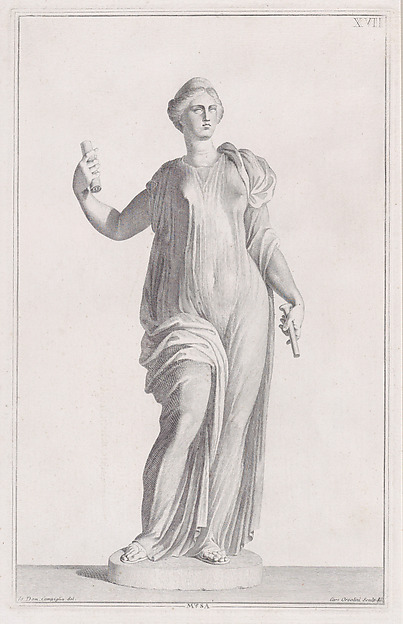 Carlo Orsolini|Giovanni Domenico Campiglia — Plate XVII (17
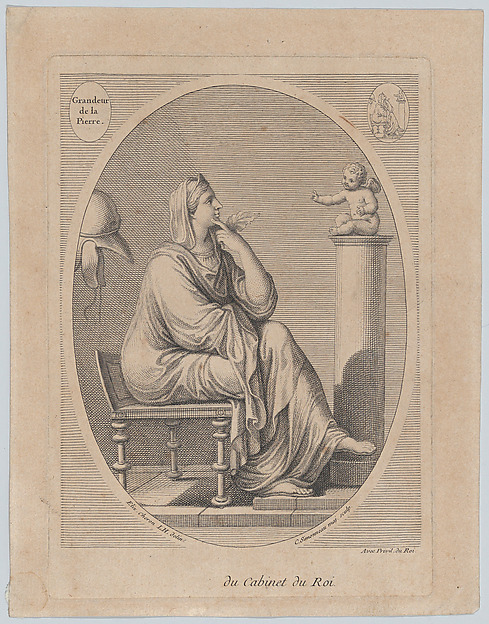 Charles Simonneau — Grandeur de la pierre, after Eliz. Chero
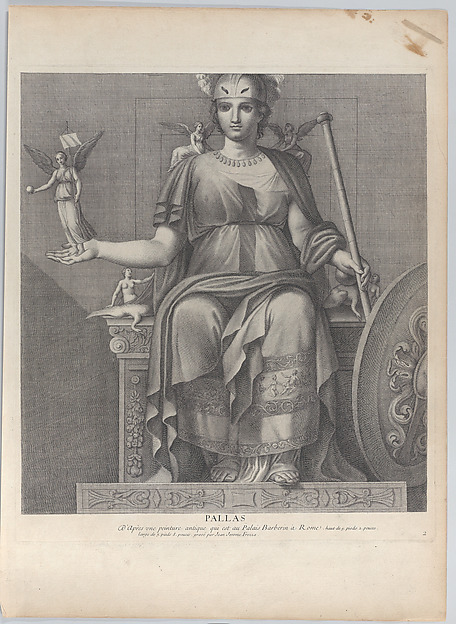 Giovanni Girolamo Frezza — Pallas
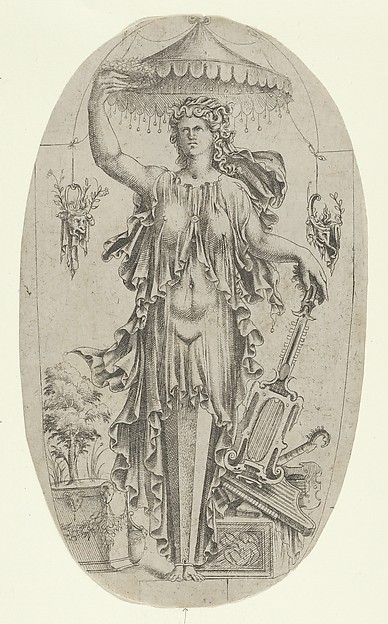 Jean Mignon — Term in the Form of a Woman with Musical Instr
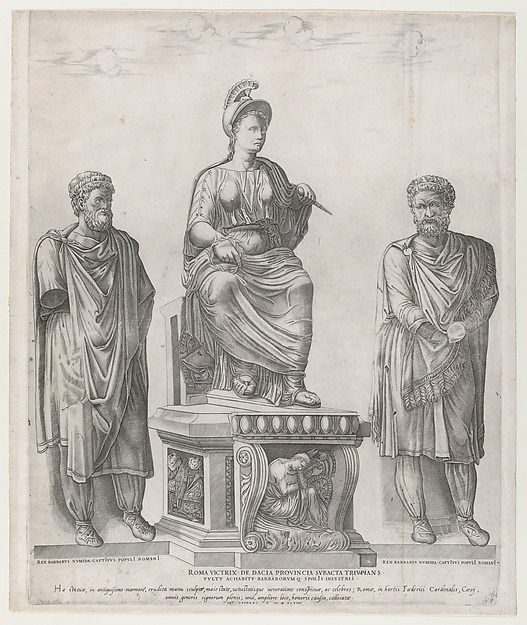 Nicolas Beatrizet|Antonio Lafreri — Speculum Romanae Magnifi
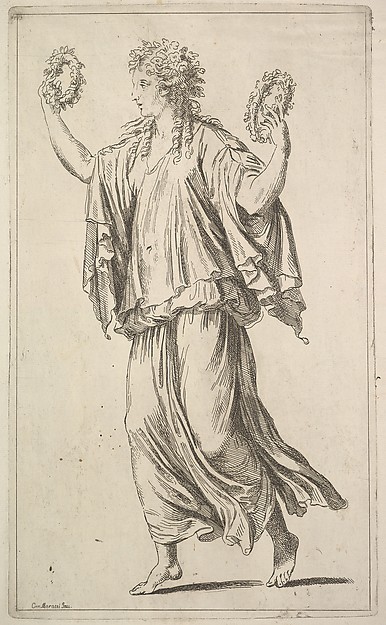 Carlo Maratti — Dancing Figure