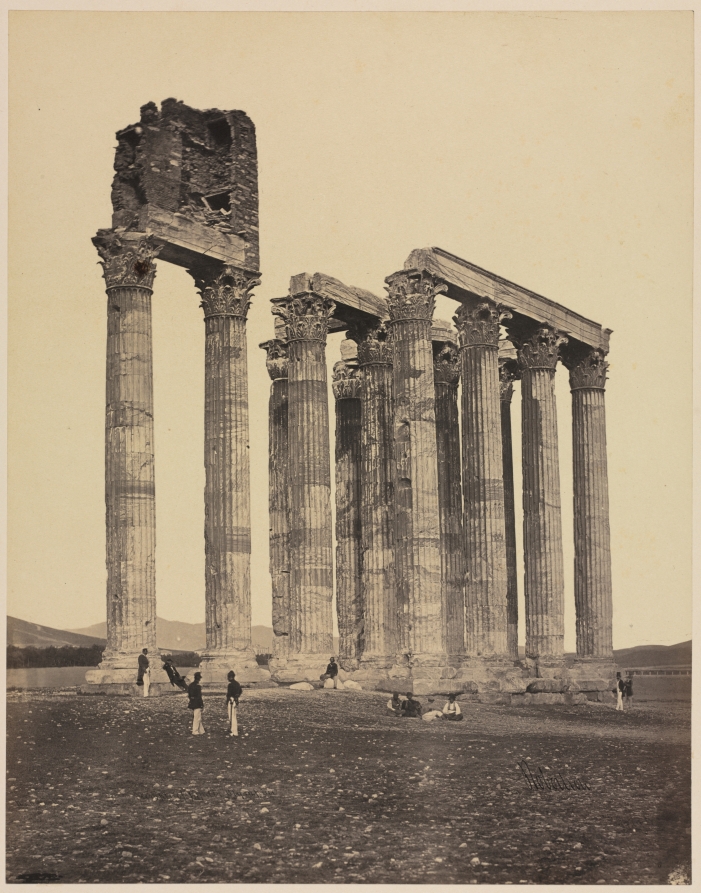
James Robertson (British, 1813 (?)-aft 1865)
In the collection of Cleveland Museum of Art, Cleveland — check current display status with the museum.
FROM THE CLEVELAND MUSEUM OF ART’S CATALOG
This charming view of the Well of Joab resulted from the pioneering photographic collaboration of James Robertson and his brother-in-law, Felice Beato, while on a trip to the Near East in 1857. Their high quality, large, beautifully executed, and carefully composed photographs are products of the first known use of the wet-collodion process in the Holy Land. The images depict the most holy places in and near Jerusalem, typically recording the sites from striking points of view, as in the lush salt print Well of Joab, Jerusalem . The camera was pointed upward, producing a three-quarter view of the well’s architectural stone ruins, which appear to merge into the rocky surface of the hilly background. In the foreground of the composition, a solitary seated figure establishes scale and instills this otherwise desolate scene with a sense of humanity. Of the Holy Land photographers, Robertson and Beato were the first to successfully integrate human figures into the surrounding scenery of their compositions.
Be the first to share your thoughts.
Sign in to join the discussion.
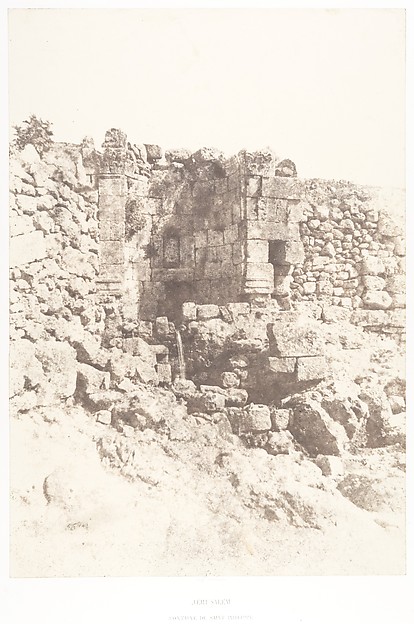 Auguste Salzmann|Imprimerie photographique de Blanquart-Évra
![[Tomb of Absalom, Zacharias, and St. James]](https://images.metmuseum.org/CRDImages/ph/web-large/DP111362.jpg) John Anthony — [Tomb of Absalom, Zacharias, and St. James]
John Anthony — [Tomb of Absalom, Zacharias, and St. James]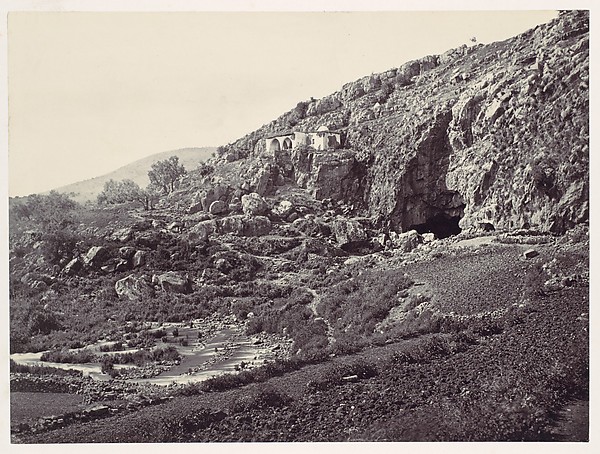 Francis Frith — Principal Source of the Jordan, Flowing From
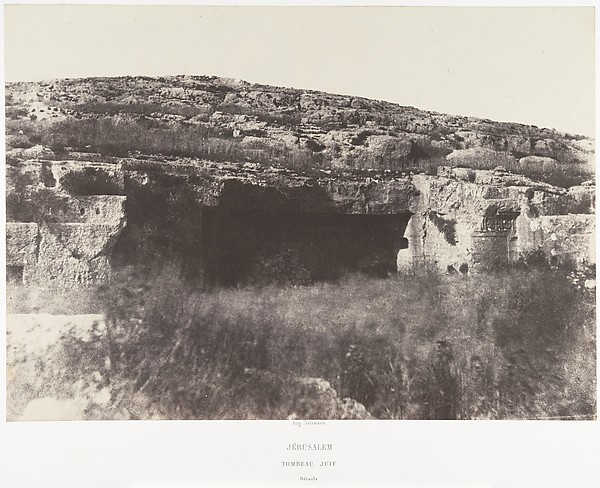 Auguste Salzmann|Imprimerie photographique de Blanquart-Évra
 Francis Frith — Mount Moriah, Jerusalem, from the Well of En
![[Garden of Gethsemane and the Tomb of the Virgin, Jerusalem]](https://images.metmuseum.org/CRDImages/ph/web-large/DP111360.jpg) John Anthony — [Garden of Gethsemane and the Tomb of the Vir
John Anthony — [Garden of Gethsemane and the Tomb of the Vir Auguste Salzmann|Imprimerie photographique de Blanquart-Évra
 Imprimerie photographique de Blanquart-Évrard, à Lille|Augus
 Auguste Salzmann|Imprimerie photographique de Blanquart-Évra
 Imprimerie photographique de Blanquart-Évrard, à Lille|Augus
![[Jerusalem]](https://images.metmuseum.org/CRDImages/ph/web-large/DP111357.jpg) John Anthony — [Jerusalem]
John Anthony — [Jerusalem] Louis de Clercq|H. Jannin|J. Blondeau et Antonin — Jérusalem