Jacques Callot|Giulio Parigi

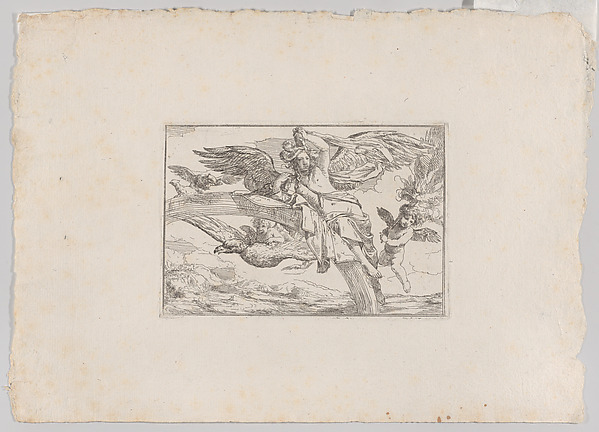
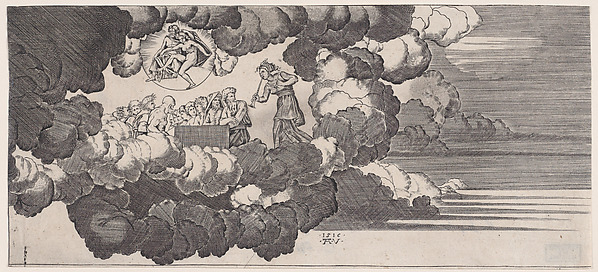
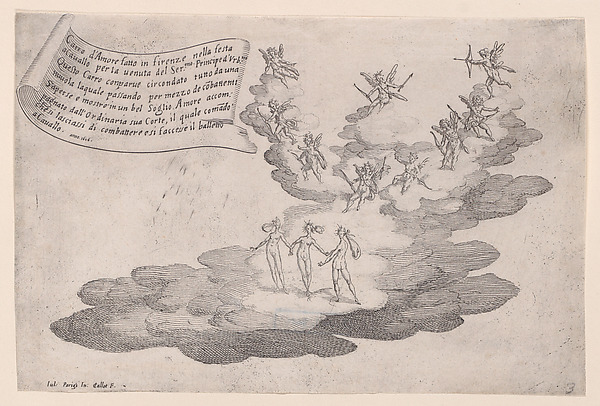
Le Char de L'Amour, from Guerre de Beauté (Guerra di Bellezza) (War of Beauty)

1616
Etching; first state of two (Lieure)
17.4 × 25.2 cm (6.9 × 9.9 in)

SEE IT IN PERSON

Not currently on view

In the collection of The Metropolitan Museum of Art, New York · as of July 2026

View at metmuseum.orgPlan a visit ↗

Discussion

Be the first to share your thoughts.

Sign in to join the discussion.

Community guidelines

More by Jacques Callot|Giulio Parigi
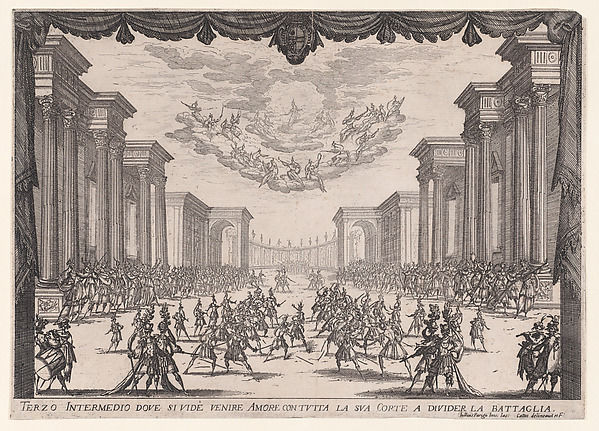
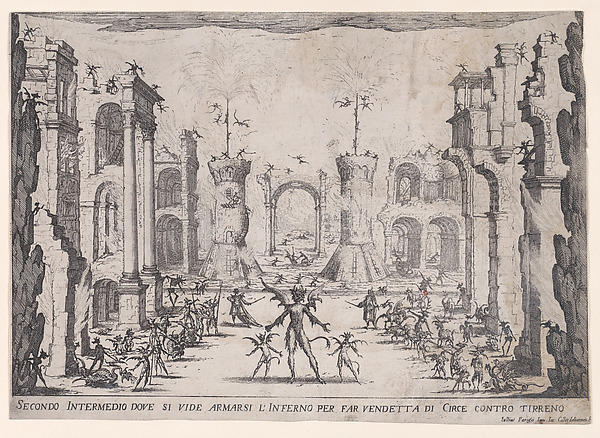
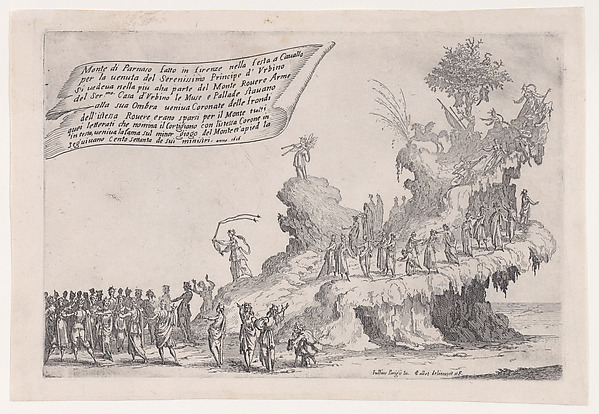
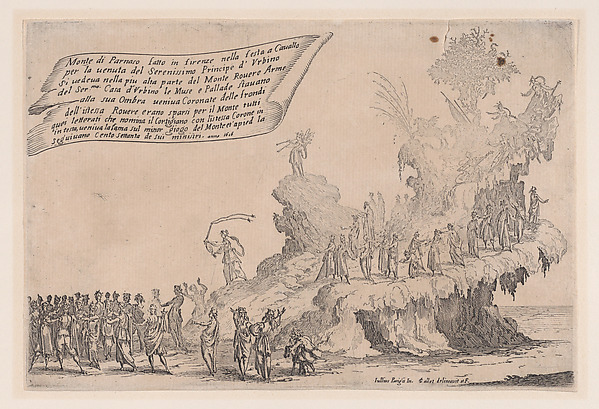
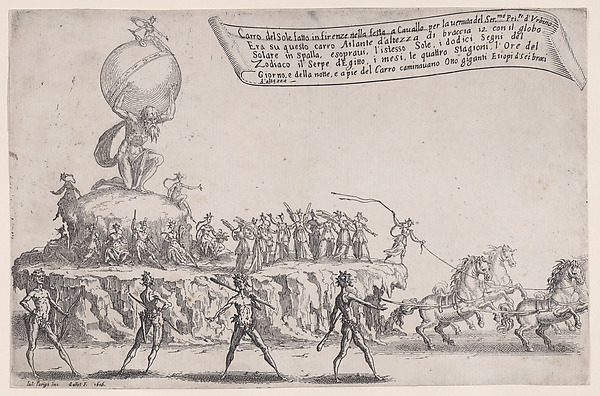
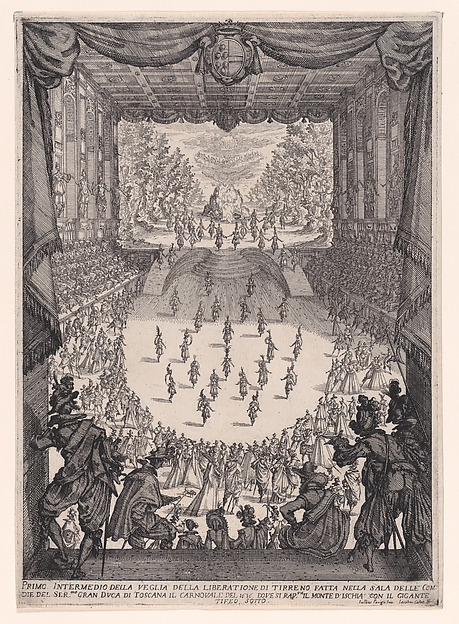
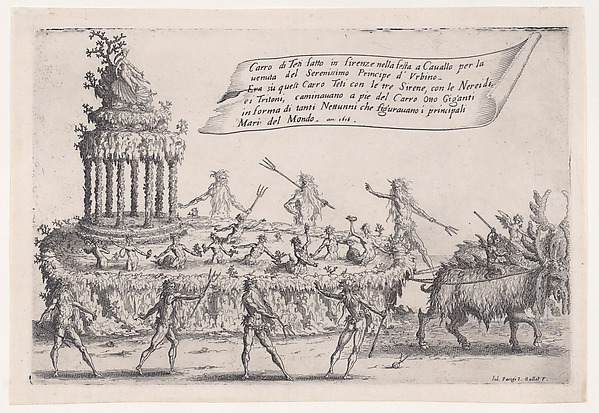
3e Intermède (3rd Interlude), from Les Intermèdes (The Interludes)3e Intermède (3rd Interlude), from Les Intermèdes (The Inter2e Intermède (2nd Interlude), from Les Intermèdes (The Interludes)2e Intermède (2nd Interlude), from Les Intermèdes (The InterLe Char du Mont Parnasse (The Chariot of Mount Parnassus), from Guerre de Beauté (Guerra di Bellezza) (War of Beauty)Le Char du Mont Parnasse (The Chariot of Mount Parnassus), fLe Char de L'Amour, from Guerre de Beauté (Guerra di Bellezza) (War of Beauty)Le Char de L'Amour, from Guerre de Beauté (Guerra di BellezzLe Char du Mont Parnasse (The Chariot of Mount Parnassus), from Guerre de Beauté (Guerra di Bellezza) (War of Beauty)Le Char du Mont Parnasse (The Chariot of Mount Parnassus), fLe Char du Soleil (The Chariot of Sun), from Guerre de Beauté (Guerra di Bellezza) (War of Beauty)Le Char du Soleil (The Chariot of Sun), from Guerre de Beaut1er Intermède (1st Interlude), from Les Intermèdes (The Interludes)1er Intermède (1st Interlude), from Les Intermèdes (The InteLe Char de Thétis (The Chariot of Thetis), from Guerre de Beauté (Guerra di Bellezza) (War of Beauty)Le Char de Thétis (The Chariot of Thetis), from Guerre de Be
More like this

The Heavenly HostAnonymous, Italian, Roman-Bolognese, 17th century — The HeavAllegory of Art and Knowledge with the Coat-of-Arms of Hans Wilpert ZollerMathais Füssli the Youngest — Allegory of Art and Knowledge Air, represented by Iris reclining on her rainbow, accompanied by a winged putto bearing a torch and another winged putto riding an eagle, from "The Elements"Giulio Carpioni — Air, represented by Iris reclining on her Truth, from The Powers that Rule the WorldZacharias Dolendo — Truth, from The Powers that Rule the WorFragment of Nativity Scene with Music-Making Angels on Clouds AboveAnonymous, Spanish, School of Seville, 17th century — FragmeThree Children Among Clouds Carrying a DraperyFrançois Boucher|Gabriel Huquier|Chez Huquier — Three ChildrA woman in a chariot arrives at the ruins of a building as the Olympian gods look down from above, in the foreground stands an armed female figure; set design from 'Il Pomo D'Oro'Ludovico Ottaviano Burnacini|Mathäus Küsel — A woman in a chThe News Brought to OlympusAgostino Veneziano (Agostino dei Musi)|Baccio Bandinelli — TA female figure in glory at center, surrounded by burning rocks; below Cupid sailing on a burning chariot; set design from 'Il Pomo D'Oro'Ludovico Ottaviano Burnacini|Mathäus Küsel — A female figureJunoGiovanni Larciani ("Master of the Kress Landscapes") — JunoSaint Januarius Saving Naples from an Eruption of Mt. Vesuvius. Verso: Small sketch of similar scene.Anton Domenico Gabbiani — Saint Januarius Saving Naples fromStudy for the Fall of Simon Maqus, S. Paolo Maggiare, Naples, 1690Francesco Solimena — Study for the Fall of Simon Maqus, S. P