Draped Figure, Reclining
SEE IT IN PERSON
Not currently on view
In the collection of Art Institute of Chicago, Chicago · as of July 2026
Discussion
FROM THE ART INSTITUTE OF CHICAGO’S CATALOG
As the current exhibition Impressionism, Fashion, and Modernity demonstrates, women in the late 19th century were regularly defined by their attire. Clothing, makeup, and accessories frequently reflected not only a woman’s social status but also her character and morality. Scholar Justine De Young has observed of the period, “Dressing fashionably and in good taste thus became one of the central concerns of a bourgeois woman’s daily life, as not merely her appearance but also her reputation was at stake.” The same strict rules of public presentation did not necessarily apply, however, to the private, domestic sphere—as the images in this gallery illustrate. Shown here are women in the process of dressing or undressing; relaxing in their underclothes, nightgowns, or morning dress; or in the most private of moments: sleeping or reclining nude. Henri de Toulouse-Lautrec’s print portfolio Elles most likely depicts prostitutes during the course of the day, but these prints could easily represent the interior life of any woman, as they illustrate common boudoir behaviors: the toilette, lounging in bed, grooming, and conversing with friends. Prints by Childe Hassam, Edvard Munch, James McN
Be the first to share your thoughts.
Sign in to join the discussion.
More by James McNeill Whistler




More like this
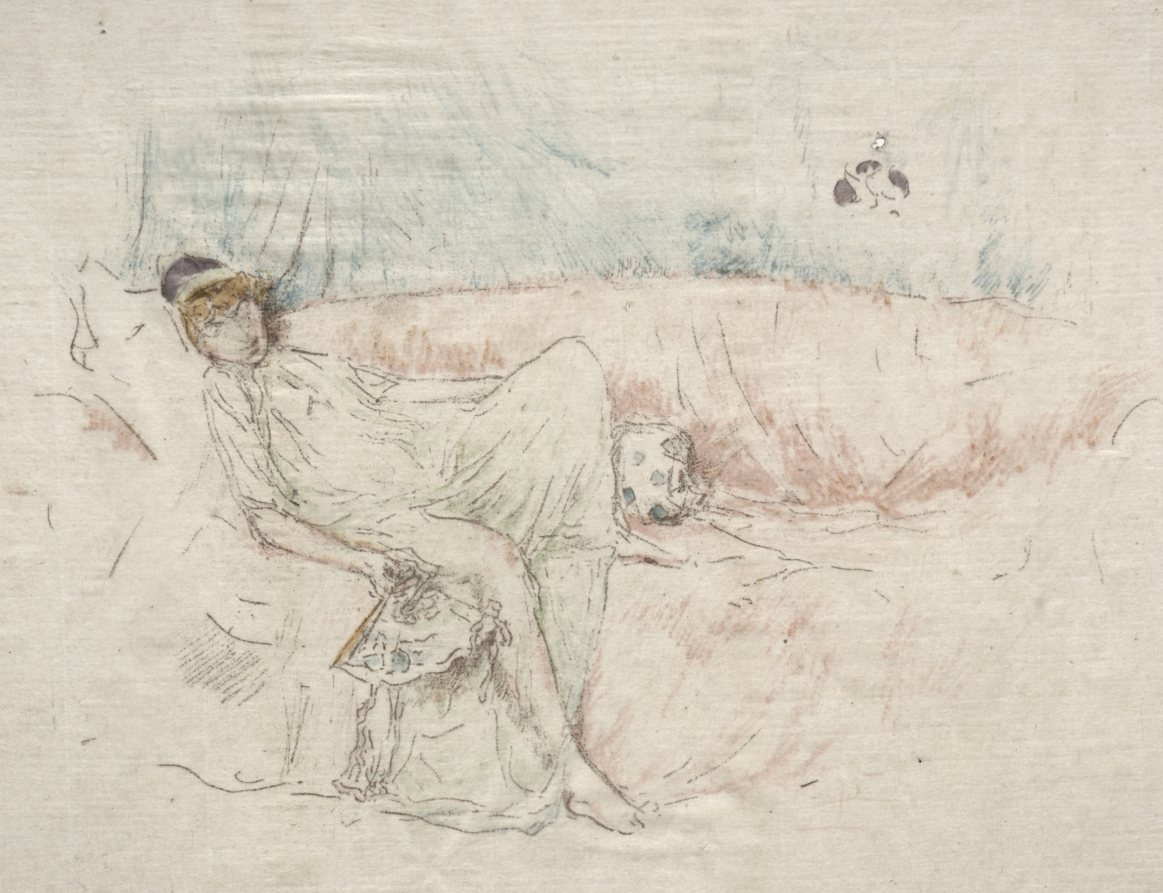 James McNeill Whistler (American, 1834–1903) — Draped Figure
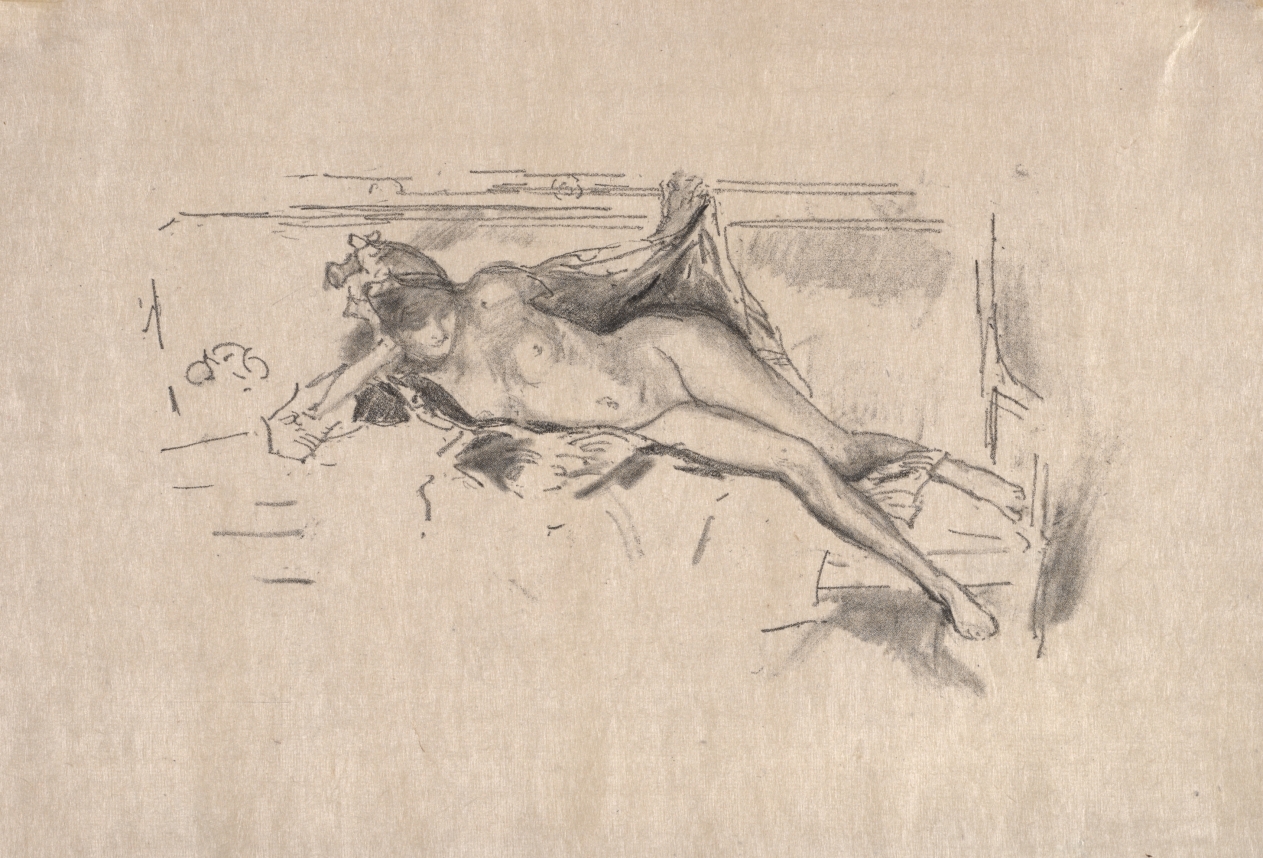 James McNeill Whistler (American, 1834–1903) — Nude Model Re
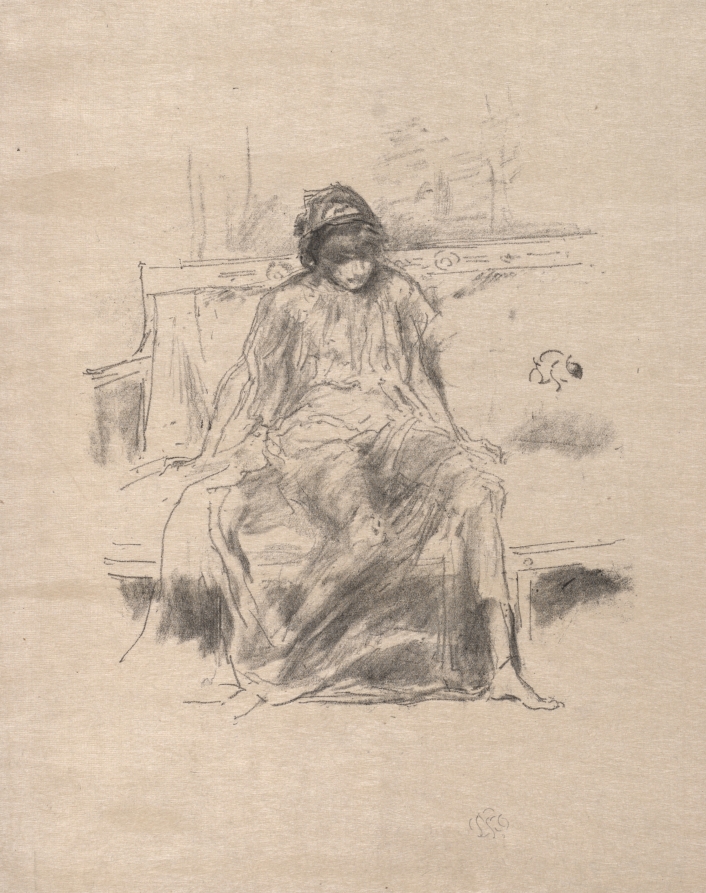 James McNeill Whistler (American, 1834–1903) — The Draped Fi
 Henri de Toulouse-Lautrec — Woman in Bed—Waking, plate three
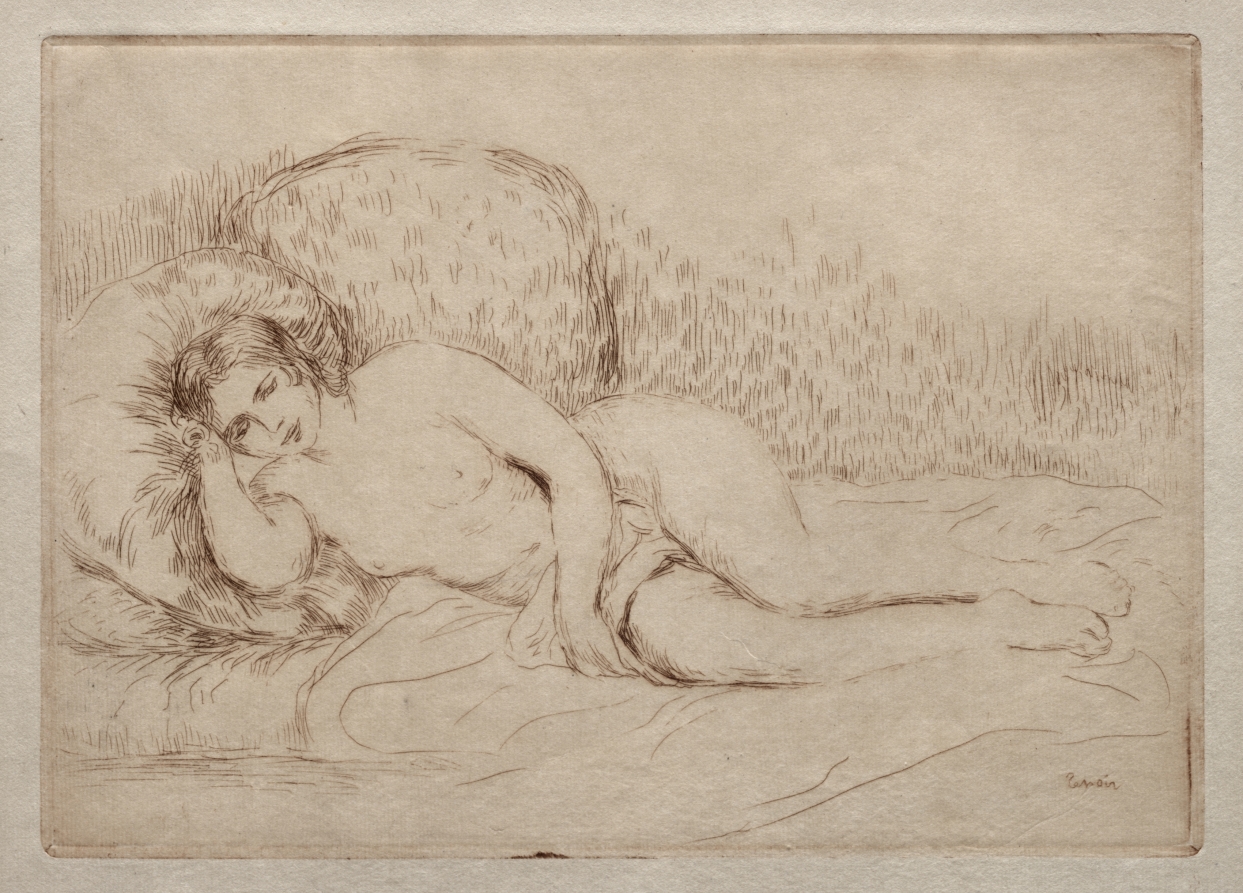 Pierre-Auguste Renoir (French, 1841–1919) — Femme nue couché
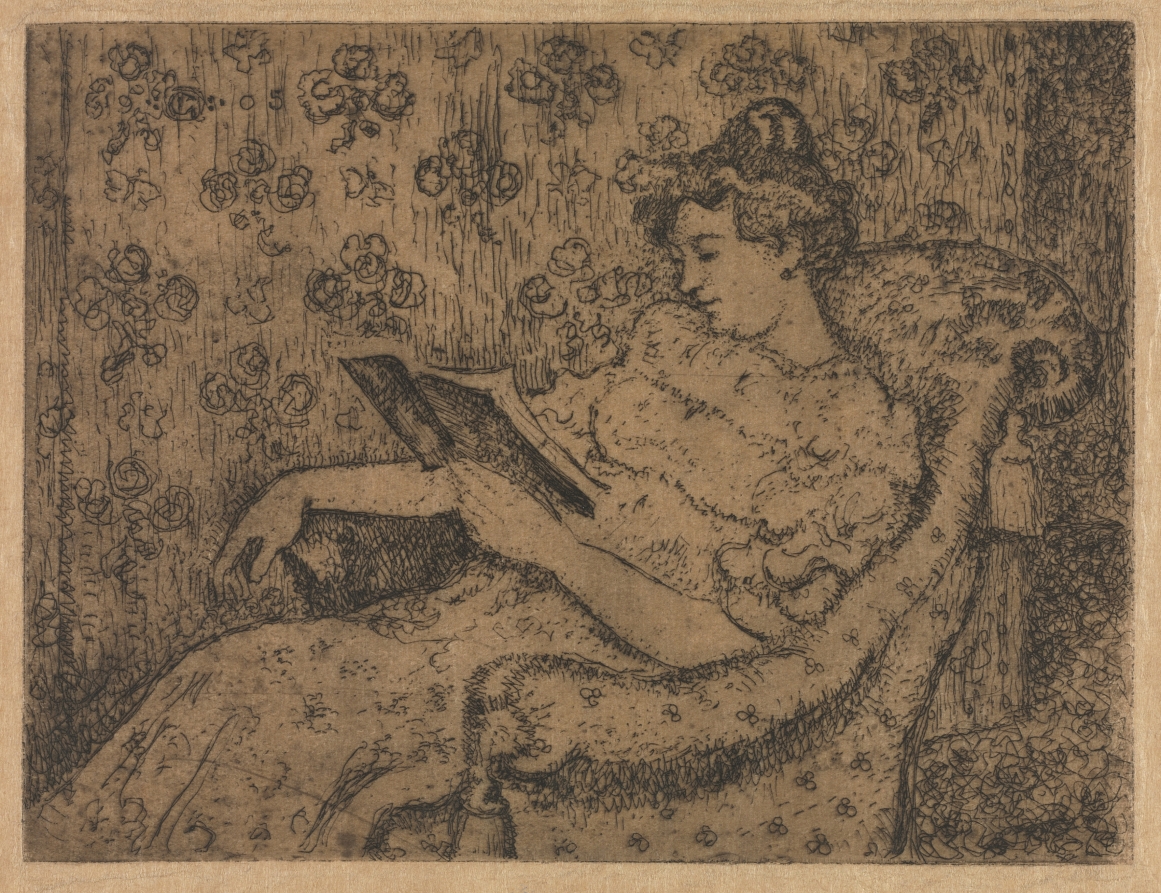 Georges Lemmen (Belgian, 1865–1916) — Woman Sitting Reading
 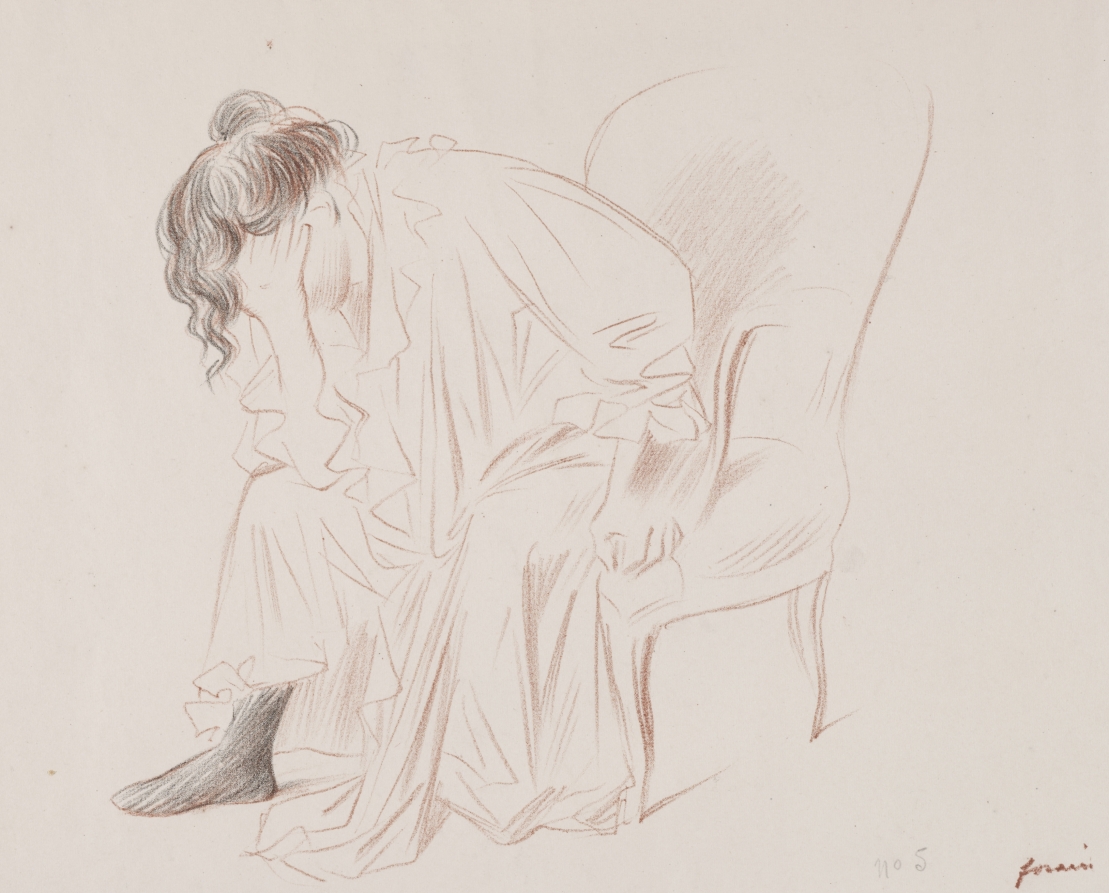 Jean Louis Forain (French, 1852–1931) — Woman Seated
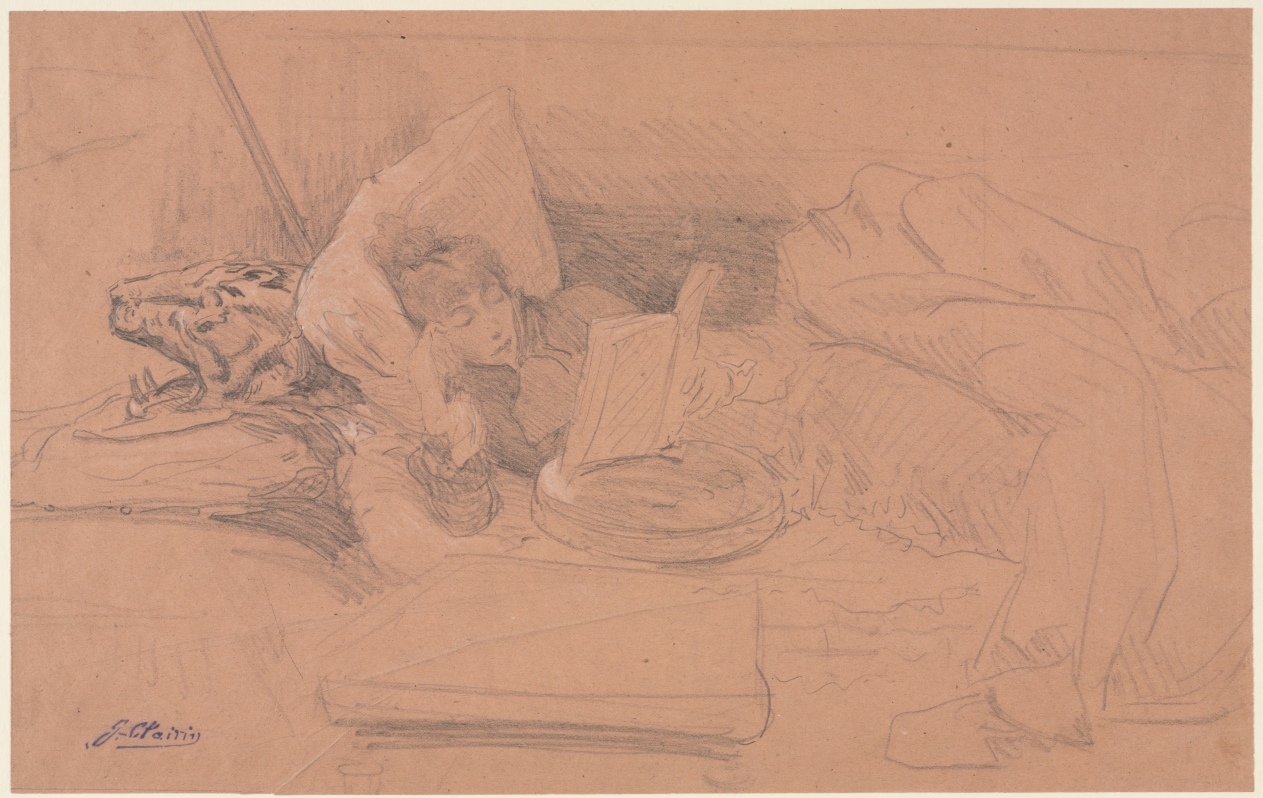 Georges-Jules-Victor Clairin (French, 1843–1919) — Sarah Ber
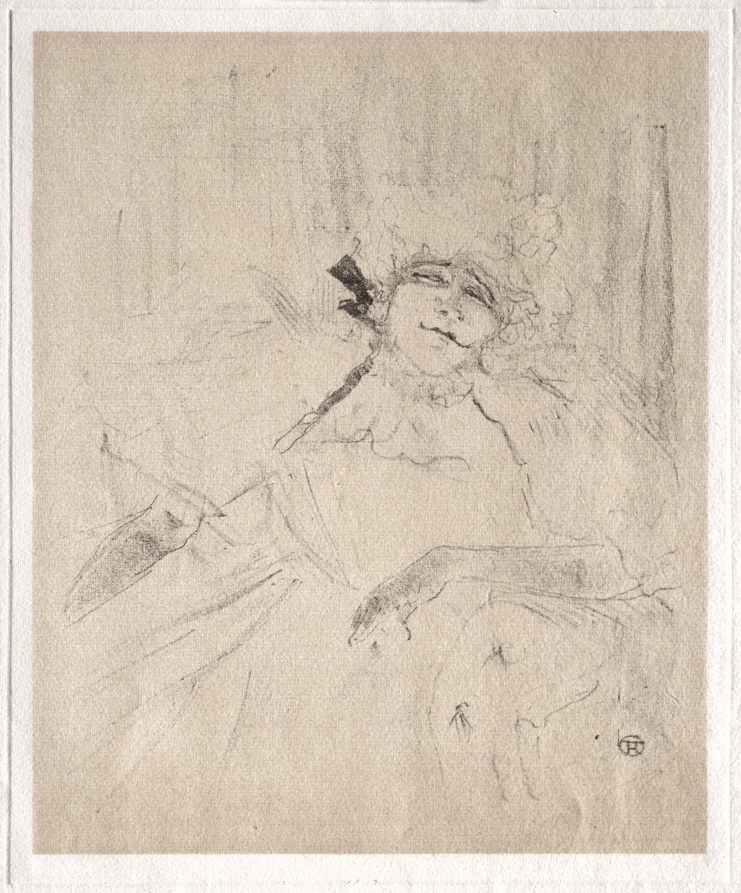 Henri de Toulouse-Lautrec (French, 1864–1901) — Yvette Guilb
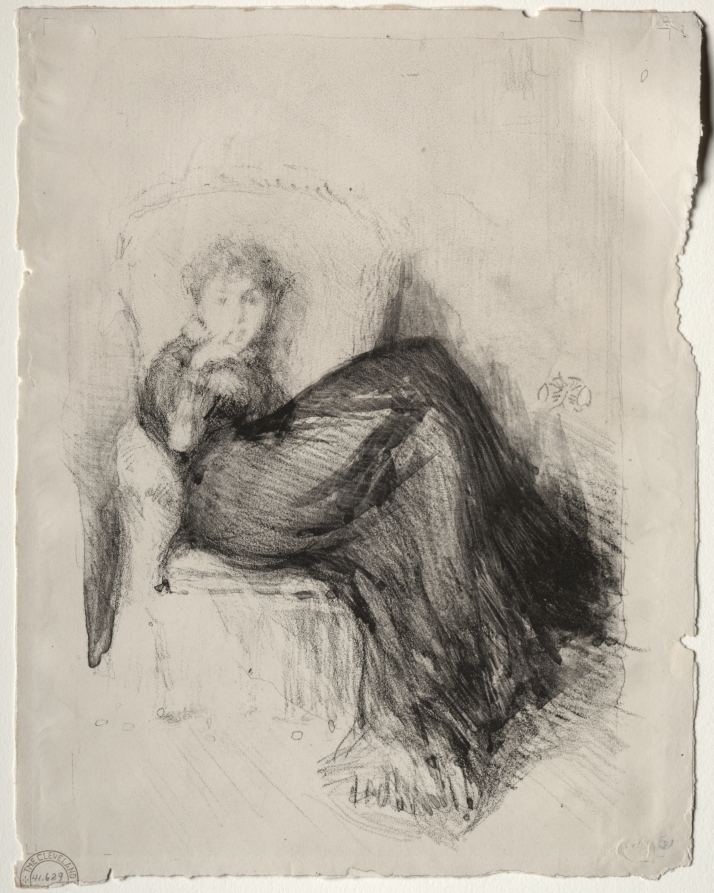 James McNeill Whistler (American, 1834–1903) — Study - Maude
 Henri de Toulouse-Lautrec — An Old Song, plate five from Yve
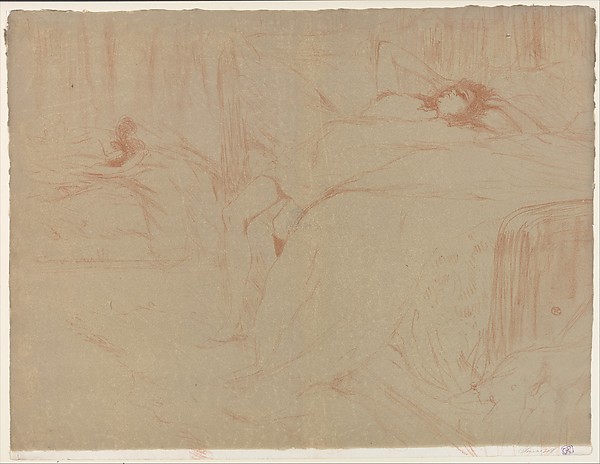 Gustave Pellet|Henri de Toulouse-Lautrec — Collapsed on the