FROM THE CLEVELAND MUSEUM OF ART’S CATALOG
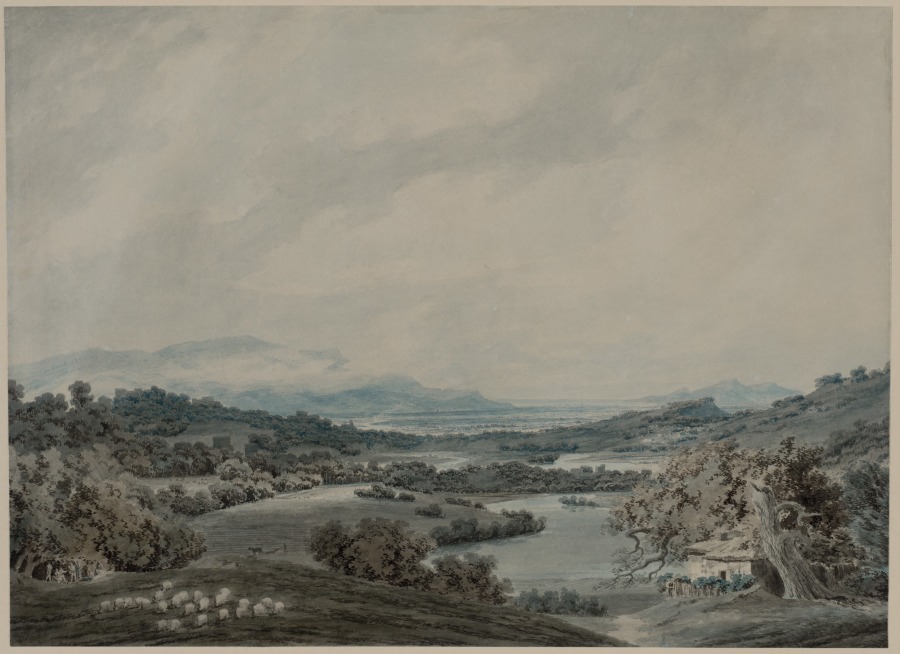
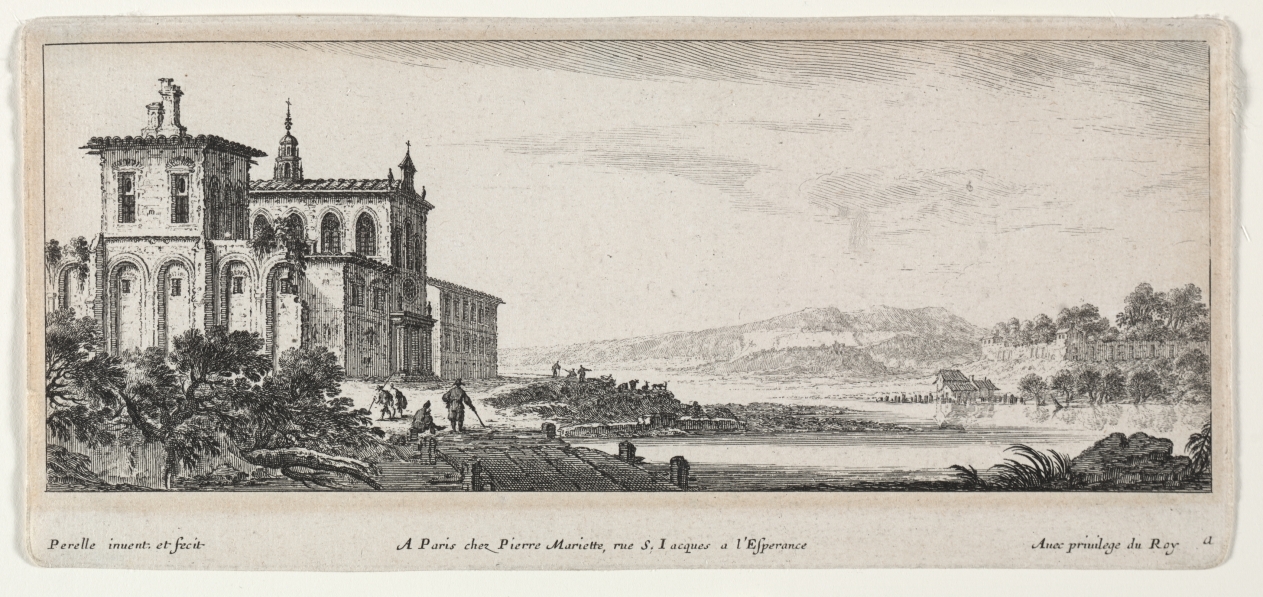
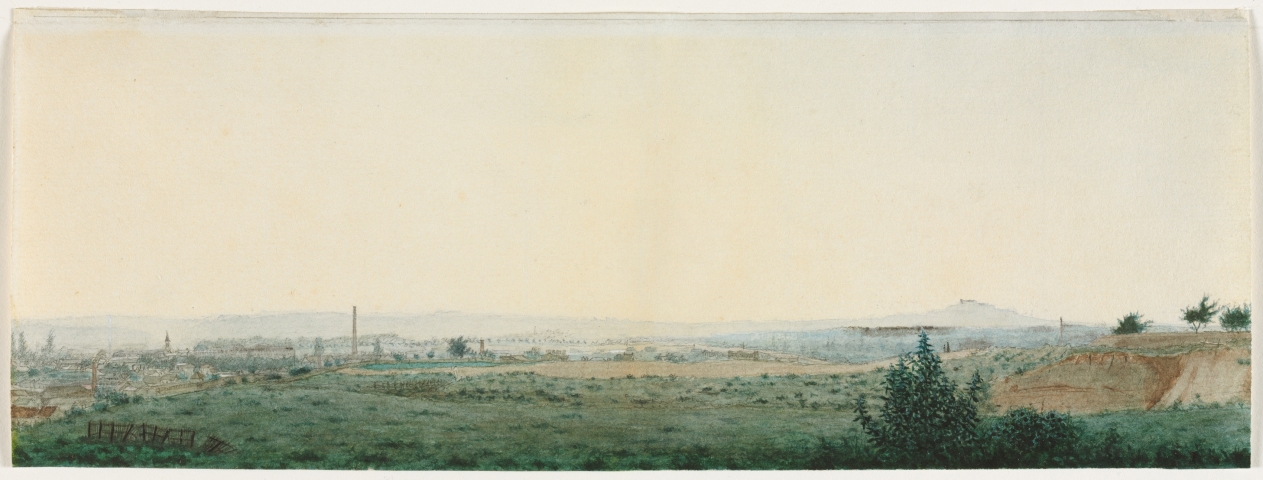
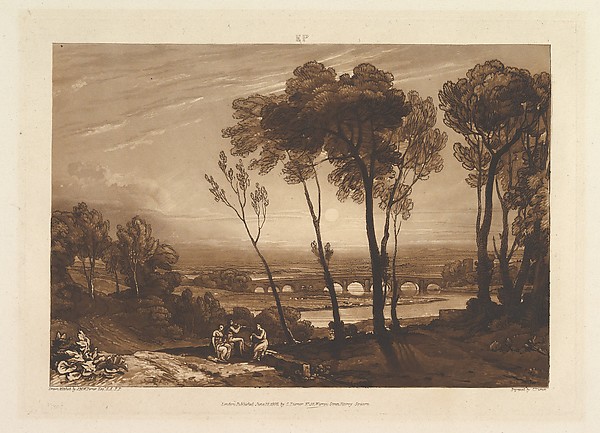
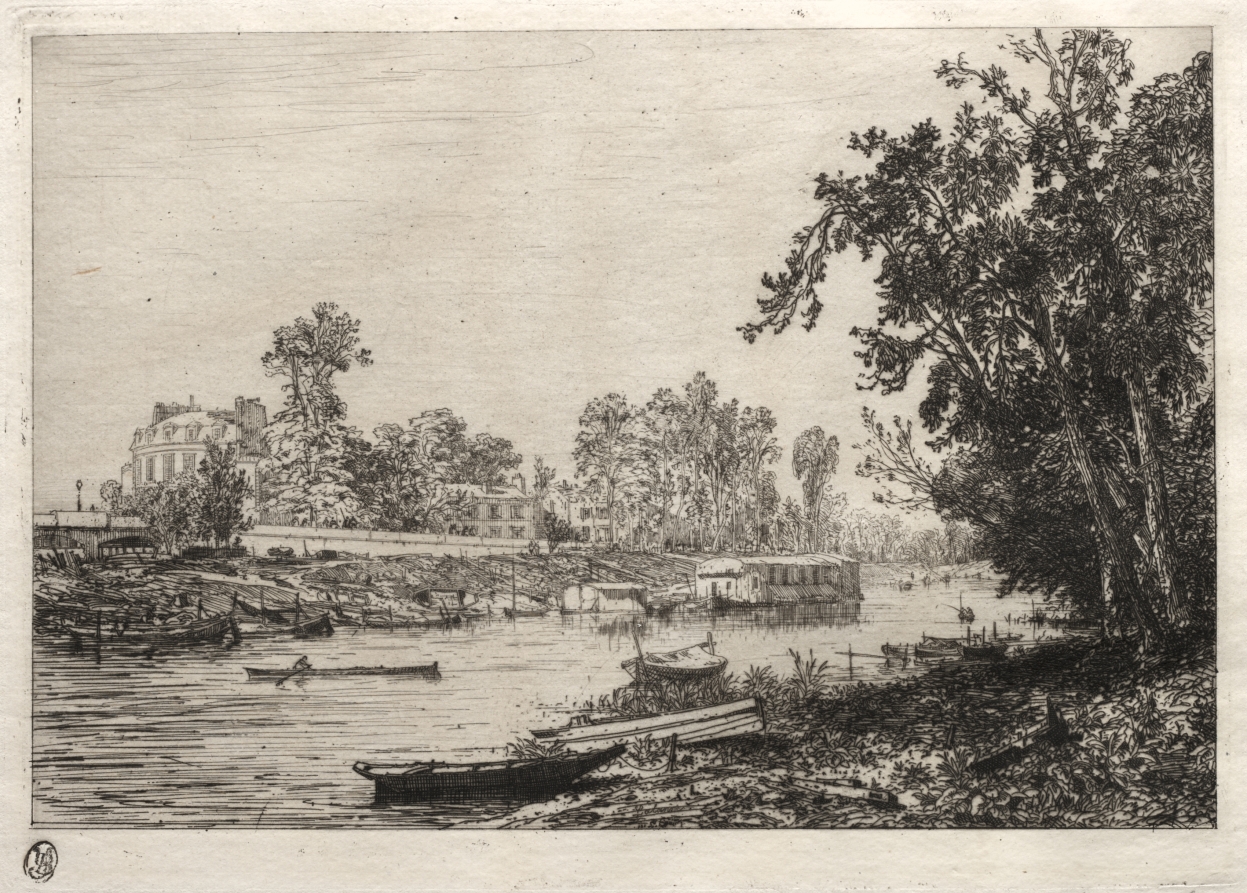
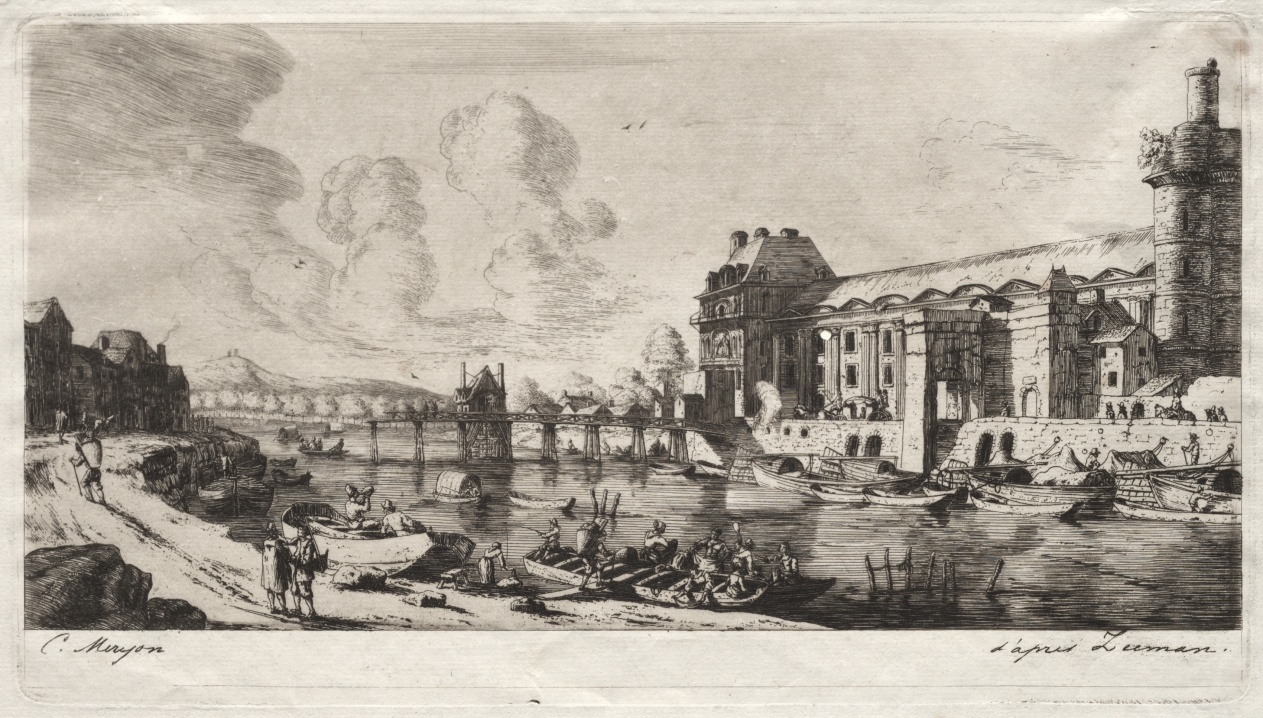
Girtin, along with his rival J. M. W. Turner, extended the technical possibilities of watercolor and in doing so demonstrated that watercolors could have the visual impact of oils. His reduction of landscape to simple and monumental forms, his panoramic compositions, and his sensitivity to natural effects, such as cloud formations, influenced subsequent generations of watercolor painters. Anxious to take advantage of the Peace of Amiens (October 1, 1801), Girtin went to Paris to see the artistic treasures brought back from Italy by Napoleon and installed in the Louvre. He made graphite sketches of the city and its environs and upon his return to London made etchings based on his drawings. Girtin died of tuberculosis shortly thereafter, and the series was published by his widow and brother.
Source ↗︎
Be the first to share your thoughts.
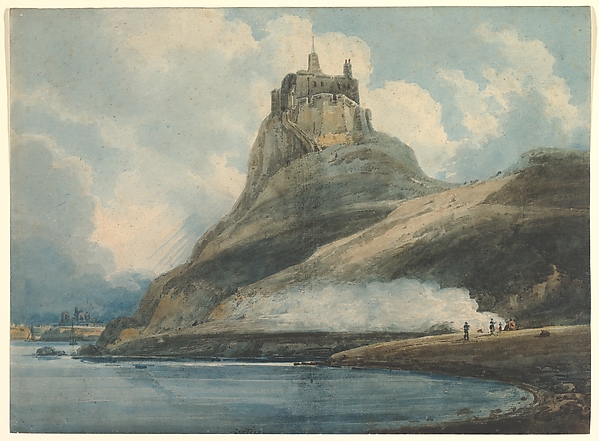 Lindisfarne Castle, Holy Island, Northumberland
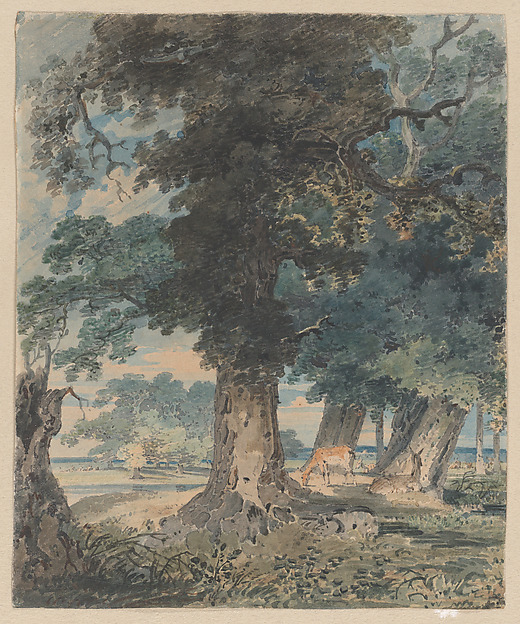 Deer in Windsor Forest
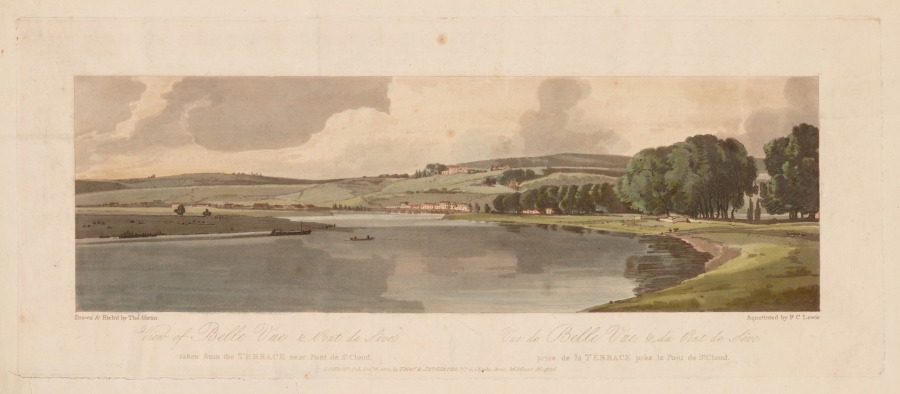 A Selection of Twenty of the Most Picturesque Views in Paris
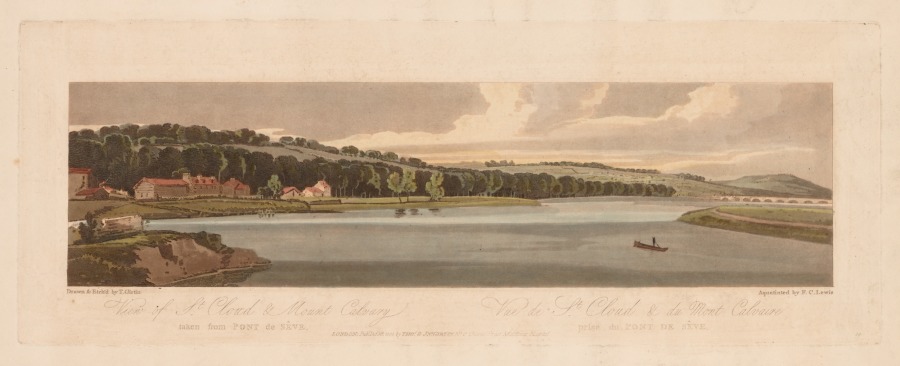 A Selection of Twenty of the Most Picturesque Views in Paris
 Byland Abbey, Yorkshire
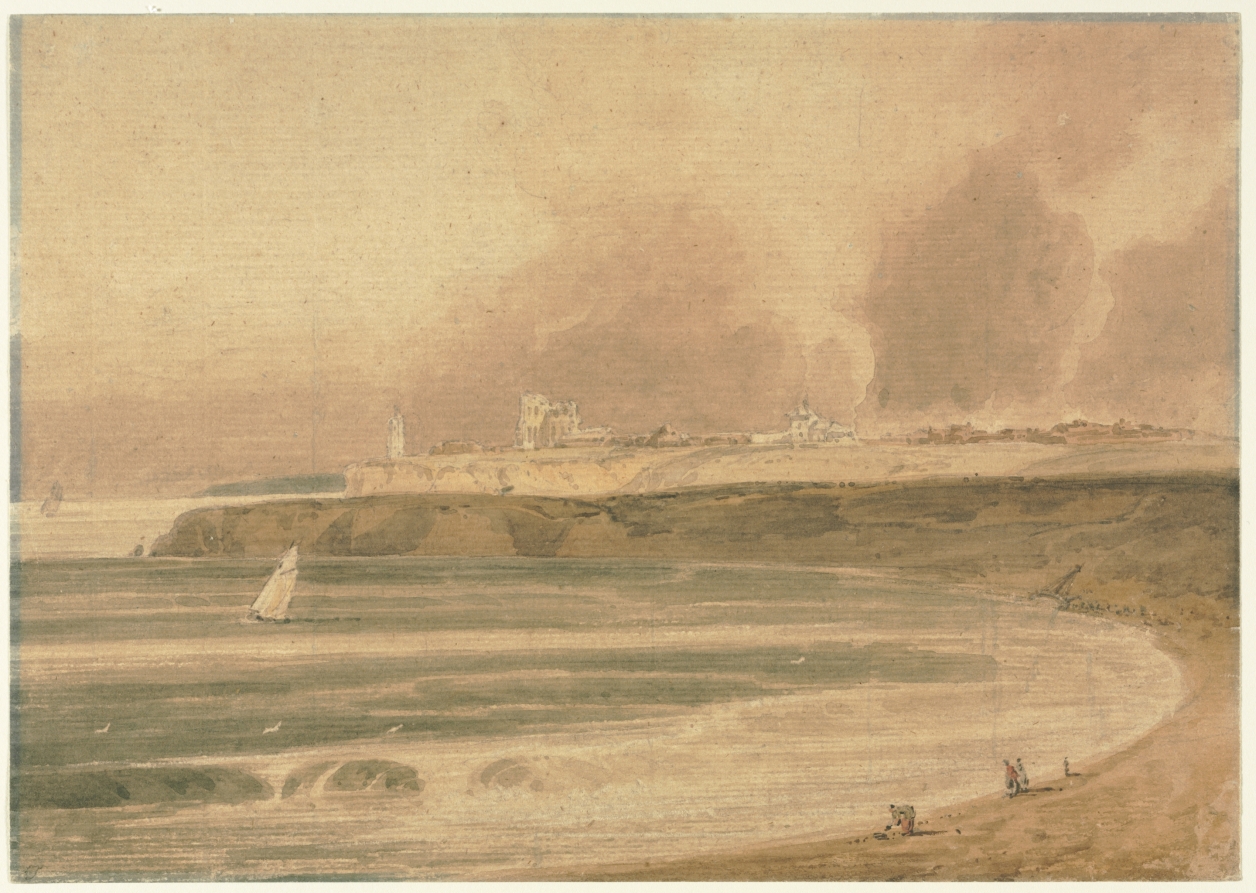 Tynemouth, Northumberland
 Chalfont Lodge, Buckinghamshire
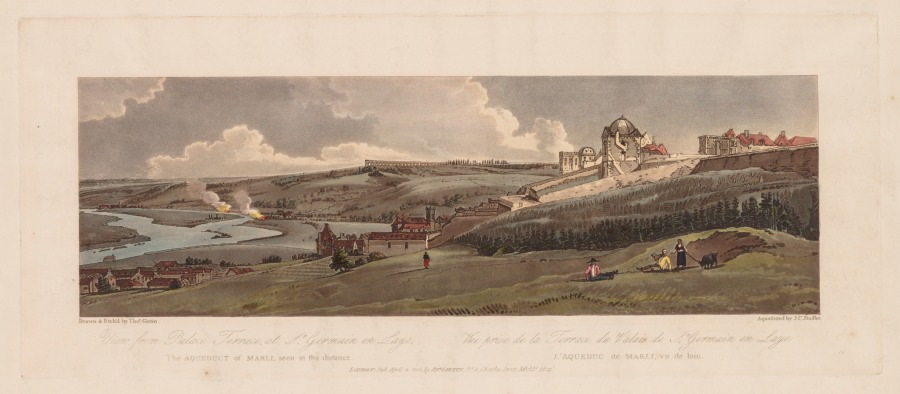 A Selection of Twenty of the Most Picturesque Views in Paris