The Gamesters and Death, from The Dance of Death
1651
Etching in black on ivory wove paper
7.3 × 5.3 cm (2.9 × 2.1 in)
SEE IT IN PERSON
Not currently on view
In the collection of Art Institute of Chicago, Chicago · as of July 2026
Discussion
FROM THE ART INSTITUTE OF CHICAGO’S CATALOG
Hans Holbein’s famous Dance of Death woodcut series of 1538 (augmented in 1545) illustrated the medieval trope of the inescapability of mortality, regardless of one’s social rank or piety. These later etched copies by Hollar (1920.2251 and 1920.2259) capture the flavor of the original, showing a Landsknecht at two customary activities: hoisting his two-handed sword on the battlefield and gambling indoors. The fact that the soldier’s opponent in both cases is Death personified does not bode well for his chances.
Be the first to share your thoughts.
Sign in to join the discussion.
More by Wenceslaus Hollar
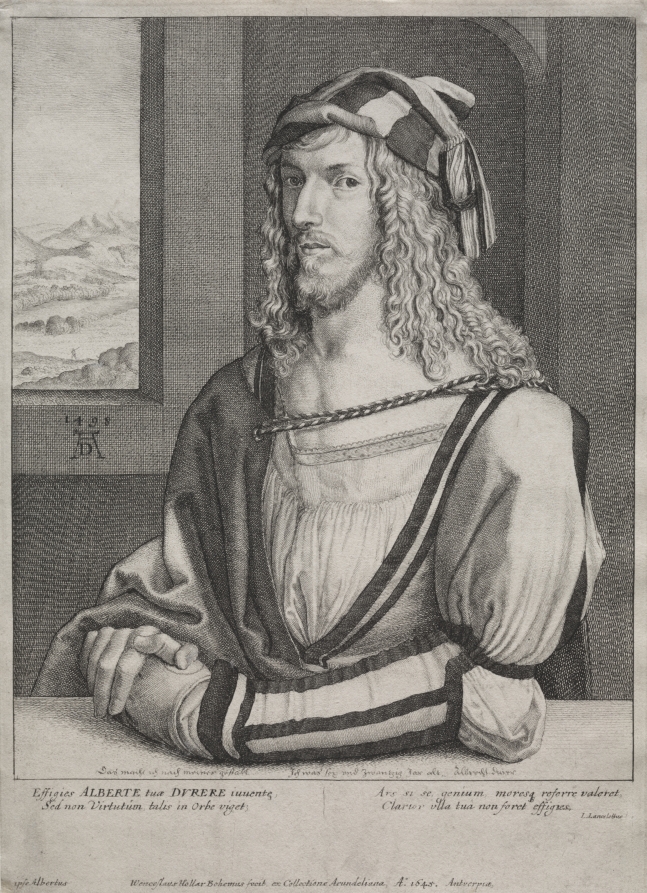 Portrait of Albrecht Dürer, at the age of 26
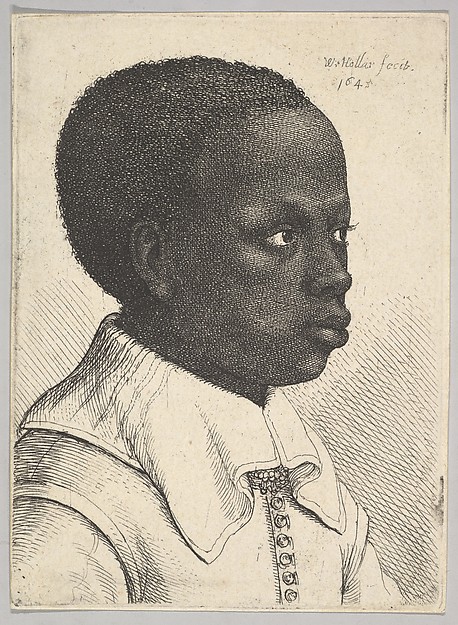 Head of a Young Black Boy in Profile to the Right
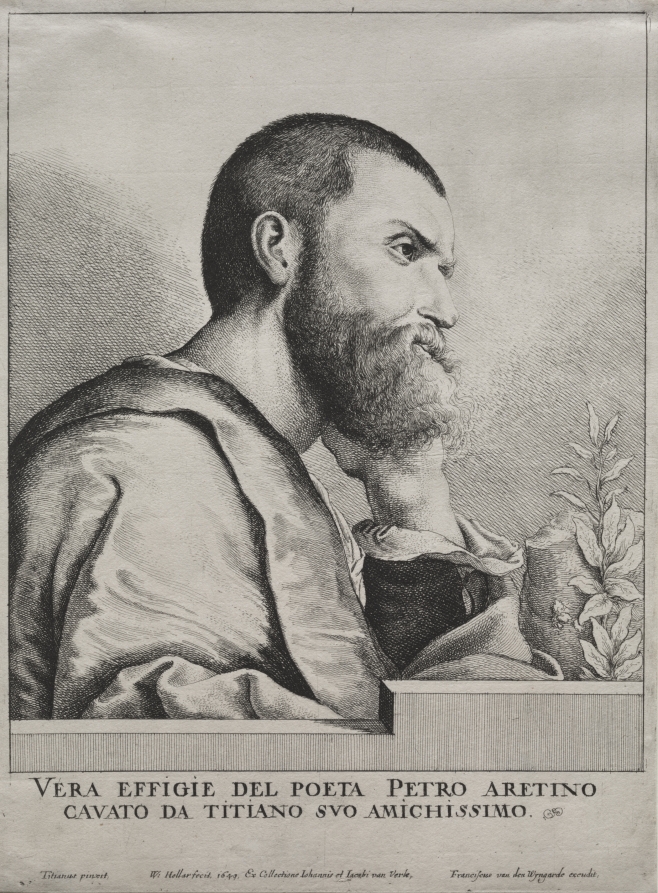 Portrait of Pietro Aretino
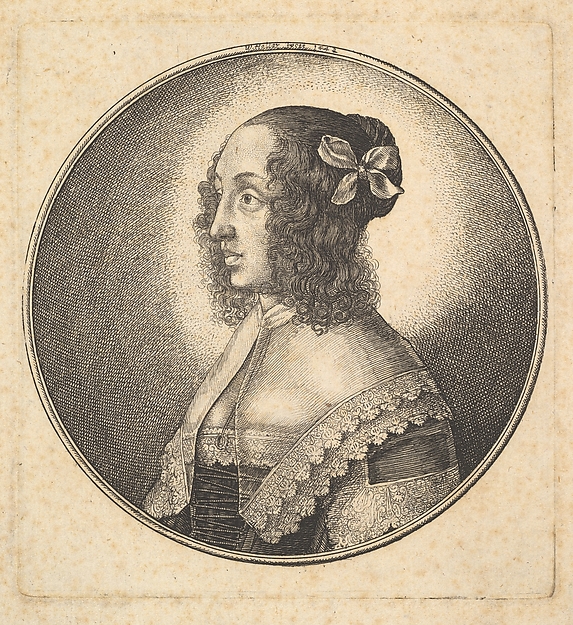 Woman with dark hair and a bow in profile to the left
 Woman with houpette on forehead turned to left
 Woman with circular lace ruff
 The Seasons
 Unus Americanus ex Virginia (An American from Virginia)
More like this
 Hans Holbein the Younger|Wenceslaus Hollar — The Gamesters,
  Virgil Solis — Two men and a woman playing cards at a table,
 Jan van Vliet — The Game of Cards
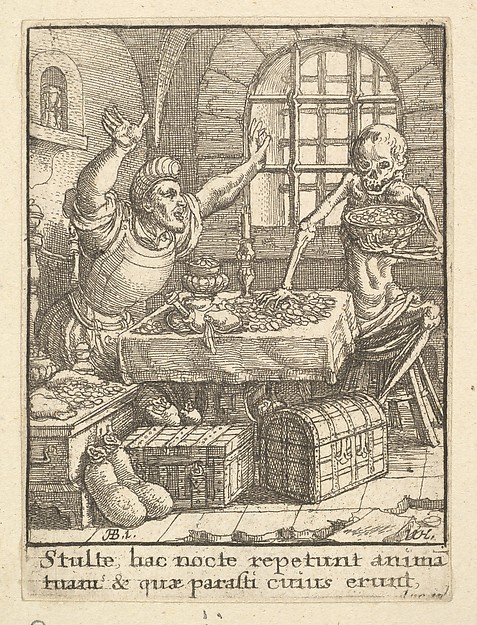 Hans Holbein the Younger|Wenceslaus Hollar — The Miser, from
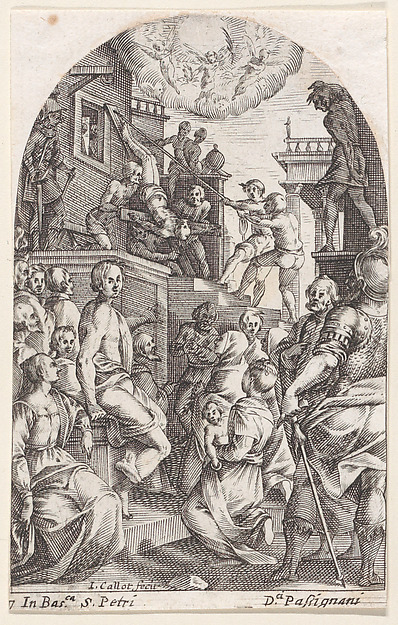 Jacques Callot|Domenico Cresti Passignano — The Martyrdom of
 Master PVL
Dutch, active early 16th century — Men Playing a
Master PVL
Dutch, active early 16th century — Men Playing a  Willem van Swanenburgh — Death with an Arrow About to Strike
 Crispijn van de Passe, I — The Son Wasting his Heritage with
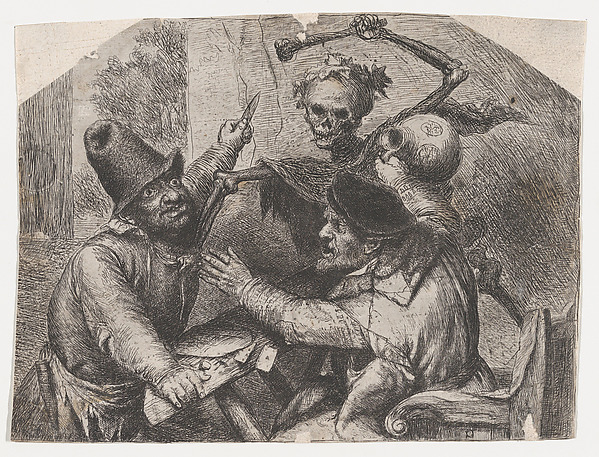 Jan Lievens — Death and Card Players
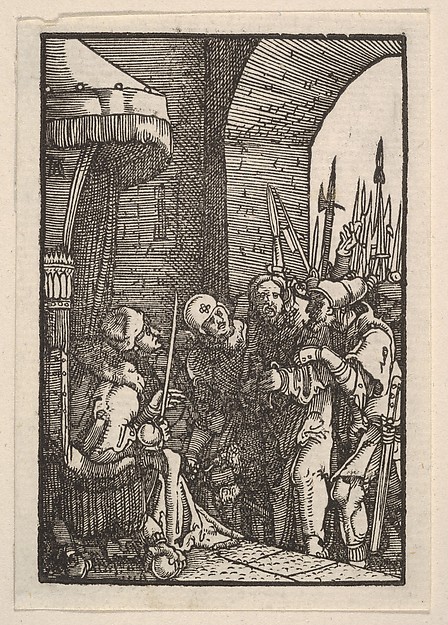 Albrecht Altdorfer — Christ Before Pilate, from The Fall and
 Léonard Limosin — The Last Supper
 Hans Burgkmair|Jost de Negker|Marx Treitz-Sauerwein von Ehre