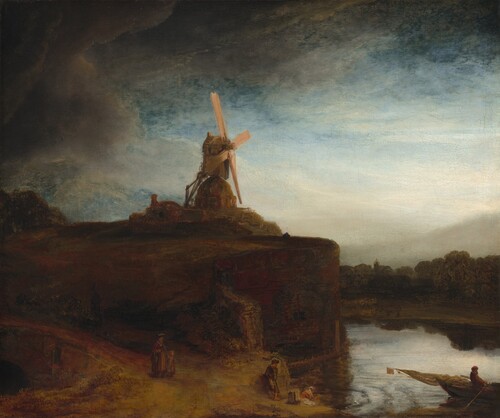
In the collection of The Metropolitan Museum of Art, New York — check current display status with the museum.
Be the first to share your thoughts.
Sign in to join the discussion.
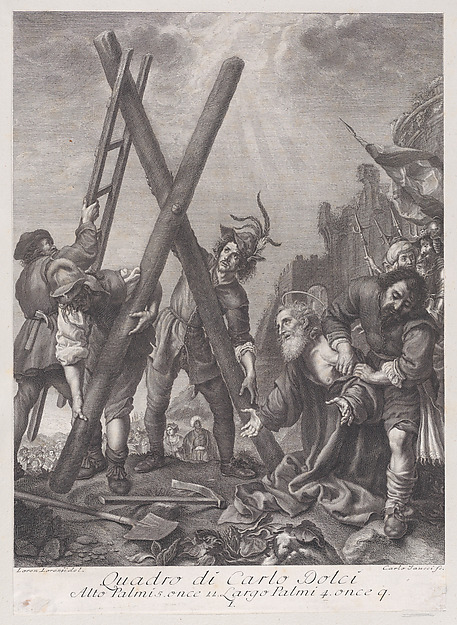 Lorenzo Lorenzi|Carlo Dolci|Carlo Faucci — Saint Andrew knee
 Rembrandt Workshop (Probably Constantijn van Renesse) — The
 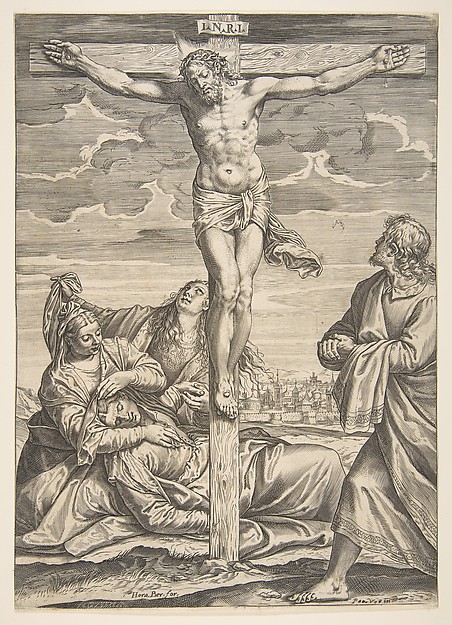 Orazio Bertelli|Agostino Carracci|Paolo Veronese (Paolo Cali
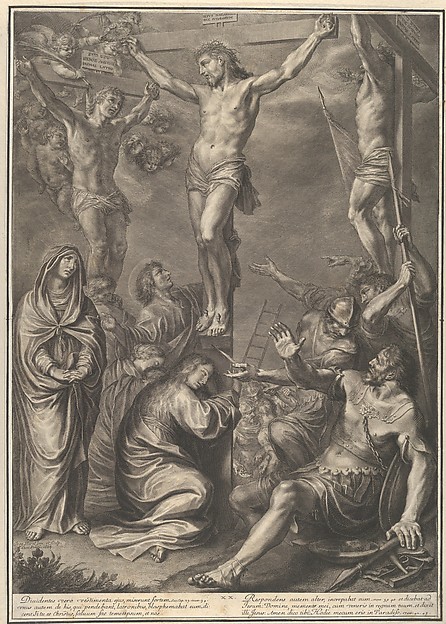 Grégoire Huret — Christ on the Cross Speaks with the Good Pr
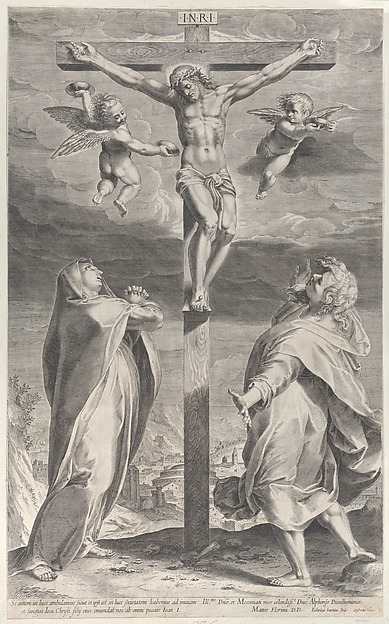 Gijsbert Van Veen|Federico Barocci|Matteo Florimi — Crucifix
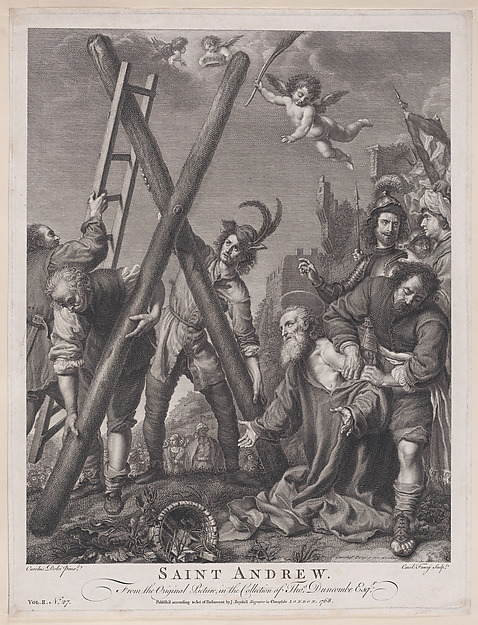 Carlo Faucci|John Boydell|Carlo Dolci — Saint Andrew kneelin
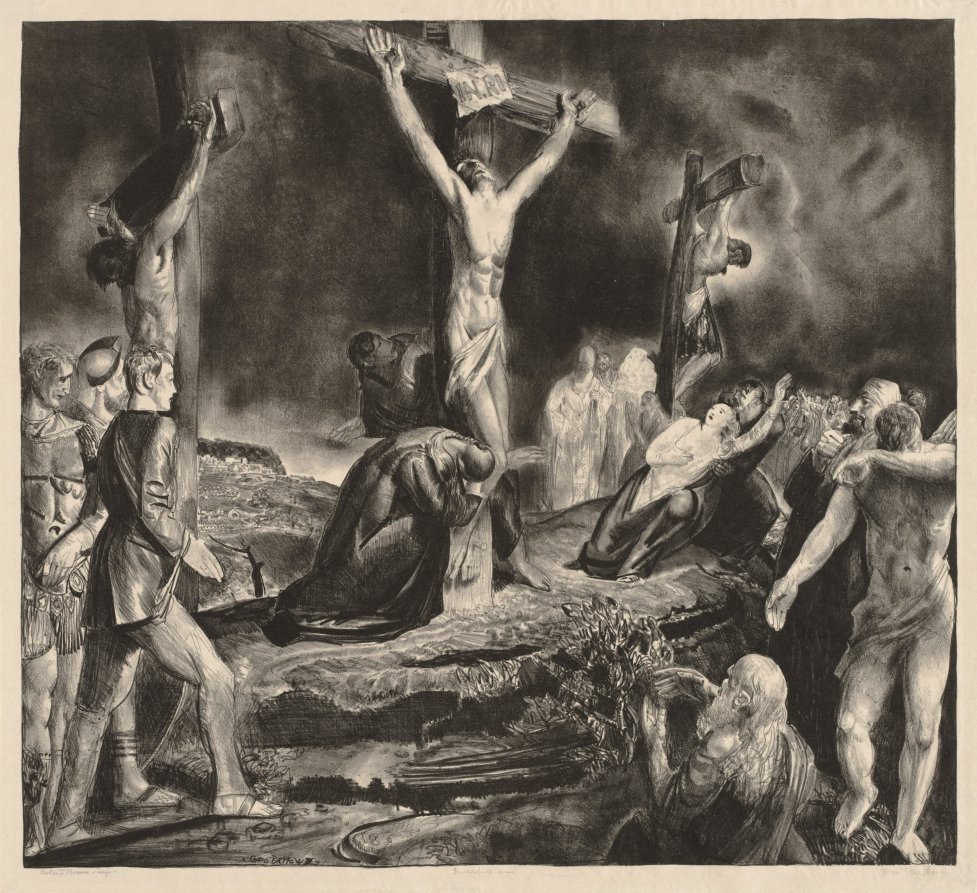 George Bellows (American, 1882–1925) — Crucifixion of Christ
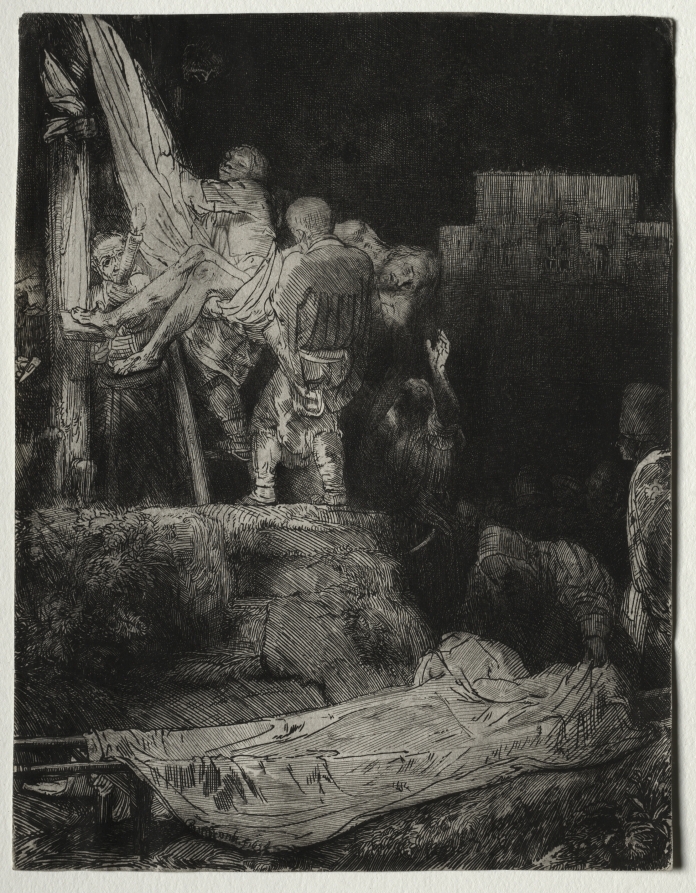 Rembrandt van Rijn (Dutch, 1606–1669) — The Descent from the
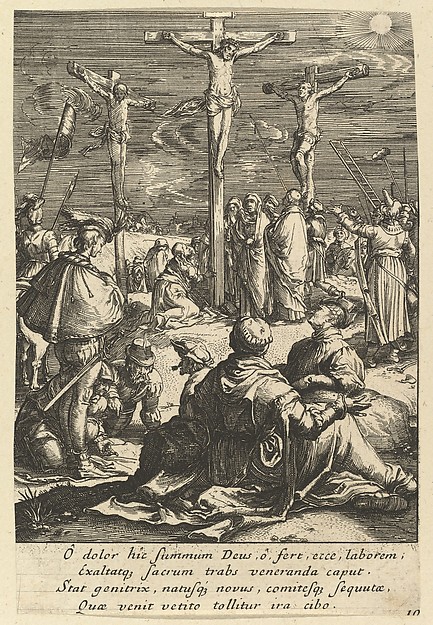 Hendrick Goltzius|Nicolas Cochin|Jean I Leblond — Christ on
 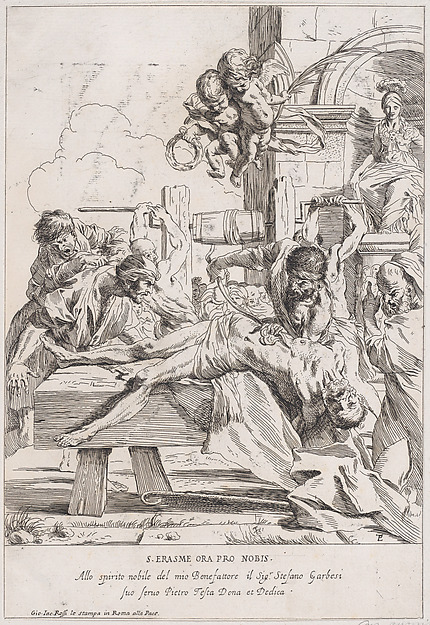 Pietro Testa|Anonymous, 17th century|Giovanni Giacomo De Ros
 Johann Michael Rottmayr — The Deposition from the Cross
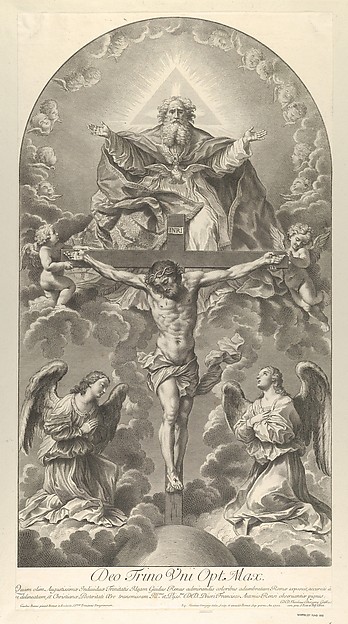 Guido Reni|Sir Nicolas Dorigny — The Holy Trinity; Christ on