More by Félix Teynard
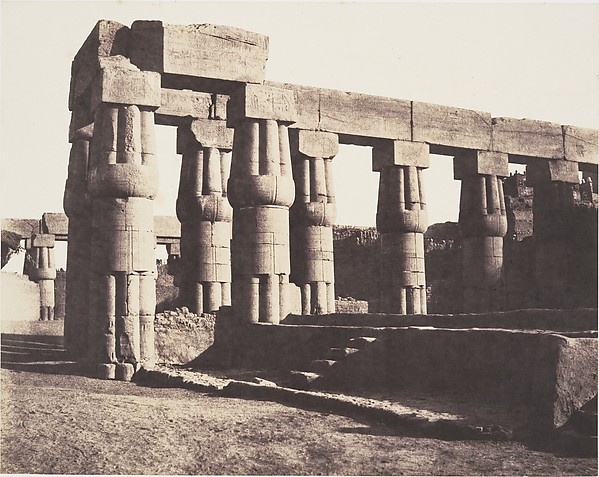 Louksor (Thèbes), Construction Postérieure - Galeries - Para
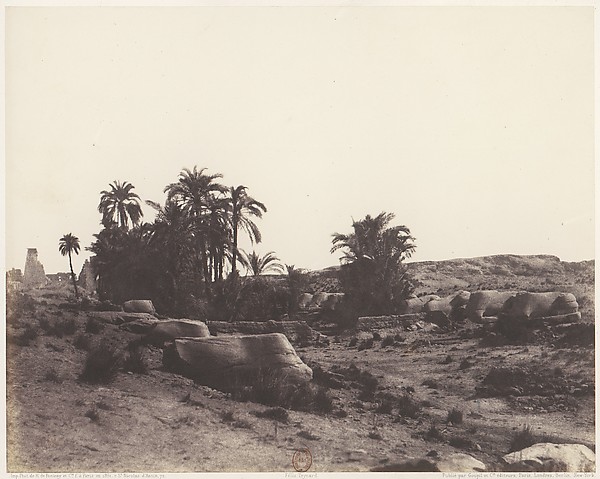
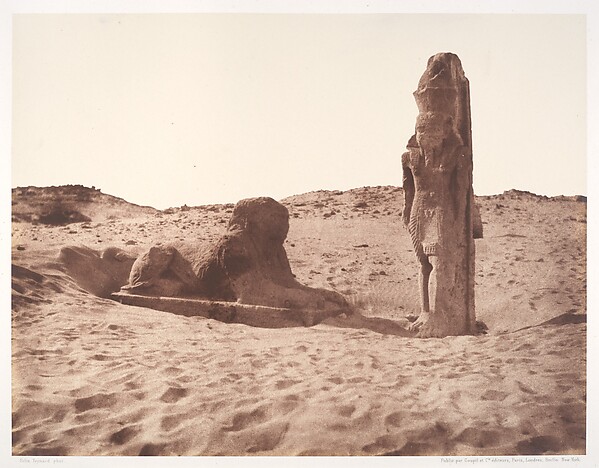 Séboûah, Temple, Colosse et Sphinx de la Partie Gauche de l'
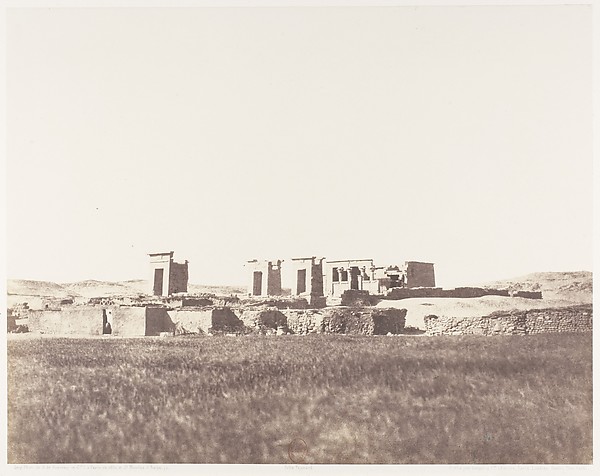
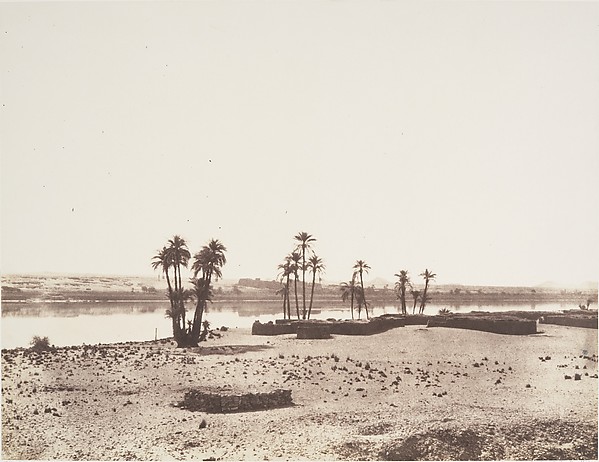 Dakkeh, Village et Rives du Nil
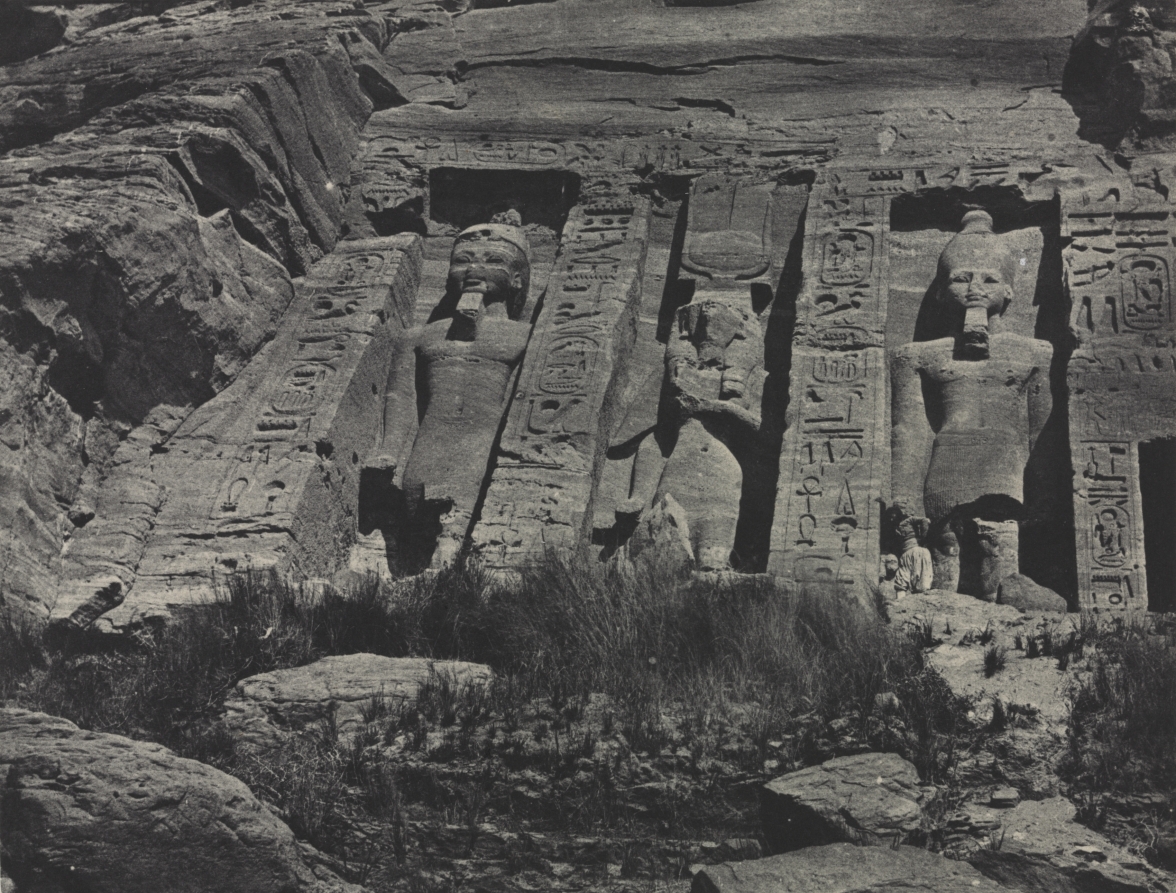
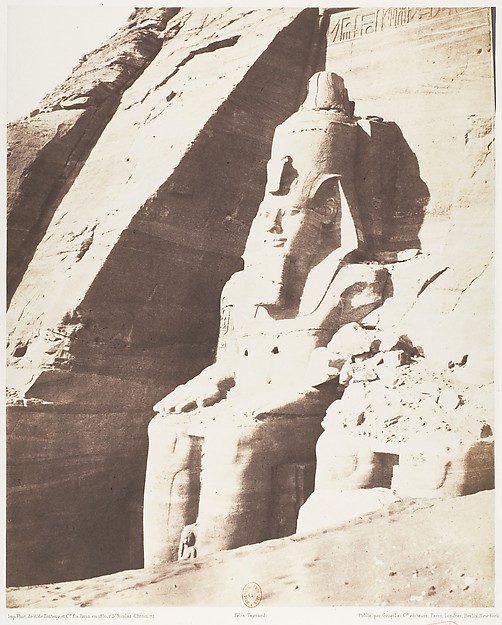
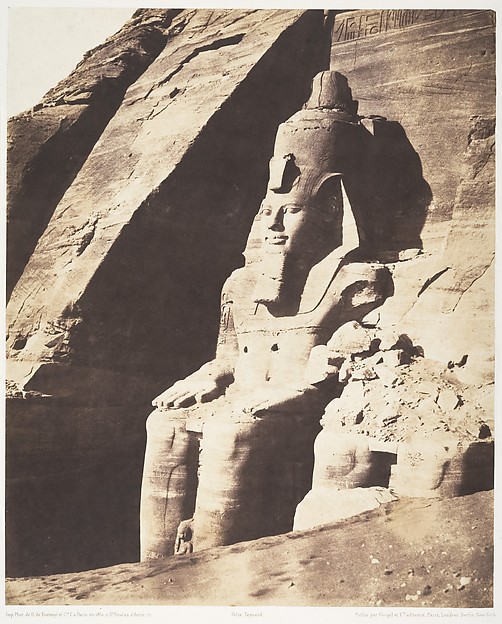 Abou Sembil, Grand Spéos - Statues Colossales, Vues de Trois
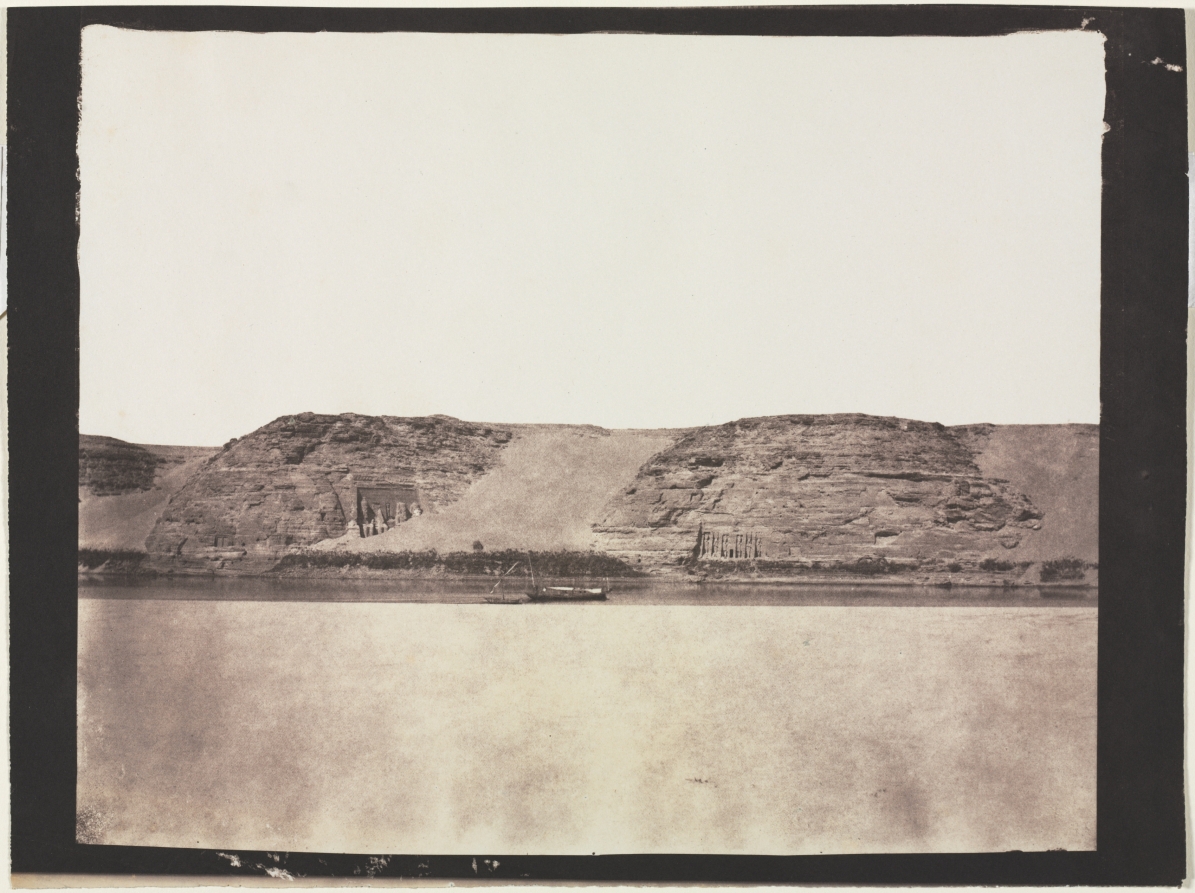 General View of Monuments Carved into Bedrock with Photograp
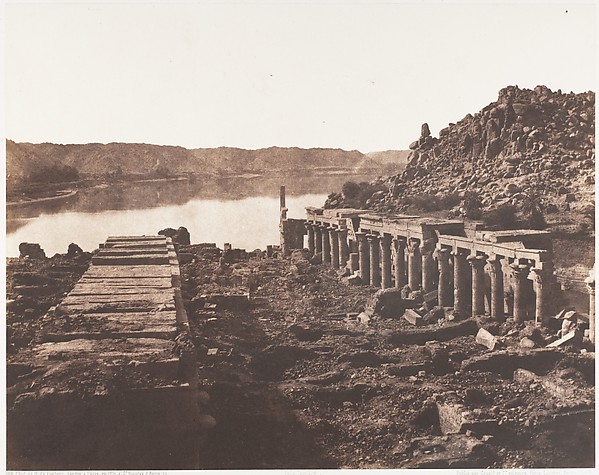 Ile de Fîleh (Philæ), Vue Génèrale Prise du Point I, Sur La
 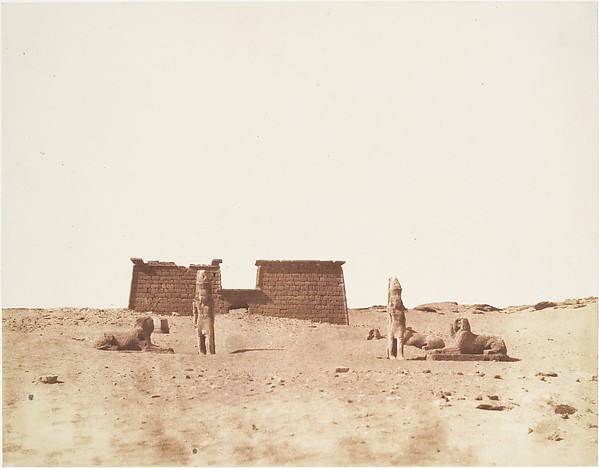 Sébôuah, Vue Générale du Temple
 Abo-Sembil, Grand Spéos, Statues Colossales vues de Face (Pa