In the collection of Cleveland Museum of Art, Cleveland — check current display status with the museum.
FROM THE CLEVELAND MUSEUM OF ART’S CATALOG
By the mid-19th century lithography was used primarily for commercial purposes, but was revived as a creative artistic medium by the success of color printing. The growing popularity of posters by artists such as Jules Cheret (1836-1932) and Henri de Toulouse-Lautrec contributed to a renewed interest in color lithography at the end of the century. In addition, zinc plates, which are lighter, cheaper, and more flexible than traditional lithographic stones, had been perfected. There was also the influence of Japanese color woodblock prints and the formation of artist's organizations, like the Société des artistes lithographes Français (Society of French Lithographic Artists) and the Société de l'estampe originale (Society of the Original Print), to stimulate printmaking. By the 1890s a proliferation of fine printers, dealers, independent exhibitions, publications devoted to original prints, critics, and publishers all supported color lithography, which flourished in France as the favored printmaking medium of avant-garde artists.
Be the first to share your thoughts.
Sign in to join the discussion.
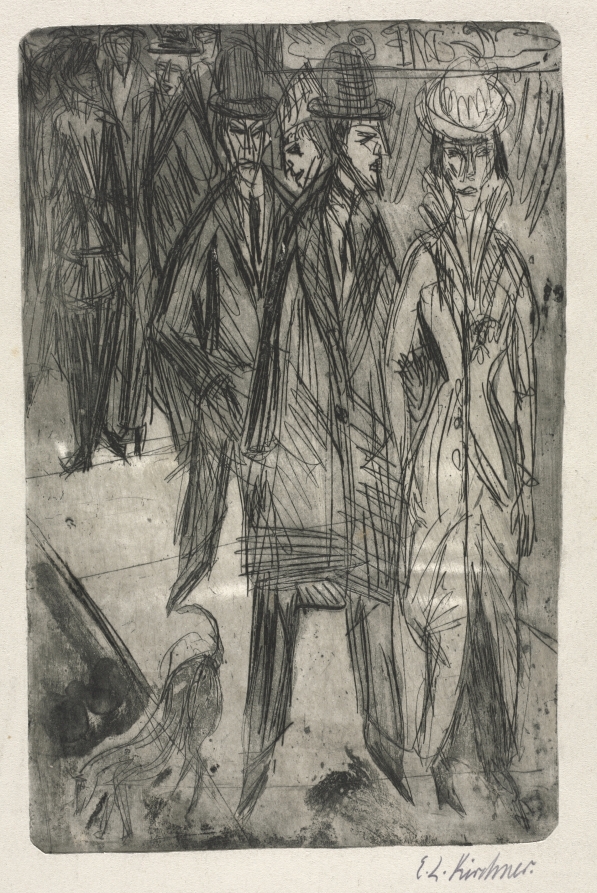 Ernst Ludwig Kirchner (German, 1880–1938) — On the Street
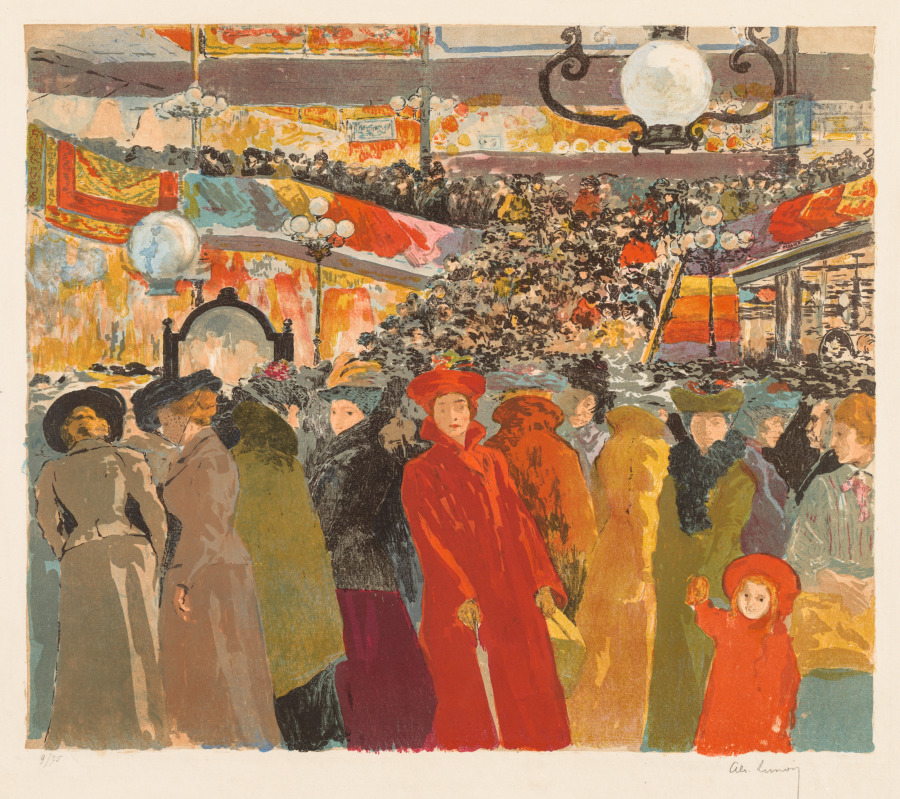 Alexandre Lunois (French, 1863–1916) — The Fancy Goods Store
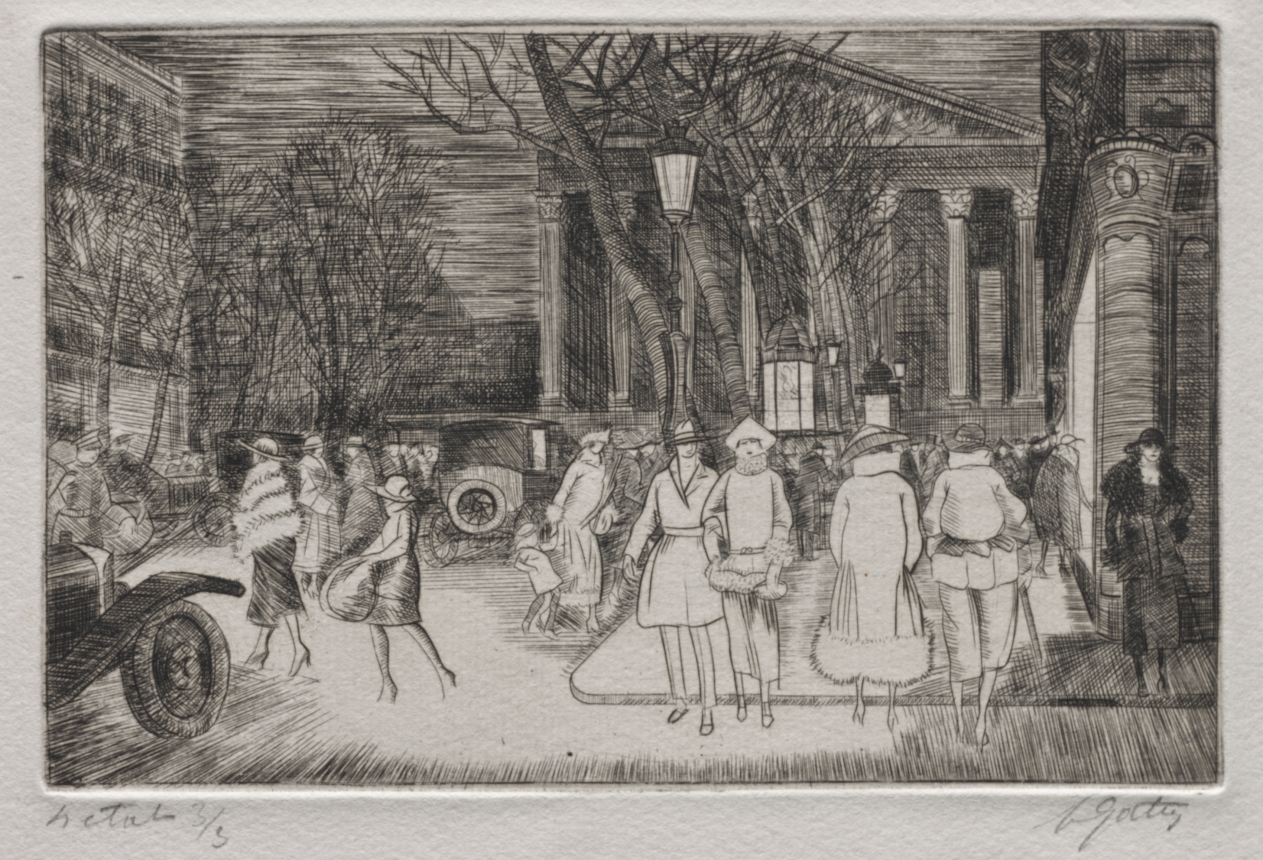 Pierre Louis Gatier (French, 1878–1944) — Petite rue Royale
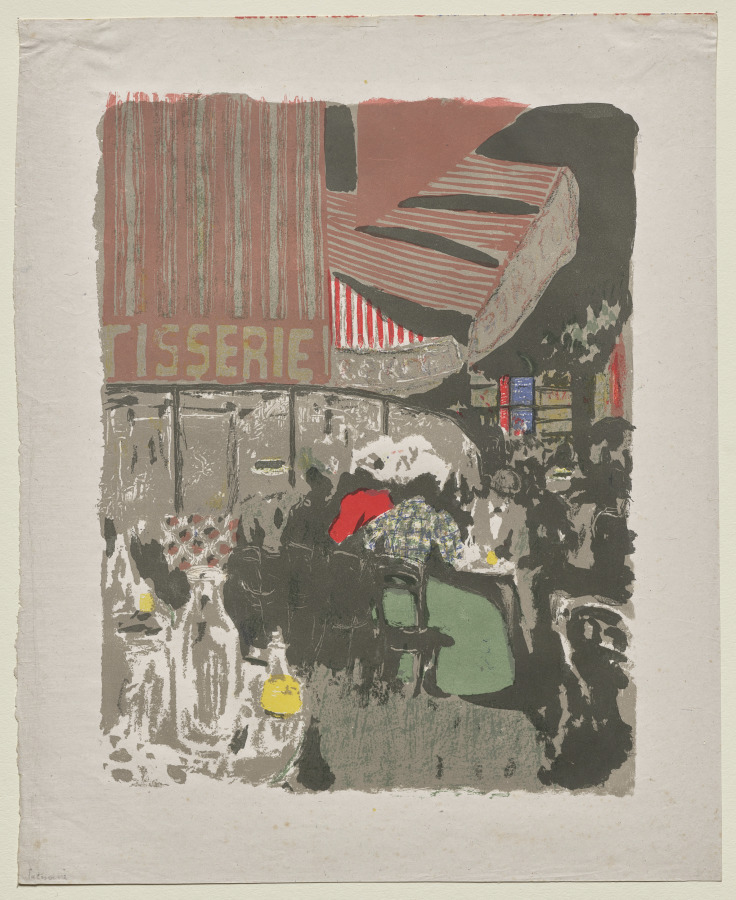 Édouard Vuillard (French, 1868–1940) — The Pastry Shop
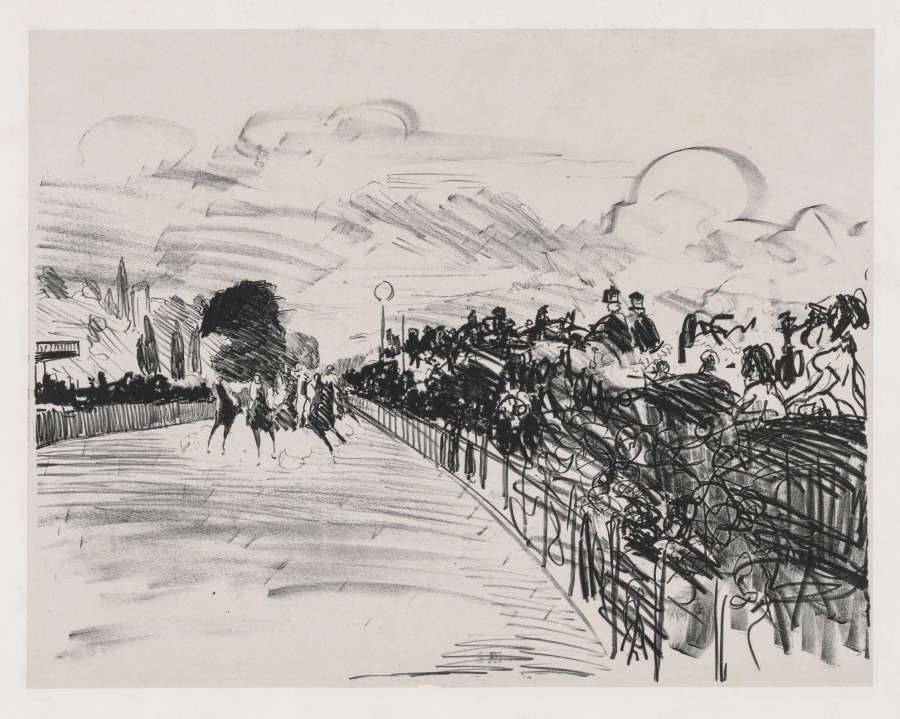 Édouard Manet (French, 1832–1883) — The Races
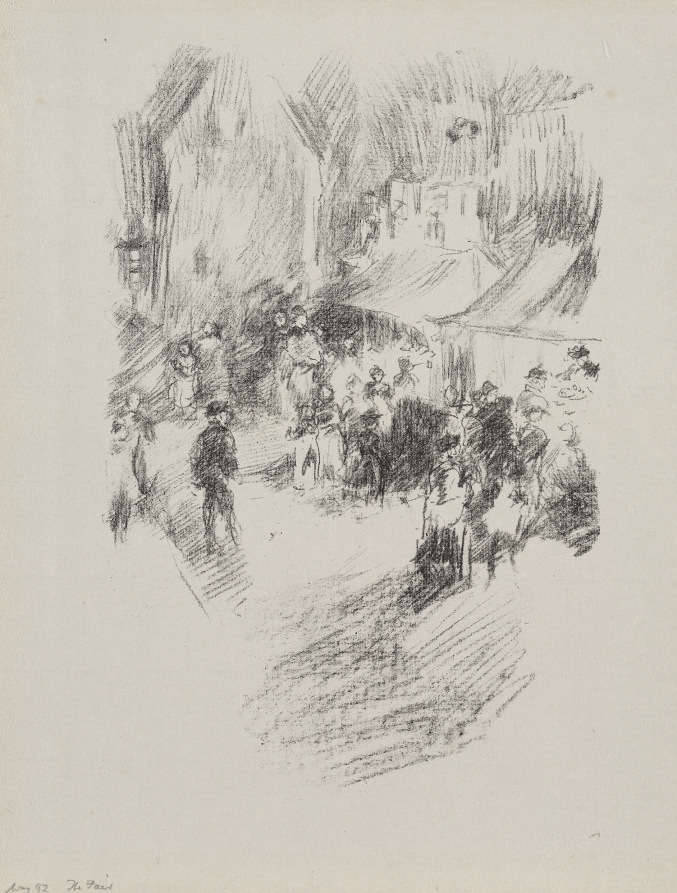 James McNeill Whistler (American, 1834–1903) — The Fair
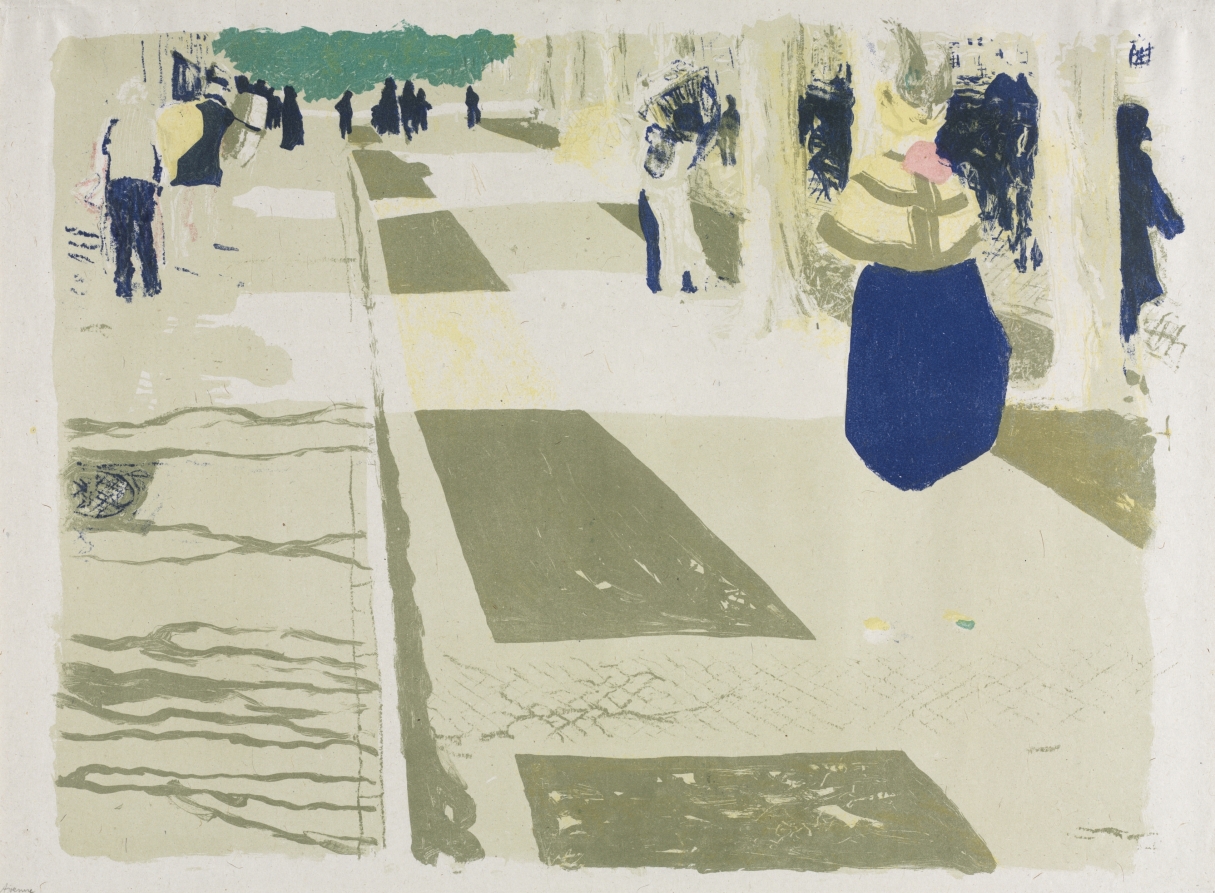 Édouard Vuillard (French, 1868–1940) — The Avenue
 William Walcot (British, 1874–1943) — Herodias: Page 45, But
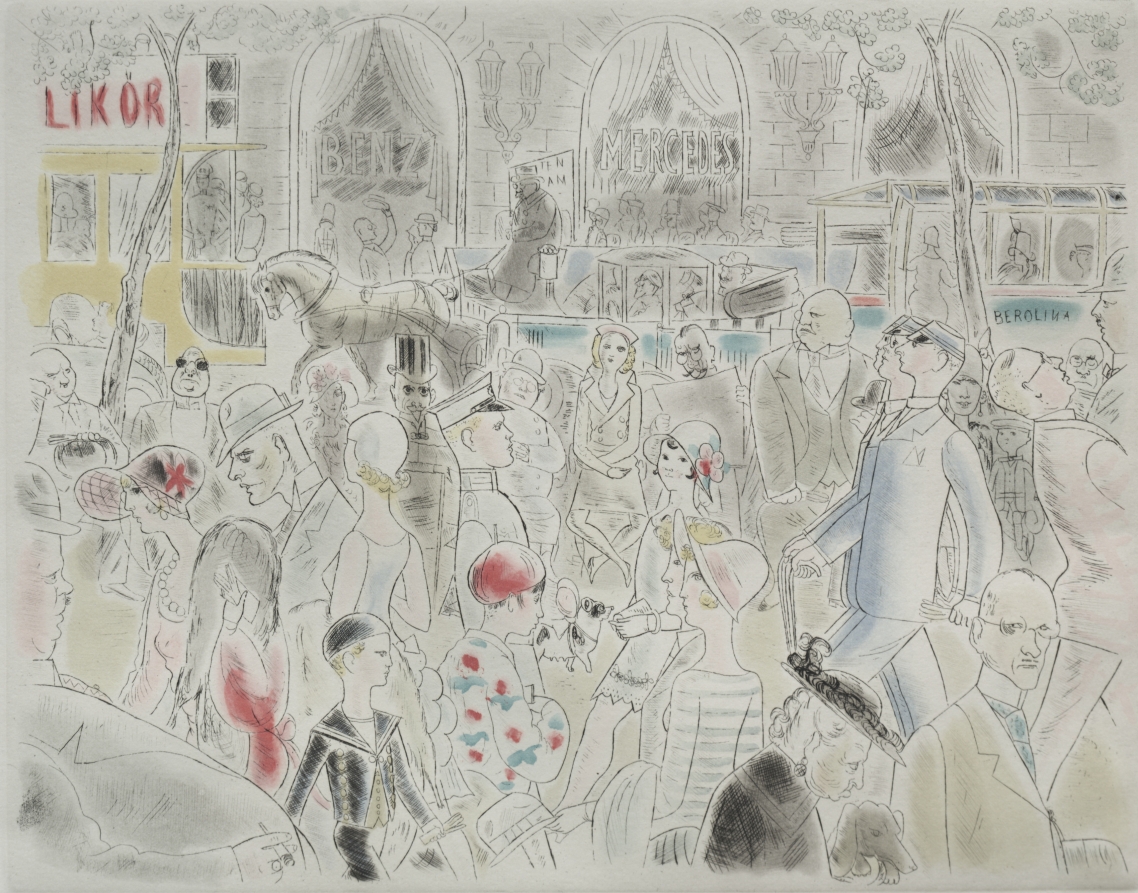 Charles Laborde (French, 1886–1941) — Streets and Fares of B
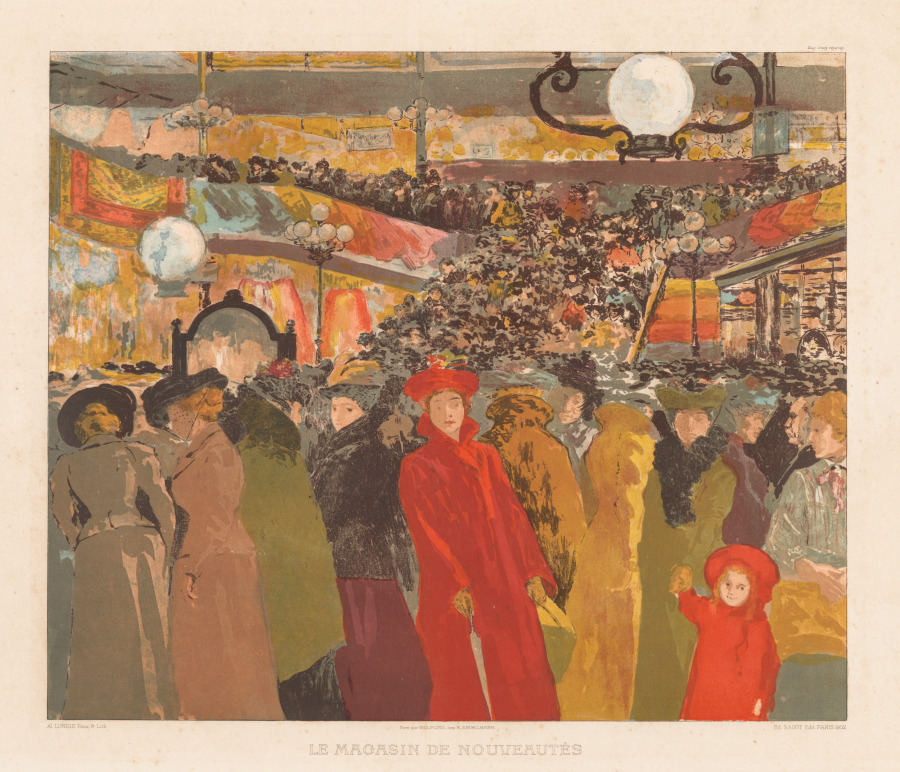 Alexandre Lunois (French, 1863–1916) — The Fancy Goods Store
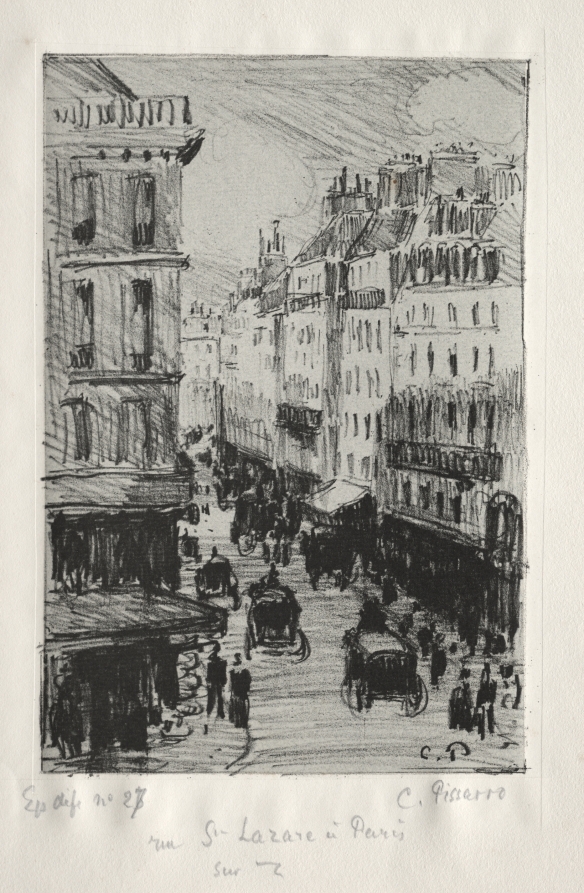 Camille Pissarro (French, 1830–1903) — Rue Saint-Lazare, Par
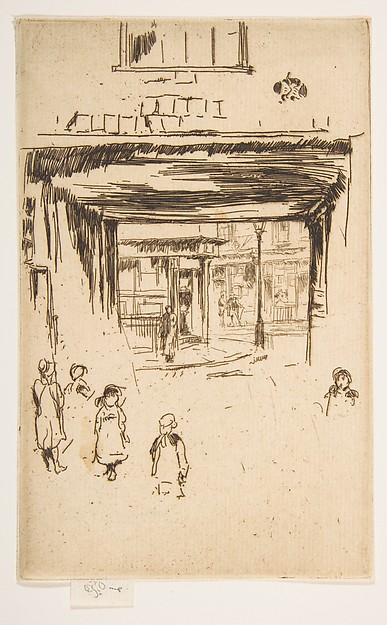 James McNeill Whistler — Drury Lane


