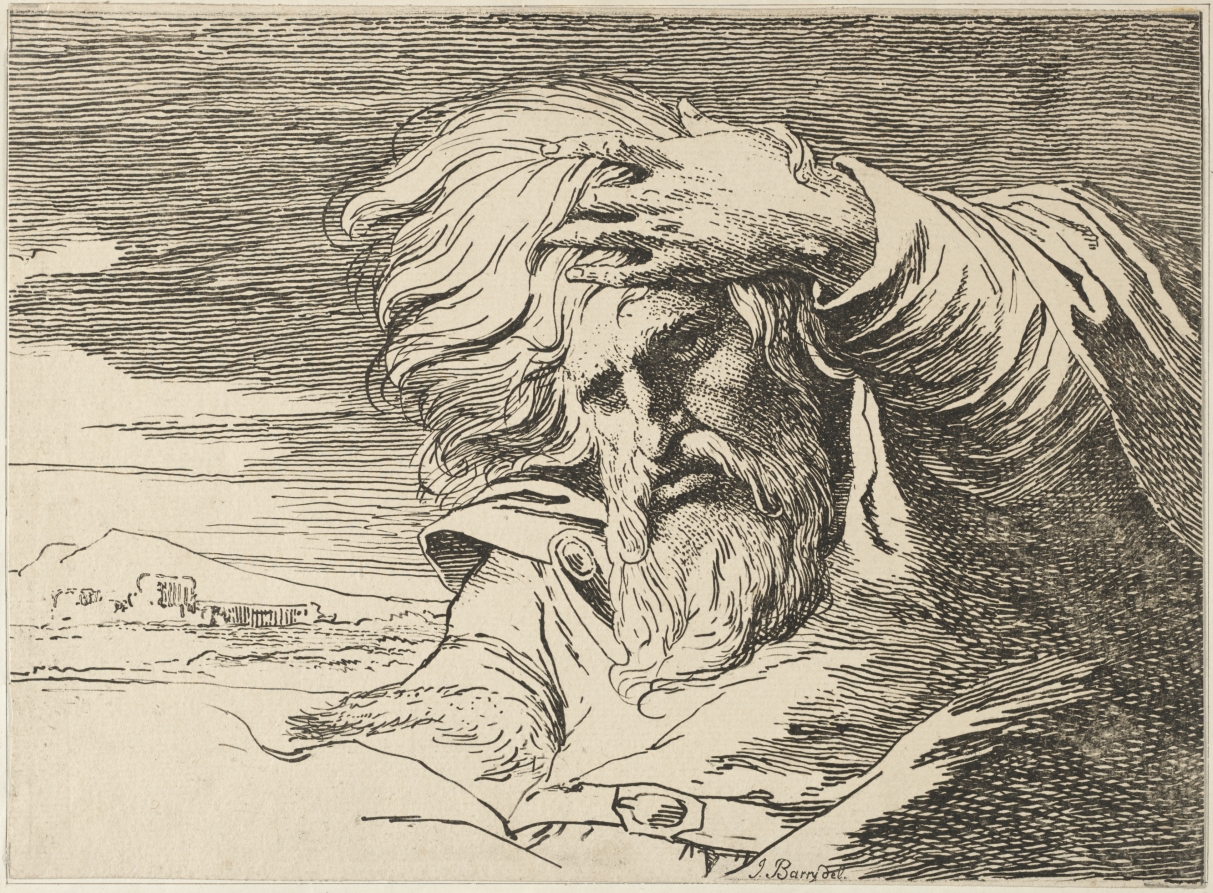
Head of Neptune
18th century
Pen and brown ink with brush and gray wash and traces of graphite, on ivory laid paper, laid down on cream laid paper
11.2 × 27.7 cm (4.4 × 10.9 in)
SEE IT IN PERSON
Not currently on view
In the collection of Art Institute of Chicago, Chicago · as of July 2026
Discussion
Be the first to share your thoughts.
Sign in to join the discussion.
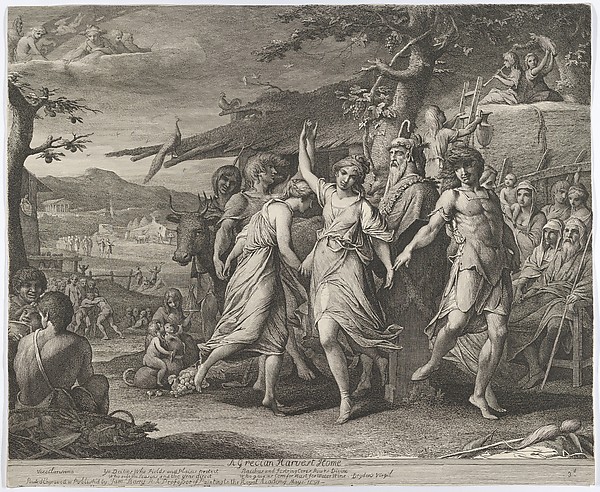
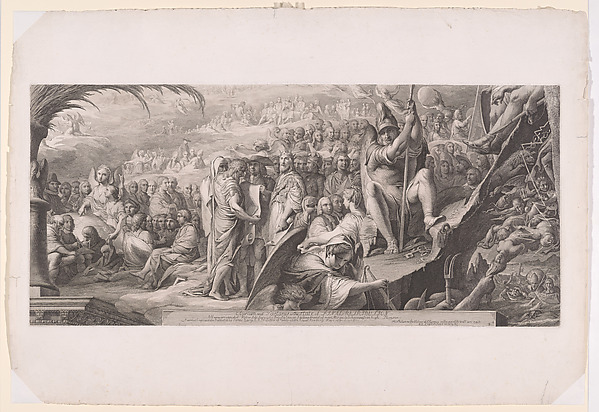
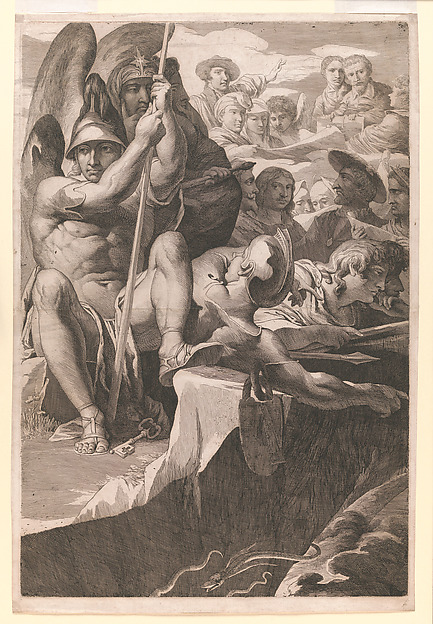
More by James Barry

More like this
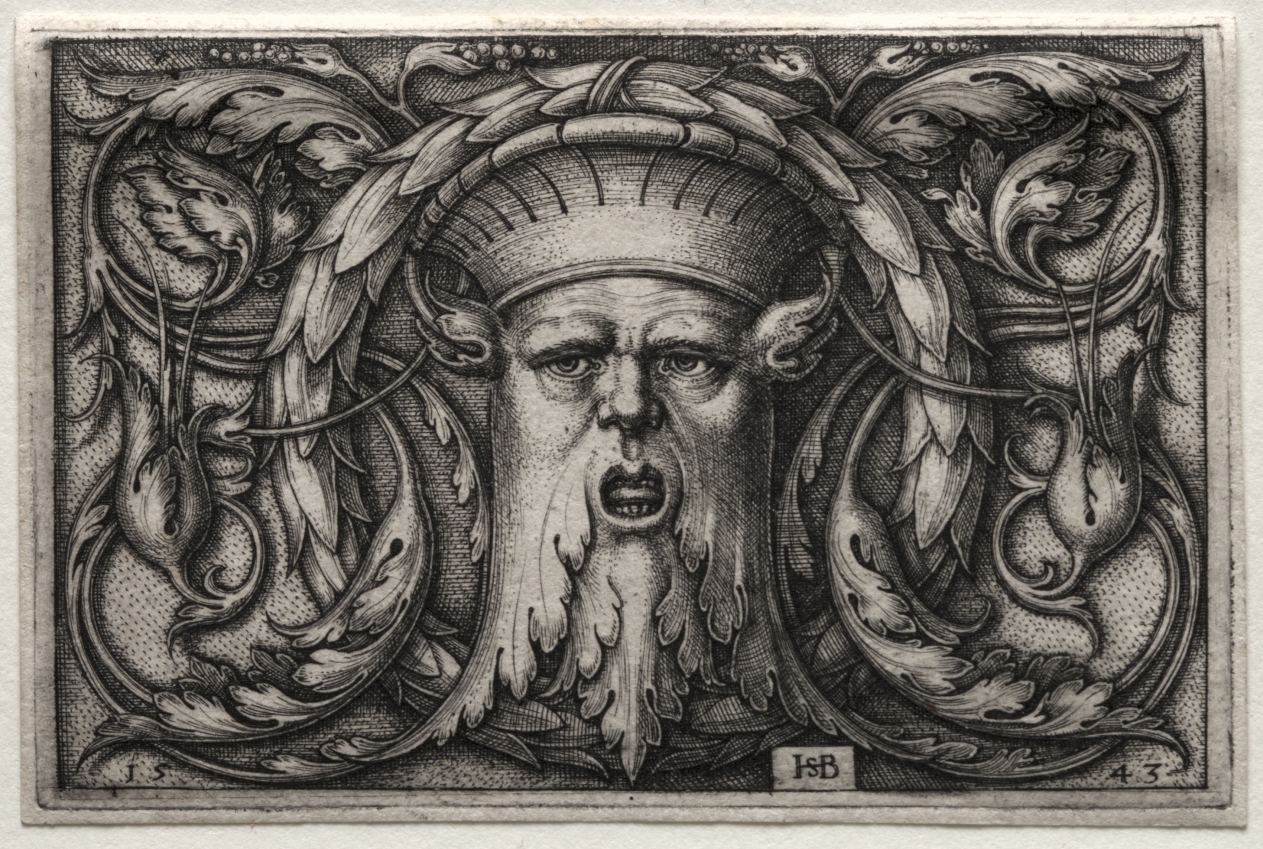 Hans Sebald Beham (German, 1500–1550) — Ornament of Satyr's
 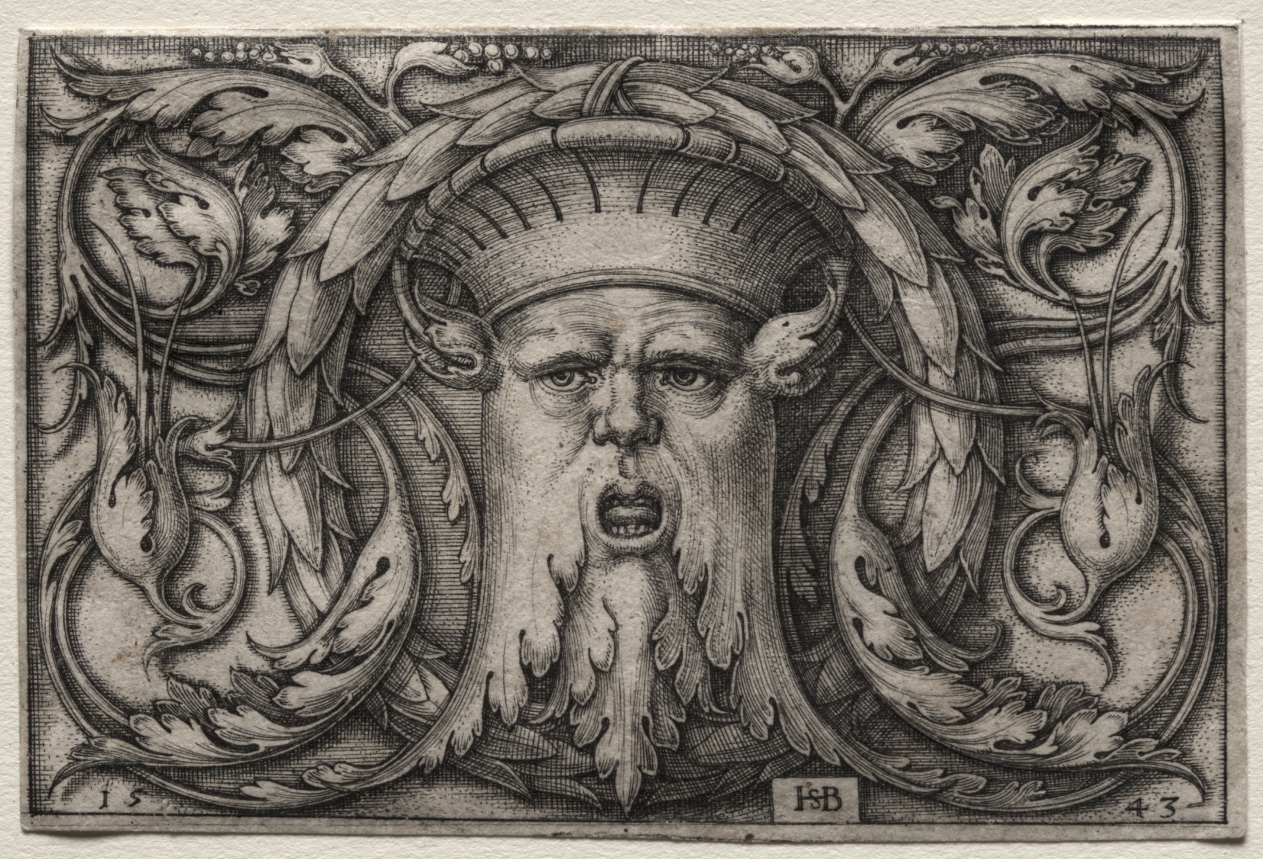 Hans Sebald Beham (German, 1500–1550) — The Mask
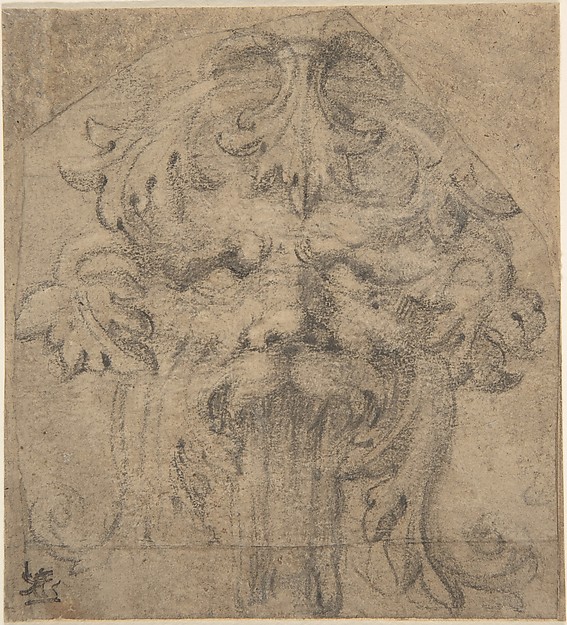 Anonymous, Italian, 16th to 17th century — Foliate Grotesque
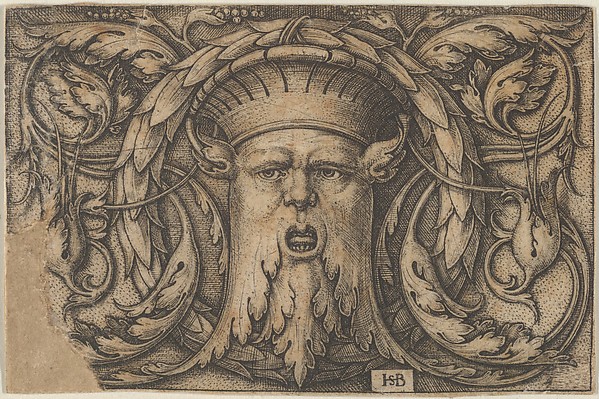 Sebald Beham — Horizontal Panel with a Bearded Amascaron in
  Hans Sebald Beham — Ornament with a Mask
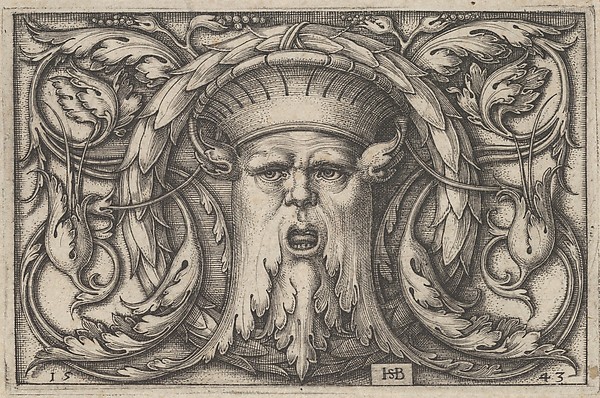 Sebald Beham — Horizontal Panel with a Bearded Amascaron in
 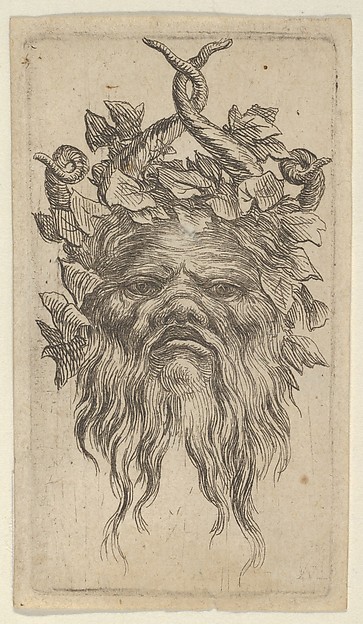 François Chauveau|Jacques Van Merlen — Satyr Mask with Hooke
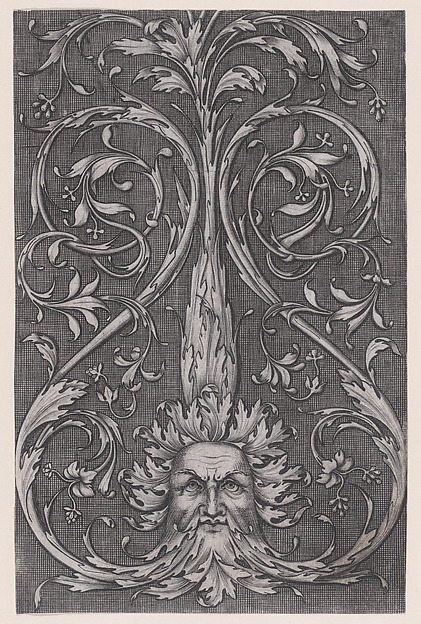 Anonymous, Italian, 16th to early 17th century|Agostino Vene
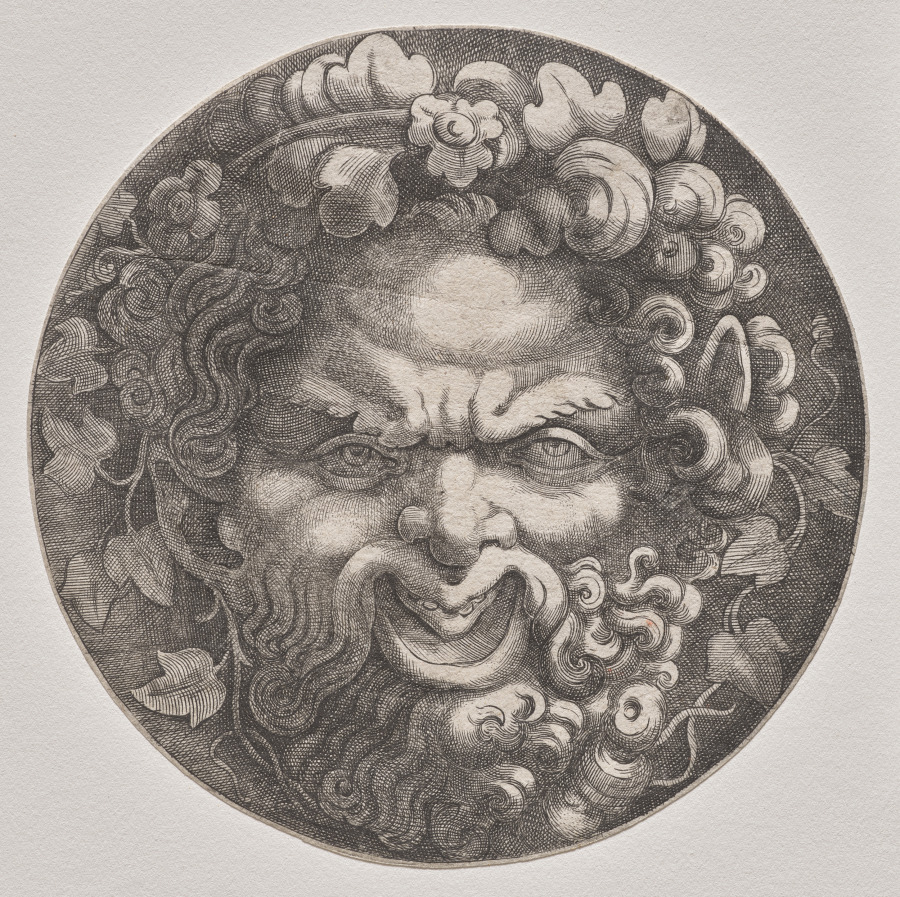 Adamo Scultori (Italian, c. 1530–1585) — Head of Silenus
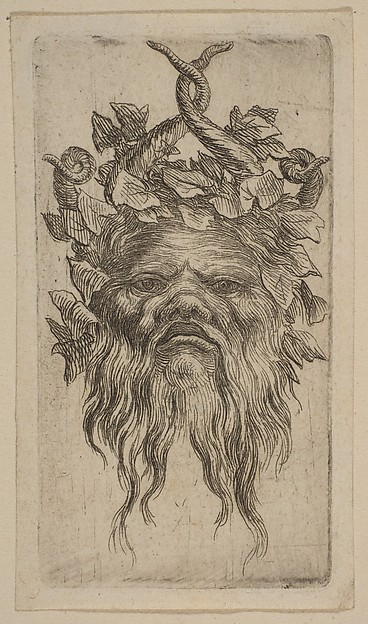 Stefano della Bella — Mask
 Pietro Dandini — Head of Laocoon
 Filippo Cretoni — Drawing of a Grotesque after a 16th-centur