FROM THE CLEVELAND MUSEUM OF ART’S CATALOG
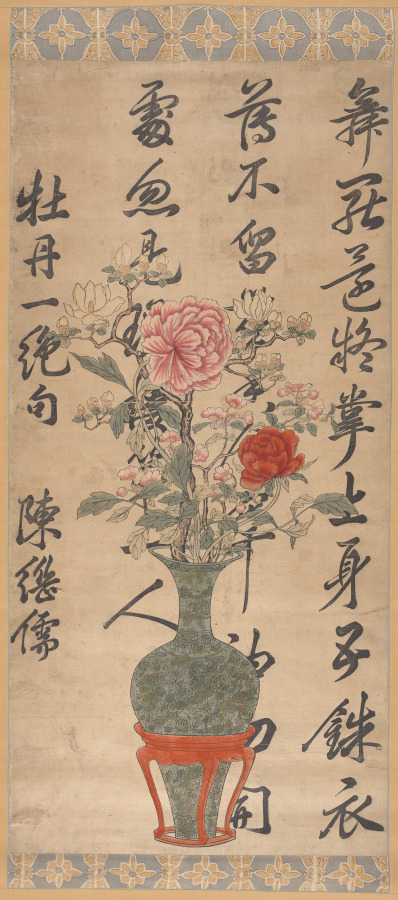
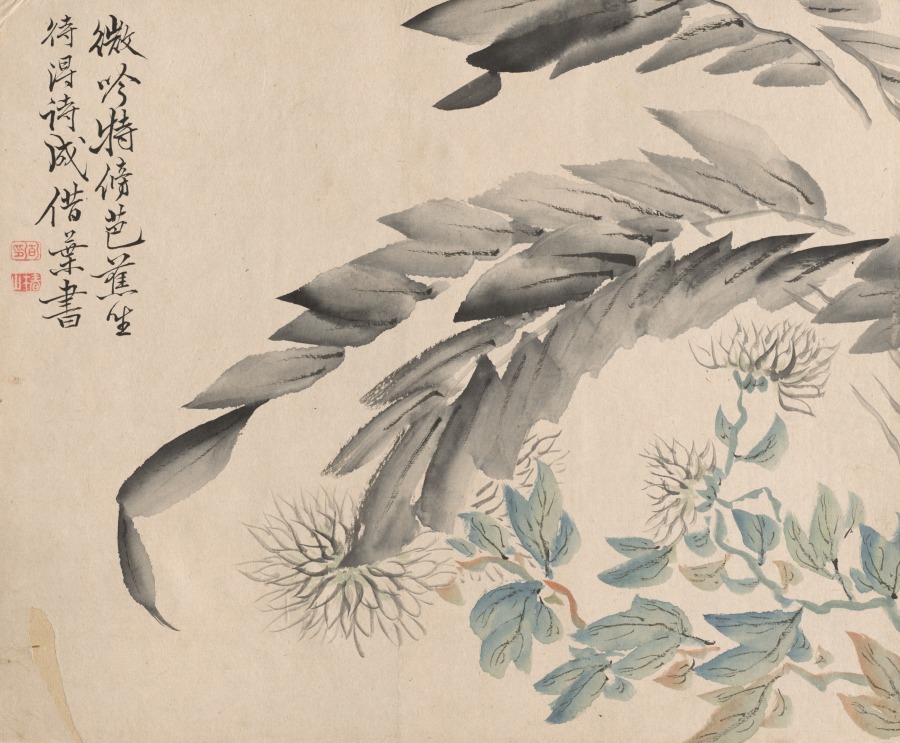
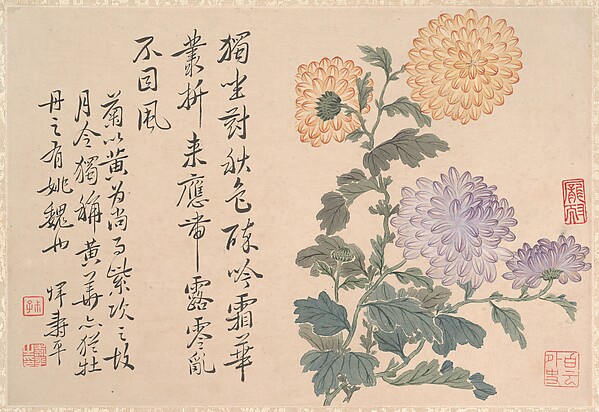
Poet Tao Yuanming (365–427 CE) turned down a career as an official in politically turbulent times to return to his home estate, northwest of Mount Lu, to write poetry and enjoy his garden and wine. As he grew chrysanthemums, Tao is associated with this flower. The artist Chen Hongshou, active in Zhejiang province, suffered through the violent transition from the Ming to the Qing dynasty around 1644. This painting of chrysanthemums alludes to the poet who lived a millennium earlier during similarly fraught times.
Source ↗︎
Be the first to share your thoughts.
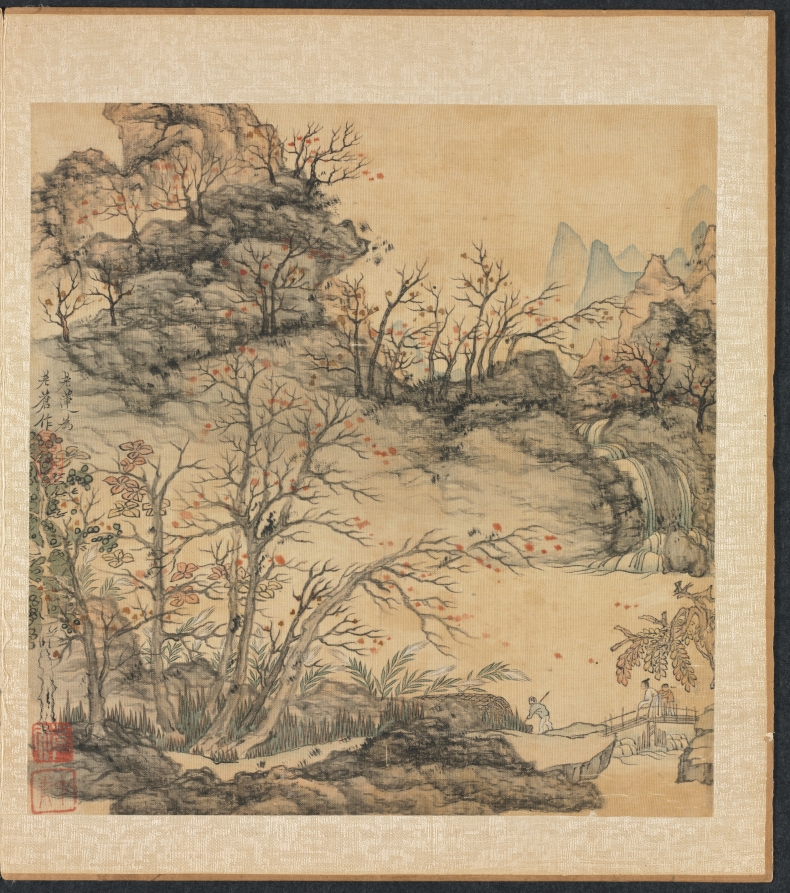 Paintings after Ancient Masters: Autumn Landscape
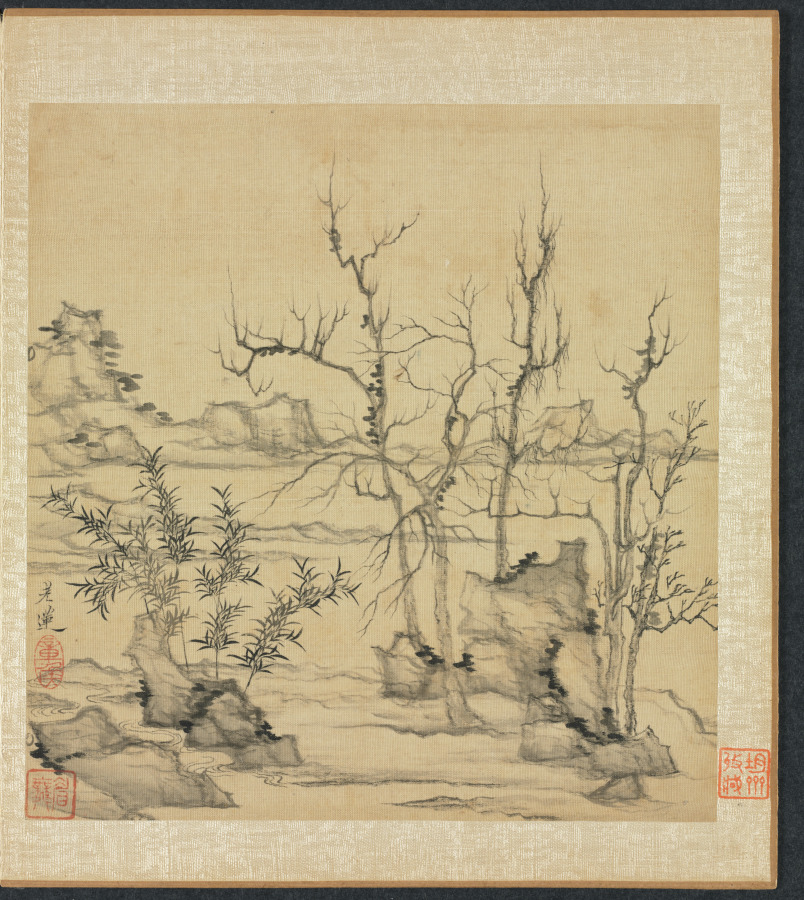 Paintings after Ancient Masters: Landscape in the Style of N
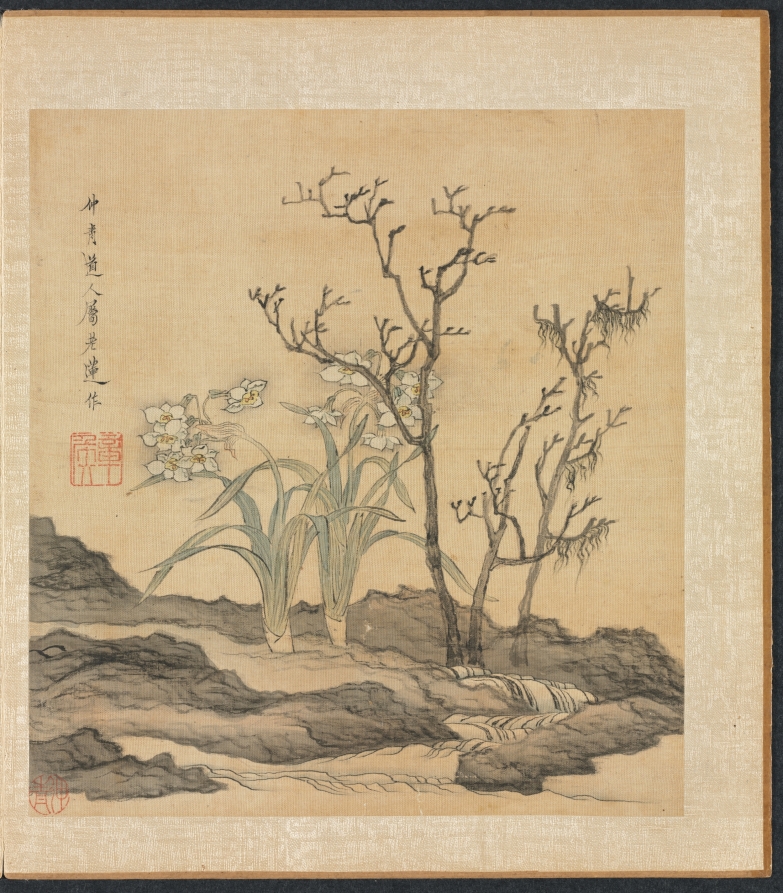 Paintings after Ancient Masters: Narcissus and Bare Trees
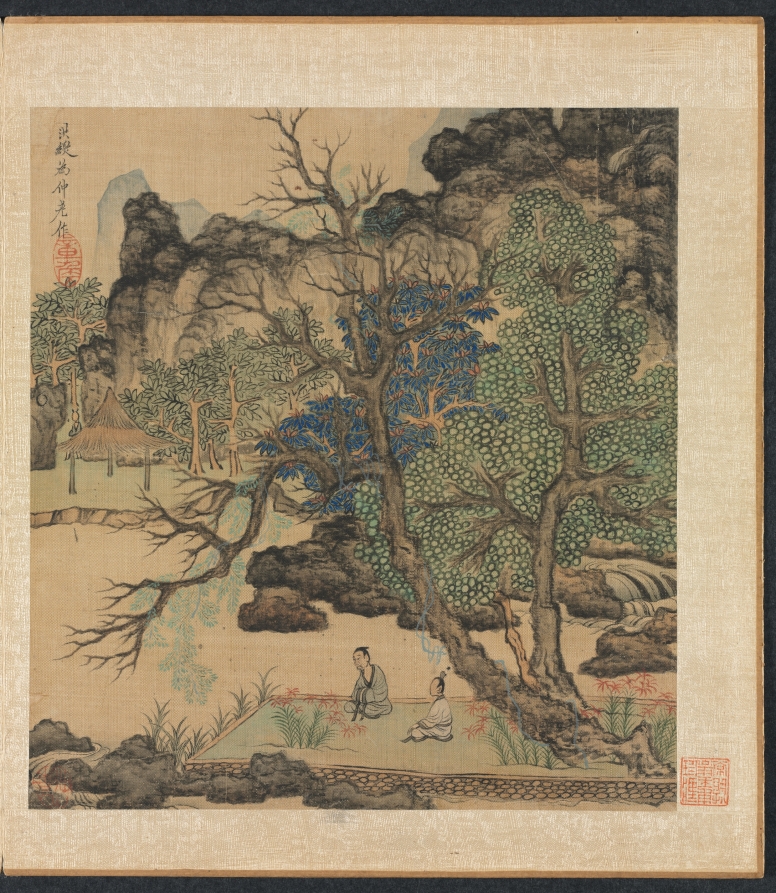 Paintings after Ancient Masters: Scholars in a Garden
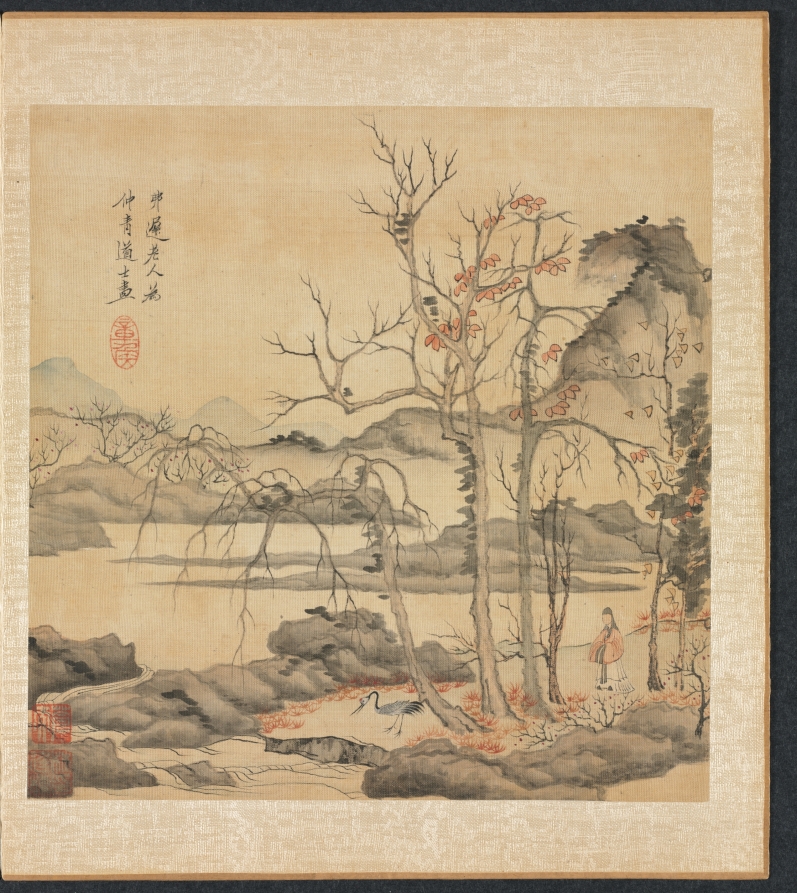 Paintings after Ancient Masters: Daoist and Crane in Autumn
 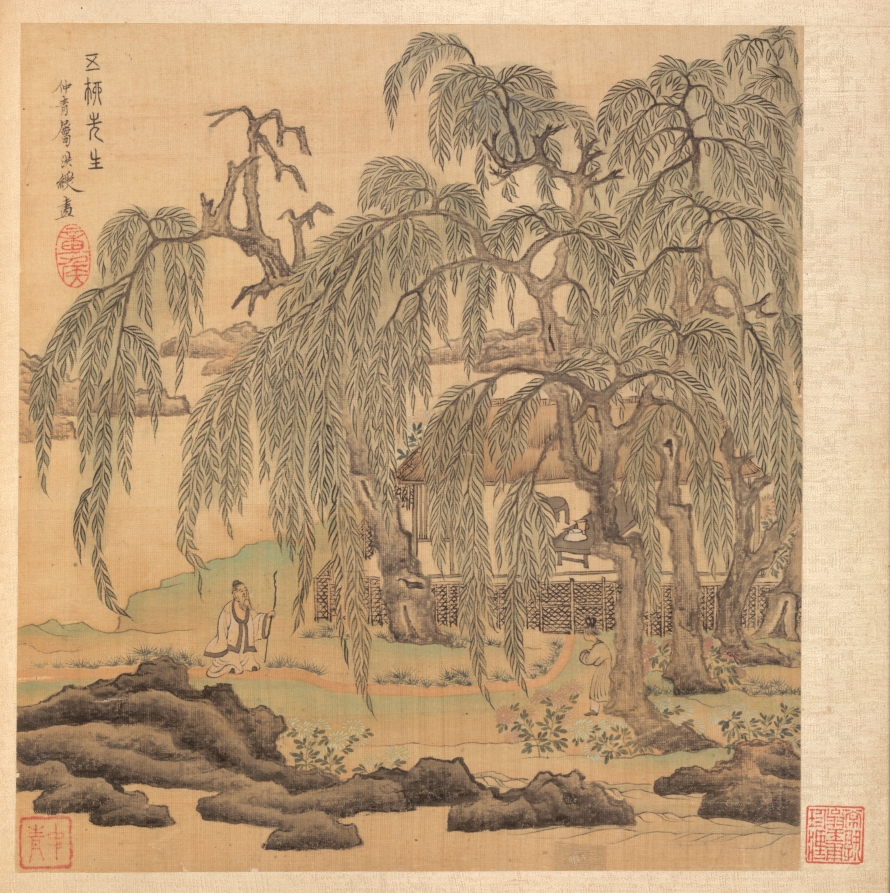 Paintings after Ancient Masters: Mr. Five Willows (Wuliu), T
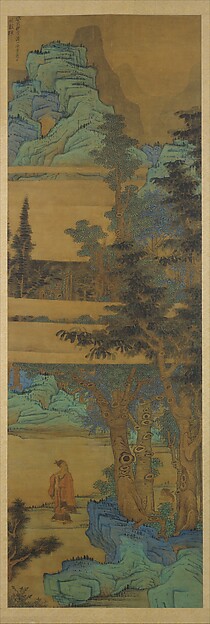 明 陳洪綬 樹下高士圖 軸|Scholar-recluse in blue-green landscape
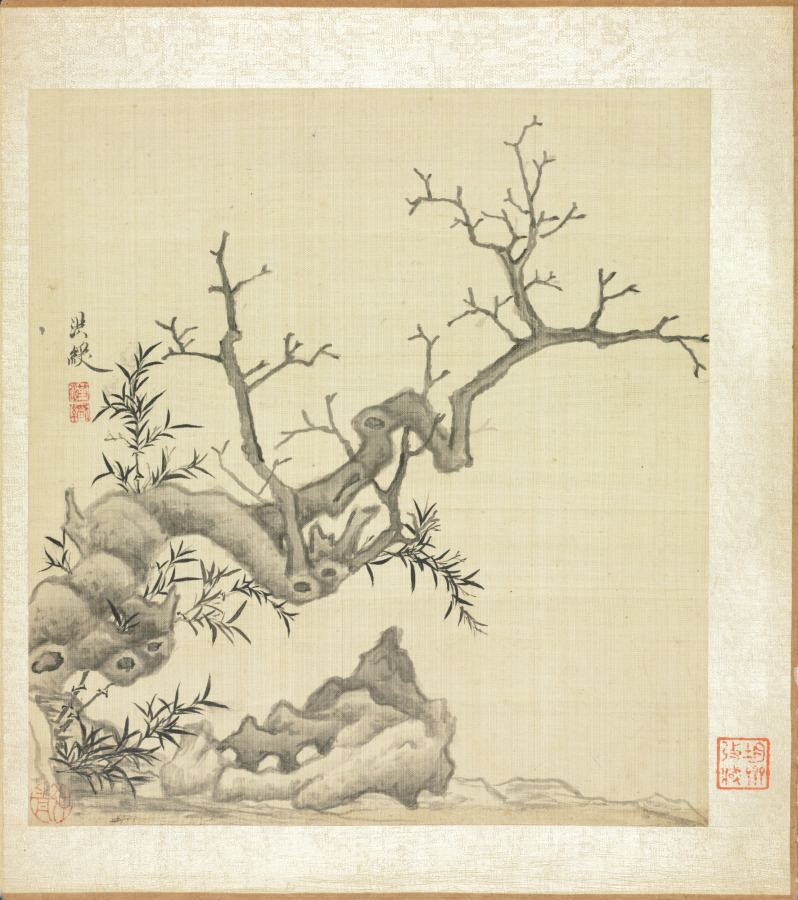 Paintings after Ancient Masters: Rock, Old Tree, and Bamboo
_sf.jpg)