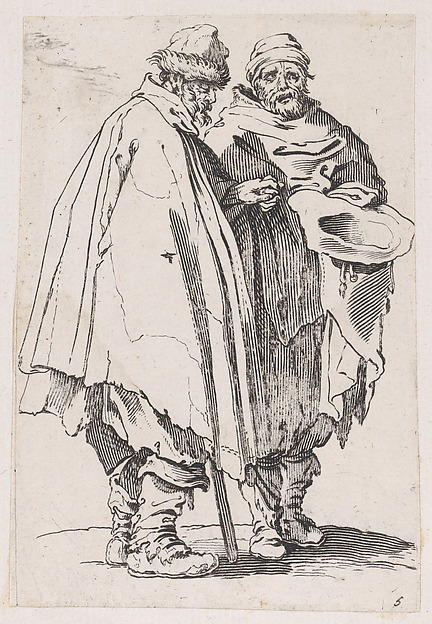
Johann Wilhelm Baur

Italians, from a set of costume plates of different nations

ca. 1600–40
Etching
8.1 × 11.1 cm (3.2 × 4.4 in)

SEE IT IN PERSON

Not currently on view

In the collection of The Metropolitan Museum of Art, New York · as of July 2026

View at metmuseum.orgPlan a visit ↗

Discussion

Be the first to share your thoughts.

Sign in to join the discussion.

Community guidelines

More by Johann Wilhelm Baur
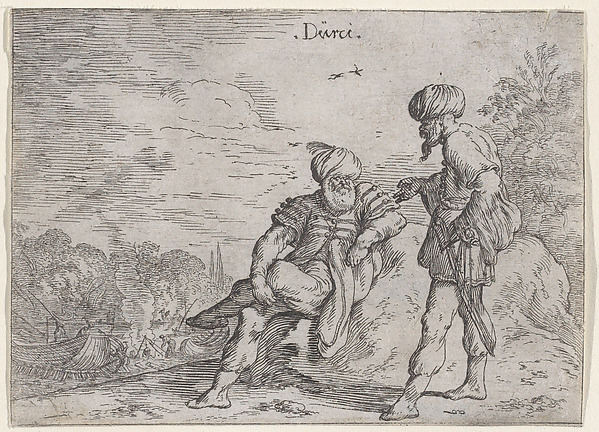
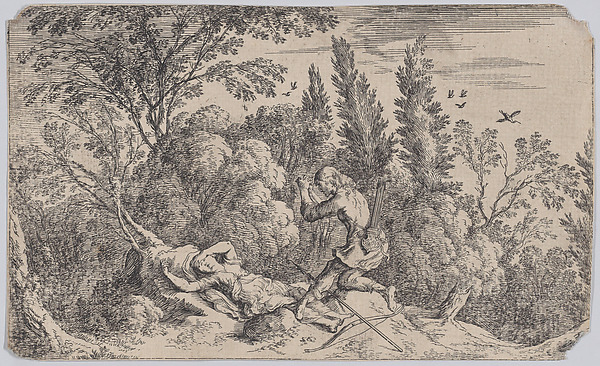
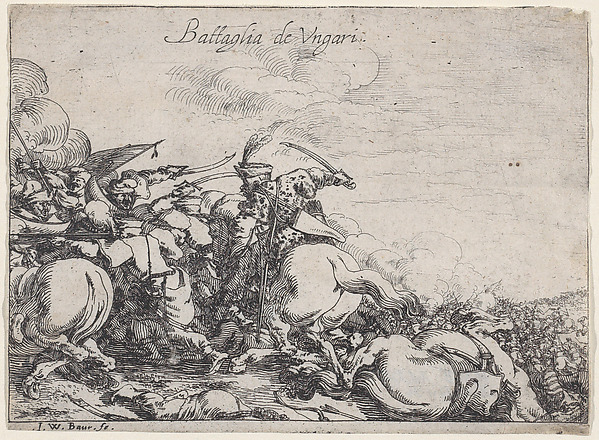
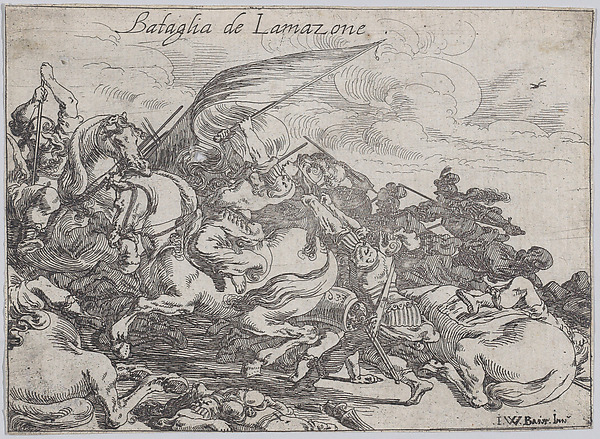
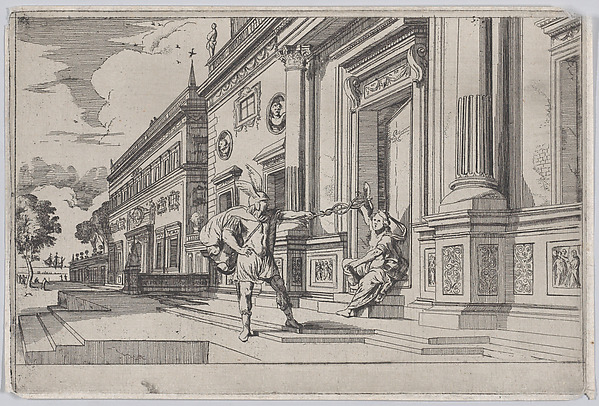
Turks, from a set of costume plates of different nationsTurks, from a set of costume plates of different nationsPlate 100: The death of Orpheus, from 'Ovid's Metamorphoses'Plate 100: The death of Orpheus, from 'Ovid's Metamorphoses'Plate 70: Cephalus and Procris, from 'Ovid's Metamorphoses'Plate 70: Cephalus and Procris, from 'Ovid's Metamorphoses'Battaglia de Ungari, from 'Battles of Different Nations' (Capricci di varie battaglie)Battaglia de Ungari, from 'Battles of Different Nations' (CaBataglia de L'Amazone, from "Battles of Different Nations" (Capricci di varie battaglie)Bataglia de L'Amazone, from "Battles of Different Nations" (Plate 24: Mercury and Aglauros, from 'Ovid's Metamorphoses'Plate 24: Mercury and Aglauros, from 'Ovid's Metamorphoses'Persians, from a set of costume plates of different nationsPersians, from a set of costume plates of different nationsThree alleés separated by two groups of trees in pointed configurations, from 'Views of Gardens' (Vedute de' Giardini)Three alleés separated by two groups of trees in pointed con
More like this

Plate 1: the departure of the armiesJacques Courtois — Plate 1: the departure of the armiesL'Homme qui Court (The Running Man), from Les Caprices Series B, The Nancy SetJacques Callot|Lorenzo de' Medici — L'Homme qui Court (The RReverse Copy of L'Aveugle et son Compagnon (The Blind Man and his Companion), from Les Gueux suite appelée aussi Les Mendiants, Les Baroni, ou Les Barons (The Beggars, also called the Barons)Jacques Callot|Anonymous — Reverse Copy of L'Aveugle et son L'Aveugle et son Compagnon (The Blind Man and his Companion), from Les Gueux suite appelée aussi Les Mendiants, Les Baroni, ou Les Barons (The Beggars, also called the Barons)Jacques Callot — L'Aveugle et son Compagnon (The Blind Man aPlate 10: a horseman and a woman, seen from behind, riding towards the right with a young man following them to left, another horseman and woman to right in the background, from 'Various Figures' (Agréable diversité de figures)Stefano della Bella|Israël Henriet — Plate 10: a horseman anThe Little Cavaliers, after "Velázquez"Edouard Manet — The Little Cavaliers, after "Velázquez"L'Homme qui Court (The Running Man), from Les Caprices Series B, The Nancy SetJacques Callot|Lorenzo de' Medici — L'Homme qui Court (The RLe Gentilhomme au Manteau Bordé de Fourrures Tenant ses Mains Derrière le Dos (The Gentleman with the Fur-Lined Mantle Holding his Hands Behind his Back), from La Noblesse (The Nobility)Jacques Callot — Le Gentilhomme au Manteau Bordé de FourrureThe Blind Man and his Companion, plate nine from The BeggarsJacques Callot — The Blind Man and his Companion, plate ninePlate 13: two peasants standing to left, a cripple kneeling on the ground in center, a woman carrying a child seen from behind to right in middleground, a church to right in background, from 'Caprice faict par de la Bella'Stefano della Bella|Israël Henriet — Plate 13: two peasants Plate 4: the rescuing of dead and wounded soldiersJacques Courtois — Plate 4: the rescuing of dead and woundedReverse Copy of L'Aveugle et son Compagnon (The Blind Man and his Companion), from Les Gueux suite appelée aussi Les Mendiants, Les Baroni, ou Les Barons (The Beggars, also called the Barons)Jacques Callot|Anonymous — Reverse Copy of L'Aveugle et son