The Pyramid of Gaius Cestius, from Views of Rome
SEE IT IN PERSON
Not currently on view
In the collection of Art Institute of Chicago, Chicago · as of July 2026
Discussion
FROM THE ART INSTITUTE OF CHICAGO’S CATALOG
One of two Piranesi engravings of the Pyramid of Cestius, this etching was published posthumously by the artist’s sons. The pyramid was essential viewing for many who undertook the Grand Tour in the 18th and 19th centuries. Constructed c. 18 b.c./c. 12 b.c. as a tomb for the powerful Roman magistrate Gaius Cestius, the marble-clad structure is reminiscent of the Roman fad for all things Egyptian. In fact, the similarity of the tomb to the pyramids of Nubia suggests that Cestius served on a military campaign in Egypt. Today Cestius’s well-preserved tomb remains Rome’s only existing ancient Egyptian-style pyramid.
Be the first to share your thoughts.
Sign in to join the discussion.
More by Giovanni Battista Piranesi
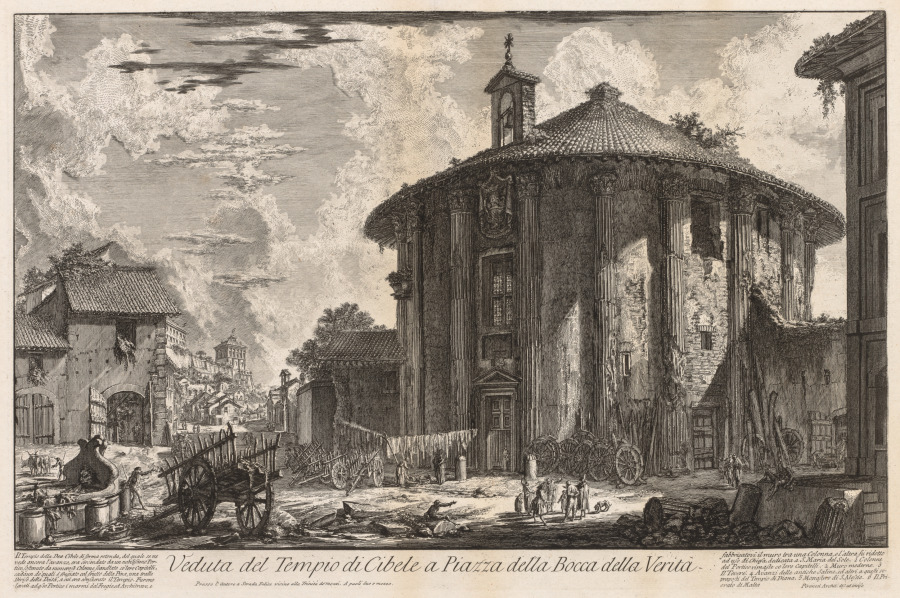 Views of Rome: Temple of Cybele
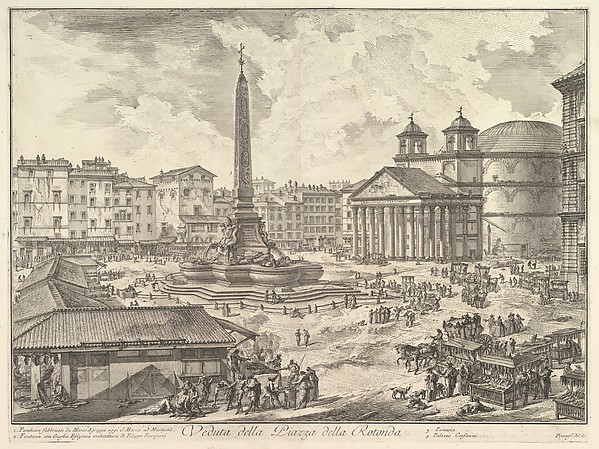 The Piazza della Rotonda, with the Pantheon and Obelisk (Ved
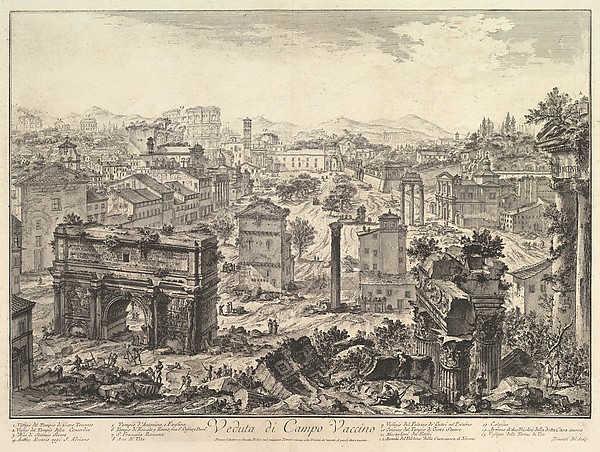 The Forum Romanum, or Campo Vaccino, from the Capitol, with
 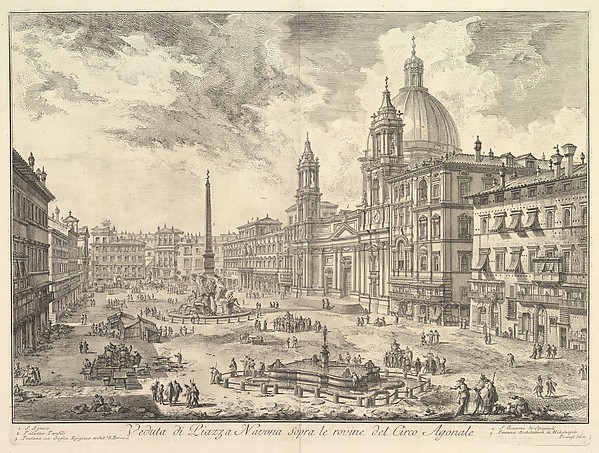 The Piazza Navona, Rome, above the ruins of the Circus of Do
 View of the Campo Vaccino (Roman Forum with the Temple of CaView of the Flavian Amphitheater, called the Colosseum, from
 The Forum Romanum, or Campo Vaccino, from the capitol, with
  View of the Temple of Cybele in the Piazza of the Bocca dell
More like this
 Jan Goeree — View of the Mons Testaceus (above) and the Pyra
 Giovanni Battista Piranesi (Italian, 1720–1778) — Views of R
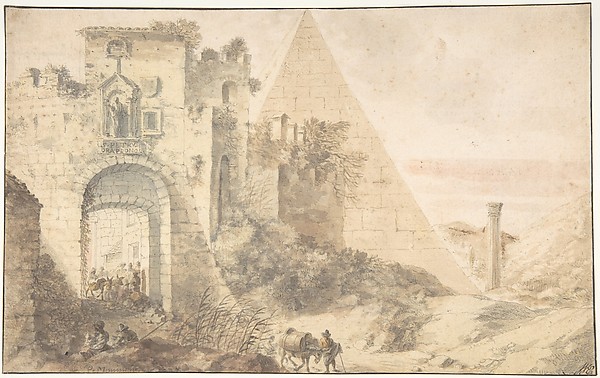 Pieter Moninckx — Pyramid of Cestius and the Porta San Paolo
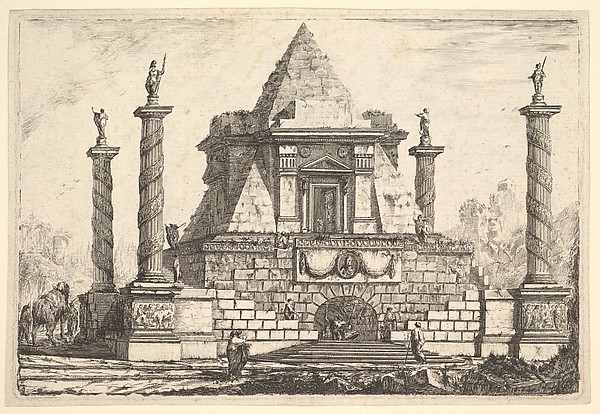 Pierre Moreau — Imaginary Architecture with Camel and Figure
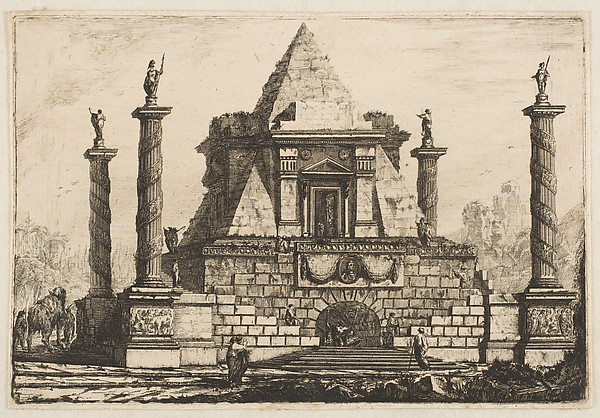 Pierre Moreau — View of a Funerary Monument and Crypt
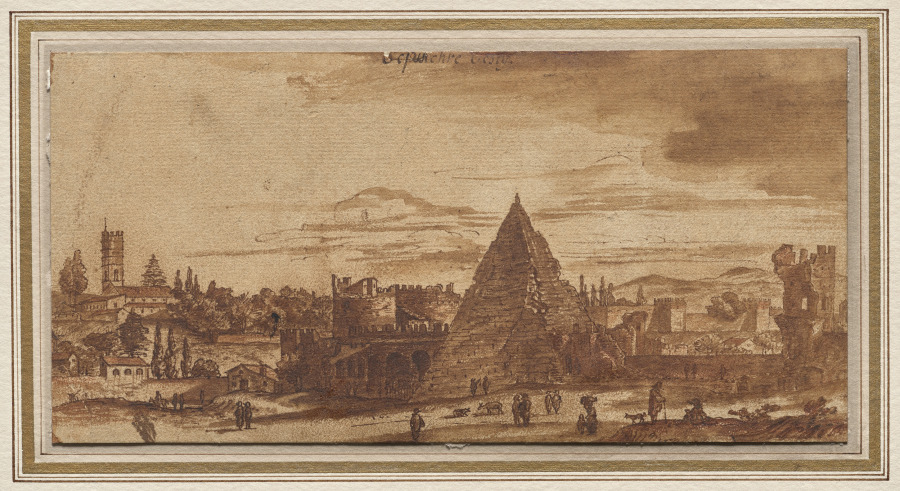 Michiel van Overbeek (Dutch, active 1663–1709) — The Pyramid
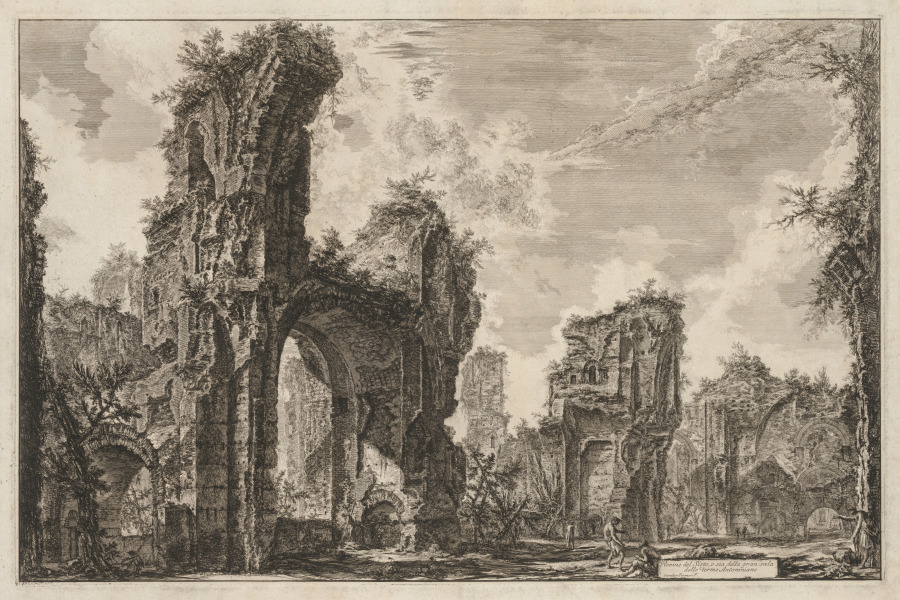 Giovanni Battista Piranesi (Italian, 1720–1778) — Views of R
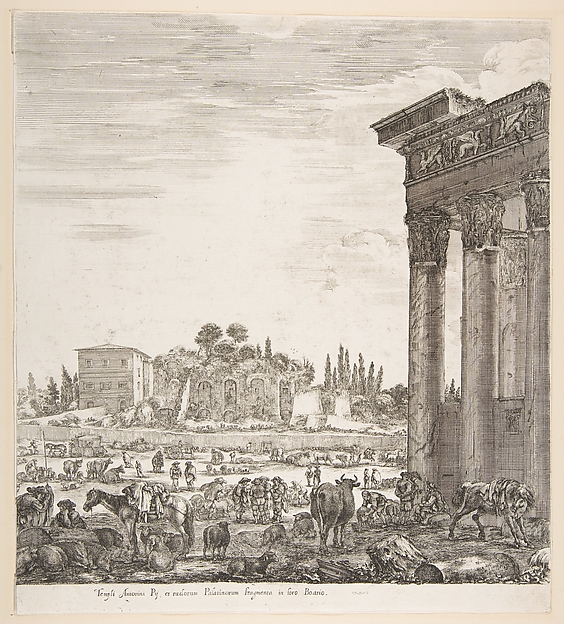 Stefano della Bella — The columns of the Temple of Antoninus
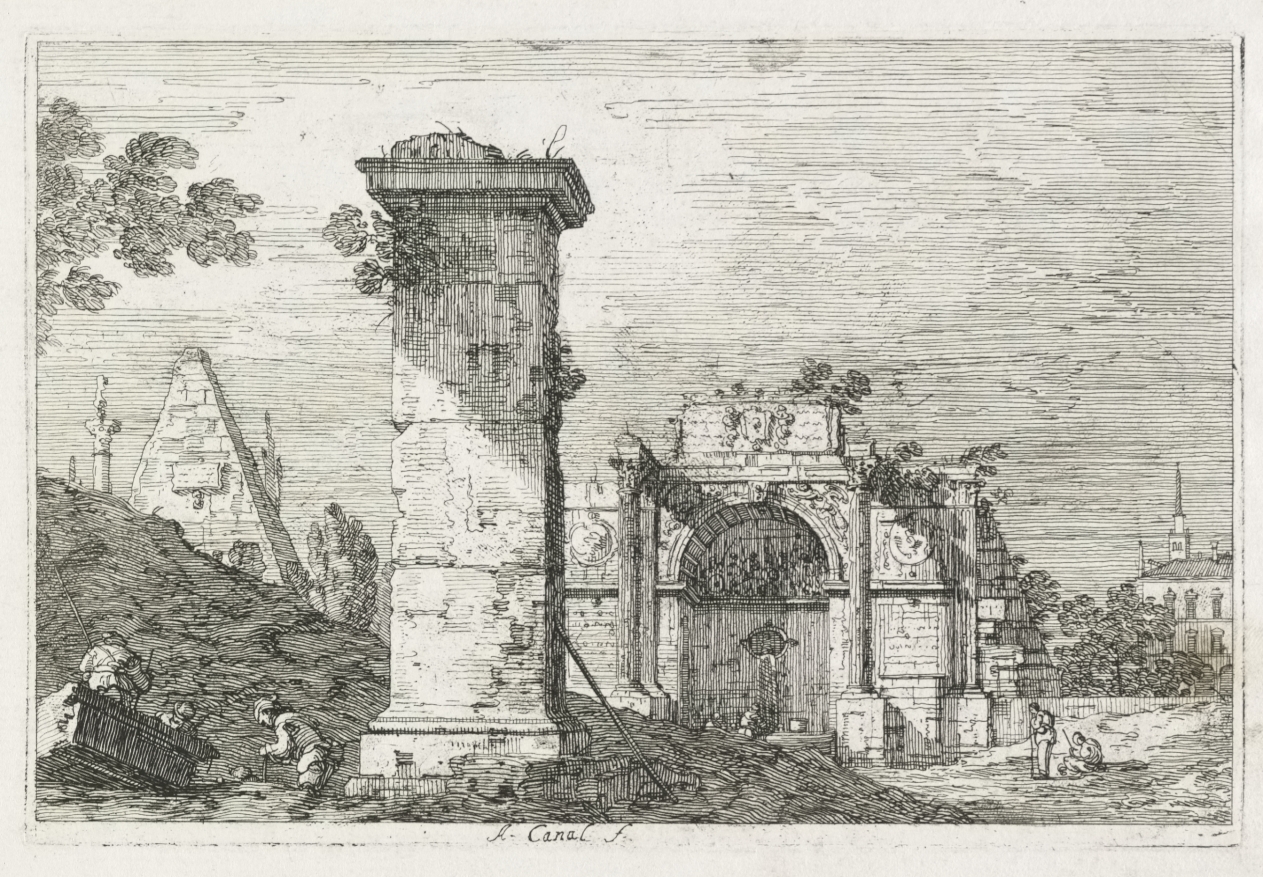 Antonio Canaletto (Italian, 1697–1768) — Views: Le Pilier i
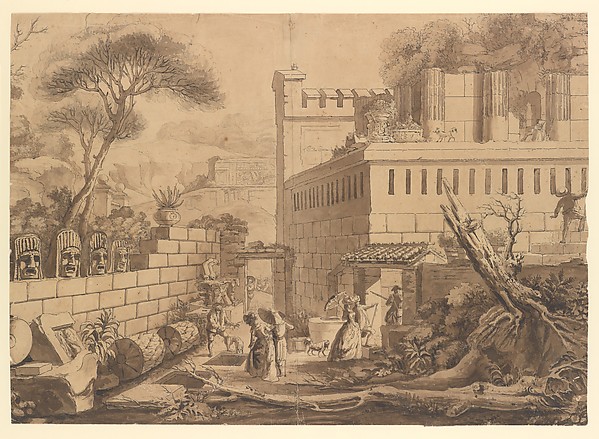 Louis Jean Desprez — Visitors Inspecting Classical Ruins
 Stefano della Bella — The Temple of Antonin and the Campo Va