Leonardo Alenza y Nieto

Dust to Dust ("Et in pulverem reverteris")

1807–45
Pen and black ink with brush and gray wash on off-white paper. Composition outlined with pen and black ink on all sides
18.1 × 13 cm (7.1 × 5.1 in)

SEE IT IN PERSON

Not currently on view

In the collection of The Metropolitan Museum of Art, New York · as of July 2026

View at metmuseum.orgPlan a visit ↗

Discussion

Be the first to share your thoughts.

Sign in to join the discussion.

Community guidelines

More by Leonardo Alenza y Nieto
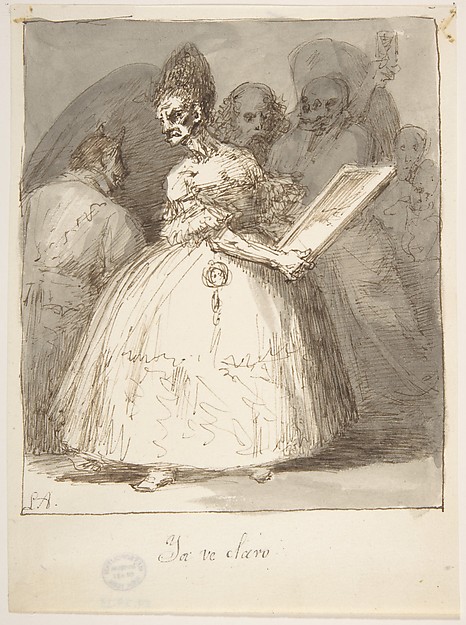
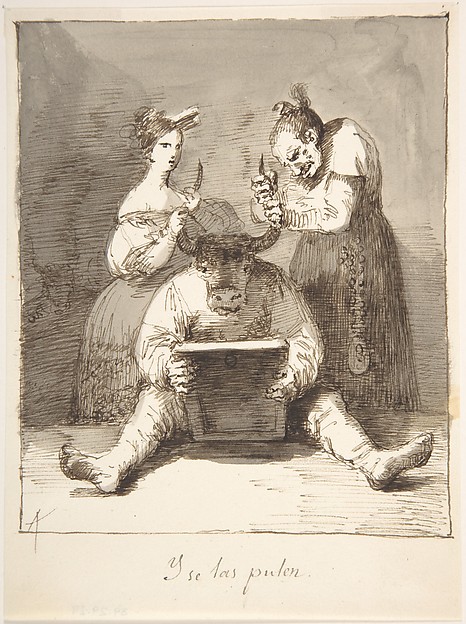
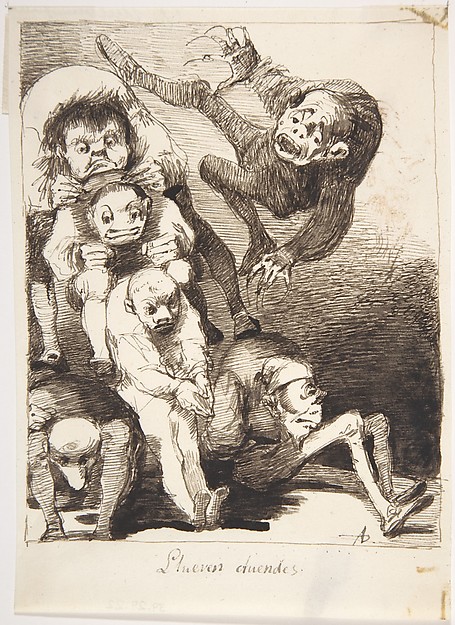
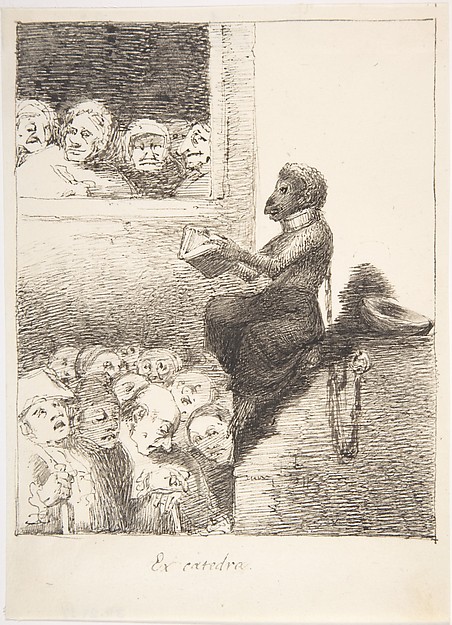
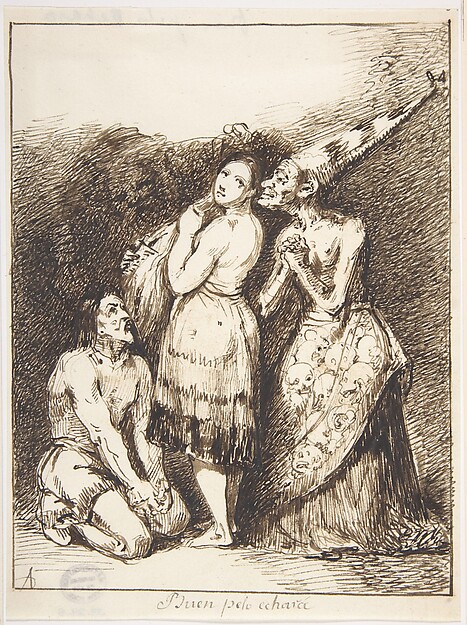
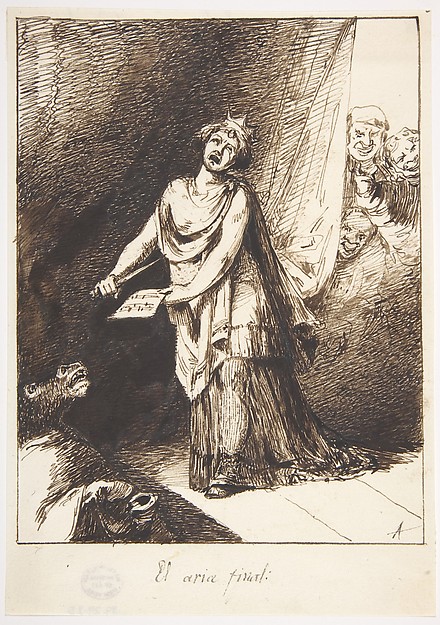
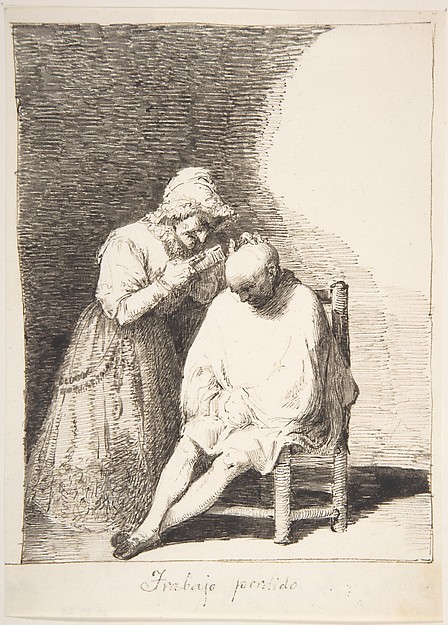
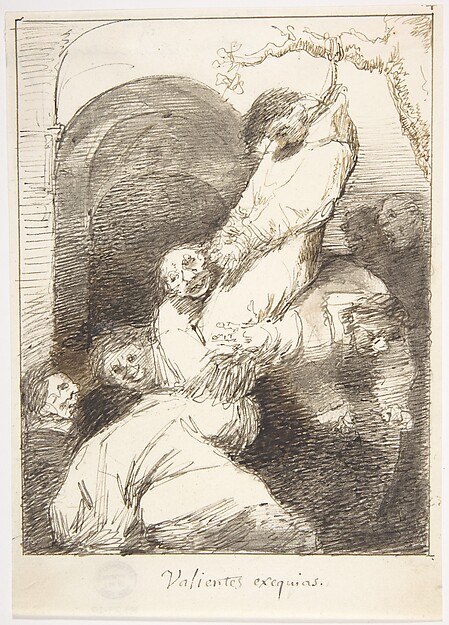
At Last She Sees Clearly ("Ya ve claro")At Last She Sees Clearly ("Ya ve claro")The Last Song ("El aria final")The Last Song ("El aria final")They are Polishing Him Up ("Y se las pulen")They are Polishing Him Up ("Y se las pulen")Lost Labor ("Trabajo perdido")Lost Labor ("Trabajo perdido")It's Raining Elves ("Llueven duendes")It's Raining Elves ("Llueven duendes")Ex Cathedra ("ex catedra")Ex Cathedra ("ex catedra")They'll Get Their Desserts ("Buen pelo echará")They'll Get Their Desserts ("Buen pelo echará")A Funeral with Honors ("Valientes exequias")A Funeral with Honors ("Valientes exequias")
More like this

No One Has Seen Us, plate 79 from Los CaprichosFrancisco José de Goya y Lucientes — No One Has Seen Us, plaBlow, Plate 69Francisco de Goya (Spanish, 1746–1828) — Blow, Plate 69They Spin Finely, Plate 44Francisco de Goya (Spanish, 1746–1828) — They Spin Finely, PThere is Plenty to Suck, Plate 45Francisco de Goya (Spanish, 1746–1828) — There is Plenty to “- What a fuss this sour-face from the fifth floor is making! Wearing a hat just to buy two cups of milk for one sou! - Oh, Madame Capitaine, aren't we fancy today...,” plate 36 Types ParisiensHonoré-Victorin Daumier — “- What a fuss this sour-face fromThe Sick ChildThéophile-Alexandre Pierre Steinlen — The Sick ChildNo One has Seen Us, Plate 79Francisco de Goya (Spanish, 1746–1828) — No One has Seen Us,There is Plenty to Suck, Plate 45Francisco de Goya (Spanish, 1746–1828) — There is Plenty to 'Folly of Fear' from the 'Disparates' (Follies / Irrationalities)Goya (Francisco de Goya y Lucientes) — 'Folly of Fear' from 'Dancing Giant' from the 'Disparates' (Follies / Irrationalities)Goya (Francisco de Goya y Lucientes) — 'Dancing Giant' from 'Disorderly Folly' from the 'Disparates' (Follies / Irrationalities)Goya (Francisco de Goya y Lucientes) — 'Disorderly Folly' frDon Quichote, after GoyaFélix Bracquemond (French, 1833–1914) — Don Quichote, after