Harbor Scene with a Lighthouse
1638–41
Etching on ivory laid paper
14.5 × 20.4 cm (5.7 × 8 in)
SEE IT IN PERSON
Not currently on view
In the collection of Art Institute of Chicago, Chicago · as of July 2026
Discussion
FROM THE ART INSTITUTE OF CHICAGO’S CATALOG
Claude arrived in Rome around 1613 and apprenticed himself to Agostino Tassi, a landscape painter. Except for a brief return to his native Nancy in 1627, he remained in Rome for the rest of his life.
Be the first to share your thoughts.
Sign in to join the discussion.
More by Claude Lorrain


More like this
 Stefano della Bella — Houses Overlooking a Port, from Views
 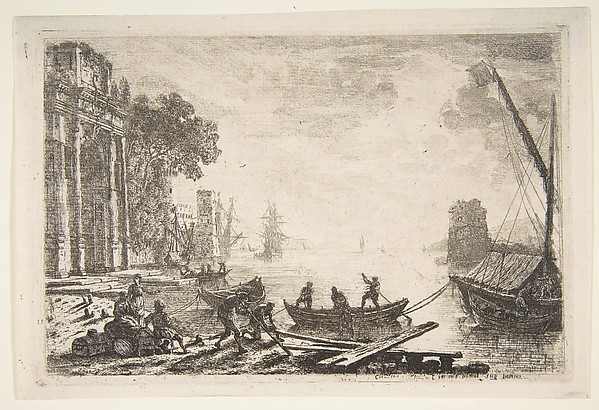 Claude Lorrain (Claude Gellée) — Harbor Scene with Rising Su
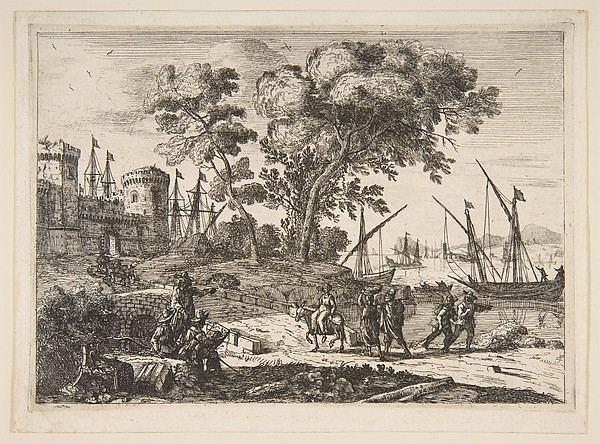 Claude Lorrain (Claude Gellée) — Coast Scene with an Artist
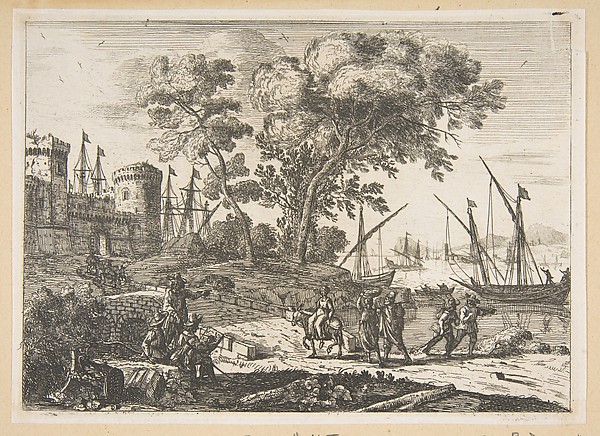 Claude Lorrain (Claude Gellée) — Coast Scene with an Artist
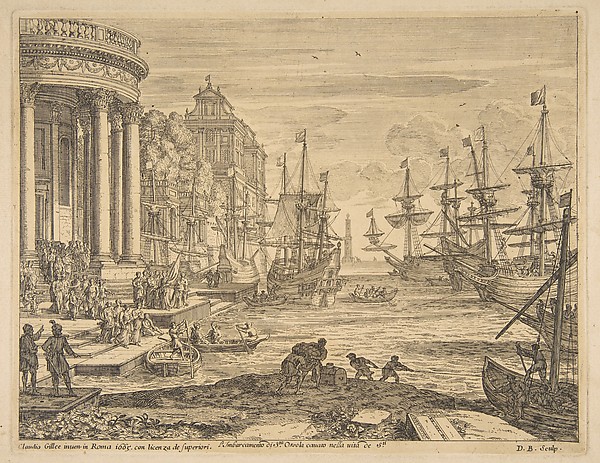 Claude Lorrain (Claude Gellée)|Dominique Barrière — Embarkat
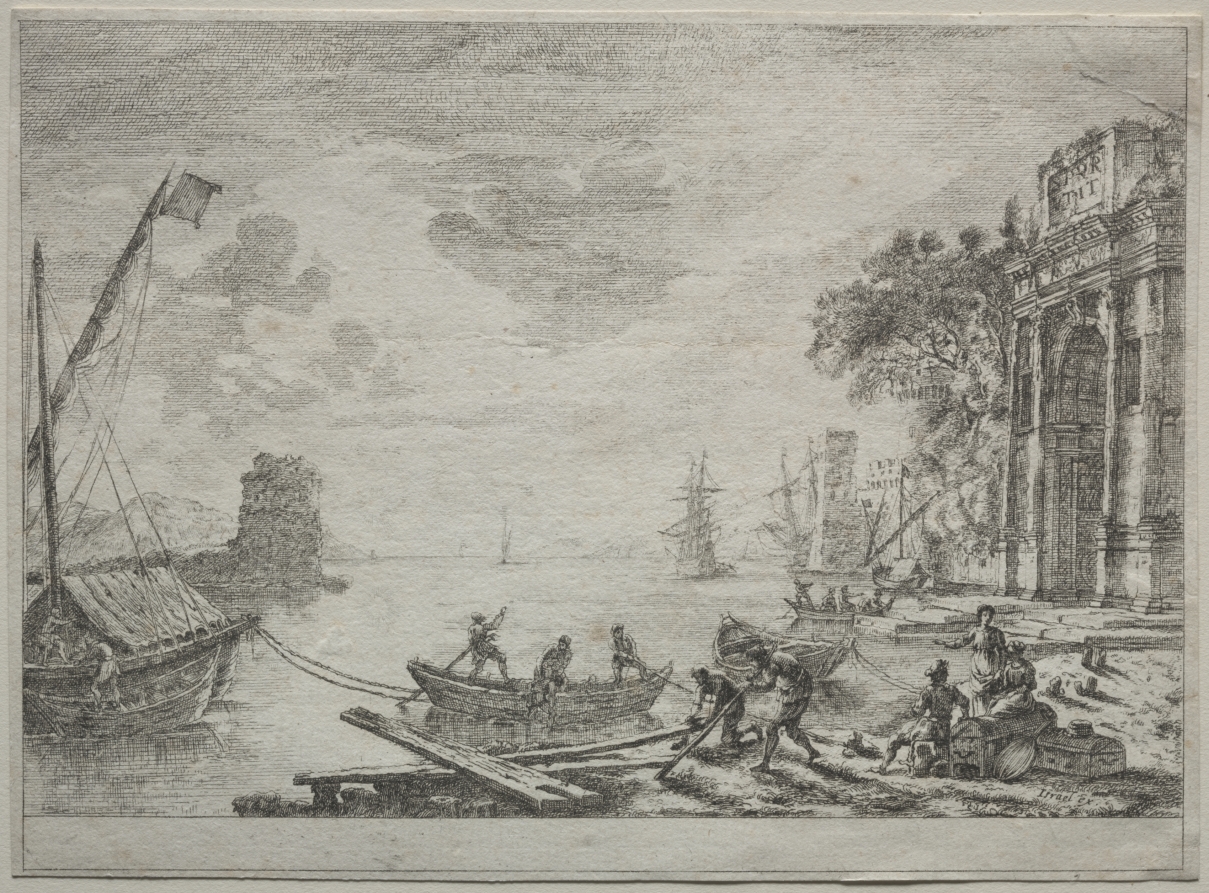 The Sunset
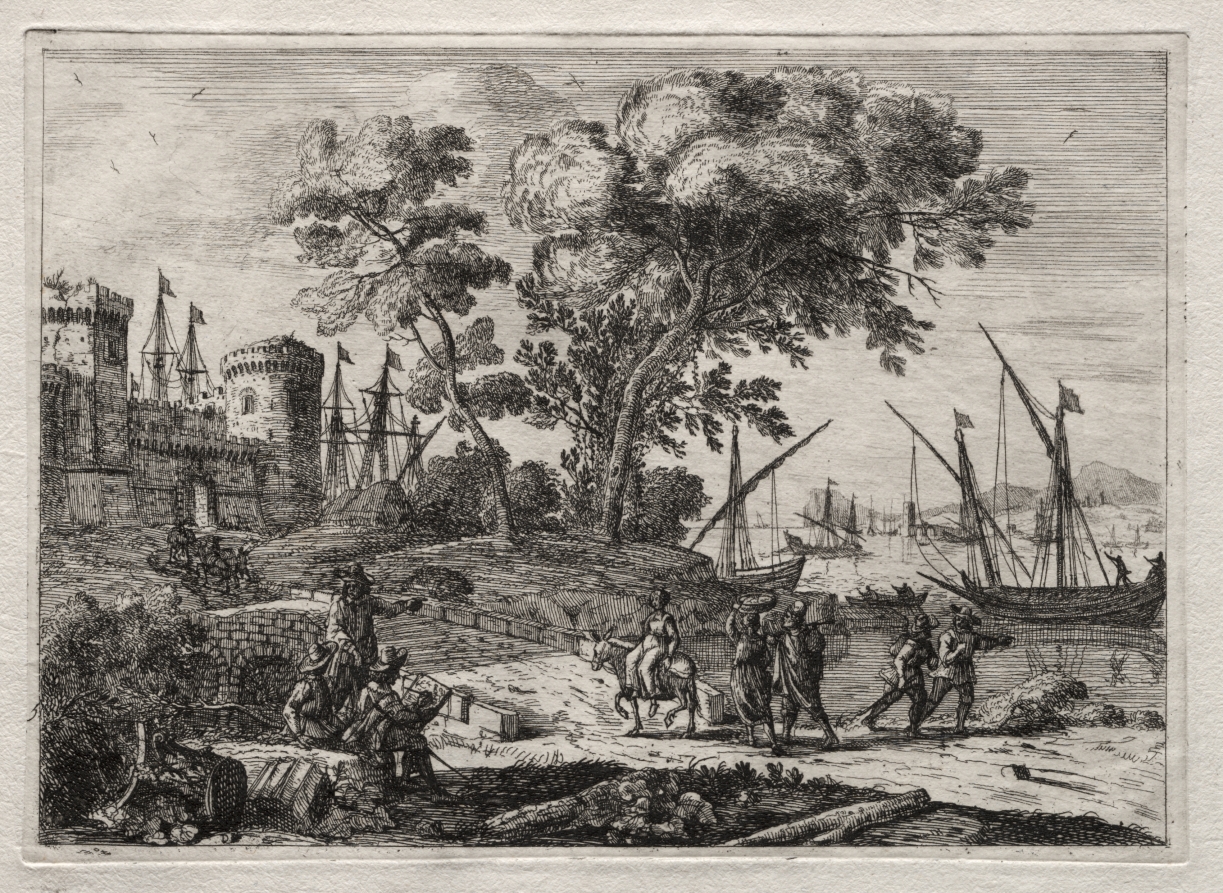 Claude Lorrain (French, 1604–1682) — The Draughtsman
 Reinier Nooms, called Zeeman — Merchant Ships
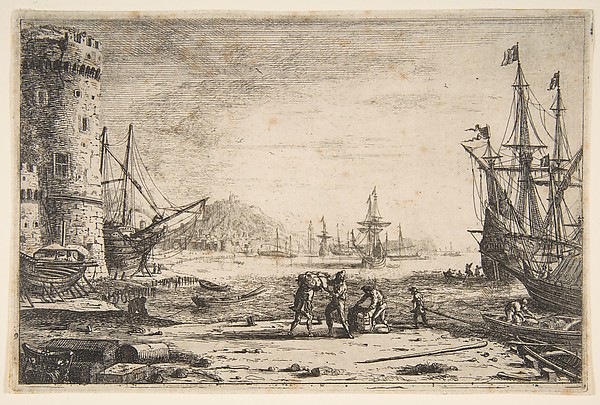 Claude Lorrain (Claude Gellée) — Harbour with a Large Tower
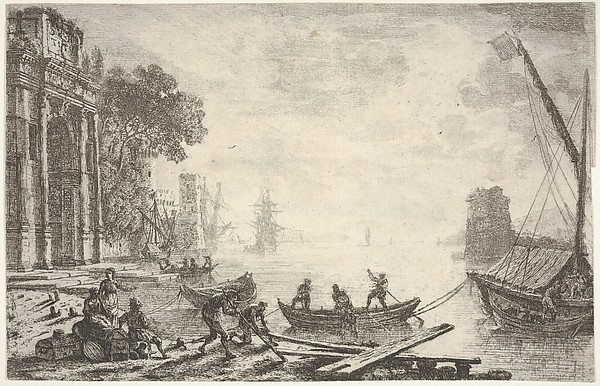 Claude Lorrain (Claude Gellée) — Harbor with rising sun, fig
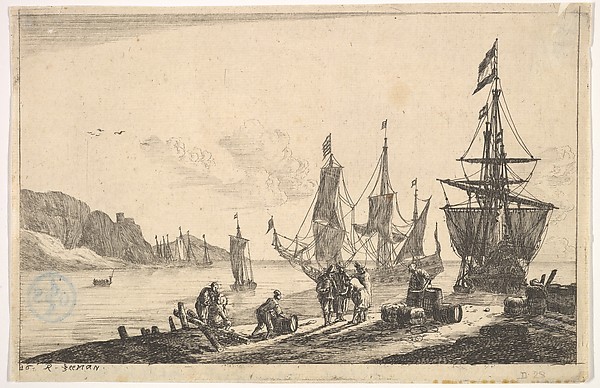 Reinier Nooms, called Zeeman — Bay with Sailing Vessels
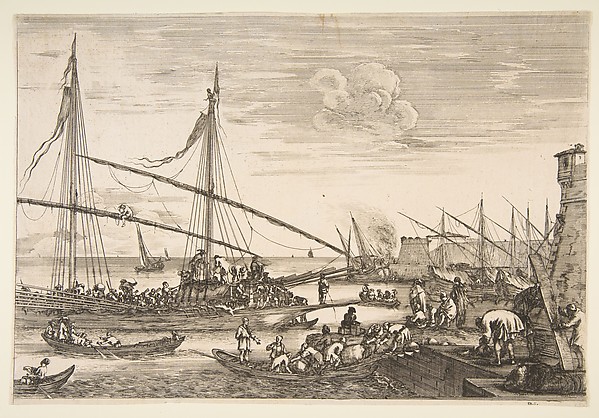 Stefano della Bella — View of the fortifications, two men li