In the collection of Cleveland Museum of Art, Cleveland — check current display status with the museum.
FROM THE CLEVELAND MUSEUM OF ART’S CATALOG
The precise narrative of Dürer’s Sea Monster remains a source of debate among scholars because locating the origin of this imagery in either classical or German mythology has been difficult. The engraving depicts a woman’s abduction by a horned mythical hybrid creature that has the torso of a man and the tail of a fish. Set before a detailed coastal landscape featuring Nuremberg castle, the woman’s companions across the river flail their arms in distress over her kidnapping. While it is clear that Dürer aimed to showcase his achievements in portraying a reclining female nude, her somewhat blasé appearance and lack of struggle add to the peculiarity of this image.
Be the first to share your thoughts.
Sign in to join the discussion.
 Albrecht Dürer — The Sea Monster
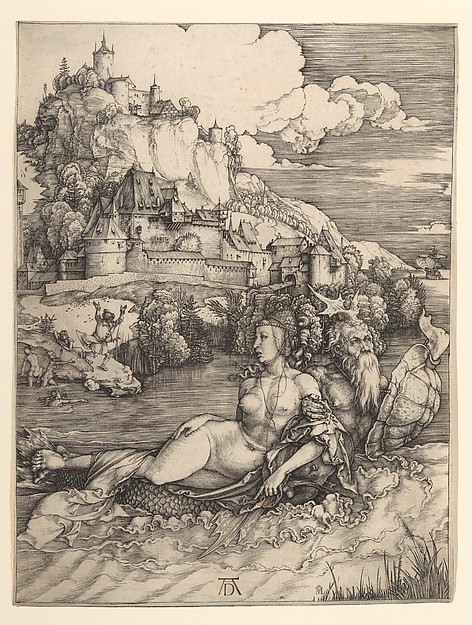 Albrecht Dürer — The Sea Monster (Das Meerwunder)
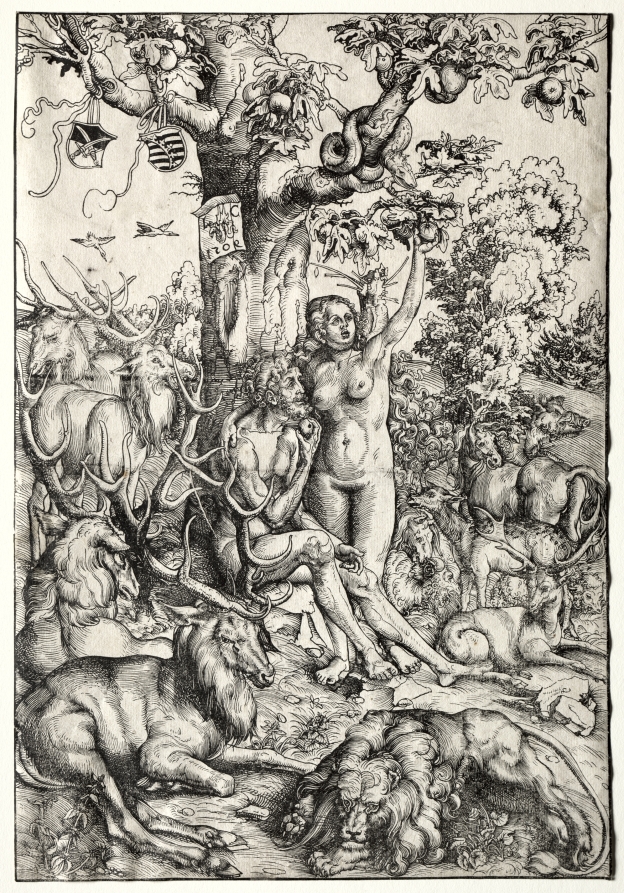 Lucas Cranach (German, 1472–1553) — Adam and Eve in Paradise
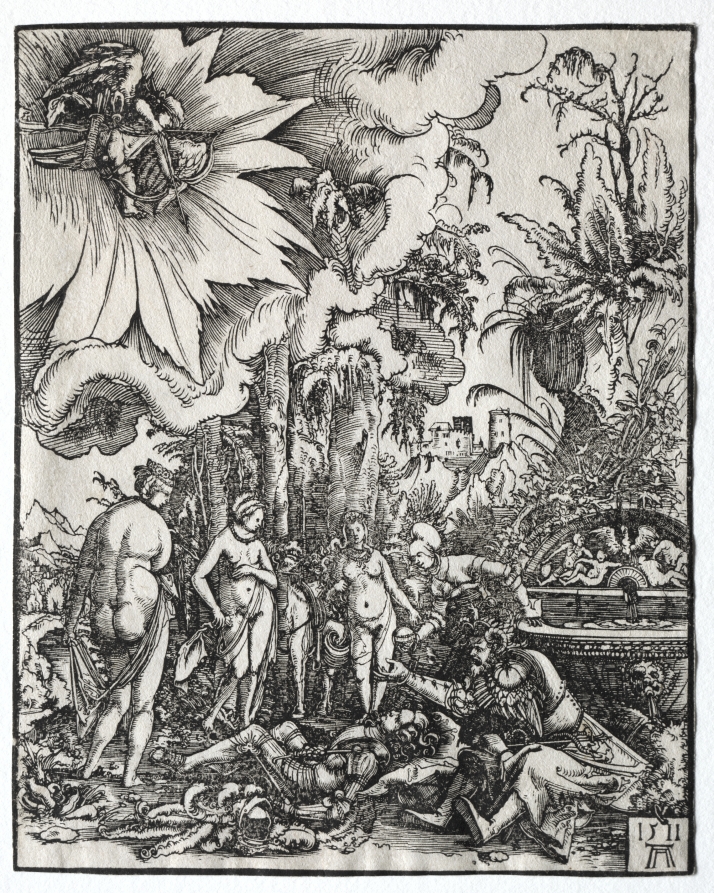 Albrecht Altdorfer (German, c. 1480–1538) — The Judgment of
 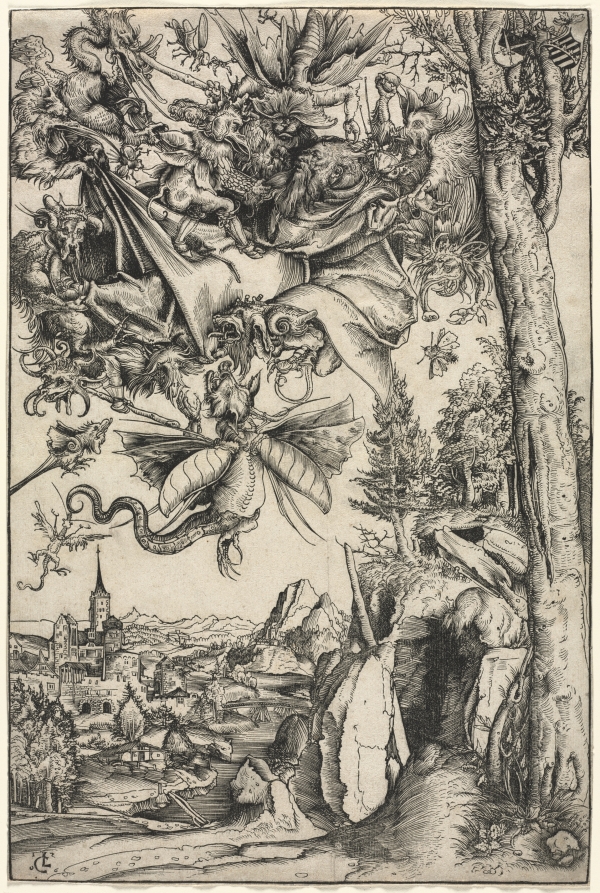 Lucas Cranach (German, 1472–1553) — The Temptation of St. An
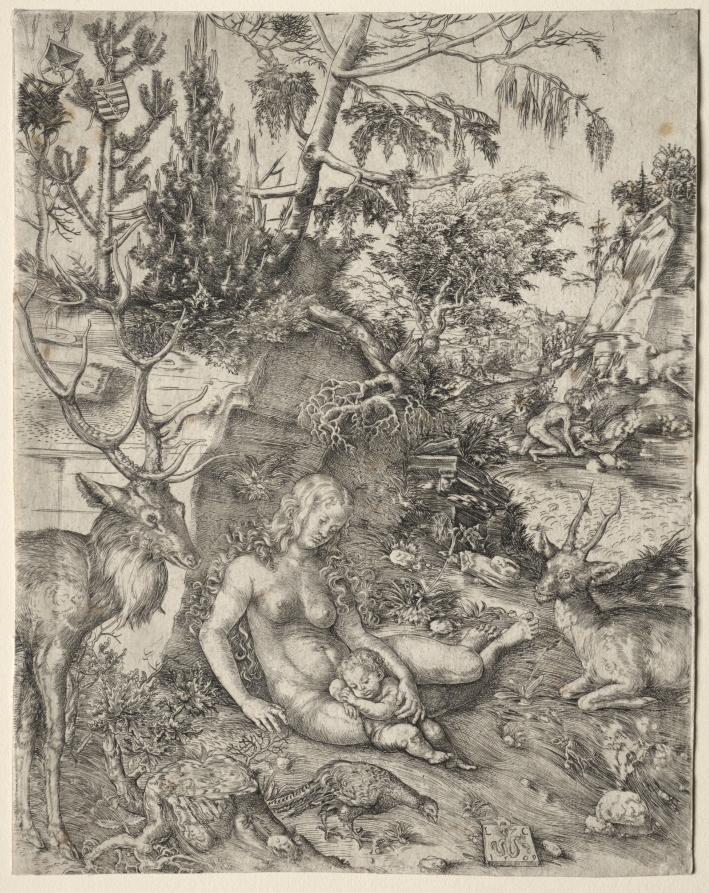 Lucas Cranach (German, 1472–1553) — The Penance of St. John
 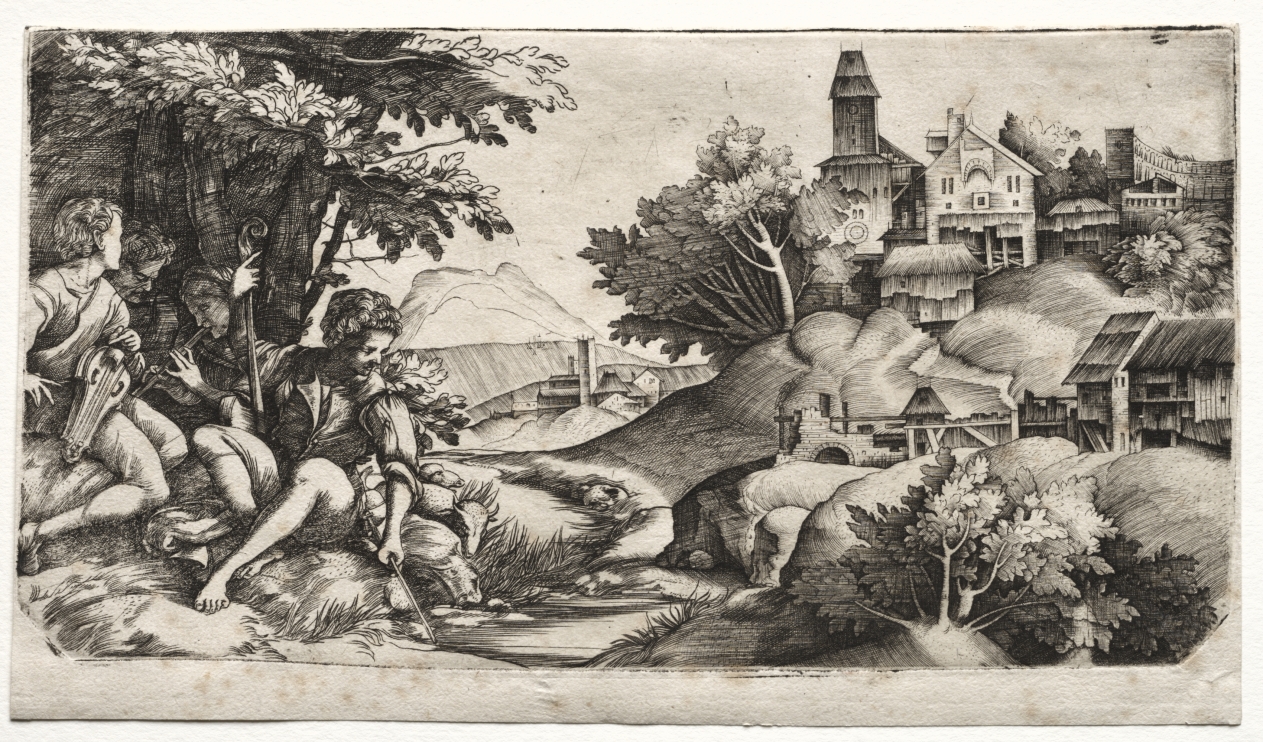 Giulio Campagnola (Italian, 1482–1515) — Shepherds in a Land
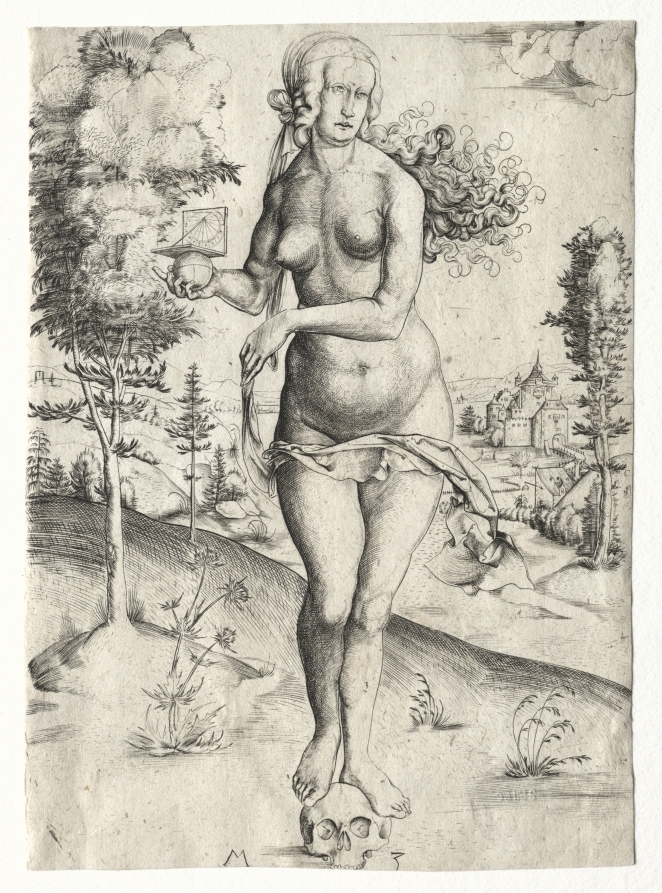 Master MZ (German) — Memento Mori
 Lucas Cranach the Elder — The Judgment of Paris
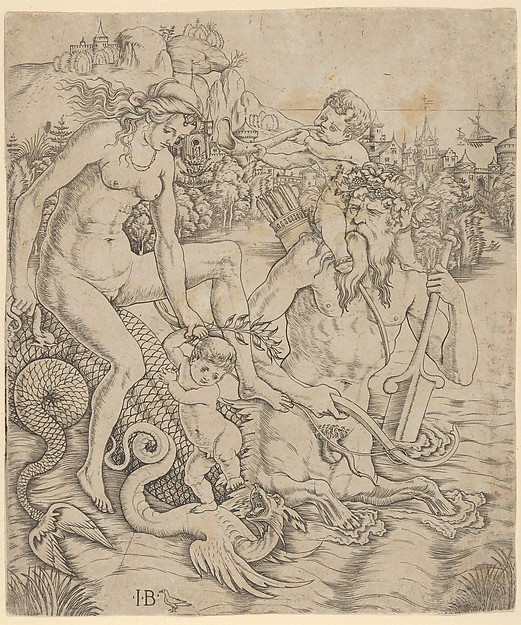 Giovanni Battista Palumba — A triton family in the sea, with
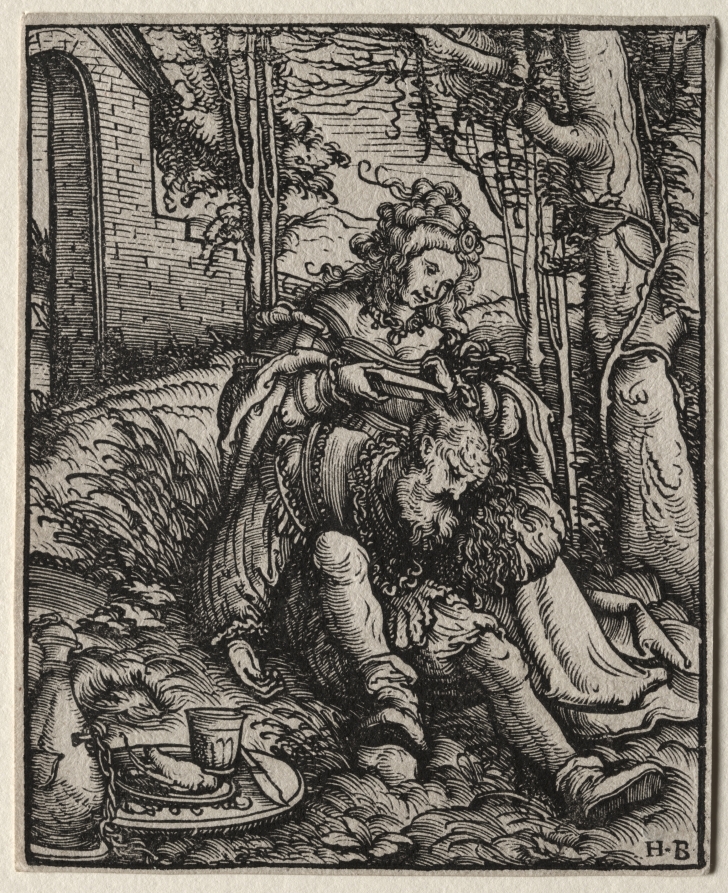 Hans Burgkmair (German, 1473–1531) — Samson and Delilah
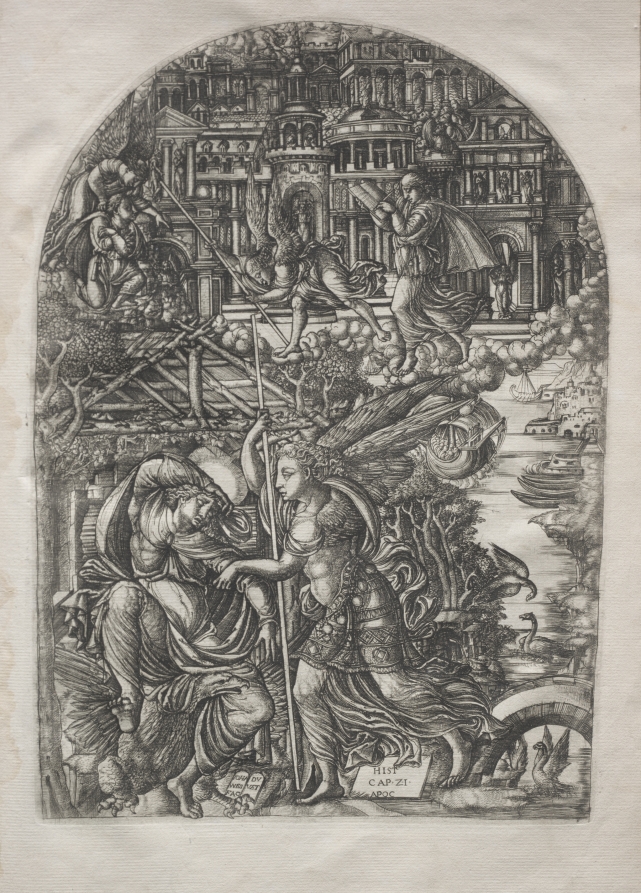 Jean Duvet (French, 1485–1561) — The Apocalypse: The Angel
![Madonna and Child [obverse]](https://api.nga.gov/iiif/878db7e6-10ae-4cae-ba5d-6d6f5c413ae8/full/!500,500/0/default.jpg)
![Lot and His Daughters [reverse]](https://api.nga.gov/iiif/7565a449-f82a-414b-9bda-c93f55a51b4d/full/!500,500/0/default.jpg)