In the collection of Cleveland Museum of Art, Cleveland — check current display status with the museum.
FROM THE CLEVELAND MUSEUM OF ART’S CATALOG
Dürer’s interest in mythological imagery stemmed from his familiarity with the Italian Renaissance. In this ambiguous engraving, Dürer depicted a satyr-a hybrid woodland creature typically associated with lust-in the role of father and family man. Instead of carousing in the forest, he plays music to his newborn child. Dürer’s play on the mother and child theme and the satyr’s unconventional fatherly behavior draws attention to a primal and simplified way of life. In contrast though, the group rests within an inhospitable dense forest where tops of trees are splintered and branches are dead, implying that the figures’ relaxed instinctual approach toward procreation and sexuality remains outside the bounds of Christian virtue.
Be the first to share your thoughts.
Sign in to join the discussion.
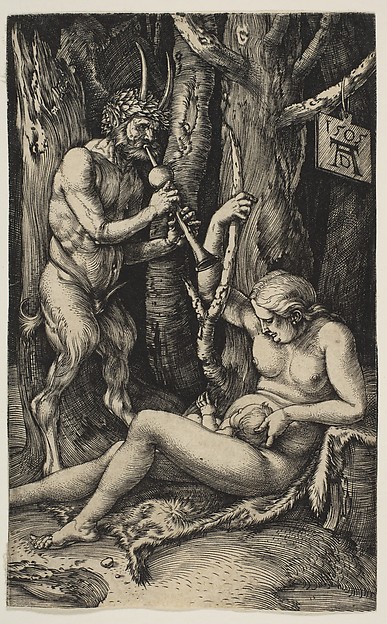 Albrecht Dürer — Satyr Family
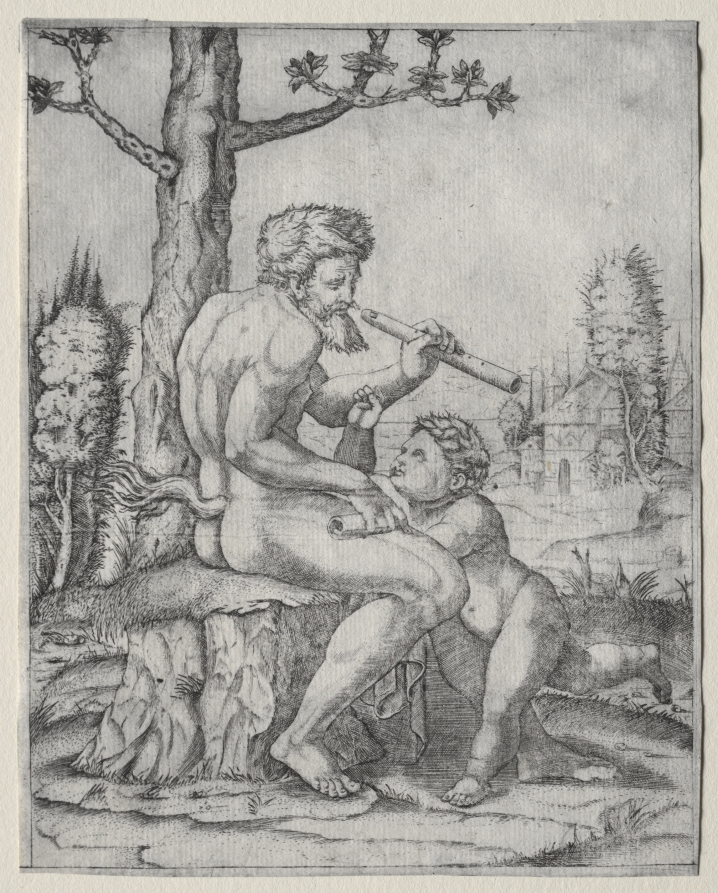 Marcantonio Raimondi (Italian, 1470/82–1527/34) — Faun and C
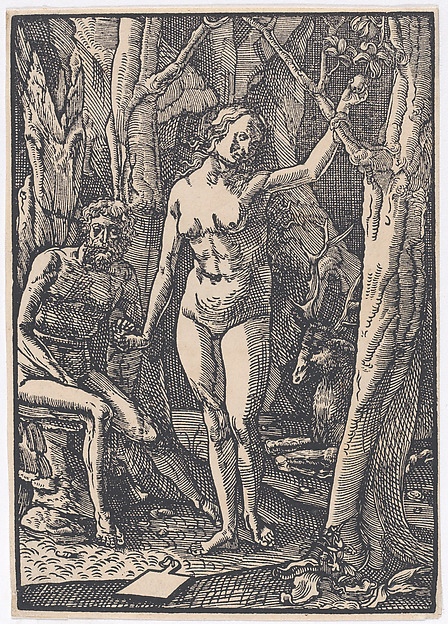 Ludwig Krug — The Fall of Man
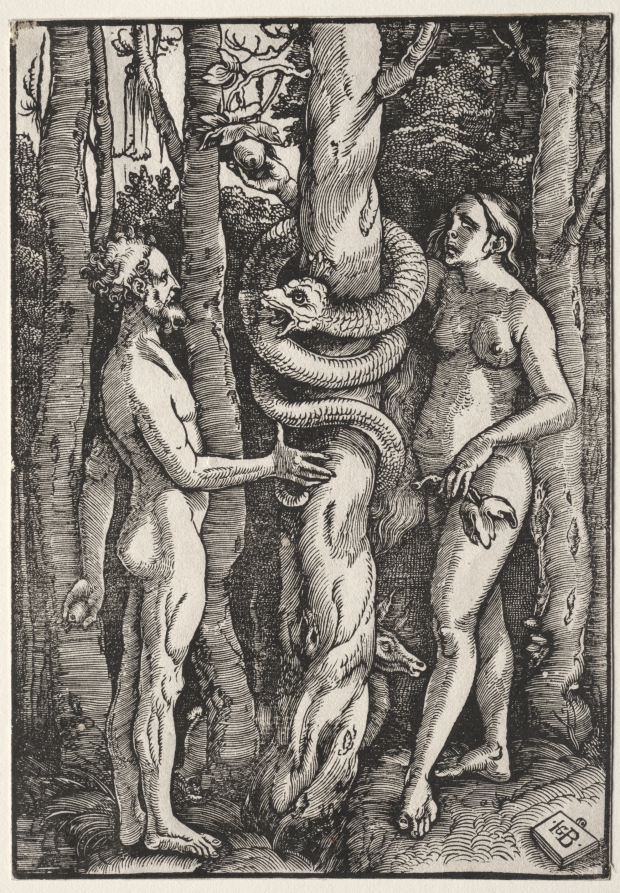 Hans Baldung (German, 1484/85–1545) — Adam and Eve
 Marcantonio Raimondi|Albrecht Dürer — Adam and Eve with appl
 Hans Baldung (called Hans Baldung Grien) — Adam and Eve
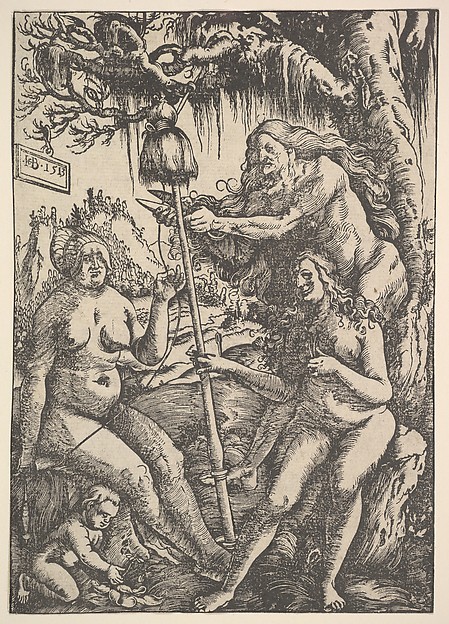 Hans Baldung (called Hans Baldung Grien) — The Three Fates:
 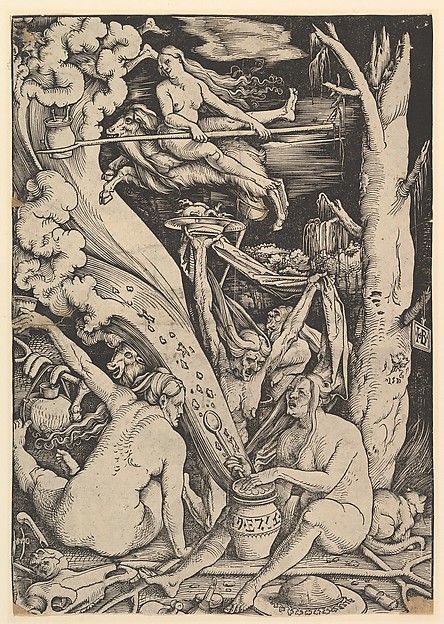 Hans Baldung (called Hans Baldung Grien) — The Witches
 Lucas Cranach the Elder — Adam and Eve in Paradise
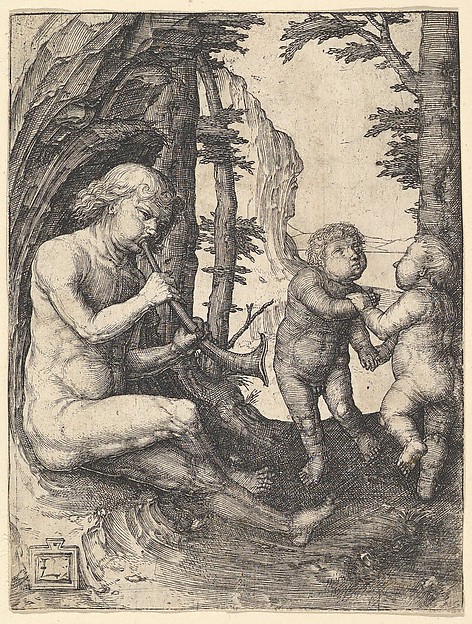 Lucas van Leyden — Boy with a Trumpet
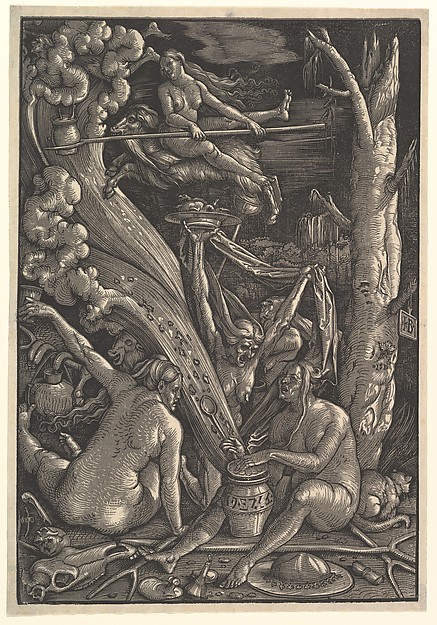 Hans Baldung (called Hans Baldung Grien) — The Witches
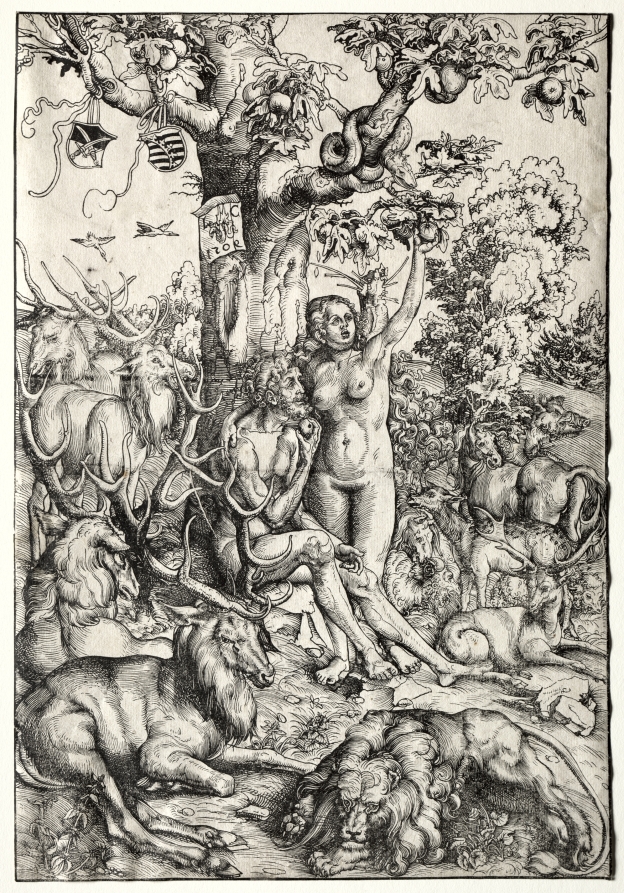 Lucas Cranach (German, 1472–1553) — Adam and Eve in Paradise
![Madonna and Child [obverse]](https://api.nga.gov/iiif/878db7e6-10ae-4cae-ba5d-6d6f5c413ae8/full/!500,500/0/default.jpg)
![Lot and His Daughters [reverse]](https://api.nga.gov/iiif/7565a449-f82a-414b-9bda-c93f55a51b4d/full/!500,500/0/default.jpg)