In the collection of Cleveland Museum of Art, Cleveland — check current display status with the museum.
FROM THE CLEVELAND MUSEUM OF ART’S CATALOG
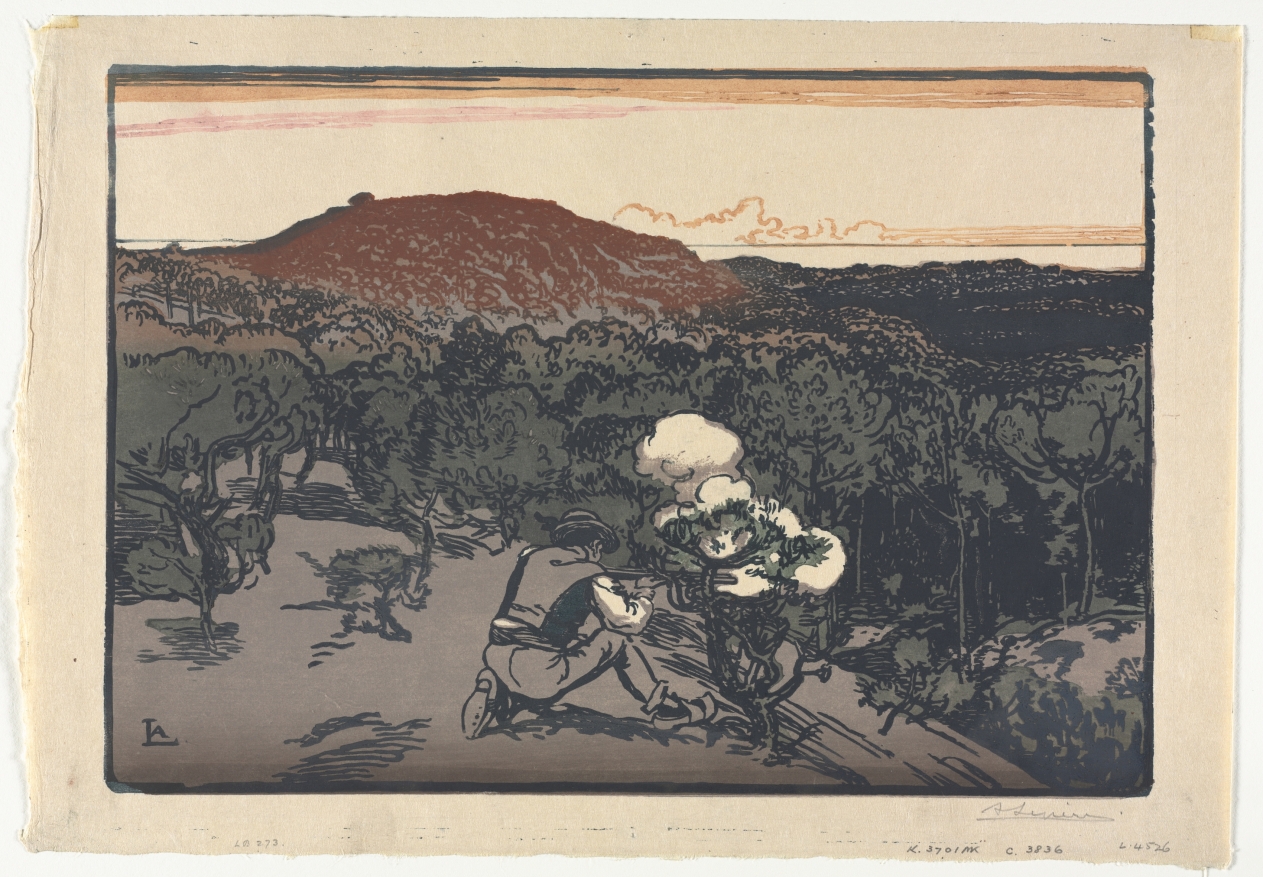
Paris underwent a dramatic redesign beginning in the mid-1800s, resulting in its distinctive appearance today but also in the displacement of residents who worked—but could not afford to live—in the city. In this print, Auguste Lepère presented the “zone,” an area on Paris’s periphery where its most economically disadvantaged and disenfranchised inhabitants lived, including some laundresses. Lepère’s image features a laundry line as the singular domestic touch within an otherwise surreal landscape, part of the city but seemingly rural. The inhabitants of the zone used open land to construct makeshift homes without modern amenities, so that they could subsist on the low wages offered by their urban employment.
Be the first to share your thoughts.
Sign in to join the discussion.
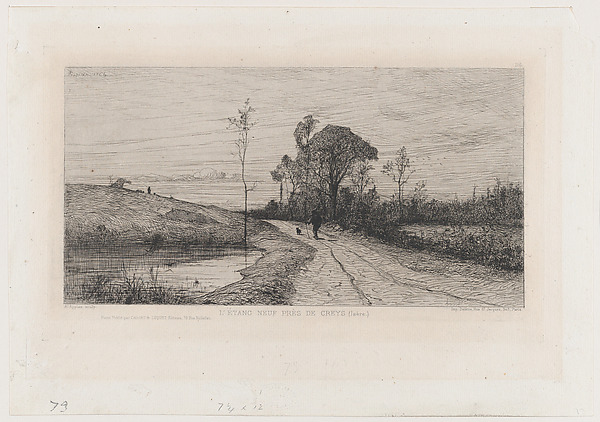 Adolphe Appian — The New Pond Near Creys (Isère)
 Georges Michel — Landweg tussen muren
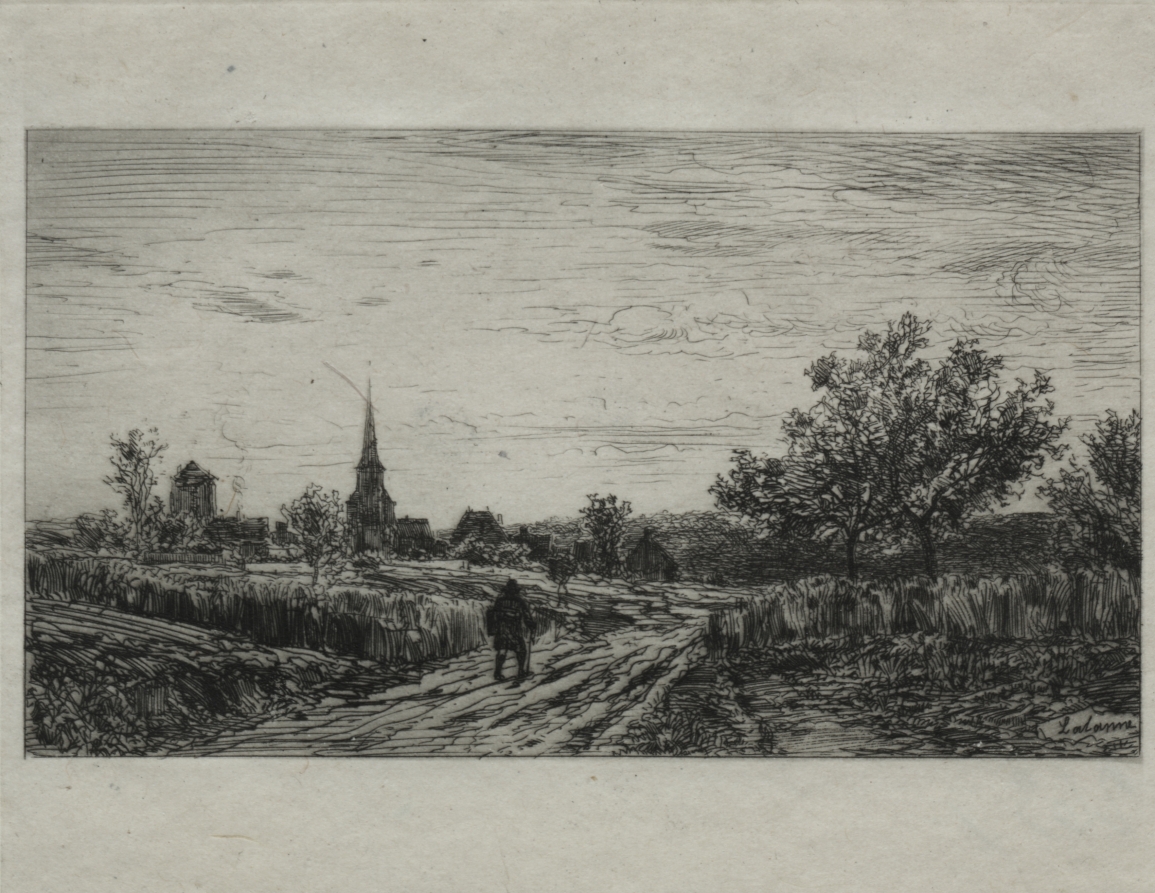 Maxime Lalanne (French, 1827–1886) — Landscape, Evening (Ret
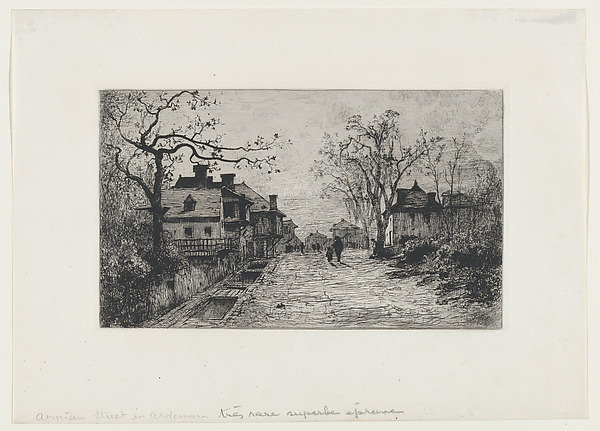 Adolphe Appian — Village Street in Artemare (Ain)
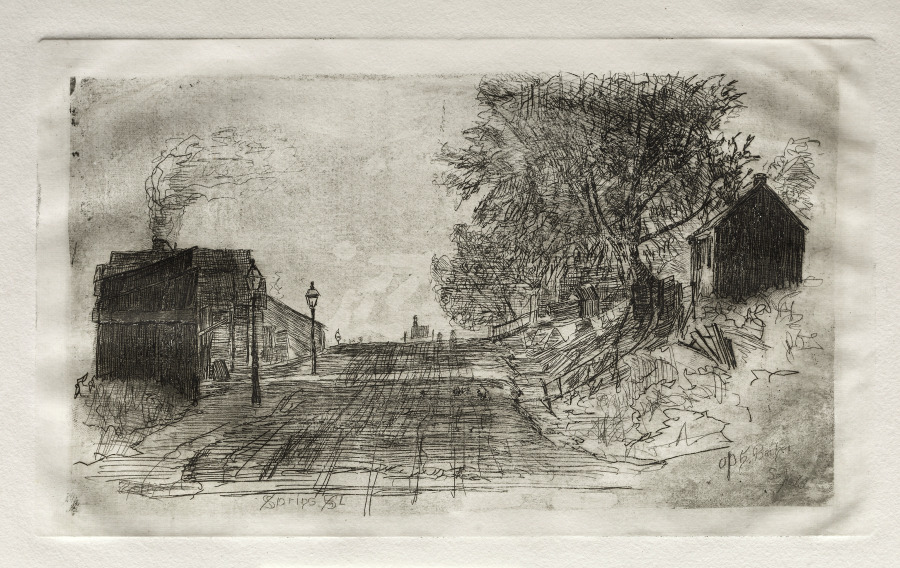 Otto H. Bacher (American, 1856–1909) — Spring Street, Septem
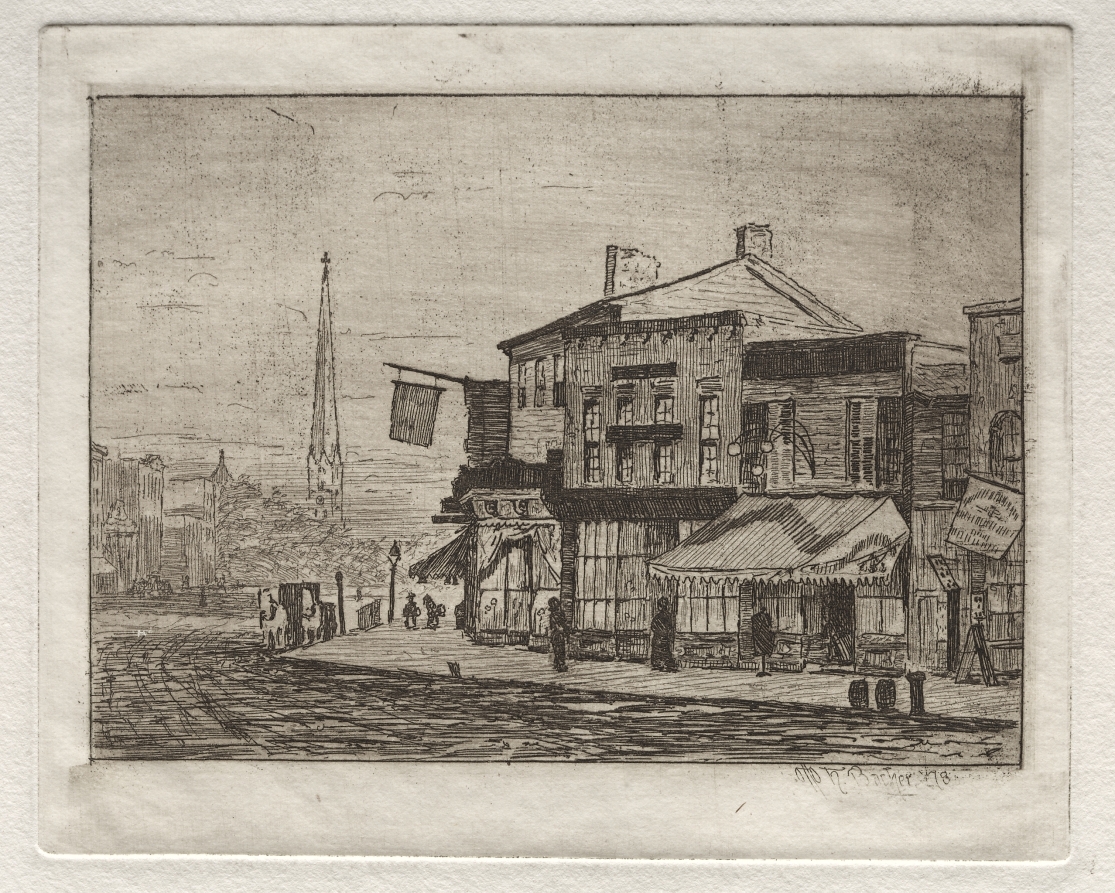 Otto H. Bacher (American, 1856–1909) — Cleveland, Woodland A
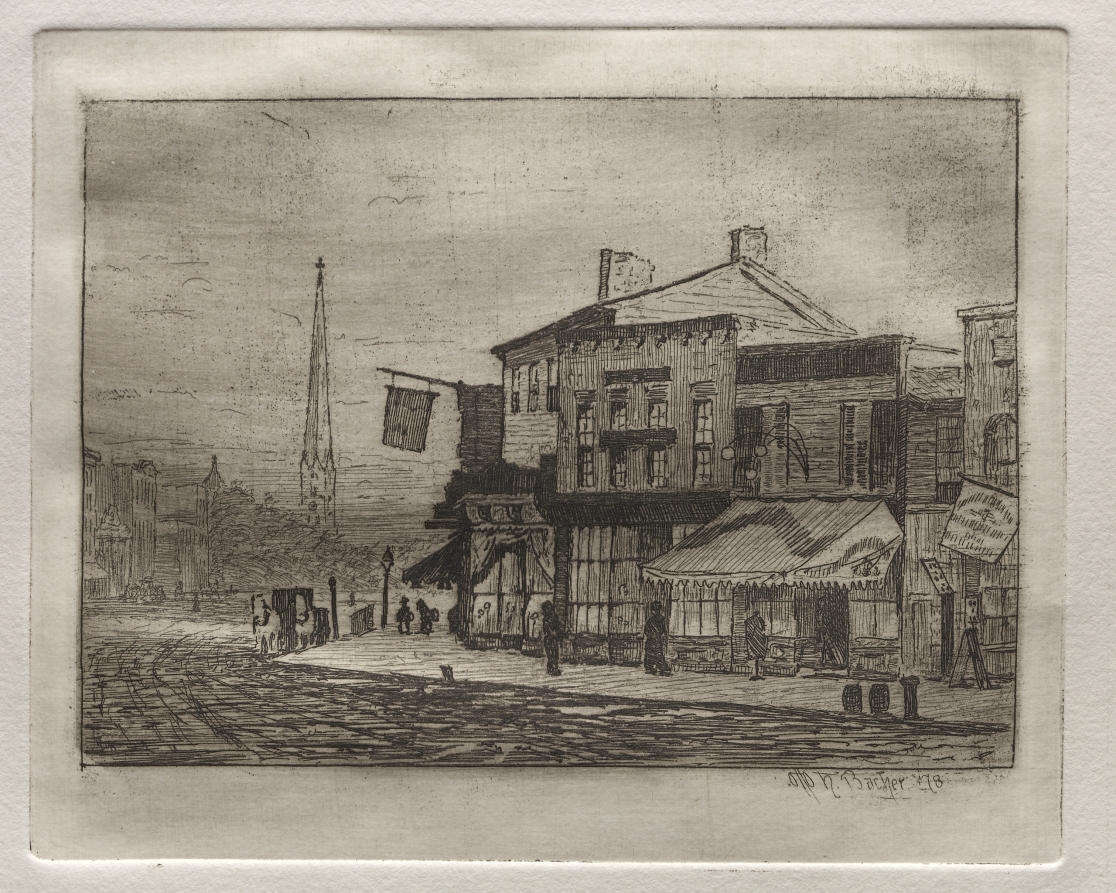 Otto H. Bacher (American, 1856–1909) — Eagle Street and Wood
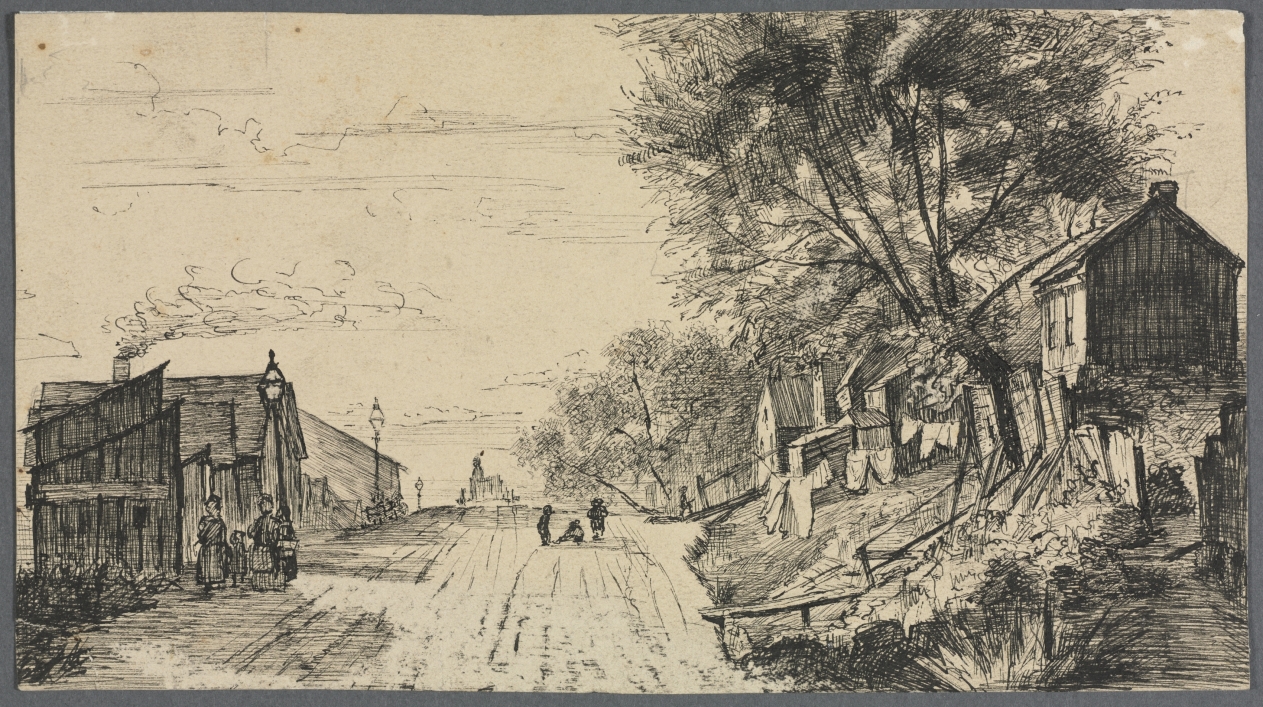 Otto H. Bacher (American, 1856–1909) — Spring Street, Clevel
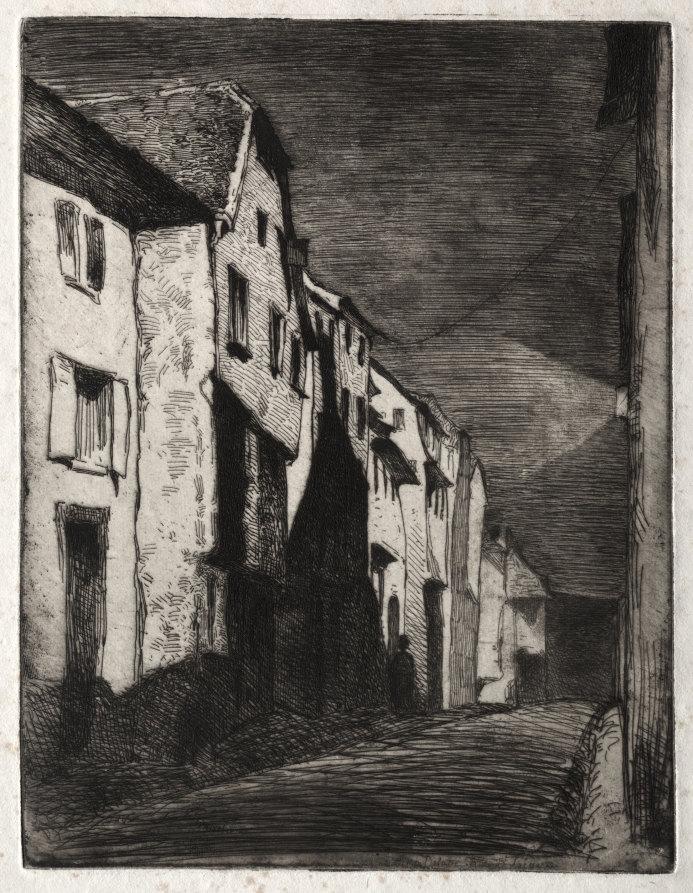 James McNeill Whistler (American, 1834–1903) — Twelve Etchin
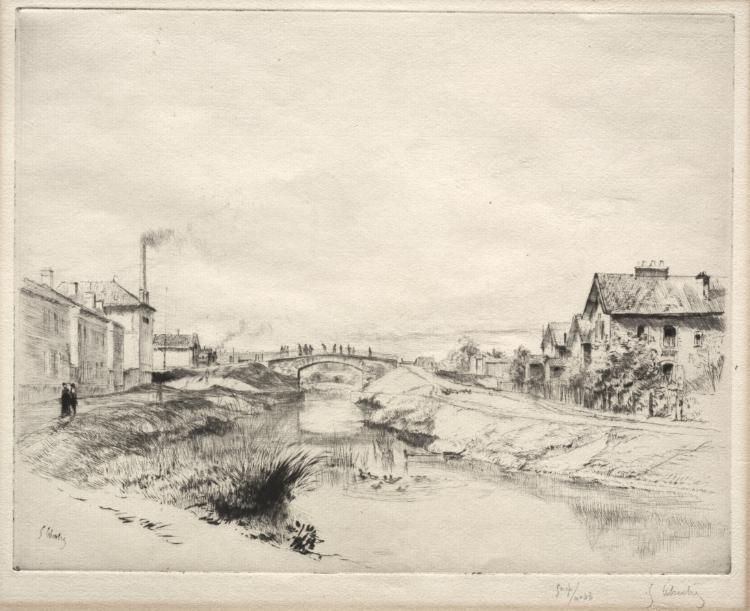 Gustave Leheutre (French, 1861–1932) — Industrial Section, T
 James McNeill Whistler — Landscape with the Horse (Landscape
 James McNeill Whistler — "The Swan," Chelsea (The Old Swan B