FROM THE CLEVELAND MUSEUM OF ART’S CATALOG
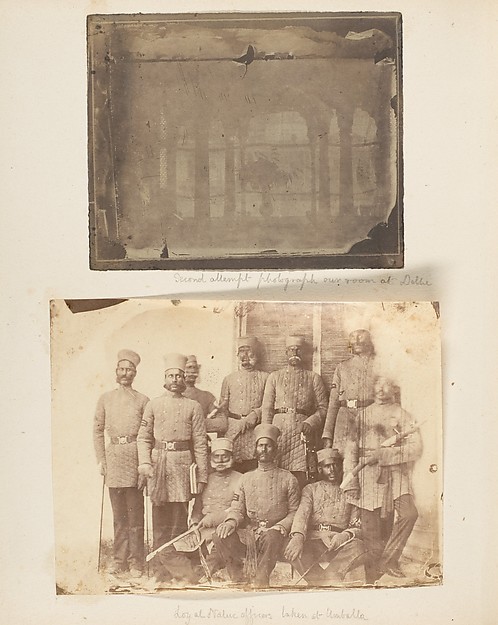
In state and military portraits, people seated in chairs and in the middle are generally of the highest rank. Amid these Indian soldiers sits a lone British officer. The Bhopal Battalion had seen combat just six years earlier during the Second Anglo-Afghan War, helping to keep Afghanistan a British-friendly buffer against Russia’s desire to expand into India. This detachment includes a number of Sikhs, identifiable by their neatly trimmed beards and turbans that cover their ears. Members of that religious group were avidly recruited by the British Indian Army due to their reputed ferocity and courage in battle.
Source ↗︎
Be the first to share your thoughts.
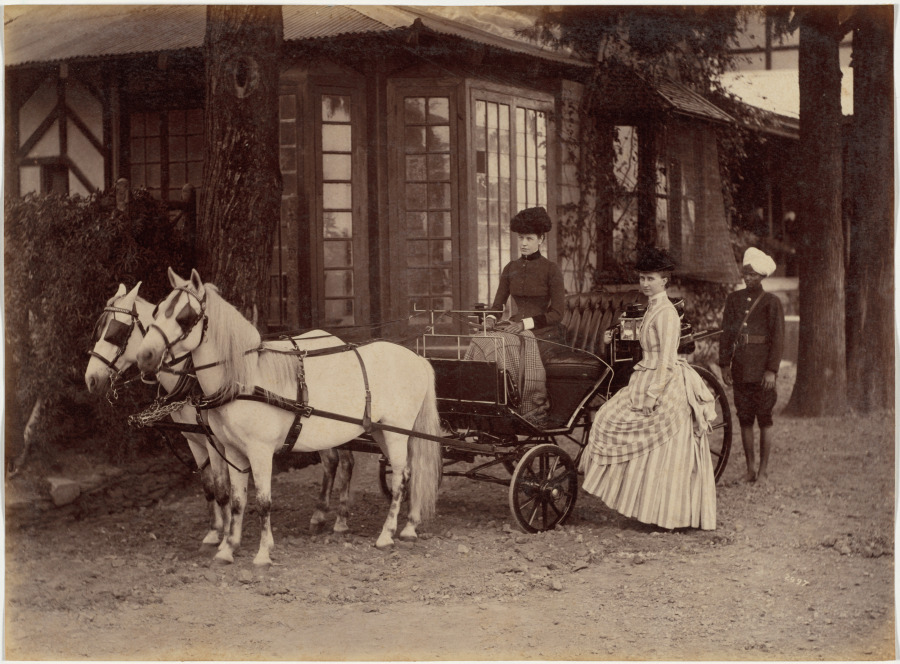 Mrs. and Miss Lyall, Shimla
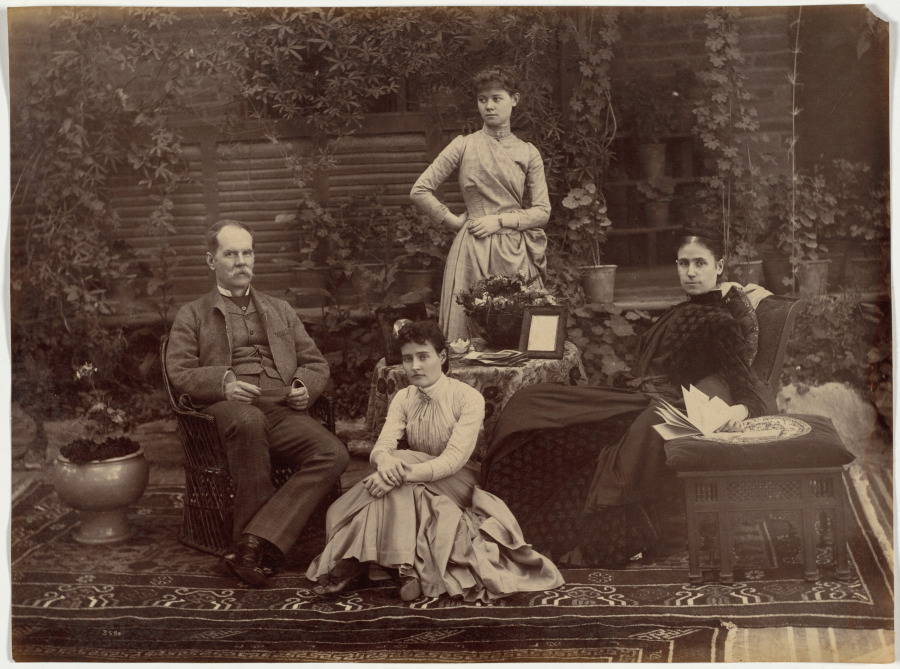 Sir Auckland Colvin and Family, Shimla
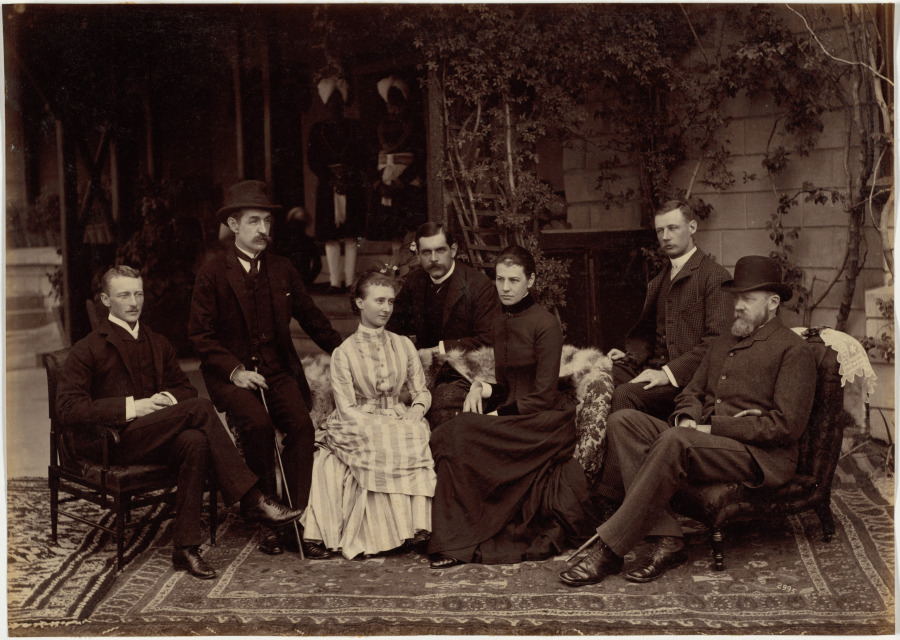 His Honor The Lieutenant Governor of the Punjab and Party, S
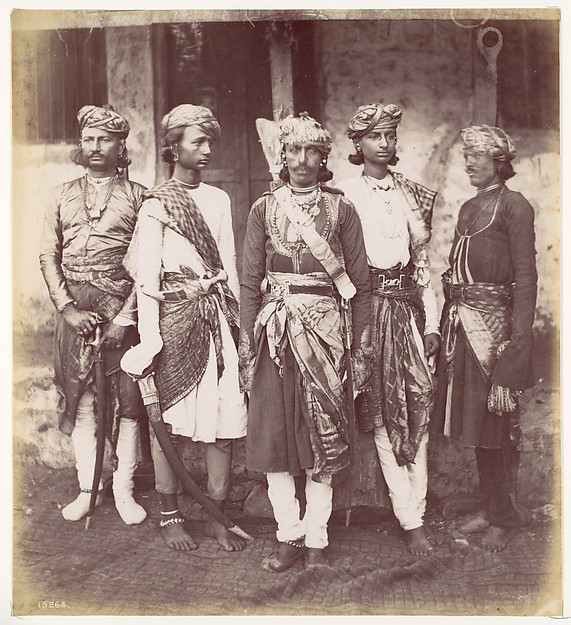
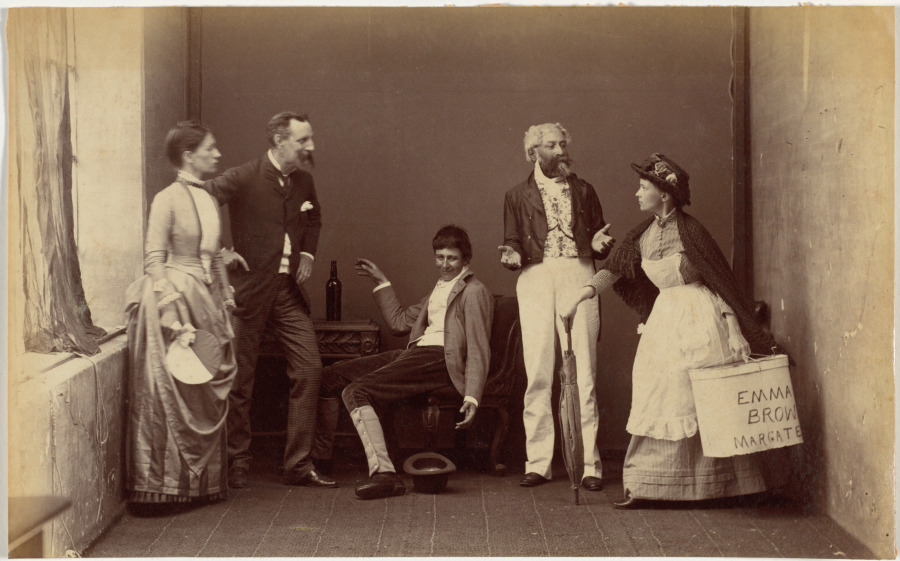 Fancy Group, Indore I
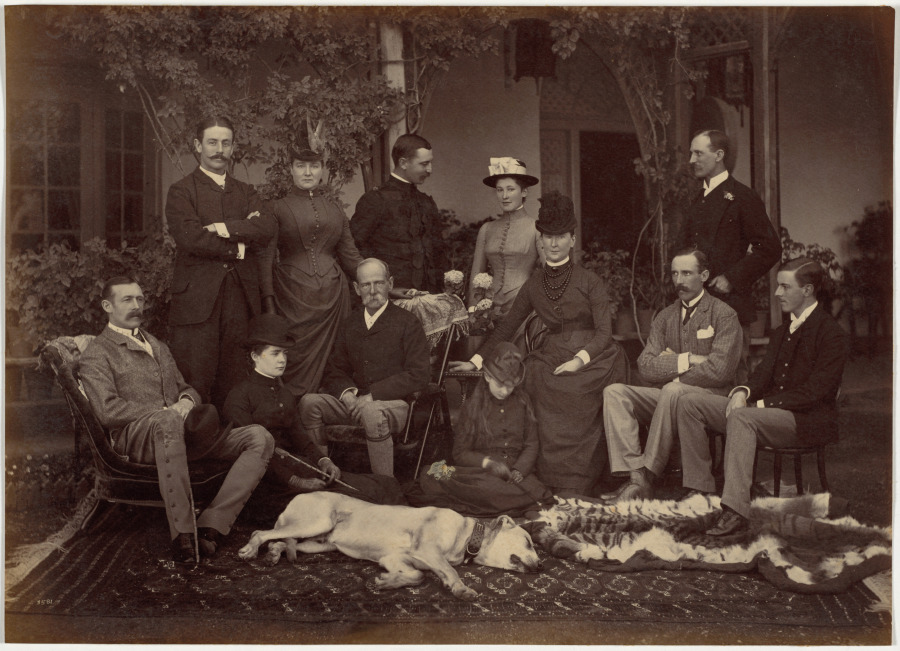 His Eminence Commander in Chief and Party, Shimla
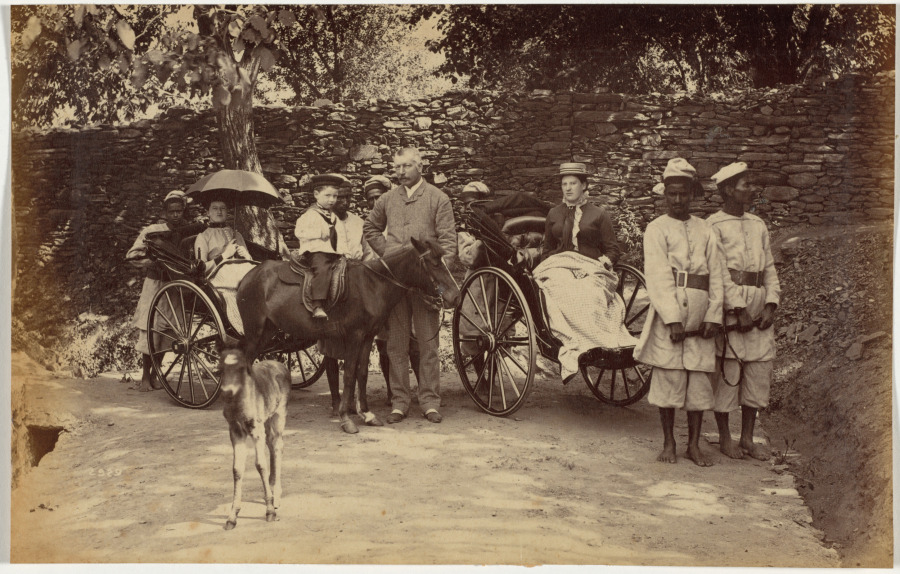 Colonel F. G. Oldham, Shimla
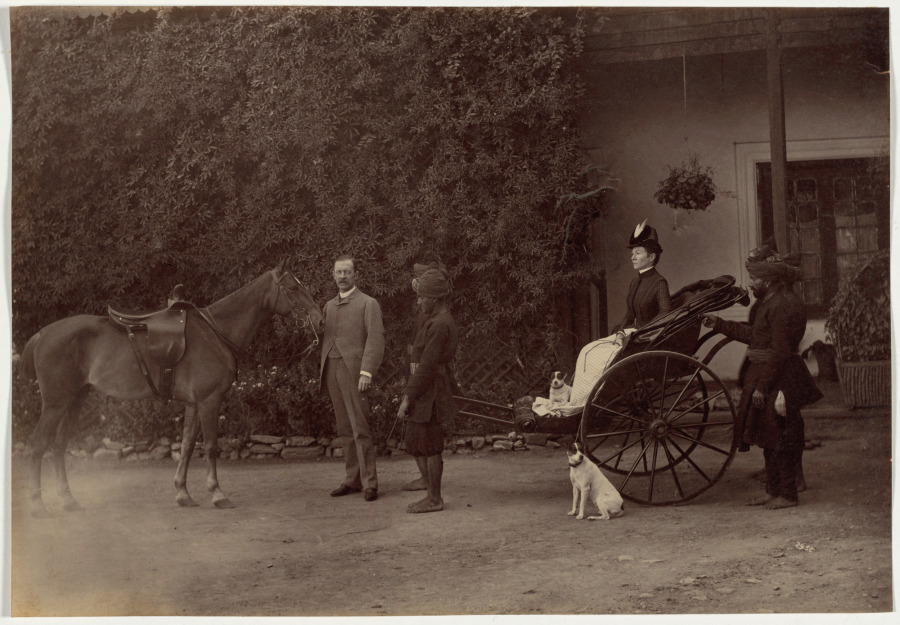 Colonel H.R. Thuillier and His Wife Emmeline Williams Thuill
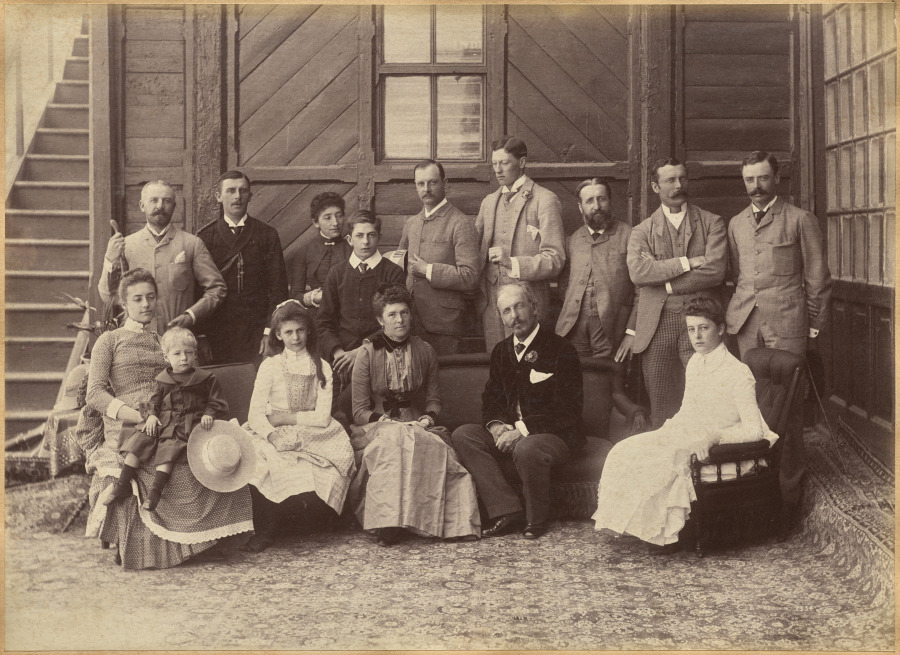 Viceregal Party Shimla (verso)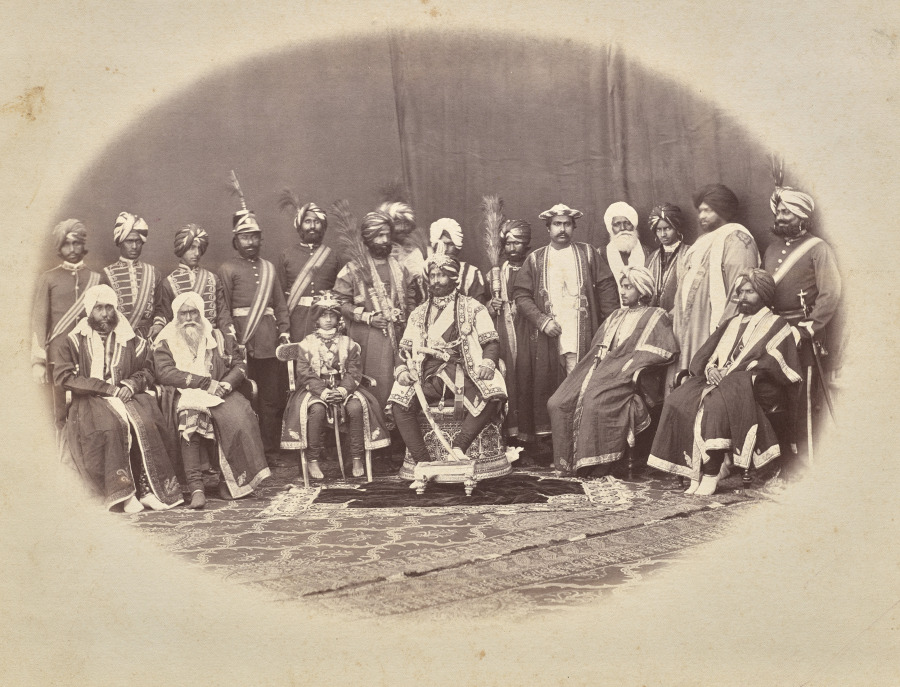
![[Governor General's Body Guard]](https://images.metmuseum.org/CRDImages/ph/web-large/DP146146.jpg)
![[Zouaves, Camp de Châlons]](https://images.metmuseum.org/CRDImages/ph/web-large/DP274836.jpg)
![[Four East Indian Men]](https://images.metmuseum.org/CRDImages/ph/web-large/DP116353.jpg)