A Camel
1646
Black chalk and brush and black wash, with touches of brown and ochre chalk, on ivory laid paper
20.4 × 31.3 cm (8 × 12.3 in)
SEE IT IN PERSON
Not currently on view
In the collection of Art Institute of Chicago, Chicago · as of July 2026
Discussion
FROM THE ART INSTITUTE OF CHICAGO’S CATALOG
Although foreign to Europe, camels and other non-native animals were sometimes displayed as curiosities on the continent. Cornelis Saftleven recorded one such rare encounter, capturing the animal’s fur by using a combination of black, brown, and ocher chalk, in some areas (the head and haunches) wetting the media to create denser passages in contrast to the dryer, more disperse use of chalk elsewhere. The addition of ink wash added further shading to suggest the volumes of the camel’s body.
Be the first to share your thoughts.
Sign in to join the discussion.
More by Cornelis Saftleven



More like this
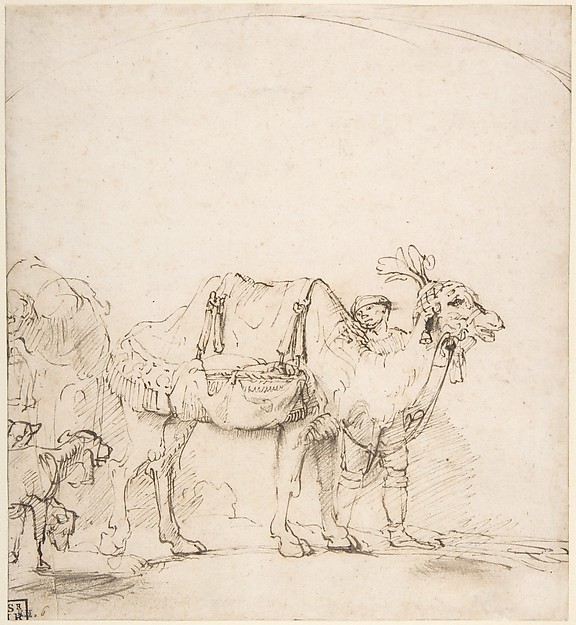 Rembrandt (Rembrandt van Rijn) — Man Leading a Camel
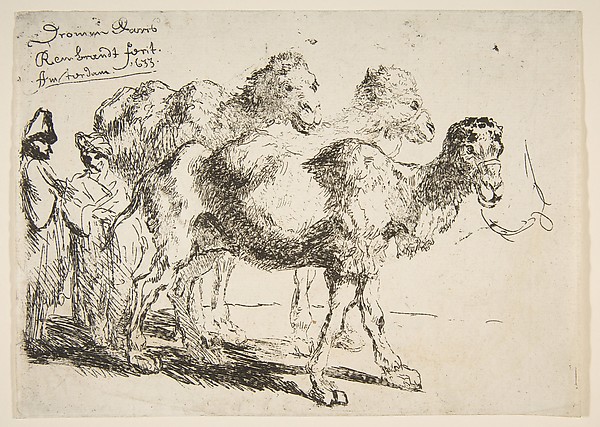 Rembrandt (Rembrandt van Rijn) — Three Dromedaries
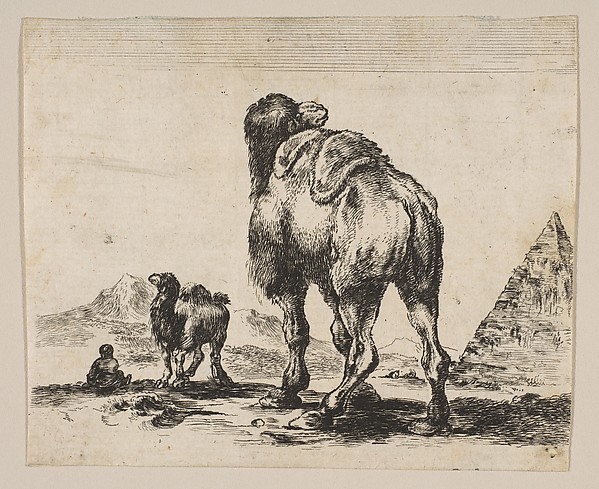 Stefano della Bella — Plate 18: Camel viewed from behind wit
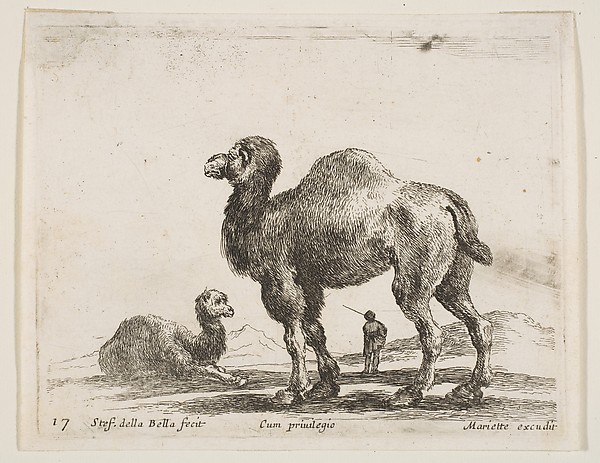 Stefano della Bella|Pierre Mariette — Camels, plate 17 from
 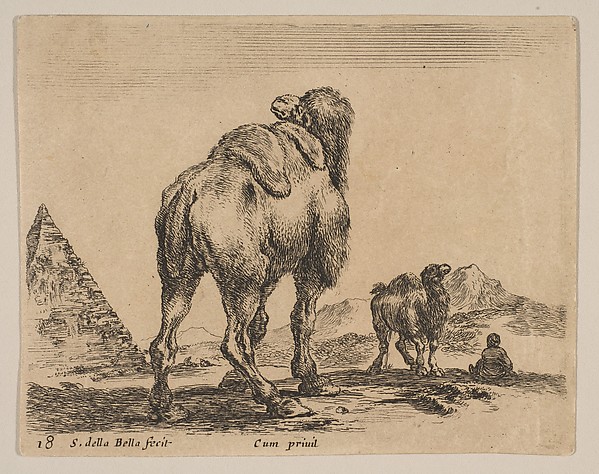 Stefano della Bella|Pierre François Basan — Plate 18: Camel
 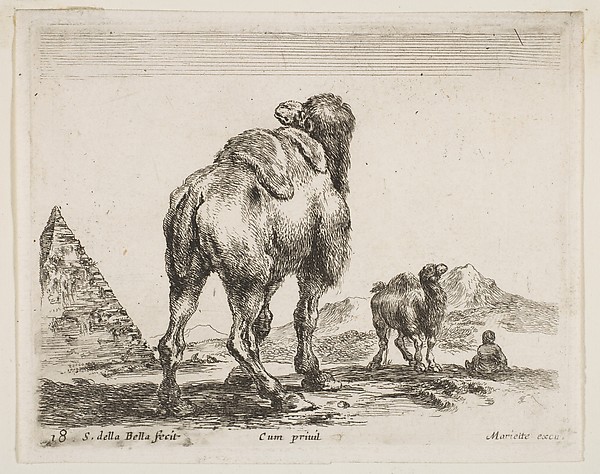 Stefano della Bella|Pierre Mariette — Camel viewed from behi
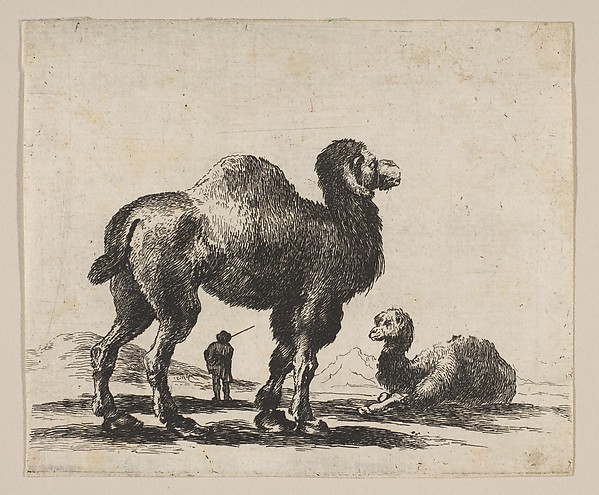 Stefano della Bella — Plate 17: Camels, from "Various animal
 Johann Adam Klein — Dromedary and Camel
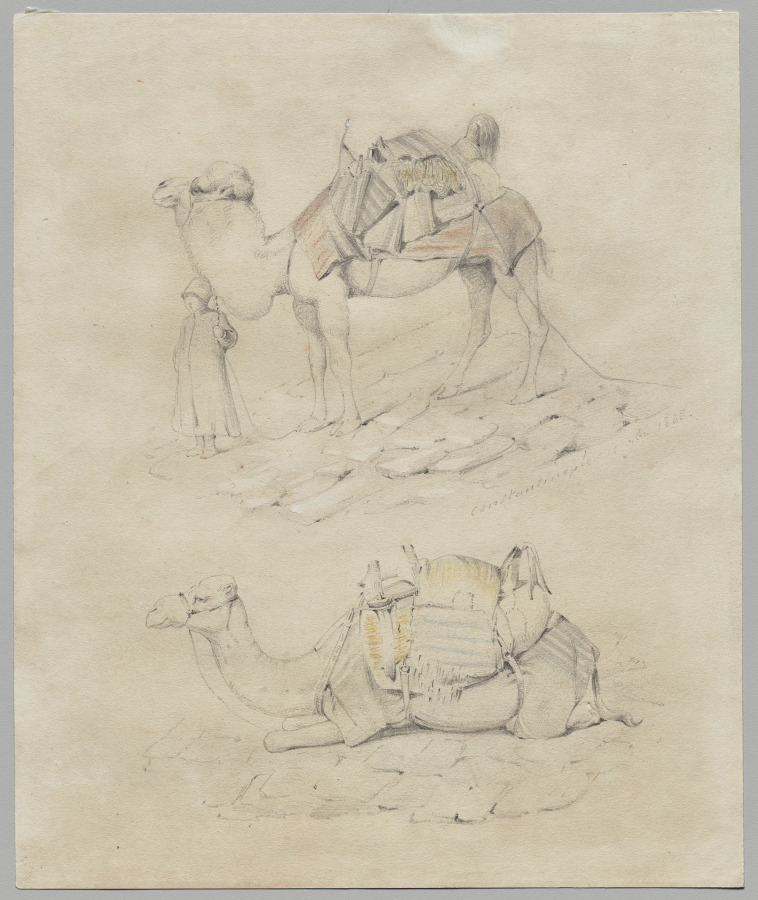 Study of Camels
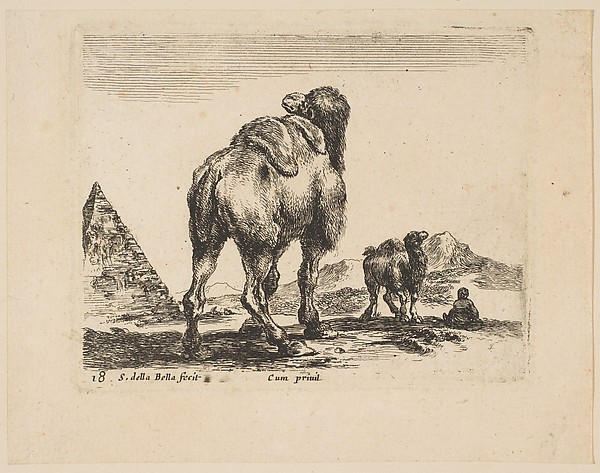 Stefano della Bella|Pierre François Basan — Plate 18: camel
  Giovanni Battista Foggini (Italian, 1652–1725) — Study of a
  Stefano della Bella|Nicolas Langlois — A Polish nobleman, fa