Prison Scene
n.d.
Pen and black ink, with brush and black wash, over traces of black chalk, on ivory laid paper
26.2 × 36.3 cm (10.3 × 14.3 in)
SEE IT IN PERSON
Not currently on view
In the collection of Art Institute of Chicago, Chicago · as of July 2026
Discussion
Be the first to share your thoughts.
Sign in to join the discussion.
More by Vincenzo dal Re
More like this
 Tomás López Enguidanos|Calcografía Real, Madrid|José Gómez N
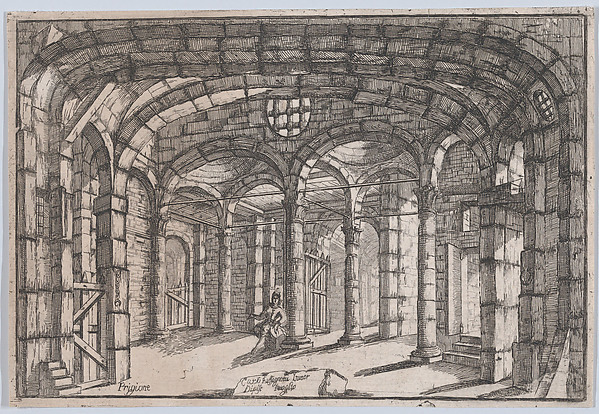 Carlo Antonio Buffagnotti — Interior of a prison in which si
 Ludovico Ottaviano Burnacini|Giacomo-Maria Giovannini — Thea
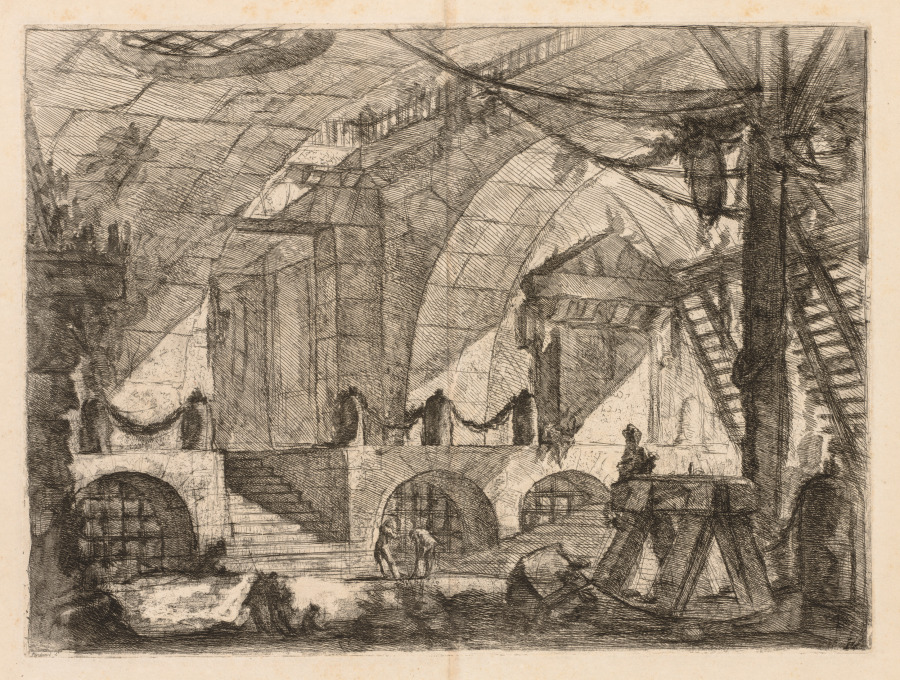 Giovanni Battista Piranesi (Italian, 1720–1778) — The Prison
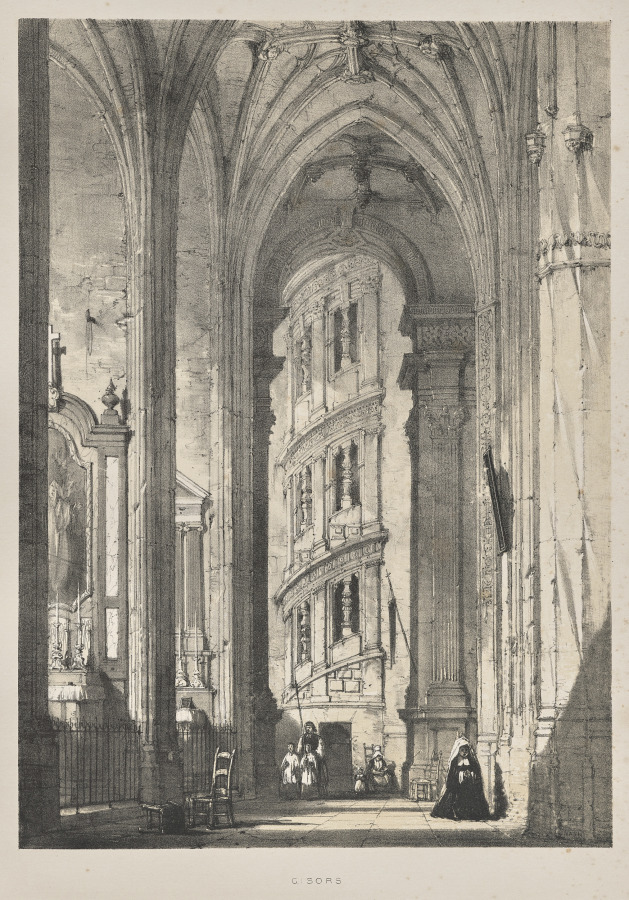 Joseph Nash (British, 1808–1878) — Architecture of the Middl
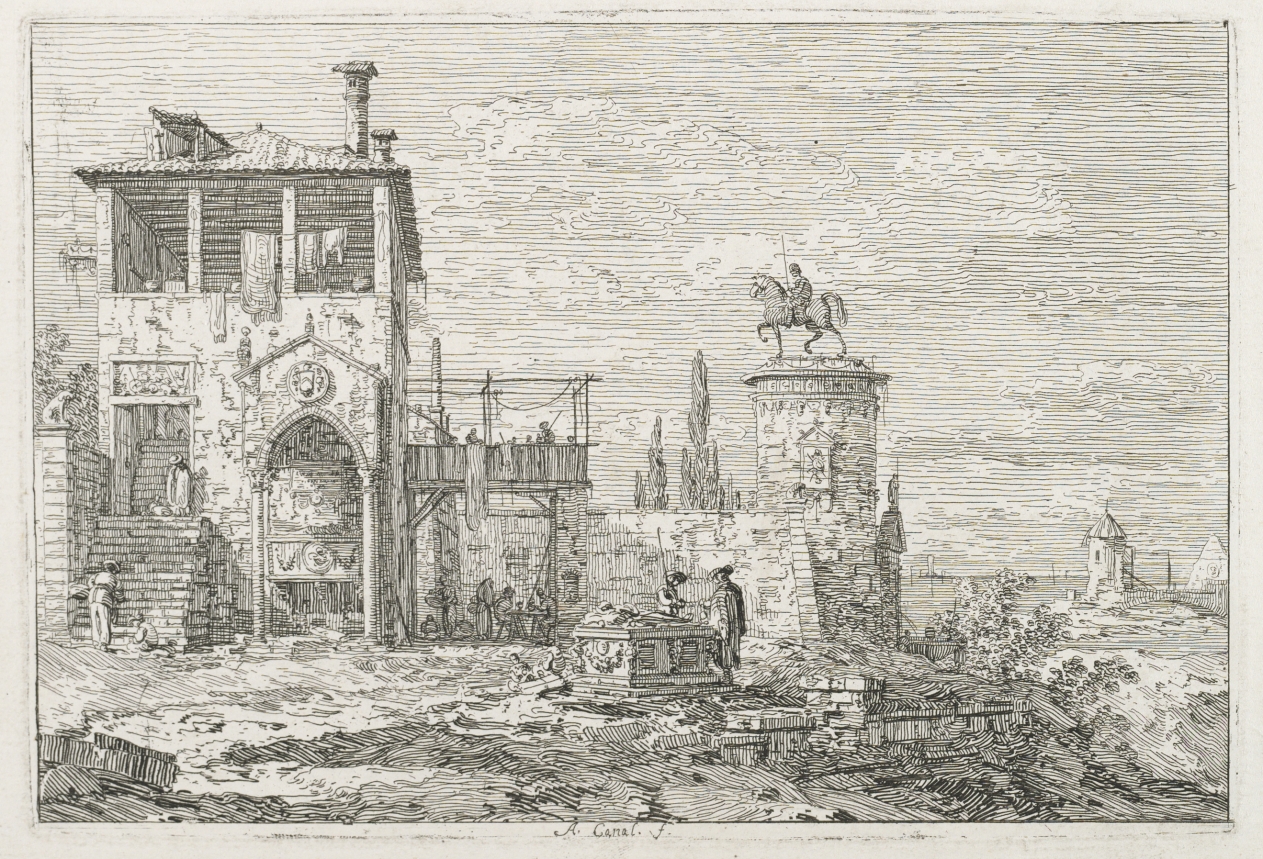 Antonio Canaletto (Italian, 1697–1768) — Views: The Equestr
 Canaletto — The Equestrian Monument, from Vedute
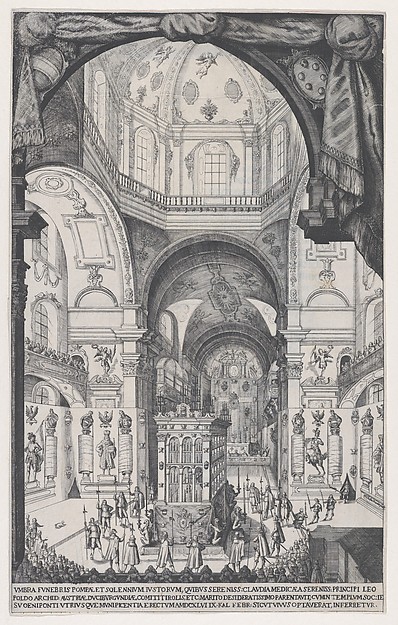 Wilhelm Frommer — Catafalque of Leopold, Archduke of Austria
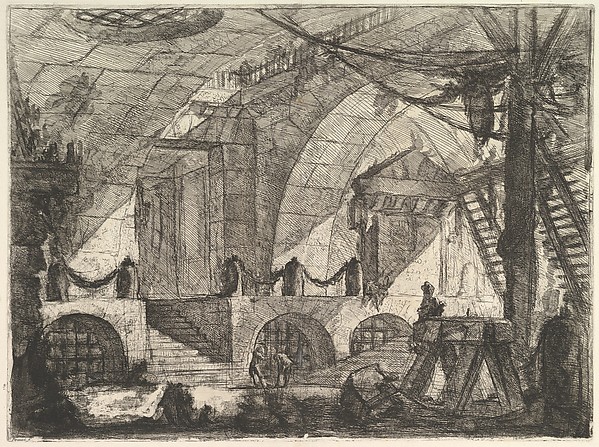 Giovanni Battista Piranesi|Giovanni Bouchard — The Sawhorse,
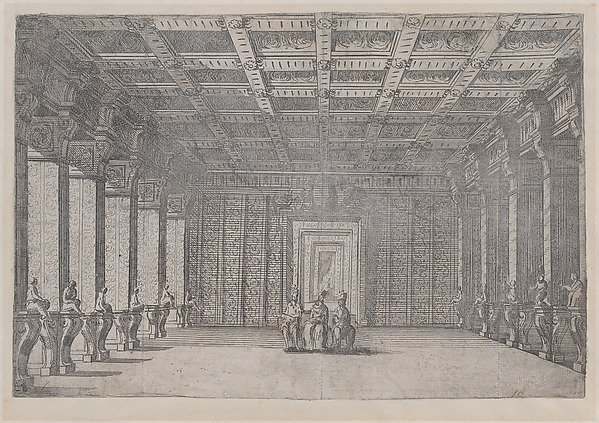 Ludovico Ottaviano Burnacini — Theatrical scene with three f
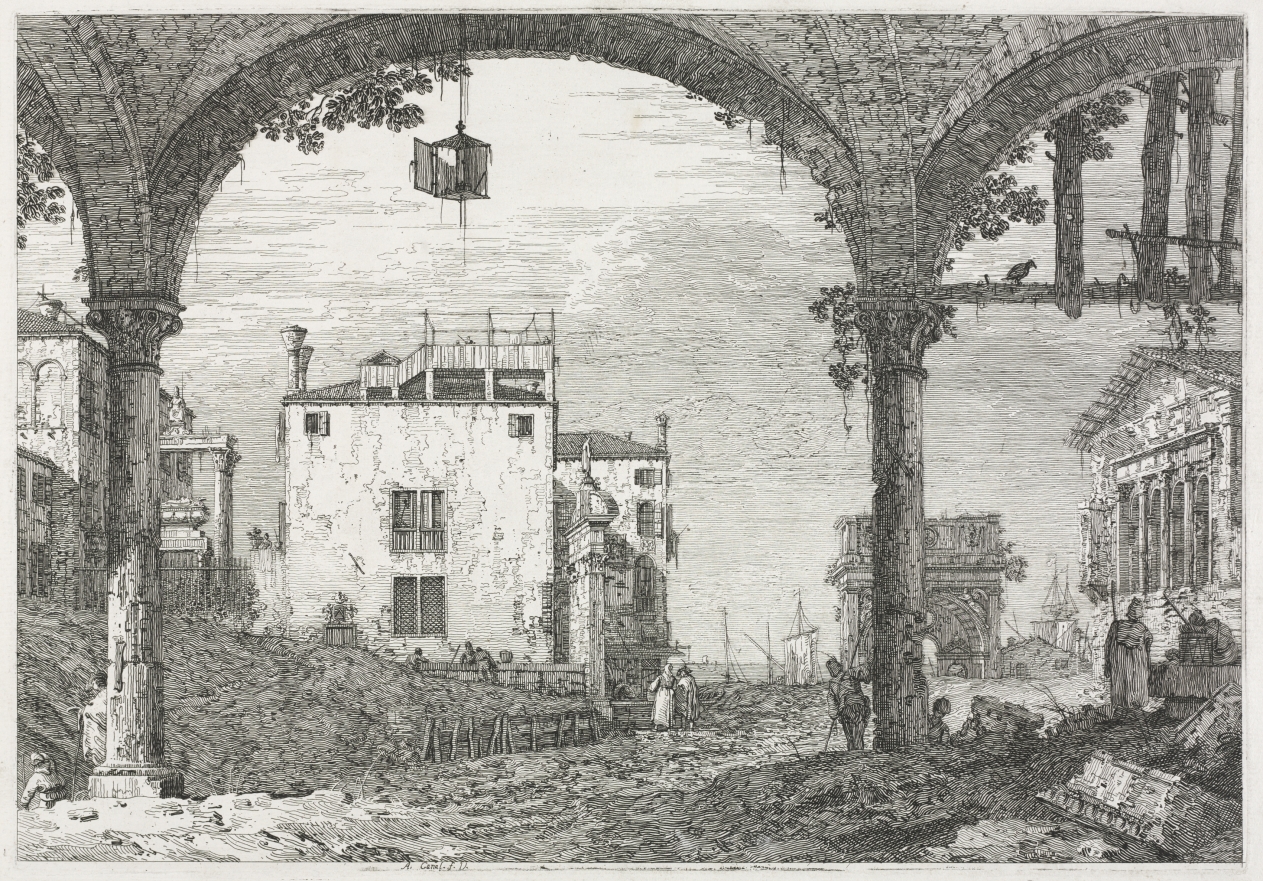 Antonio Canaletto (Italian, 1697–1768) — Views: The Portico
  Giovanni Battista Piranesi — View of the upper storey of the