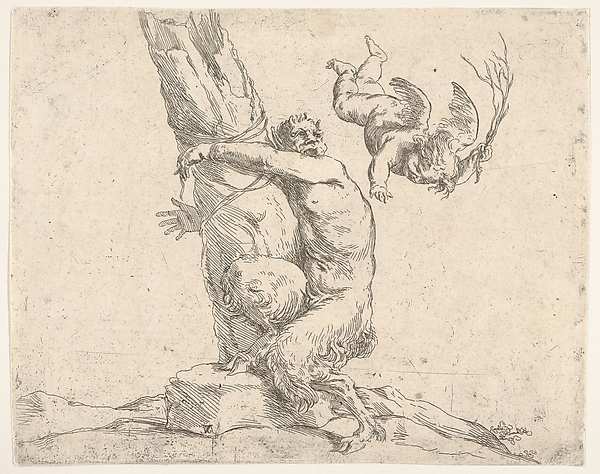
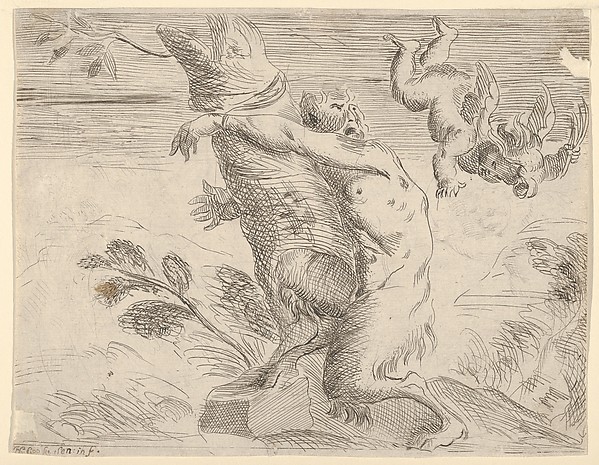
Cupid Punishing a Satyr
n.d.
Etching on paper
16.6 × 20.8 cm (6.5 × 8.2 in)
SEE IT IN PERSON
Not currently on view
In the collection of Art Institute of Chicago, Chicago · as of July 2026
Discussion
FROM THE ART INSTITUTE OF CHICAGO’S CATALOG
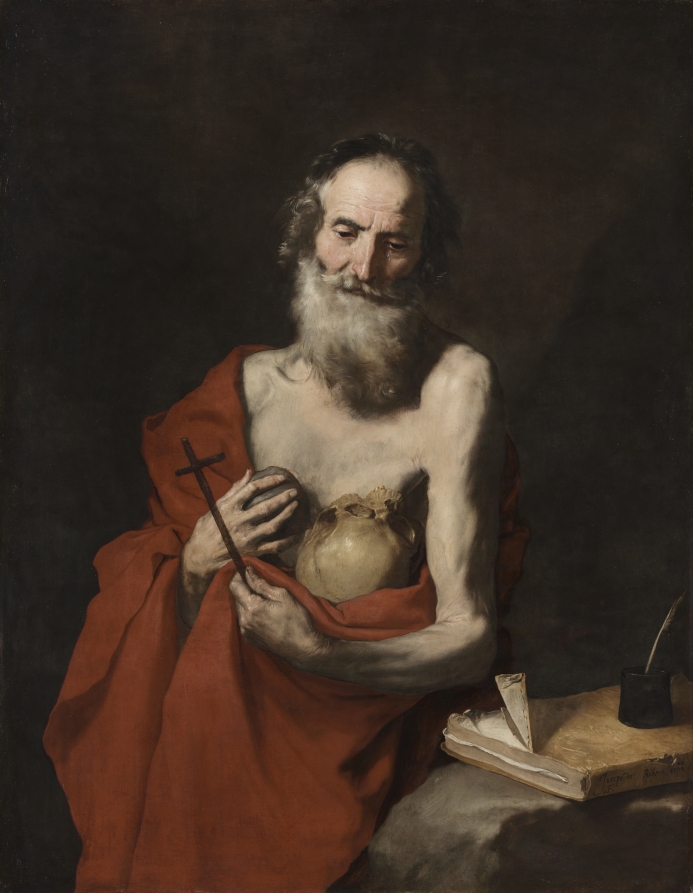
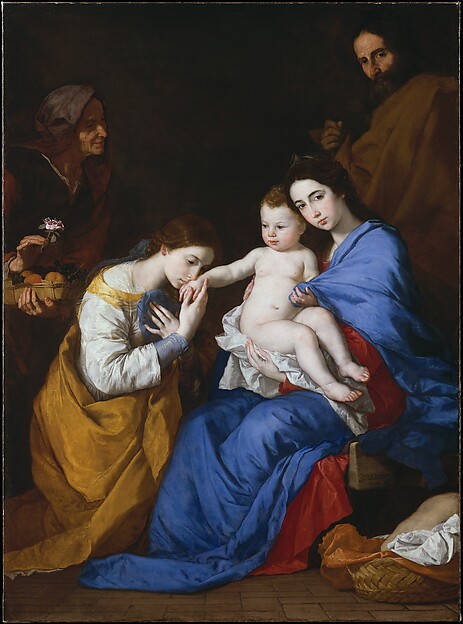
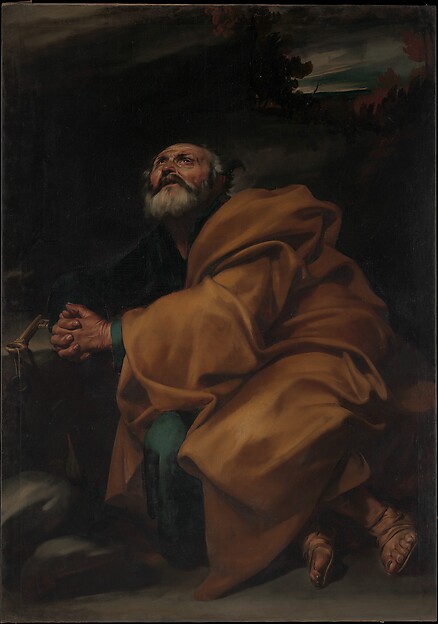
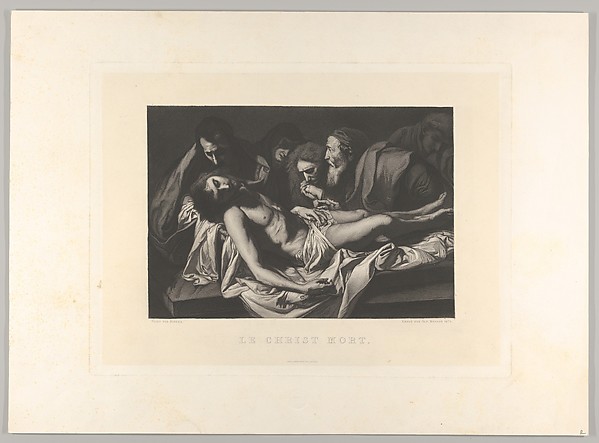
Born in Spain, Jusepe de Ribera spent most of his career in Naples. His 17 known prints were mainly executed during the 1620s and were not very popular, dealing as they did with harsh images of satyrs, withered old men, and drunkards. Ribera has been credited with bringing the drama of Caravaggio to the medium of etching.
Be the first to share your thoughts.
Sign in to join the discussion.
More by Jusepe de Ribera

More like this
 Jusepe de Ribera (called Lo Spagnoletto) — A winged putto fl
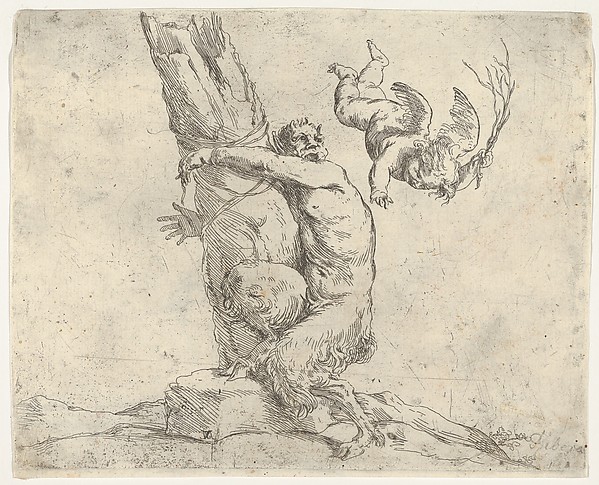 Jusepe de Ribera (called Lo Spagnoletto) — A winged putto fl
 Unknown Italian — Hercules and Antaeus
 Giovanni Domenico Tiepolo — Hercules and Antaeus (with a Bas
 Flaminio Torre (Torri)|Agostino Carracci — Pan and Cupid
 Follower of John Hamilton Mortimer — The Damned in Hell
 Frans Floris, I — Cain Killing Abel
 Anonymous, Italian, 17th century — Design for Sculpture
 Henry Fuseli — Menelaus and Patroclus, after the Antique (re
 Charles Antoine Coypel — River God and Another Male Figure
 H. Cooke, Sr.|Jusepe de Ribera (called Lo Spagnoletto) — Win
 Giovanni Domenico Tiepolo — Hercules and Antaeus (with a led