Jean-Pierre Norblin de la Gourdaine
Beggar Man
1787
Etching in black on ivory China paper
8.1 × 7 cm (3.2 × 2.8 in)
SEE IT IN PERSON
Not currently on view
In the collection of Art Institute of Chicago, Chicago · as of July 2026
Discussion
FROM THE ART INSTITUTE OF CHICAGO’S CATALOG
Many of Norblin's etchings depict colorful figures in Asian or Polish peasant costume. It is unclear whether any of his prints appeared on the market in his lifetime; the earliest impressions are on tissue- weight paper, and many that are known today were probably printed after the artist's death.
Be the first to share your thoughts.
Sign in to join the discussion.
More by Jean-Pierre Norblin de la Gourdaine


More like this
 Jacques Callot — Beggar on Crutches and Wearing a Hat, seen
 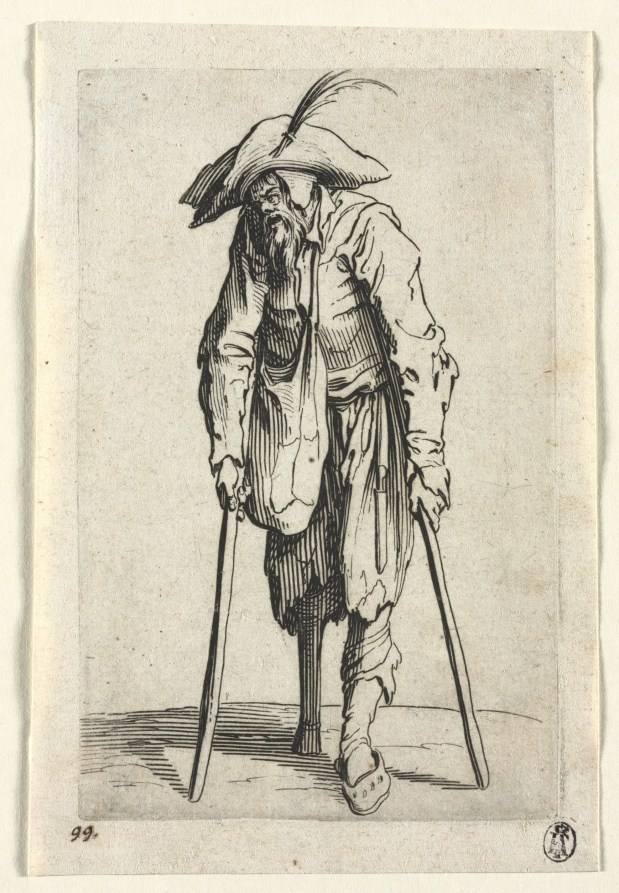 Jacques Callot (French, 1592–1635) — The Beggars: Beggar wit
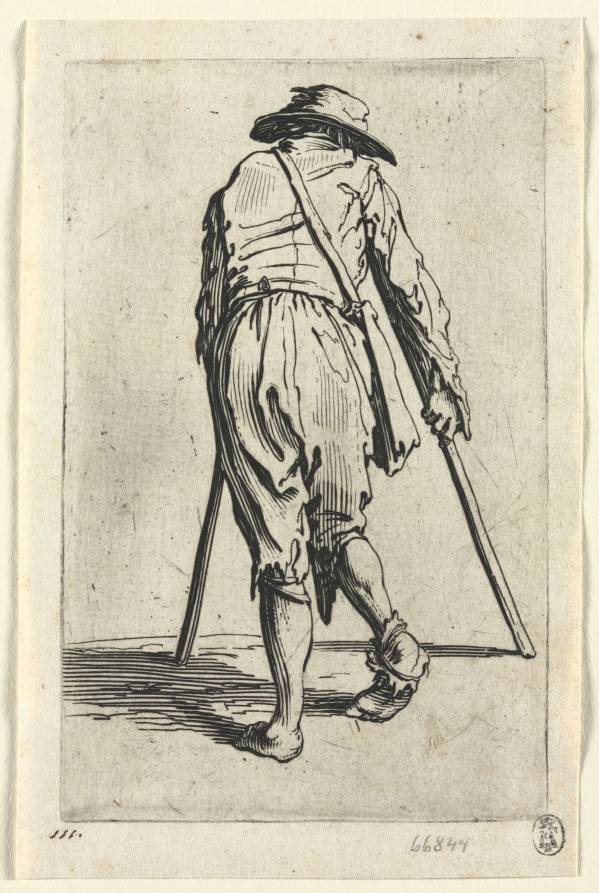 Jacques Callot (French, 1592–1635) — The Beggars: Beggar on
 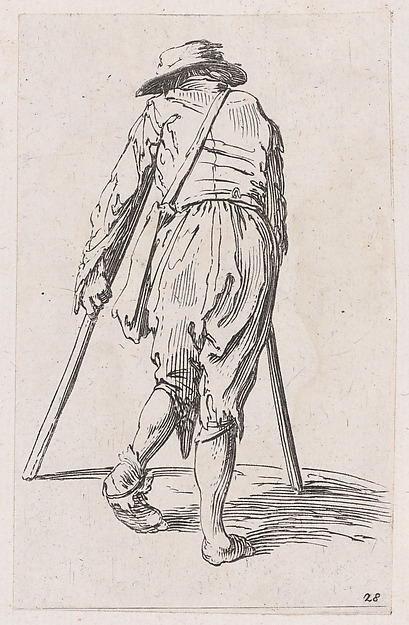 Jacques Callot|Anonymous — Reverse Copy Le Mendiant aux Béqu
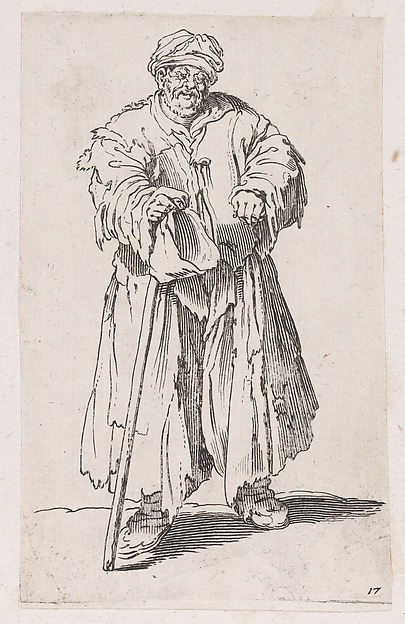 Jacques Callot|Anonymous — Reverse Copy of Le Mendiant Obèse
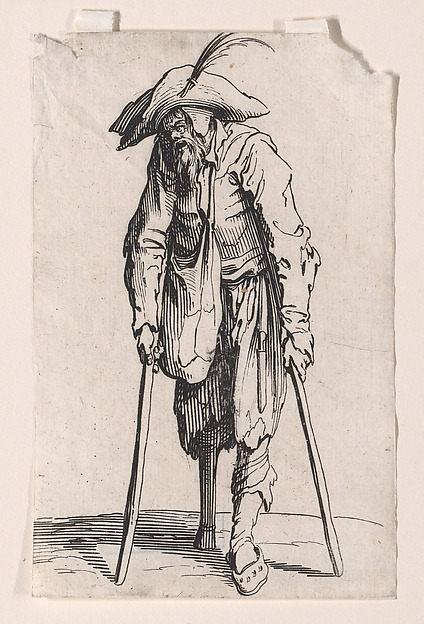 Jacques Callot — Le Mendiant a la Jambe de Bois (The Beggar
 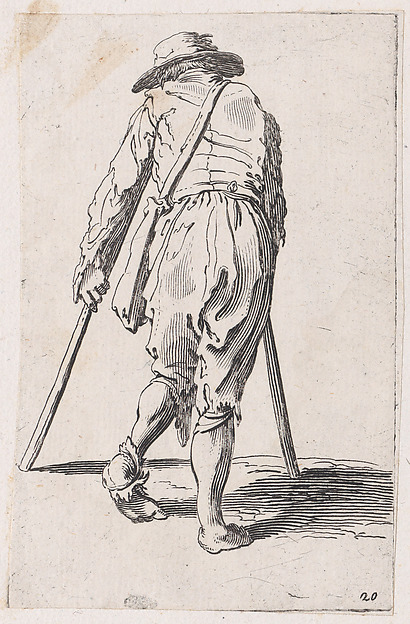 Jacques Callot|Anonymous — Reverse Copy of La Borgnesse (The
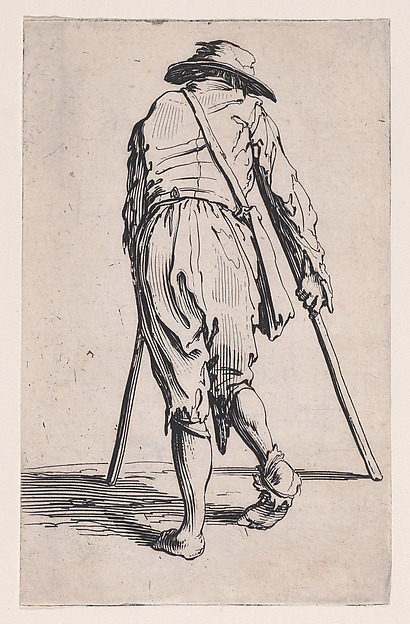 Jacques Callot — Le Mendiant aux Béquilles Coiffé d'un Chape
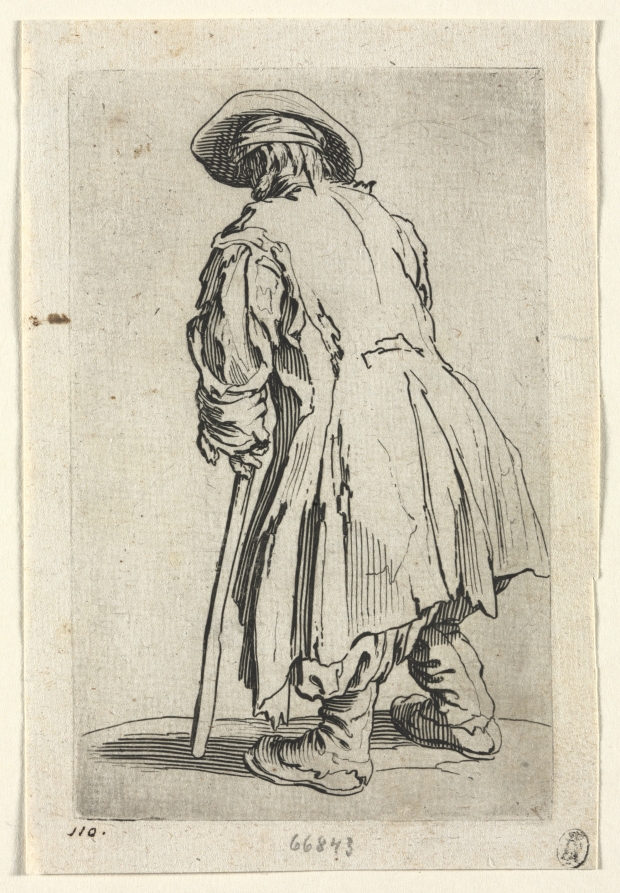 Jacques Callot (French, 1592–1635) — The Beggars: Old Beggar
 Jacques Callot — The Beggar with the Wooden Leg, plate fourt
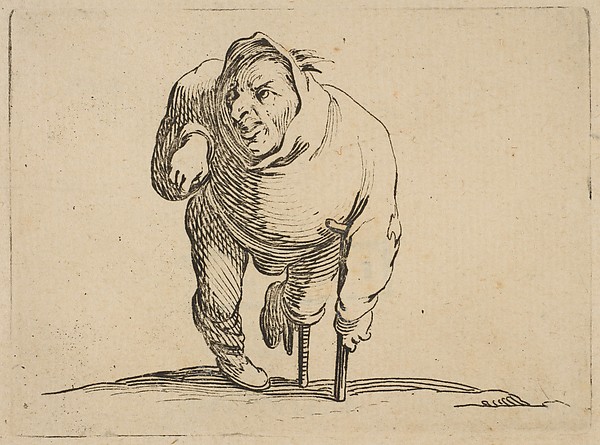 Jacques Callot — L'Estropié a la Béquille et a La Jambe de B
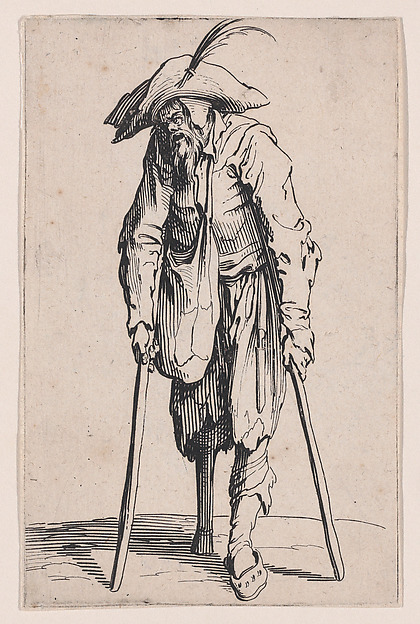 Jacques Callot — Le Mendiant a la Jambe de Bois (The Beggar